
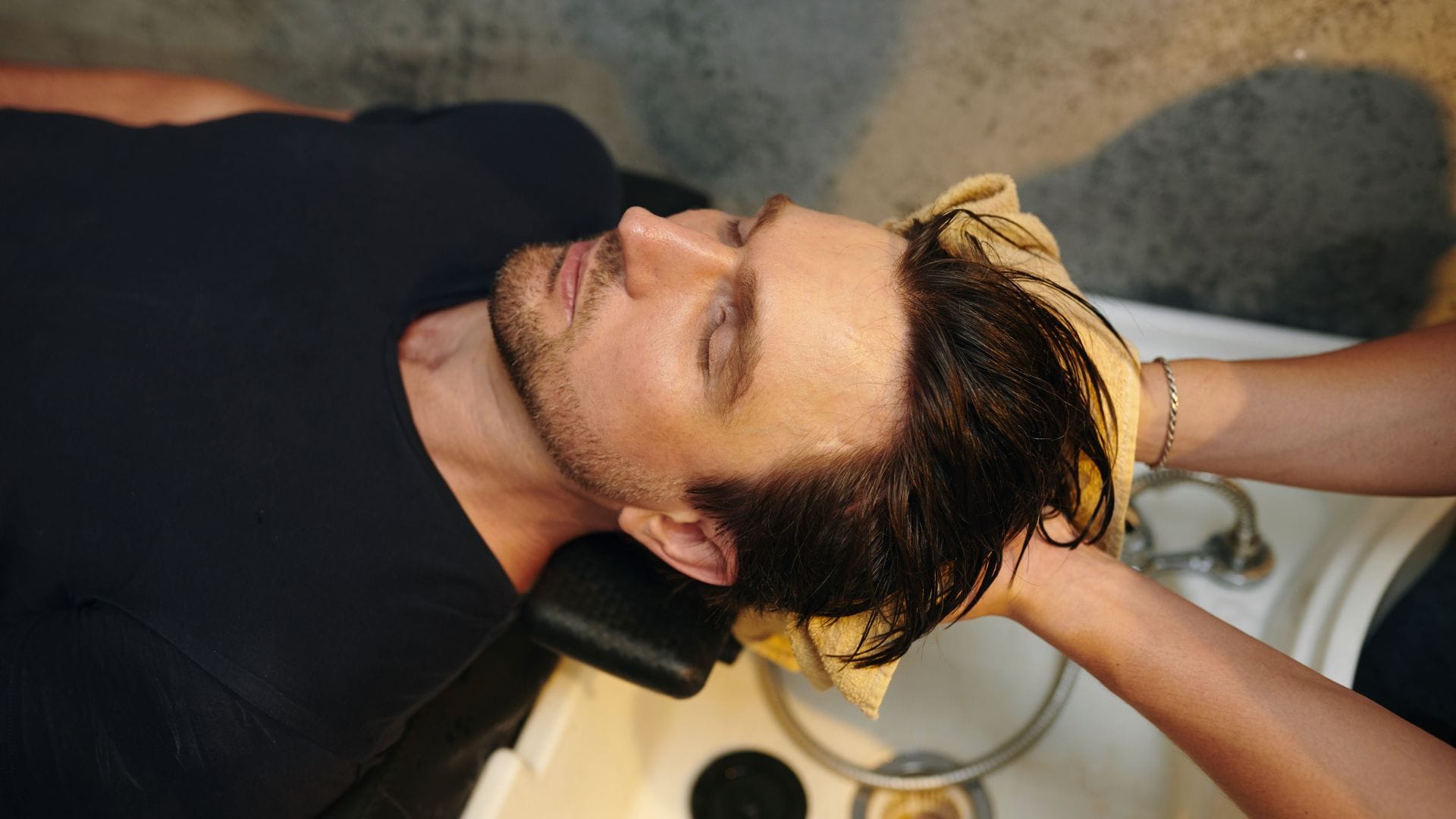
Washing hair seems like a simple, everyday task that most people do on autopilot. You get in the shower, lather up with shampoo, rinse it out, and you are done. However, there is a significant difference between simply washing your hair and washing it correctly. The methods you use can have a major impact on the health of your hair and scalp. Factors like water temperature, the type of products used, and the frequency of washing all play a role in the overall condition of your hair. Improper techniques can lead to dryness, breakage, frizz, and scalp irritation. Learning the right way to wash your hair can transform its appearance and feel, making it stronger, shinier, and more manageable. These professional tips will guide you through the process, helping you avoid common mistakes and establish a routine that promotes optimal hair health.
1. Choose the Right Shampoo and Conditioner
Selecting the appropriate shampoo and conditioner is the foundation of a good hair care routine. Not all products are created equal, and using one that is not suited for your hair type can lead to more harm than good. Your hair might be oily, dry, fine, thick, color-treated, or a combination of these. Each type has specific needs. For example, oily hair benefits from a clarifying shampoo that can remove excess sebum without stripping the scalp of its natural oils completely.
Dry or damaged hair, on the other hand, requires a moisturizing or repairing formula rich in hydrating ingredients like glycerin, argan oil, or shea butter. For those with fine hair, a volumizing shampoo can provide lift and body without weighing the hair down. Conversely, thick or coarse hair may need a smoothing shampoo to tame frizz and add softness. It is also important to consider your scalp’s condition.
If you have a sensitive or flaky scalp, look for products with gentle, soothing ingredients like aloe vera or tea tree oil. Reading labels and understanding what ingredients do is crucial. Avoid harsh sulfates, like sodium lauryl sulfate, if you have dry or sensitive skin, as they can be overly stripping. Making a thoughtful choice based on your hair’s unique characteristics will ensure that your cleansing routine is effective and beneficial.
2. Adjust Water Temperature
The temperature of the water you use to wash your hair plays a surprisingly important role in its health and appearance. Many people enjoy a hot shower, but scalding hot water can be detrimental to both your hair and scalp. High temperatures strip the natural oils, or sebum, from your scalp and hair shafts. This can leave your hair feeling dry, brittle, and prone to breakage. It can also cause your scalp to overcompensate by producing even more oil, leading to a greasy look sooner than expected. The ideal approach is to start with lukewarm water. This temperature is effective enough to open the hair cuticles, allowing the shampoo to penetrate deeply and cleanse away dirt, oil, and product buildup.
After applying and lathering the shampoo, this warm water helps to rinse it out thoroughly. When it comes time to apply conditioner, keeping the water lukewarm is still a good practice. However, the final rinse is where a change in temperature can provide significant benefits. Finishing with a blast of cool or cold water helps to seal the hair cuticles. This simple step locks in the moisture from the conditioner, which enhances shine, reduces frizz, and makes your hair look smoother. A professional at a top Barbershop in New York would confirm that managing water temperature is a simple yet effective technique for improving hair texture and health.
3. Don’t Wash Your Hair Every Day
The popular belief that hair must be washed daily is a myth for most people. Over-washing is one of the most common mistakes that can lead to dry, damaged hair. Your scalp naturally produces an oil called sebum, which is essential for keeping your hair moisturized, protected, and healthy. When you shampoo every day, you strip away these vital oils.
In response, your scalp may go into overdrive and produce even more oil to compensate, creating a vicious cycle where your hair gets greasy faster, prompting you to wash it more frequently. The ideal washing frequency depends on your hair type, scalp condition, and lifestyle. Individuals with very oily hair or those who work out and sweat heavily might need to wash their hair more often, perhaps every other day.
However, people with dry, coarse, or curly hair can often go much longer between washes, sometimes only washing once or twice a week. Experimenting is key to finding the right balance for you. On non-wash days, you can use a dry shampoo to absorb excess oil at the roots and refresh your style. Giving your hair a break from the constant cycle of washing and drying will allow its natural oils to do their job, resulting in healthier, more resilient, and better-looking hair over time.
4. Focus on the Scalp, Not the Ends
When it comes to applying shampoo, the technique is just as important as the product itself. The primary purpose of shampoo is to cleanse the scalp by removing dirt, excess oil, and product buildup. Your scalp is where the glands that produce oil are located, making it the area that needs the most attention during a wash. Start by applying a small amount of shampoo to your palms and lathering it up before applying it directly to your scalp.
Use your fingertips, not your nails, to gently work the product into the roots. Massaging the scalp in small, circular motions helps to lift away impurities and also stimulates blood flow to the hair follicles, which can promote healthy hair growth. This technique is similar to getting a professional Scalp Massage, which is known for its relaxing and therapeutic benefits. There is no need to vigorously scrub the lengths and ends of your hair with shampoo.
As you rinse the shampoo from your scalp, the suds will naturally run down the hair shaft, providing a gentle cleansing action that is sufficient for the rest of your hair. Concentrating the shampoo on the ends can strip them of moisture, leading to dryness, split ends, and breakage, as the ends are the oldest and most fragile part of your hair. By focusing your cleansing efforts on the scalp, you effectively clean your hair where it matters most without causing unnecessary damage.
5. Be Gentle When Your Hair is Wet
Hair is at its most vulnerable when it is wet. The water causes the hair shaft to swell, making the protective outer layer, the cuticle, lift up. This state makes the hair more elastic and much more susceptible to stretching, snapping, and breaking. Therefore, it is crucial to handle wet hair with extreme care. After washing, avoid rough-drying your hair with a coarse towel. The friction from rubbing can damage the cuticles, leading to frizz and breakage.
Instead, gently squeeze the excess water out of your hair with your hands. Then, pat it dry with a soft, absorbent towel, like a microfiber towel or even an old, clean t-shirt. These materials are much gentler on the hair and absorb water effectively without causing damage. Similarly, never try to detangle wet hair with a harsh brush. A regular bristle brush can pull and tear through knots, causing significant breakage.
If you must detangle your hair while it is wet, use a wide-tooth comb or your fingers. Start from the ends and work your way up to the roots, gently working through any tangles. Applying a leave-in conditioner or detangling spray before combing can provide extra slip and make the process even smoother. Treating your wet hair with a delicate touch is a fundamental step in preventing damage and maintaining its strength and integrity.
6. Use Conditioner Correctly
Conditioner plays a vital, yet often misunderstood, role in a proper hair washing routine. While shampoo is for cleansing the scalp, conditioner is designed to moisturize and protect the lengths and ends of your hair. These are the oldest and most fragile parts of the hair shaft, and they need extra care to stay healthy and prevent split ends. A common mistake is applying conditioner all over the hair, including the roots. This can weigh down your hair, especially if it is fine, and can make your scalp greasy.
Using the Wrong Shampoo for your hair type can be problematic, but applying conditioner to your roots can create a similar weighed-down and oily effect, even with the right product. The correct technique is to apply conditioner starting from the mid-lengths and concentrating it on the ends. After shampooing and rinsing, gently squeeze the excess water from your hair.
Applying conditioner to sopping wet hair dilutes the product and makes it less effective. Once you have applied the conditioner, let it sit for a few minutes as directed on the bottle. This allows time for the ingredients to penetrate the hair shaft and deliver their moisturizing benefits. Finally, rinse thoroughly with lukewarm or cool water. Proper conditioner application ensures your hair receives the hydration it needs without compromising volume or cleanliness at the scalp.
7. Rinse Thoroughly
One of the most overlooked steps in the hair washing process is the final rinse. Failing to rinse your hair thoroughly can lead to a host of problems that undermine all the effort you put into washing it. When shampoo and conditioner residue are left behind, they can create a film on the hair and scalp. This buildup can weigh your hair down, making it look dull, limp, and lifeless. It can also cause the scalp to become itchy, irritated, or flaky, sometimes mimicking the appearance of dandruff.
Over time, this residue can even clog hair follicles, which may hinder healthy hair growth. To ensure a proper rinse, you need to be patient. Let the water run through your hair for at least a minute or two after you think you have rinsed everything out. Gently lift sections of your hair to allow the water to reach every part of your scalp and all the strands from root to tip. Pay special attention to the nape of your neck and the area behind your ears, as these spots are often missed.
The water should run completely clear before you finish. You can feel the difference when your hair is fully rinsed—it will feel smooth and “squeaky clean” but not stripped. Taking an extra moment to rinse completely is a simple adjustment that can dramatically improve the health of your scalp and the appearance of your hair.
8. Consider a Pre-Shampoo Treatment
For those with particularly dry, damaged, or tangled hair, a pre-shampoo treatment, often called a “pre-poo,” can be a game-changer. This extra step involves applying a conditioning or oil-based product to your hair before you even get it wet. The purpose of a pre-poo is to create a protective barrier on the hair shaft.
This barrier helps to prevent the shampoo from stripping too much of the hair’s natural moisture during the cleansing process, a phenomenon known as hygral fatigue. It also helps to soften the hair and detangle it, making the washing process much gentler and reducing the risk of breakage. You can use various products for a pre-shampoo treatment, including natural oils like coconut, olive, or avocado oil, or a store-bought pre-shampoo product.
A good Barber in New York often recommends this for clients with very dry or coarse hair. To perform a pre-poo, you apply the oil or treatment to your dry hair, focusing on the mid-lengths and ends. You can let it sit for at least 30 minutes, or even overnight for a deep conditioning effect, before you step into the shower. When you are ready to wash, you simply follow your normal shampoo and conditioning routine. This preparatory step ensures that your hair retains more moisture, feels softer, and is better protected against the potential harshness of shampooing.
9. Don’t Pile Hair on Top of Your Head
A common image associated with washing hair is piling it all on top of the head and scrubbing vigorously. While this might look good in commercials, it is a terrible technique for your hair’s health. This action creates immense friction and can lead to a tangled, matted mess that is difficult to comb through later.
The rubbing and circular motions can rough up the hair’s cuticle layer, which is the protective outer sheath of the hair strand. When the cuticles are damaged and raised, your hair is more likely to become frizzy, dull, and prone to breakage. This habit is especially damaging for those with long, fine, or curly hair, as these hair types are already more susceptible to tangles and mechanical damage. The correct method is to keep your hair hanging down as you wash it.
Apply the shampoo to your scalp and use your fingertips to massage it in, working in gentle, vertical strokes rather than rough, circular ones. This prevents the strands from getting tangled up with each other. When you rinse, let the water flow downwards from the scalp to the ends. This not only helps in rinsing the product out completely but also encourages the hair cuticles to lie flat, which results in smoother, shinier, and healthier-looking hair. Avoiding this one common habit can make a significant difference in preventing unnecessary knots and damage.
10. Dry Your Hair with Care
The way you dry your hair after washing is just as important as the washing process itself. As mentioned earlier, hair is incredibly fragile when wet, so your post-wash routine requires a gentle approach. The first mistake to avoid is vigorously rubbing your hair with a standard bath towel. The rough texture and the friction it creates can damage the hair cuticles, leading to frizz and breakage.
A much better alternative is to gently squeeze out excess water and then blot your hair with a soft microfiber towel or an old cotton t-shirt. These materials are smoother and more absorbent, reducing friction and the risk of damage. If you use heat styling tools like a blow dryer, it is essential to take protective measures. Always apply a heat protectant spray beforehand to shield your hair from thermal damage. When blow-drying, use the lowest heat setting possible and keep the dryer moving constantly, holding it at least six inches away from your head.
Directing the airflow down the hair shaft helps to smooth the cuticles and increase shine. Whenever possible, letting your hair air-dry is the healthiest option. If you need to speed up the process, you can let it air-dry about 70-80% of the way and then use a blow dryer on a cool setting to finish. Treating your hair gently during the drying phase is the final, crucial step to ensuring your washing routine contributes to healthy, beautiful hair.
Conclusion
Transforming a daily routine into a mindful practice can yield remarkable results for hair health. By paying attention to details such as water temperature, product selection, and application techniques, it is possible to achieve salon-quality results at home. Consistency is vital; incorporating these ten professional tips into a regular hair care regimen can lead to stronger, shinier, and more manageable hair over time. Healthy hair is not just about genetics; it is about the care and attention given to it during every wash.