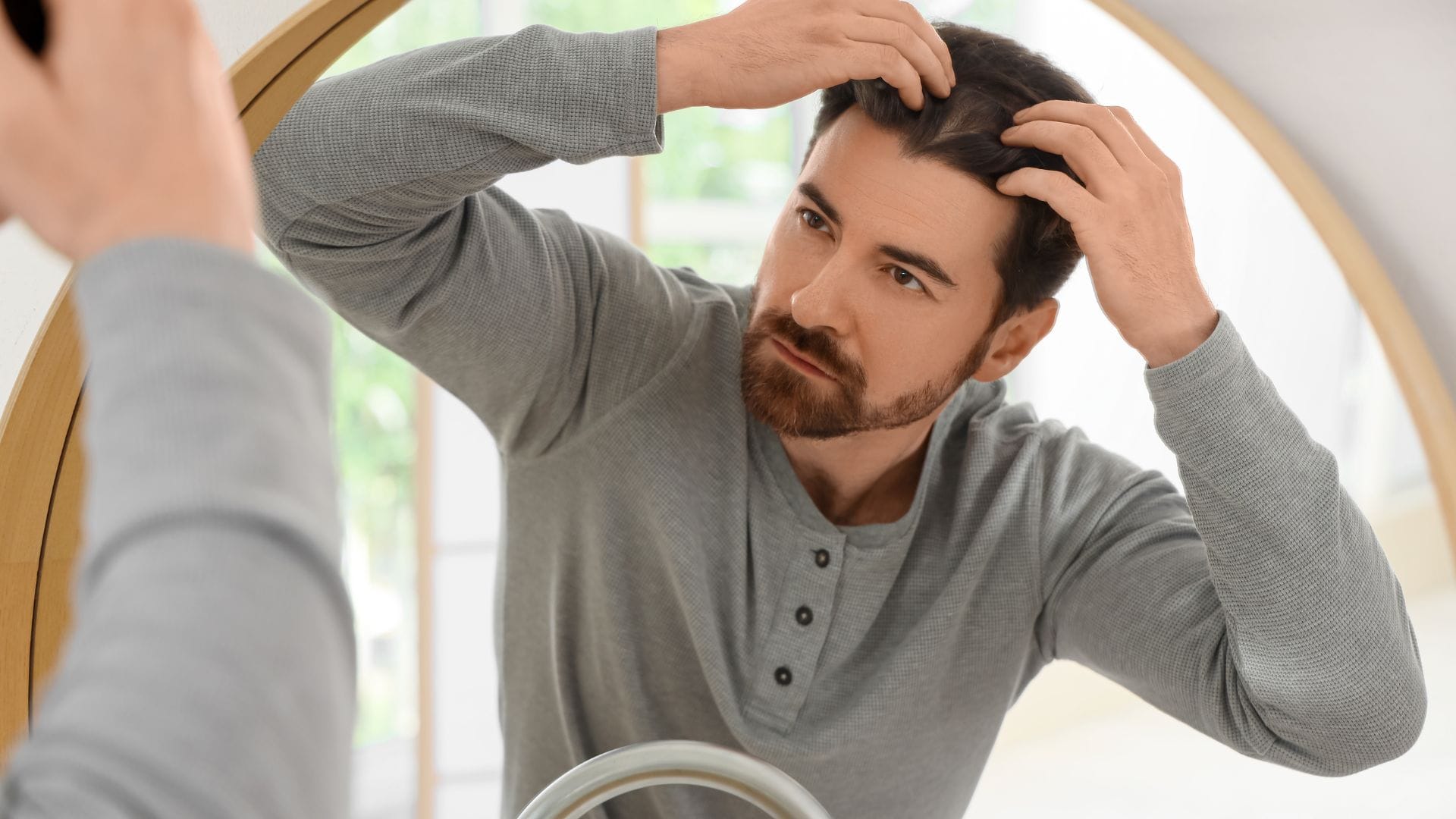
Hair loss is a common concern that affects millions of people worldwide, regardless of age or gender. Seeing extra strands in the shower drain or on your hairbrush can be alarming and stressful. While genetics often play a significant role in pattern baldness, many other factors contribute to thinning hair, including diet, stress, environmental damage, and improper hair care routines. Fortunately, you do not always need to resort to expensive treatments or harsh chemicals to address this issue. Nature provides a wealth of resources and lifestyle adjustments that can significantly improve the health of your scalp and hair follicles. Taking a proactive approach to hair care can slow down shedding and even encourage new growth over time.
Adopting a natural approach to preventing hair loss involves looking at your overall health and daily habits. It is not just about what you put on your head, but also what you put into your body and how you treat yourself. From nutrient-rich foods to stress-reducing activities, the solutions are often holistic. Consistency is key when trying natural remedies; unlike synthetic drugs that might offer quick fixes, natural strategies work by gradually restoring balance and strength to your body. This guide outlines ten practical and effective strategies to help you maintain a fuller, healthier head of hair naturally. By integrating these tips into your routine, you can take control of your hair health and boost your confidence.
1. Optimize Your Diet with Protein
Hair is primarily made of a protein called keratin, so it makes sense that a diet lacking in protein can lead to weak and brittle hair. When your body does not get enough protein, it rations the available supply for essential bodily functions like organ maintenance and muscle repair, leaving non-essential tissues like hair to suffer. This can cause hair growth to slow down or even stop, leading to noticeable shedding. To prevent this, ensure that your daily meals include adequate amounts of high-quality protein sources. Lean meats, fish, eggs, beans, and nuts are excellent choices that provide the building blocks necessary for strong hair strands. Vegetarians and vegans should be especially mindful of combining plant-based proteins to get a complete amino acid profile.
In addition to preventing loss, a protein-rich diet improves the texture and shine of the hair you already have. Many people who crash diet or restrict calories too severely often experience hair loss because they are inadvertently starving their hair follicles. It is crucial to maintain a balanced diet rather than cutting out major food groups. Incorporating foods rich in collagen, such as bone broth, can also support hair structure. By fueling your body with the right nutrients, you are creating the best possible environment for hair to grow. Think of protein as the foundation of your hair care routine; without it, topical treatments and supplements will have little effect.
2. Massage Your Scalp Regularly
Scalp massage is one of the most underrated yet effective methods for stimulating hair growth. The logic behind it is simple: massaging the scalp increases blood circulation to the hair follicles. Blood carries oxygen and vital nutrients that the roots need to grow strong and healthy hair. When circulation is poor, follicles can shrink and eventually stop producing hair. You can perform a scalp massage using just your fingertips, applying gentle but firm pressure in circular motions across your entire head. Doing this for just four to five minutes a day can make a significant difference over time. It is also incredibly relaxing and can help reduce tension headaches.
Many people choose to incorporate essential oils like rosemary or peppermint into their massage routine for added benefits. These oils are known to invigorate the scalp and potentially block hormones that cause hair loss. If you are unsure about the best technique, visiting a professional can be very educational. A high-quality New York Barbershop will often include a scalp massage as part of their grooming services, demonstrating the correct pressure and motion to use. Even if you do it at home, consistency is what matters most. Regular stimulation keeps the hair follicles active and healthy, creating a fertile ground for robust hair growth.
3. Manage Stress Levels
Chronic stress is a major culprit behind sudden and diffuse hair loss. When you are stressed, your body produces high levels of cortisol, a hormone that can disrupt the natural growth cycle of your hair. This condition, known as telogen effluvium, pushes hair follicles into a resting phase prematurely. As a result, hair falls out more easily when you wash or comb it. Managing stress is therefore not just good for your mental health, but essential for keeping your hair. Techniques such as meditation, deep breathing exercises, and yoga can help lower cortisol levels and restore balance to your body.
Finding a hobby or activity that helps you unwind is critical. Whether it is reading, gardening, or taking long walks, dedicating time to relaxation can prevent the physiological triggers of hair loss. Sleep is another vital component of stress management; during sleep, your body repairs tissues, including hair cells. Lack of sleep can weaken your immune system and increase stress, creating a vicious cycle of hair shedding. By prioritizing your mental well-being and ensuring you get enough rest, you are directly protecting your hair. A calm mind supports a healthy body, and that includes a healthy scalp.
4. Use Natural Oils and Essential Oils
Nature offers a variety of oils that can nourish the scalp and strengthen the hair shaft. Coconut oil, for example, is rich in fatty acids that penetrate the hair shaft and reduce protein loss. Olive oil and argan oil are excellent for moisturizing dry hair and preventing breakage. Beyond these carrier oils, essential oils like lavender, rosemary, and cedarwood have been shown in some studies to promote hair growth. Rosemary oil, in particular, is often compared to minoxidil for its ability to improve cellular generation. You can mix a few drops of these potent oils with a carrier oil and apply it to your scalp as a treatment before washing your hair.
Using natural oils serves as a protective barrier against environmental damage and styling stress. They seal moisture into the hair cuticle, making strands less likely to snap or split. This is especially important if you enjoy experimenting with Cool Hairstyles that might require heat or manipulation. Keeping the hair flexible and hydrated ensures that it can withstand daily wear and tear. Regular oil treatments can also help combat dandruff and scalp inflammation, which are often linked to hair thinning. By replacing chemical-laden conditioners with natural oils, you provide your hair with pure, unadulterated nourishment.
5. Avoid Harsh Chemicals and Heat Styling
Modern hair styling often involves a barrage of chemicals and high heat that can devastate hair health. Bleaching, chemical straightening, and permanent waving weaken the protein structure of the hair, making it prone to breakage and falling out. Similarly, using blow dryers, curling irons, and straighteners on high heat settings boils the moisture right out of the hair shaft. Over time, this leads to dry, brittle hair that snaps off near the root, creating the appearance of thinning. To prevent this, try to limit the use of heat tools and opt for air-drying whenever possible.
If you must use heat, always apply a heat protectant spray and use the lowest effective temperature setting. Be mindful of the ingredients in your shampoos and styling products as well. Sulfates, parabens, and alcohols can strip the scalp of its natural oils, leading to irritation and follicle damage. Switching to gentle, natural, or organic hair care products can preserve the integrity of your hair. Embracing your natural texture is the best way to ensure longevity. By reducing the chemical and thermal load on your hair, you allow it to recover and grow stronger, preventing unnecessary loss caused by external damage.
6. Increase Iron and Vitamin Intake
Nutritional deficiencies are a frequent hidden cause of hair loss. Iron deficiency, which leads to anemia, is a major reason for hair shedding, especially in women. Iron is essential for the production of hemoglobin, which carries oxygen to your body’s cells, including those responsible for hair growth. Without enough iron, hair follicles starve and die. Leafy greens, red meat, lentils, and fortified cereals are great sources of iron. Vitamin D, B-vitamins (like Biotin), Zinc, and Vitamin C are also crucial. Vitamin C helps with iron absorption and collagen production, while Vitamin D helps create new follicles.
If you suspect your diet is not providing enough of these nutrients, consider speaking with a doctor about blood tests. They can identify specific deficiencies and recommend appropriate supplements. However, getting vitamins from whole foods is always preferable as the body absorbs them better. A colorful, varied diet ensures you get a wide spectrum of nutrients. Eating foods rich in antioxidants, like berries, can also protect hair follicles from damage caused by free radicals. This internal approach helps Add Volume to your hair by ensuring that each strand is thick and healthy from the moment it emerges from the scalp.
7. Stay Hydrated
Water is the essence of life and is critical for the health of every cell in your body, including hair cells. A hydrated hair shaft is flexible and strong, whereas a dehydrated one is brittle and prone to snapping. Dehydration can also dry out the scalp, leading to dandruff and itchiness, which can damage the roots if you scratch excessively. Drinking enough water ensures that the circulatory system can efficiently deliver nutrients to the hair follicles. It also helps flush out toxins that might otherwise accumulate and hinder hair growth.
Aim to drink at least eight glasses of water a day, and more if you are active or live in a hot climate. Herbal teas and fruits with high water content, like watermelon and cucumber, also contribute to your hydration levels. Pay attention to the signs of dehydration, such as dry skin and fatigue, as your hair will likely suffer too. Keeping your body well-hydrated is one of the simplest and most cost-effective ways to maintain hair health. It provides the moisture needed from the inside out, complementing any external moisturizing treatments you might use.
8. Quit Smoking
Smoking cigarettes causes immense damage to nearly every organ in the body, and your skin and hair are no exception. Smoking restricts blood vessels, which significantly reduces blood flow to the scalp. This means your hair follicles receive less oxygen and fewer nutrients than they need to survive and thrive. The toxins in cigarette smoke can also damage the DNA in hair follicles and disrupt the hair growth cycle. Research has shown a clear link between smoking and premature graying as well as hair thinning. If you are serious about preventing hair loss, quitting smoking is one of the most impactful steps you can take.
The benefits of quitting extend far beyond just saving your hair; your overall health will improve drastically. As circulation improves after you stop smoking, your skin and scalp will regain vitality. This renewed blood flow can help resuscitate dormant hair follicles and strengthen existing ones. It is never too late to quit, and the body has an amazing ability to repair itself once the exposure to toxins stops. A knowledgeable New York Barber can often tell if a client is a smoker just by looking at the dullness and texture of their hair, highlighting how visible the effects truly are.
9. Handle Wet Hair with Care
Hair is at its most fragile state when it is wet. The protective cuticle raises slightly, and the strands become more elastic and prone to snapping. Aggressive towel drying, where you rub the hair vigorously, can cause significant friction and breakage. Instead of rubbing, gently squeeze the excess water out of your hair using a soft microfiber towel or an old cotton t-shirt. These materials are much gentler on the hair cuticle and absorb water effectively without causing damage.
Combing wet hair is another common mistake. Using a fine-tooth brush on wet, tangled hair is a recipe for disaster. It pulls the hair from the root and stretches it until it breaks. Always use a wide-tooth comb to detangle wet hair, starting from the ends and slowly working your way up to the roots. This method minimizes tension on the hair shaft. Applying a leave-in conditioner or detangling spray can provide slip and make the process smoother. Treating wet hair with extreme gentleness preserves the density of your hair and prevents the mechanical damage that leads to thinning over time.
10. Drink Green Tea
Green tea is not just a healthy beverage for weight loss and metabolism; it is also a powerful ally against hair loss. It is rich in catechins, specifically epigallocatechin gallate (EGCG), which is a potent antioxidant. EGCG has been shown in studies to inhibit the activity of 5-alpha-reductase, the enzyme that converts testosterone into dihydrotestosterone (DHT). DHT is the primary hormone responsible for androgenetic alopecia, or common pattern baldness. By reducing DHT levels, green tea can help protect hair follicles from shrinking and dying.
You can drink green tea daily to reap its internal benefits, or you can even use it topically. Rinsing your hair with cool, brewed green tea can soothe the scalp and reduce dandruff while delivering antioxidants directly to the follicles. It is a safe, natural, and inexpensive remedy that fits easily into a daily routine. Additionally, the anti-inflammatory properties of green tea promote a healthy scalp environment, free from the irritation that often accompanies hair loss. Incorporating this superfood into your diet provides a dual-action defense, fighting hair loss from the hormonal and cellular levels simultaneously.
Conclusion
Preventing hair loss naturally is a journey that requires patience, consistency, and a holistic view of your health. By nourishing your body with the right proteins and vitamins, managing stress, and treating your scalp with care, you can create the optimal conditions for hair retention and growth. Avoiding harmful habits like smoking and harsh styling techniques further protects the hair you have. While these natural strategies may take time to show results, they offer a sustainable and side-effect-free way to improve not only your hair but your overall well-being. Remember that small daily changes can add up to significant improvements, helping you keep your hair fuller and healthier for years to come.