
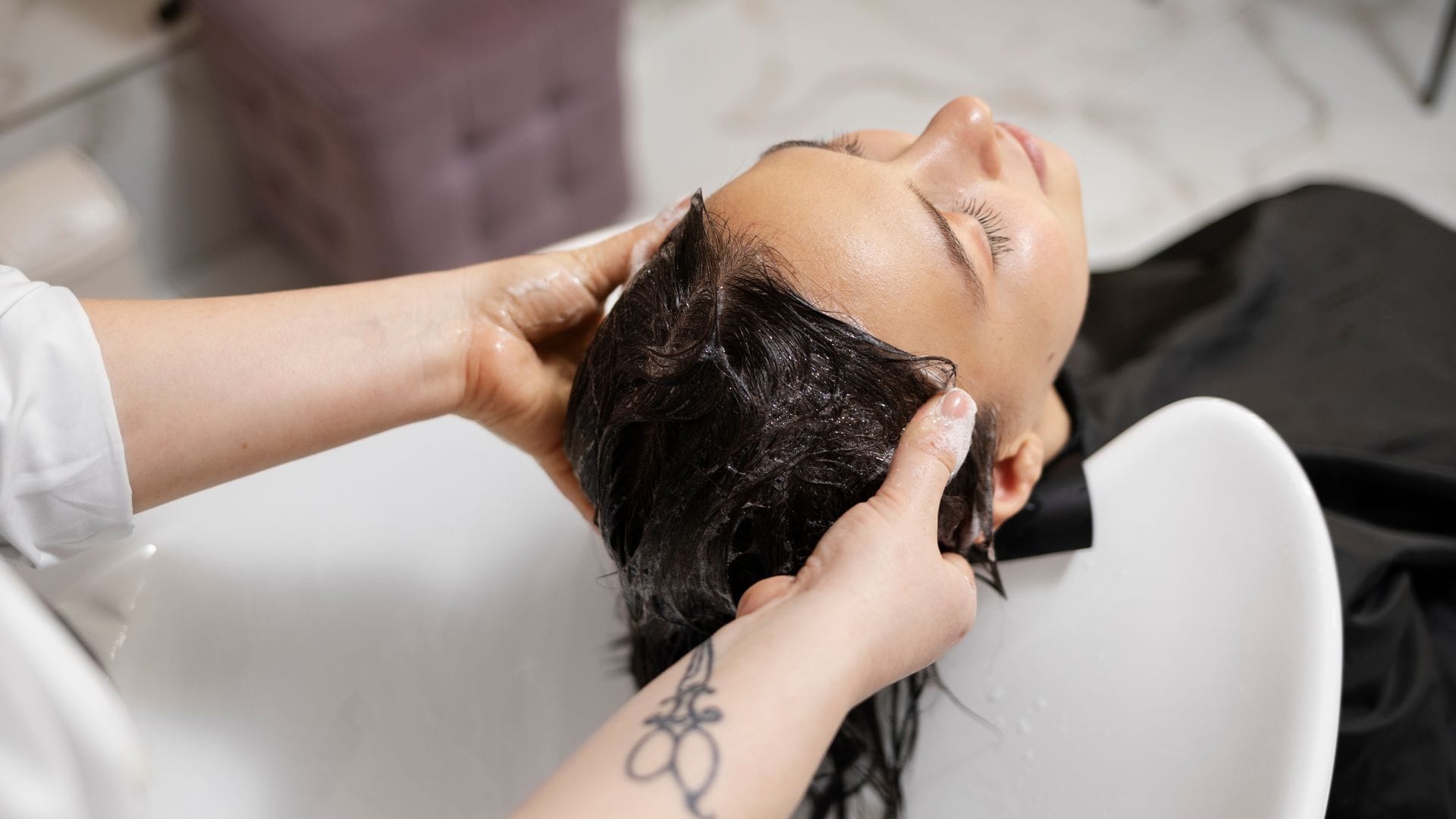
A healthy head of hair always starts with a healthy scalp. The skin beneath the hair does a lot of important work, yet it often gets ignored until a problem shows up. Flakes, itching, oiliness, or thinning hair can all trace back to a scalp that needs more care. The good news is that keeping the scalp in great shape is not hard once the basics are clear. A few simple habits can make a big difference in comfort, hair growth, and overall appearance. This blog shares ten key things to know about scalp health, with easy tips to help keep the skin under the hair clean, balanced, and strong.
1. The Scalp Is Skin and Needs Care
The scalp is skin, just like the skin on the face or hands, and it deserves the same level of attention. It has pores, oil glands, and thousands of hair follicles all working together. When this skin stays healthy, hair grows strong and looks full. When it gets neglected, problems like dryness, buildup, and irritation start to appear. Treating the scalp as an important part of overall skin care is the first step toward better hair.
Many people focus only on the hair itself and forget the surface it grows from. Yet the roots of every strand sit inside the scalp, so its condition shapes how hair looks and feels. A clean, balanced scalp creates the perfect base for healthy growth. Simple daily habits, like gentle washing and avoiding harsh products, go a long way. Once the scalp gets the care it needs, the hair above it usually follows with better shine, strength, and fullness.
2. Washing Frequency Really Matters
How often the scalp gets washed has a huge effect on its health. Washing too much can strip away natural oils, leaving the scalp dry, tight, and flaky. Washing too little lets oil, sweat, and dead skin build up, which can clog follicles and cause itching. Most people do best with a wash every two or three days, though the right schedule depends on hair type, activity level, and skin needs.
Finding the right balance keeps the scalp comfortable and clean. Using a gentle, sulfate-free shampoo helps clean without being harsh, and lukewarm water is kinder than hot water. It also helps to time washes around big grooming days, such as before a fresh haircut, so the scalp and hair look their best. Rinsing thoroughly is just as important, since leftover product can irritate the skin. A smart washing routine protects the scalp’s natural balance and sets the stage for stronger, healthier hair over time.
3. Dryness and Flakes Have Many Causes
A dry, flaky scalp is one of the most common complaints, and it can come from several sources. Cold weather, hot showers, harsh shampoos, and even stress can all dry out the skin. Sometimes flakes are simple dryness, while other times they point to dandruff, which is linked to a common yeast on the skin. Knowing the cause helps in choosing the right fix instead of guessing.
For plain dryness, adding moisture is usually the answer. A hydrating shampoo, a lighter washing schedule, and cooler water can calm the skin quickly. For dandruff, a medicated shampoo with active ingredients often works well when used a few times a week. Gentle exfoliation once a week also lifts away loose flakes and buildup. If flaking stays bad or comes with heavy redness, seeing a skin doctor is a smart move. Treating the true cause keeps the scalp calm and comfortable for the long run.
4. Oil Balance Keeps the Scalp Healthy
The scalp produces natural oil called sebum, and this oil plays a key role in keeping the skin and hair healthy. In the right amount, sebum protects the scalp, locks in moisture, and gives hair a natural shine. Too much oil makes hair look greasy and can clog pores, while too little leaves the scalp dry and itchy. Keeping this balance is one of the biggest keys to a healthy scalp.
Several habits help control oil without going too far. Washing on a steady schedule keeps buildup in check, and avoiding heavy, greasy products stops pores from clogging. It also helps to keep hands away from the hair, since touching spreads oil around. Interestingly, the same care ideas apply to facial hair, since good Beard Conditioning also relies on balancing moisture and oil for soft, healthy results. When the scalp holds a steady oil balance, hair looks fresh longer and the skin underneath stays calm and comfortable.
5. Diet and Hydration Feed the Scalp
What goes on the plate shows up on the scalp. Hair and skin need a steady supply of nutrients to stay strong and healthy. Protein builds hair, while vitamins and minerals like iron, zinc, and biotin support growth and repair. A diet full of fruits, vegetables, lean proteins, and healthy fats gives the scalp the fuel it needs. Poor eating habits, on the other hand, can lead to dull hair and a tired scalp.
Water matters just as much as food. Staying well hydrated keeps the skin, including the scalp, from drying out and flaking. Omega-3 fatty acids found in fish, nuts, and seeds help keep the scalp soft and reduce inflammation. Cutting back on too much sugar and junk food also helps, since these can trigger oiliness and irritation. Feeding the body well is one of the simplest ways to support the scalp from the inside out, leading to stronger roots and healthier hair.
6. Product Buildup Can Clog Follicles
Styling products are great for shaping hair, but they can quietly harm the scalp over time. Gels, waxes, sprays, and dry shampoos leave behind residue that sticks to the skin. When this buildup mixes with oil and dead skin, it can clog the follicles and slow healthy growth. A clogged scalp may also feel itchy, look dull, and become more prone to flaking and irritation.
Keeping buildup under control is simple with a few habits. Using a clarifying shampoo once a week deep cleans the scalp and clears away stubborn residue. Applying product to the hair rather than the roots also reduces contact with the skin. This matters even more for people who enjoy Long Hairstyles, since longer hair often needs more product and can trap buildup close to the scalp. Rinsing well after every wash removes leftover residue too. A clean scalp free from heavy buildup gives every follicle room to breathe and grow.
7. Sun and Weather Affect the Scalp
The scalp faces the weather every single day, and that exposure takes a toll. Strong sun can burn the skin on the scalp, especially where hair is thin or parted. Sunburn on the scalp is painful and can lead to peeling and long-term skin damage. Cold, dry air pulls moisture from the skin, while wind and pollution add extra stress. All of these can leave the scalp dry, irritated, or flaky.
Protecting the scalp from the weather is easier than many think. Wearing a hat on sunny days shields the skin and helps prevent burns. Some hair products even include sun protection for the scalp and hair. In cold, dry months, a hydrating routine keeps the skin from cracking and flaking. Rinsing away sweat and dirt after being outdoors also keeps pores clear. A little weather awareness goes a long way toward keeping the scalp calm, comfortable, and healthy through every season of the year.
8. Massage Boosts Circulation
A simple scalp massage does more than feel relaxing. Gently rubbing the scalp with the fingertips boosts blood flow to the area, which brings more oxygen and nutrients to the hair follicles. Better circulation can support healthy growth and help the scalp stay strong. Massage also helps loosen buildup and spread natural oils evenly, keeping the skin balanced and comfortable.
Adding massage to a routine is quick and easy. A few minutes during each wash, using small circular motions, is enough to make a difference. Some people use a soft scalp brush to make the massage even more effective. It also helps to relax and lower stress, since stress can affect the scalp too. Anyone booking a service by searching for a haircut near me can even ask about scalp treatments that include massage for extra care. This small habit is a gentle, pleasant way to support both scalp health and healthier hair growth.
9. Stress Shows Up on the Scalp
Stress affects the whole body, and the scalp is no exception. High stress can throw off the balance of oil on the scalp, leading to greasy roots or dry, flaky skin. It can also trigger conditions like dandruff or make existing scalp problems worse. In some cases, ongoing stress is even linked to hair shedding, where more strands than usual fall out over a period of weeks.
Managing stress helps protect both the scalp and the hair. Regular exercise, good sleep, and simple relaxation habits all lower stress levels and support healthier skin. Taking time to unwind, even for a few minutes each day, can calm the body and ease tension. A gentle scalp care routine can also feel soothing and become part of a relaxing wind-down. When stress stays under control, the scalp is far more likely to stay balanced, comfortable, and healthy, which shows in fuller, stronger-looking hair.
10. Warning Signs Should Not Be Ignored
Most scalp issues are minor and easy to fix, but some signs call for closer attention. Constant itching, heavy flaking, redness, sores, or bald patches are not normal and should not be brushed off. Sudden or heavy hair loss is another signal worth taking seriously. These symptoms can point to skin conditions, infections, or other health issues that need proper treatment rather than guesswork.
Paying attention to changes helps catch problems early. If a scalp issue does not improve with basic care after a few weeks, seeing a doctor or skin specialist is the smart choice. A professional can find the true cause and suggest the right treatment, whether that is a special shampoo, medication, or a change in routine. Listening to the scalp and acting on warning signs protects both the skin and the hair. Early care almost always leads to easier fixes and better long-term results.
Final Thoughts
A healthy scalp is the foundation of healthy, good-looking hair, yet it often gets overlooked until trouble appears. The ten points covered here show that caring for the scalp does not have to be complicated. Simple habits like washing on the right schedule, eating well, staying hydrated, protecting the skin from the weather, and managing stress all add up to a calmer, stronger scalp. Gentle massage and regular cleaning keep the follicles clear, while paying attention to warning signs helps catch problems early. Start with just one or two changes, then build from there as they become part of a normal routine. With a little steady care, the scalp stays balanced and comfortable, and the hair above it looks fuller, shinier, and healthier every single day.