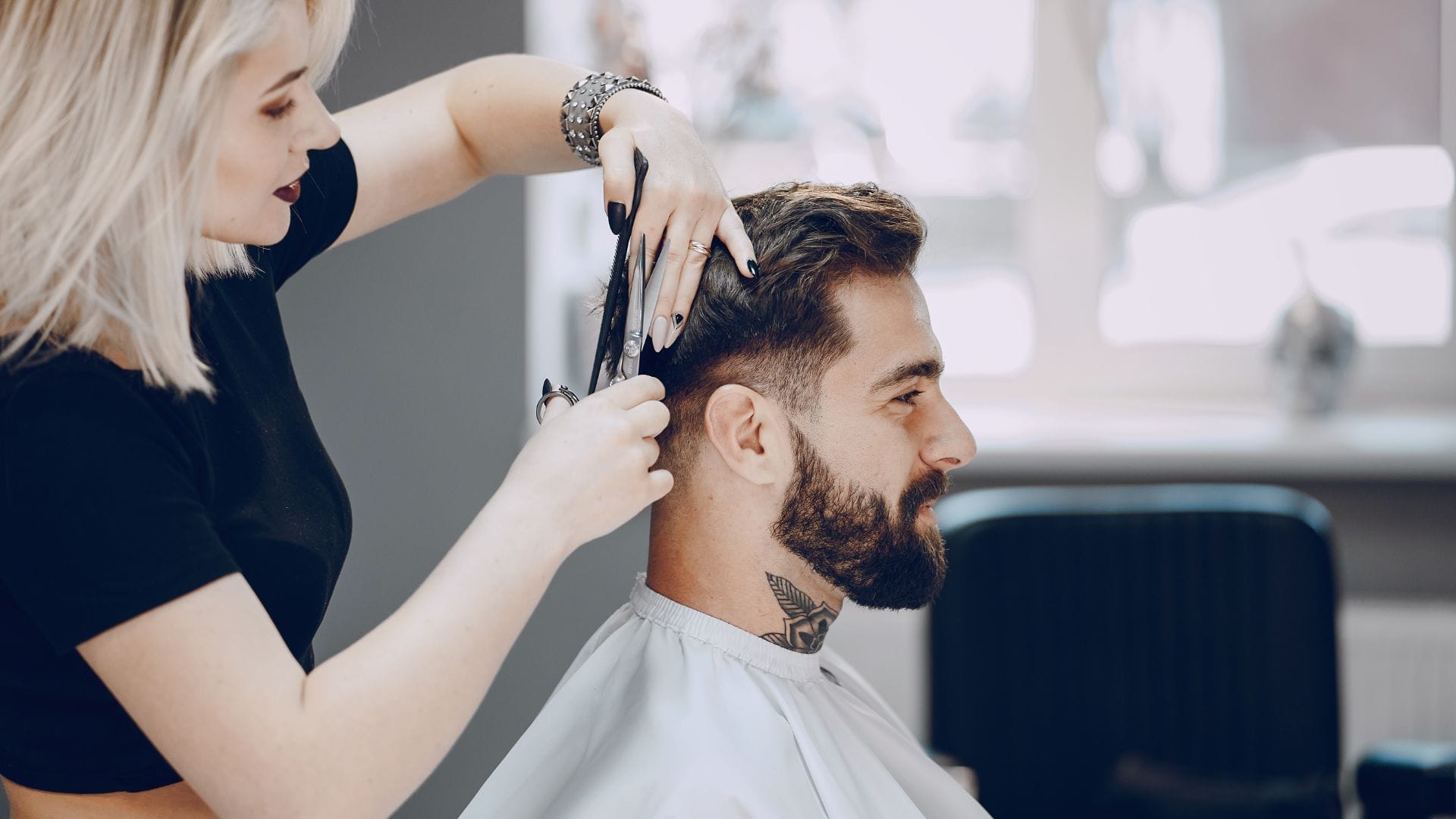
A clean line-up can change the whole look of a haircut. Sharp edges around the hairline, temples, sideburns, and beard make a style look fresh, neat, and well cared for. Many people notice the final result, but few think about the tools that help create those perfect lines. The truth is that a great line-up is not based on skill alone. It also depends on using the right tools in the right way.
Each tool has a specific job. Some tools shape the outline, some help with detail work, and others prepare the hair and skin before the cut begins. Knowing what these tools do can help anyone understand why a professional finish looks so much better than a rushed trim at home. Below are 10 important tools that make a sharp line-up possible.
1. Professional Trimmers Create the Main Outline
Professional trimmers are one of the most important tools used for a clean line-up. These machines are made for close cutting and sharp detail work. Unlike regular clippers, trimmers are designed to work around the front hairline, temples, neckline, and beard edges with more control. Their narrow blade shape helps create straight lines and tight corners that look smooth and even. A perfect line-up usually starts with trimmers because they remove small hairs without taking off too much bulk.
The quality of the trimmer matters a lot. A strong motor, sharp blade, and steady grip all help produce a cleaner result. Good trimmers also reduce pulling, which makes the experience more comfortable. In skilled hands, this tool can turn an uneven hairline into a crisp frame for the whole face. It is often the first tool that shapes the look people notice right away when a haircut is finished.
2. Straight Razors Bring Extra Sharpness to Every Edge
After the main outline is set, many professionals use a straight razor to make the edges even sharper. This tool cuts very close to the skin and helps clean up tiny hairs that trimmers may leave behind. It is often used around the forehead, sideburns, beard, and neck to give the line-up a smooth and polished finish. This step can make the difference between a haircut that looks good and one that looks truly precise. A skilled barber knows how to use light pressure and careful angles to keep the lines sharp without irritating the skin.
Straight razors also help define shapes that need extra detail. This is especially useful for beard work and tight corners around the temples. The blade must be fresh, clean, and handled with care for the best result. A dull razor can cause dragging and redness, which is why proper blade care matters so much. When used correctly, this tool adds a professional finish that stands out right away and gives the entire haircut a cleaner, more finished look.
3. Clippers Help Control Bulk Before the Detail Work Starts
Clippers play a major role before the line-up even begins. While trimmers and razors handle the fine details, clippers remove bulk and shape the haircut so the edges stand out better. If the sides, back, or top are too heavy, the final outline will not look as clean. Clippers help create structure first, which makes the line-up more balanced and easier to see. They are also used to blend the haircut so the sharp edges do not look disconnected from the rest of the style.
Different guards and blade settings allow for different lengths and levels of blending. This gives the haircut a smoother look before the detail tools come in. Clippers are especially important in fades, tapers, and beard blending. Without this foundation, the final line-up can look too harsh or uneven. Even though clippers are not the last tool used, they are one of the most important parts of getting the final shape right and making the haircut look complete from every angle.
4. Spray Bottles and Moisture Prep the Hair for Better Control
A spray bottle may seem simple, but it is very useful during a haircut and line-up. Lightly damp hair is often easier to control, especially when the hairline has loose strands or dry texture that moves too much. A fine mist helps settle the hair so the outline can be seen more clearly. Moisture can also help section the hair and prepare it for combing before trimming begins. This makes the cutting process more accurate and helps reduce mistakes around the front and sides.
Preparation matters just as much as cutting. In many shops, simple moisture prep works alongside steps like Washing Hair to help create a cleaner surface before shaping the line. Clean hair is easier to part, brush, and trim because oil, product, and dirt do not block the blade. A spray bottle is a small tool, but it supports precision in a big way. When the hair is easier to handle, the finished line-up usually looks straighter, sharper, and more even from one side to the other.
5. Edge Brushes Keep Hair in Place During Precision Work
Edge brushes are small but very helpful tools during a line-up. These brushes sweep away loose hairs and guide short strands into place so the cutting line becomes easier to see. A clean working area is important when shaping around the forehead, temples, and beard. If tiny clipped hairs stay on the skin or sit across the hairline, they can make the edge look uneven. A quick brush clears the area and helps reveal the true shape before more trimming happens.
These brushes are also useful for laying the hair down naturally before making the outline. Some hair types stick up or shift direction, which can make the edge harder to judge. A soft or medium brush smooths the hair into place so the line follows the natural growth pattern. This can prevent pushing the hairline back too far or creating an artificial shape that does not suit the face. It is a simple tool, but it helps make every cut more controlled and every detail more exact.
6. Combs Guide the Shape and Support Clean Symmetry
Combs do much more than detangle hair. During a line-up, they help guide the hair into position and make the shape easier to read. A fine-tooth comb can pull short hair flat so the outline looks more accurate before trimming begins. It can also be used to lift sections, check balance, and compare both sides of the hairline. This matters because a line-up must look even from left to right. If one side sits higher or curves differently, the whole haircut can look off.
Combs also help match the line-up to different face shapes and Hairstyles for Men. A sharp edge on a buzz cut may need a different approach than the edge around curls, waves, or a taper. The comb helps control the hair so the outline works with the full style instead of fighting against it. This tool supports symmetry, smooth movement, and clean sectioning. It may not look flashy, but it gives structure to the entire process and helps keep the final result balanced and professional.
7. Barber Pencils Mark Clean Lines Before the Final Cut
Barber pencils are often used to sketch or enhance the line before the final finish. These pencils can mark the ideal shape across the forehead, beard, or temple area so the outline stays even. This is especially helpful when the natural hairline is uneven or when the client wants a very defined look. The mark gives a visible guide, which helps reduce guessing and makes the cut more controlled. It can also help show how much shaping will happen before any hair is removed.
Some pencils are also used after the cut to make the edge look sharper in photos or under bright lights. A light touch can highlight symmetry and make the haircut appear extra crisp. This is common in detailed grooming work where every line matters. The pencil does not replace cutting skill, but it does support clean planning and visual balance. When used with care, it becomes a helpful tool for shaping the final look and giving the haircut a more polished, camera-ready finish.
8. Mirrors Help Check Angles That the Eye Can Miss
Mirrors are essential for checking the haircut from every angle. A line-up may look straight from the front, but small problems can appear from the side or in reflection. A large front mirror and a hand mirror work together to help spot uneven corners, crooked sideburns, or a neckline that needs more cleaning. This step helps confirm that both sides match and that the haircut looks balanced as a whole. It also gives the client a chance to see the work clearly before the service ends.
Mirrors matter even more when someone is searching for a quality barber near me and wants a clean, exact finish every time. A professional who checks the cut from several views is more likely to catch small flaws before the haircut is done. Reflection helps reveal things the direct eye may miss, especially with sharp edges and tight corners. It is one of the final quality checks in the process. Without it, even good detail work can miss the symmetry that makes a line-up look truly sharp.
9. Neck Dusters Remove Loose Hair for a Clean Finish
A neck duster helps remove loose hair from the neck, face, ears, and shoulders after the cut. This may seem like a small finishing step, but it matters a lot for comfort and presentation. Tiny cut hairs can stick to the skin and make the haircut feel messy even if the line-up itself looks great. A few quick passes with a soft duster clean the area and help reveal the sharp edges more clearly. This also makes the final inspection easier because the shape is not hidden under loose clippings.
A clean finish changes the whole experience. When extra hair is brushed away, the haircut feels fresher and more complete. It also helps prevent itching after the service. In line-up work, clean skin around the hairline and neckline makes the edge stand out better. The duster supports that final polished look that people expect from a professional haircut. It is not a cutting tool, but it plays an important role in how the finished style looks and feels at the end of the appointment.
10. Blade Care Products Keep Every Tool Sharp and Safe
Even the best tools will not perform well without proper care. Blade sprays, lubricants, disinfectants, and cleaning brushes help keep trimmers, clippers, and razors working at their best. Sharp blades cut more smoothly, create cleaner lines, and reduce skin irritation. Dirty or dry blades can drag, pull, and cause an uneven finish. That is why maintenance products are just as important as the cutting tools themselves. They protect performance and make sure each tool stays ready for precision work.
Clean tools also support hygiene, which is a major part of professional grooming. Disinfecting products reduce buildup and help keep each service safer and more comfortable. Oiling the blades lowers friction and extends tool life, while cleaning brushes remove hair that can block performance. These maintenance habits may happen in the background, but they directly affect the final result. A perfect line-up depends not only on technique, but also on tools that are clean, sharp, and ready to perform every time.
Conclusion
A perfect line-up comes from more than a steady hand. It depends on a full set of tools that each serve a clear purpose, from shaping bulk and marking edges to cleaning skin and checking balance. Trimmers, razors, clippers, combs, brushes, mirrors, and maintenance products all work together to create a sharp final look. When each tool is used well, the result is cleaner, neater, and more professional. For the best results, pay attention not just to the haircut itself, but to the tools and care behind every detail.