
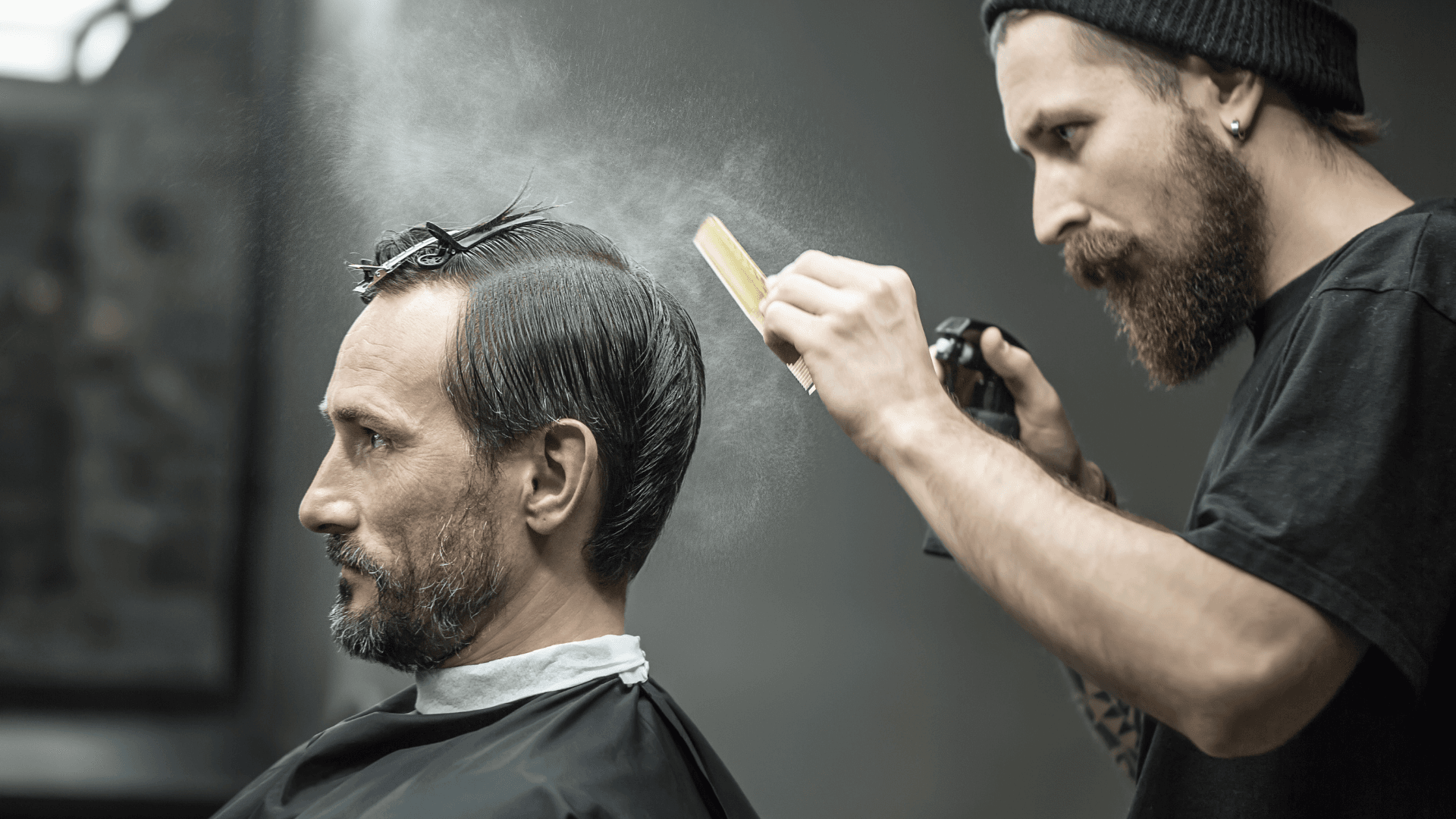
Finding a great barber is like finding a trusted mechanic or a favorite coffee shop—once you find the right one, you stick with them for life. A haircut is more than just a routine chore; it is a statement of personal style, a boost of confidence, and a form of self-care. The person wielding the clippers and scissors has a significant impact on how you look and, consequently, how you feel. A bad haircut can ruin your week, while a great one can make you feel ready to take on the world. But what separates an average barber from a truly great one?
The answer goes far beyond simple technical skill. While the ability to execute a clean fade is essential, the best barbers possess a combination of artistic vision, communication skills, and professionalism that transforms a simple service into a valued experience. They are consultants, craftsmen, and confidants all rolled into one. Identifying these key traits can help you choose a barber who not only meets your expectations but consistently exceeds them. This guide explores ten essential qualities to look for when you are searching for the right professional to trust with your hair.
1. Exceptional Technical Skill
The most fundamental quality of any great barber is their mastery of the craft. This technical proficiency is the foundation upon which everything else is built. A skilled barber possesses a deep understanding of different hair types, textures, and growth patterns. They know how to handle coarse, curly hair just as adeptly as fine, straight hair. Their hands are steady, and their movements are confident, whether they are using clippers for a precision fade, shears for a textured crop, or a straight razor for a clean neckline. They can create seamless blends, sharp lines, and balanced shapes that look good from every angle.
This expertise is not something that can be learned overnight; it is the result of extensive training, practice, and a commitment to continuous learning. A great barber is always honing their skills, staying up-to-date with new tools and techniques. You can often gauge their skill level by observing their work on other clients or by looking at their portfolio. The final result should be a haircut that not only looks great when you leave the chair but also grows out well, maintaining its shape for weeks. Without this core competence, no amount of good conversation or shop ambiance can make up for a subpar cut.
2. Strong Communication and Listening Skills
A barber can be a technical wizard, but if they cannot understand what you want, their skills are useless. This is why strong communication is a non-negotiable trait. A great barber is an active listener. They do not just nod along while you speak; they ask clarifying questions to ensure they have a precise understanding of your desired look. They might ask about your lifestyle, your job, and how much time you are willing to spend styling your hair each day. This information helps them recommend a haircut that is not only stylish but also practical for your daily life. They listen with both their ears and their eyes, paying attention to your verbal cues and your body language.
Equally important is their ability to communicate their own thoughts and suggestions clearly. If a client’s request is unrealistic for their hair type or face shape, a great barber will explain why and offer alternative solutions. They act as a consultant, guiding you toward a style that will flatter you most. They can translate vague ideas like “shorter on the sides, longer on top” into a concrete plan. This dialogue builds trust and ensures there are no surprises at the end of the cut. When a barber takes the time to have a thorough consultation before the clippers even turn on, it is a clear sign that you are in capable hands.
3. Attention to Detail
The difference between a good haircut and a great one often lies in the small details. A top-tier barber is meticulous, treating every cut as a work of art. They are obsessed with precision. This trait is visible in every step of their process, from ensuring the initial sections are perfectly parted to making the final, minuscule adjustments that bring the whole look together. They check their work from multiple angles, use mirrors to show you the back, and ensure both sideburns are perfectly symmetrical. It is the little things, like cleaning up stray hairs on the neck and around the ears with a straight razor, that elevate the service from a simple trim to a complete grooming experience.
This attention to detail extends to their workspace as well. A great barber maintains a clean and organized station. Their tools are sanitized between clients, the floor is swept clean of hair, and their capes are fresh. This not only speaks to their professionalism and respect for hygiene but also reflects a mindset of order and precision that carries over into their work. When a barber cares about the small details, it shows they take pride in their craft and have immense respect for their clients. It is this commitment to flawlessness that defines a true master.
4. Adaptability and Versatility
Hair trends are constantly evolving, and a great barber needs to be able to adapt. While it is important to master classic cuts, a versatile barber can also execute contemporary styles with confidence. They are not a one-trick pony who only knows how to do a high-and-tight. They should be comfortable working with various lengths, from long, flowing layers to sharp, modern crops. This versatility allows them to serve a diverse clientele with different tastes and needs. They are willing to step outside their comfort zone and try new things, always with the goal of giving the client the best possible result.
Adaptability also applies to their ability to work with different clients. They can adjust their approach based on the person in the chair. With a client who knows exactly what they want, they can be a precise executor. With someone who is unsure, they can become a creative consultant, helping to brainstorm Perfect Hairdos that match the client’s personality and features. This flexibility ensures that every client receives a personalized experience. A barber who is stuck in their ways and unwilling to learn new styles will quickly become obsolete in a fast-changing industry. A great one is a lifelong learner.
5. Honesty and Professionalism
Trust is the cornerstone of the barber-client relationship, and that trust is built on a foundation of honesty and professionalism. A great barber will give you their honest, expert opinion, even if it is not what you want to hear. If you bring in a photo of a hairstyle that simply will not work with your hair’s texture or your face shape, they will tell you. They will explain the reasons why and suggest more suitable alternatives, rather than just taking your money and leaving you with a disappointing result. This honesty shows that they value your long-term satisfaction over a single transaction.
Professionalism encompasses their entire demeanor. It means showing up on time for appointments, managing their schedule effectively, and communicating clearly about their pricing and services. It is about creating a respectful and comfortable environment for every client, regardless of their background. A professional barber refrains from inappropriate gossip and maintains a positive attitude. They dress neatly and present themselves in a way that inspires confidence. This overall conduct assures you that you are dealing with a serious craftsperson who values their business and their clients.
6. A Sense of Style and Creativity
Barbering is a technical trade, but it is also an art form. The best barbers have a strong aesthetic sense and a creative eye. They understand the principles of balance, proportion, and shape, and they know how to apply them to hair. They can look at a client’s face shape, head shape, and features and instinctively know what will look best. This artistic vision allows them to create Hairstyles that are not just technically correct but also genuinely flattering and stylish. They can tailor a popular trend to an individual, giving it a unique twist that makes it feel personal.
This creativity is what allows them to solve problems on the fly. They can work with challenging features like cowlicks or a receding hairline, using their skills to camouflage imperfections and highlight a client’s best attributes. A creative barber does not just replicate a haircut from a photo; they interpret it. They add their own touch, suggesting subtle changes that can elevate the look from ordinary to extraordinary. This artistic sensibility is what separates a technician from a true stylist and is a key ingredient in consistently delivering exceptional results.
7. Patience and Composure
A barbershop can be a busy, high-pressure environment, but a great barber always maintains a calm and patient demeanor. They never rush a haircut, even if their schedule is packed. They understand that quality work takes time and that each client deserves their full, undivided attention. This patience is especially important when working with indecisive clients or performing complex, time-consuming cuts. They remain composed and focused, ensuring that the quality of their work does not suffer under pressure. Their calmness is reassuring to the client, creating a relaxed and enjoyable experience.
This composure is also critical when things do not go perfectly. If a client is unhappy with a part of the cut, a great barber does not get defensive. They listen to the feedback calmly, apologize if necessary, and work patiently to correct the issue until the client is satisfied. They see a complaint not as an insult, but as an opportunity to make things right. This ability to handle challenging situations with grace and professionalism is a hallmark of a seasoned expert who is confident in their abilities and committed to client satisfaction.
8. Good Conversational Skills
The role of a barber often extends beyond hairstyling to that of a community hub and an informal therapist. A great barber is a skilled conversationalist. They have the ability to connect with people from all walks of life, making them feel welcome and at ease in the chair. They know how to read a room and can tell when a client wants to chat and when they prefer to sit in comfortable silence. They can talk about a wide range of topics, from sports and current events to more personal matters, all while maintaining a respectful and engaging tone. Searching for a “haircut near me” can lead you to not just a great cut, but a great conversation.
This social skill is what builds loyalty and turns a one-time customer into a long-term regular. People return to a barber not just for the quality of the cut, but for the quality of the connection. The barbershop becomes a place where they can unwind, talk freely, and leave feeling better both physically and mentally. A barber who can remember details about your life, ask about your family, and share a good story creates an experience that a discount chain simply cannot replicate. This “chair-side manner” is an invaluable trait that fosters a strong sense of community within the shop.
9. Cleanliness and Hygiene
In a profession that involves sharp tools and close personal contact, cleanliness is not just a preference—it is an absolute necessity. A great barber adheres to the highest standards of hygiene. Their station should be spotless, with no hair clippings from the previous client in sight. All tools, including combs, clippers, guards, and shears, must be properly sanitized before each use. You should see them using disinfectant sprays or a UV sterilizer. The cape should be clean, and a fresh neck strip should be used for every client to prevent the cape from touching the skin.
This commitment to hygiene protects the health and safety of every person who sits in their chair. It prevents the spread of skin infections, lice, and other contagious conditions. A barber who is lazy about cleaning is likely cutting corners in other areas as well. Pay close attention to these practices when you first visit a shop. A clean and sanitary environment is a clear indicator of a professional who takes their responsibilities seriously and has a deep respect for both their craft and their clientele. Never compromise on hygiene.
10. Passion for the Craft
Ultimately, what elevates a barber from good to great is a genuine passion for what they do. You can see it in their enthusiasm for their work, their excitement about learning a new technique, and the pride they take in a finished haircut. They do not see their job as just a way to make a living; they see it as their craft and a form of self-expression. This passion is contagious and translates into a better experience for the client. A barber who loves their job is more likely to go the extra mile to ensure you are happy with your cut.
This passion drives them to stay current, invest in high-quality tools, and continually strive for excellence. They are often active in the barbering community, attending trade shows, participating in competitions, or mentoring younger barbers. They are genuinely excited to talk about hair and to help you find a style that makes you feel great. When you find a barber who is truly passionate about their work, you know you have found someone who will consistently provide an exceptional level of service because they are driven by a love for the craft itself.
Conclusion
A haircut is an investment in your personal appearance and confidence, and the barber you choose is your most important partner in that investment. Look beyond the convenience of the closest shop and seek out a professional who embodies these ten essential traits. A great barber combines technical mastery with artistic vision, excellent communication with unwavering professionalism, and a passion for their craft with a meticulous attention to detail.
Finding such a professional may take some trial and error, but the search is well worth it. When you find a barber who understands you and your hair, you are not just getting a service; you are building a relationship based on trust and mutual respect. This partnership ensures that you will leave the chair looking and feeling your best after every single visit.