The Roaring Twenties were a time of bold fashion and even bolder hairstyles. It was an era that celebrated sleek lines, dramatic volume, and undeniable confidence. Today, these classic looks are stepping back into the spotlight, offering a timeless charm for the modern man. This blog explores eleven dapper 1920s hairstyles that are making a major comeback.
1. The Undercut: Sharp and Defined
Perhaps the most iconic hairstyle from the 1920s, the undercut is a true testament to timeless style. It features dramatically short or shaved back and sides, which creates a striking contrast with the longer, heavier top. This structured and precise look became synonymous with elegance and was often paired with perfectly tailored suits of the era. The sharp lines of the undercut emphasize facial structure and exude a sense of confidence, making it an ideal choice for any sharp-dressed man.
The modern revival of this hairstyle stays true to its classic roots but incorporates updated elements. Today, the undercut often allows for more texture and movement on top, providing contemporary versatility. For instance, the longer top can be styled into a pompadour, a messy textured look, or even swept back for a relaxed vibe. With the right styling products, such as matte clays or light pomades, men can adjust the look to suit their personal taste or occasion.
This hairstyle works across all hair types, whether straight, wavy, or even curly. The clean-shaven sides emphasize the contrast, while the longer top offers a canvas for creative styling. When executed by a skilled barber, like those at Barbershop in New York, the undercut becomes a flawless combination of vintage charm and modern sophistication.
2. The Slicked-Back Look: Pure Sophistication
If one hairstyle could epitomize 1920s sophistication, it would have to be the slicked-back look. Characterized by its glossy and polished appearance, this style involves combing the hair straight back from the hairline. Achieved using pomade or brilliantine, the focus is on creating a smooth, shiny surface that holds the hair firmly in place.
The slicked-back look became a signature choice for gentlemen of the Roaring Twenties because of its clean and refined aesthetic. It was a style that projected power, composure, and self-assurance. Typically, men with naturally straight hair found it easy to adopt, as the sleek texture added to the overall effect. For added shine, many opted for oil-based grooming products, which gave a highly reflective finish that caught the light beautifully.
Adapting this classic style for today brings new opportunities to cater to varied preferences. Men who prefer a touch of tradition can stick to the authentic shorter sides and tightly combed-back top. Meanwhile, those desiring a more dramatic look may choose to keep significant length on top, making it possible to add layers, volume, or even tapering for a modern edge. Whether going for a vintage or contemporary approach, the slicked-back style works exceptionally well for formal occasions or as a daily show of polished confidence.
For gentlemen looking to achieve this long haircut in New York, Barbershop offers expert services tailored to individual hair types and lengths. The barber’s skill in refining edges and applying just the right amount of product ensures that the final result is nothing short of stunning. Whether you’re channeling the elite of the 1920s or elevating it for the modern era, the slicked-back look remains a timeless symbol of sophistication.
3. The Side Part: A Timeless Classic
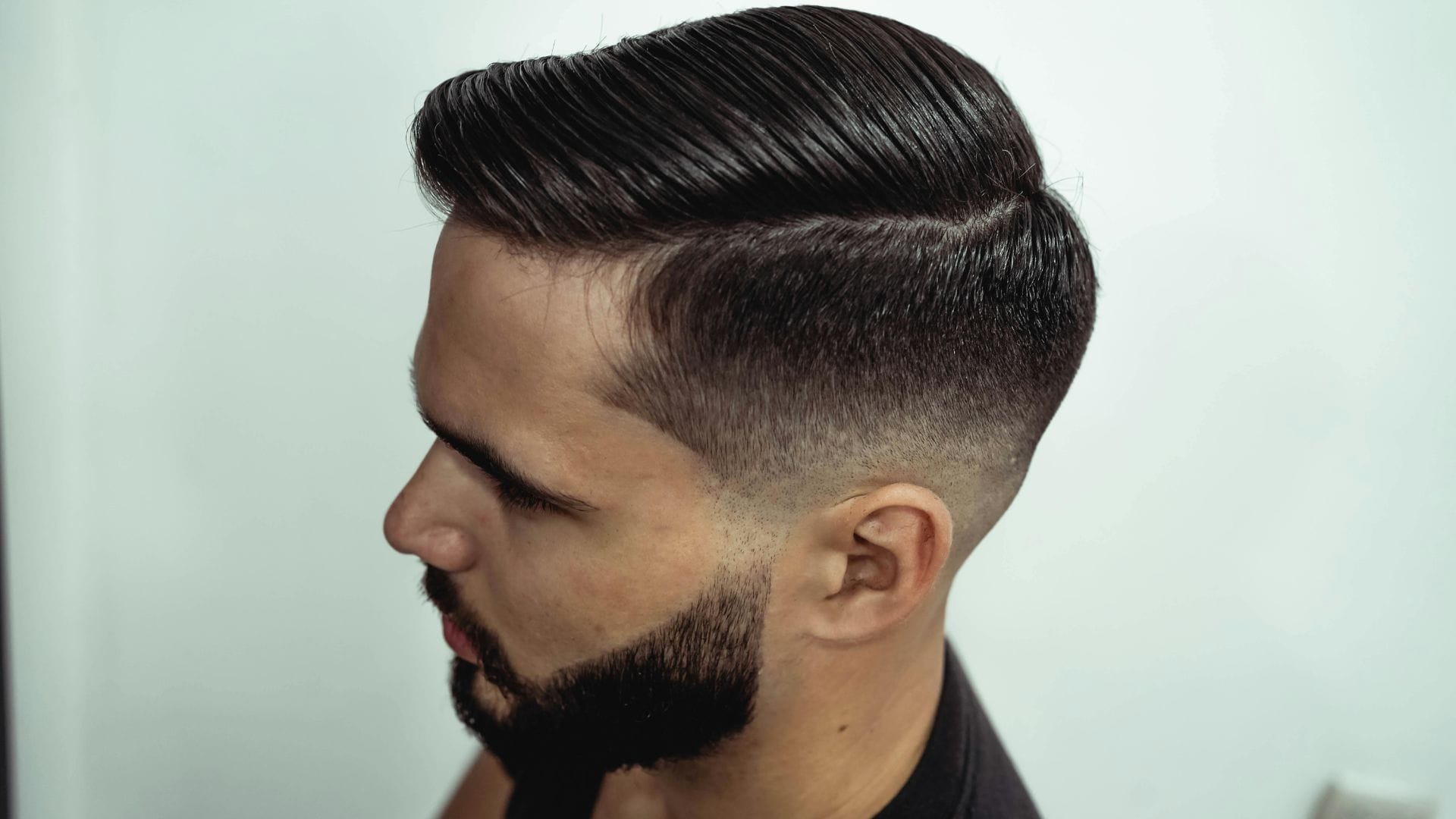
The side part is one of the quintessential hairstyles that defined men’s grooming in the 1920s. A symbol of elegance and professionalism, the side part is exceptionally versatile, flattering a wide range of face shapes and hair types. During this era, the style was all about precision and control, with every strand in its rightful place. Achieving the look required a deep part—often created with a fine-tooth comb and aided by a straight razor for that crisp, defined line.
Hair would then be neatly combed to one side with a slightly slicked finish, achieved using pomade or oil-based products that provided both hold and shine, essential for the polished appearance of the time. This resulted in a clean, sophisticated look suitable for any occasion, from a casual day in the city to refined evening gatherings. Today, the side part remains a staple of classic grooming, but modern interpretations allow for more flexibility in texture and finish. Whether you prefer the controlled slickness reminiscent of the 1920s or a more natural, matte look, the side part’s enduring appeal lies in its effortless ability to exude both confidence and refinement.
4. The Pompadour: Bold and Voluminous
The pompadour of the 1920s made a bold statement with its dramatic height and voluminous silhouette. Unlike its more modern iterations, the classic pompadour of this era was characterized by its carefully sculpted shape and a sleek, glossy finish. Men would achieve this impressive look by brushing their hair up and away from the face, creating a large “puff” at the front that gradually tapered toward the back of the head. The height of the pompadour conveyed confidence, authority, and an undeniable sense of style.
To achieve the perfect pompadour, barbers of the time employed techniques that involved meticulous backcombing and generous use of heavy pomades to lock the shape into place. This style was particularly favored by men who wanted to draw attention, as the dramatic proportions made heads turn wherever they went. Today, the pompadour remains a bold choice for fashion-forward individuals, and modern barbers have refined techniques to create a similar impact with less upkeep. Volumizing products and textured finishes offer a contemporary spin on this classic look, making it an excellent option for achieving a distinguished yet playful style. For men over 50 especially, a pompadour can project a confident and youthful energy, proving that age is no barrier to timeless elegance.
5. The Finger Wave: For the Bold and Artistic
The finger wave, though more commonly associated with women during the 1920s, was also embraced by some of the most fashion-forward men of the decade. This intricate and artistic hairstyle required patience and a steady hand, as it involved crafting a series of perfectly aligned “S”-shaped waves in the hair. These waves were created using fingers and a comb, often with the aid of pomades or setting lotions to hold the undulating shape in place. The result was an undeniably striking and unique look that set its wearer apart as a trendsetter with an appreciation for detail and creativity.
Unlike low-maintenance styles, the finger wave required significant effort to maintain its perfectly placed curves, making it a bold statement of confidence and dedication to one’s appearance. For men, adopting the finger wave as a hairstyle in the 1920s conveyed an avant-garde spirit and a willingness to push the boundaries of traditional grooming norms. While not as commonly seen in today’s styling repertoire, the finger wave remains a fascinating option for those who want to highlight their artistic flair and stand out in any crowd. With modern styling tools and techniques, achieving this intricate look has become more accessible, offering a nod to the past while continuing to make bold impressions in contemporary fashion.
6. The Brush-Up: Textured and Modern
A close relative of the iconic pompadour, the brush-up hairstyle adds a textured and contemporary flair to a classic look. Unlike the formal, sculpted appearance of a traditional pompadour, the brush-up emphasizes a more relaxed, laid-back vibe with gently tousled strands. The hallmark of this style lies in its height and volume, created by brushing the front section of hair upward and away from the face. This lifted effect draws attention to the wearer’s facial features while exuding a sense of confidence and effortless charm.
To achieve the perfect brush-up, preparation is key. The right hair products play a pivotal role in creating and maintaining this dynamic look. Start by using a lightweight mousse or volumizing spray on damp hair to provide lift and texture from the roots. Blow-drying with a round brush or a comb will help amplify the height and direct the hair upwards. For hold and definition, apply a small amount of matte or medium-hold styling wax or pomade. It’s important to focus on the tips of the hair for a slightly disheveled, texturized finish. The result is a style that bridges the gap between vintage elegance and modern versatility, offering plenty of opportunities for individual customization.
The beauty of the brush-up lies in its adaptability. Regardless of whether your hair is naturally straight, wavy, or somewhere in-between, this style can be tailored to suit your preferences. Pair it with a fade or taper on the sides for a clean, blended look, or leave the sides slightly longer for a fuller, more traditional shape. It’s a hairstyle that allows for creativity while remaining polished and professional enough for both formal and casual settings.
For those seeking inspiration with a modern twist, the brush-up provides a fresh take on retro charm. With the right products and techniques, this style ensures your hair remains full of life and height throughout the day, making it a standout choice for anyone drawn to timeless sophistication.
7. The Caesar Cut: Short and Practical
Named after the Roman general Julius Caesar, the Caesar cut is a timeless and functional hairstyle that has proven its lasting appeal over millennia. Known for its simplicity and distinctive fringe, the Caesar cut features horizontally straight bangs cropped close to the forehead, combined with short hair on the sides and back. Its neat and tidy appearance makes it a favorite among men seeking a low-maintenance yet stylish look.
Modern variations of the Caesar cut often incorporate subtle textures and layers to enhance its versatility. Men with straight hair are ideal candidates for this hairstyle, as the smooth strands naturally align to accentuate the classic fringe. However, slightly wavy hair can also adapt well to this style with the help of a good pomade or styling cream.
Achieving the perfect Caesar cut starts with shaping the bangs to their signature horizontal line. This precise trimming requires attention to detail, so visiting a skilled barber is recommended. The sides can be blended into a fade or kept at a uniform length, depending on personal preference. The textured variation of the Caesar offers a more laid-back and slightly modernized look, adding depth to the overall hairstyle without detracting from its signature geometry.
What makes the Caesar cut stand out is its practicality. This no-fuss style requires minimal upkeep and is suitable for any occasion, whether you’re aiming for a polished office look or relaxed weekend vibes. Despite its simplicity, the Caesar carries an undeniable air of authority and classic charm.
8. The Ducktail: A Rebellious Twist
For those who yearn for a touch of rebellion mixed with vintage style, the ducktail haircut—a staple of 1920s grooming—presents a captivating option. Also known as the “duck’s ass” or “DA” style, this look became an emblem of coolness and individuality in an era otherwise marked by polished and pristine grooming practices. It features hair slicked back along the sides, with the back styled into a pointed taper that mimics the shape of a duck’s tail.
Creating the ducktail requires precision and effort, as the signature “V” shape in the back is its defining element. The hairstyle starts by combing the hair towards the center from both sides, using a wide-tooth comb to ensure an even, slicked-back appearance. The back of the hair is tapered inward, forming a ridge down the middle that culminates in the pointed tip resembling a tail feather. To achieve this unique structure, pomades or creams with a high shine and strong hold are essential tools that help lock the style in place.
Although the ducktail may seem intricate, expert barbers—such as those found at an established New York barbershop—can artfully craft the look to perfection. Such professionals often employ a blend of vintage techniques and modern sensibilities, ensuring that you walk away with a hairstyle that reflects the rebellious spirit of the past while resonating with today’s fashion trends.
Despite its associations with edgy, rule-breaking individuals of bygone decades, the ducktail remains a compelling choice for men seeking to make a bold statement. When paired with a clean shave or a neatly trimmed beard, this iconic haircut strikes the perfect balance between retro charm and contemporary sophistication. Whether attending a formal occasion or simply looking to stand out in your daily life, the ducktail offers a daring yet refined option for adventurous style enthusiasts.
9. The Eton Crop: Severely Short
The Eton Crop emerged as a truly groundbreaking hairstyle during its time, making bold strides in challenging traditional standards of femininity. This incredibly short and sleek style broke away from the long tresses that had dominated women’s fashion for centuries. Distinguished by a sharp center part and hair clipped daringly close to the scalp, the Eton Crop was a confident, minimalist look that embodied a rebellious spirit. It represented a shift toward modernity and served as a hallmark of the evolving cultural landscape of the 1920s, where women embraced bolder and more independent identities.
The Eton Crop was particularly popular among avant-garde women who sought to align their appearance with a progressive, almost androgynous aesthetic. It was a striking and radical statement, often paired with dramatic makeup that accentuated the eyes and lips, further enhancing its polished, almost sculptural effect. For those bold enough to adopt this hairstyle, it was not merely a haircut – it was an expression of empowerment.
While it may not suit everyone, the influence of this historic style is undeniable in today’s ultra-short, textured crops. Modern adaptations of the Eton Crop focus on precision, and its practicality remains a key appeal. Contemporary stylists may add subtle fades or experiment with unique textures, offering a range of interpretations while still prioritizing the clean silhouette that first defined its iconic look. Whether reinvented for runway trends or personalized for real life, the enduring spirit of the Eton Crop lies in its ability to communicate strength and confidence, making it a timeless choice for those wanting to push boundaries.
10. The Harvard Clip: The Gentleman’s Cut
Unlike the sharp and edgy appeal of some other vintage hairstyles, the Harvard Clip stood out as a more relaxed and gentlemanly option. Popularized in the collegiate circles of yesteryear, this style achieved a natural sophistication by blending practicality with classic grooming. The haircut involved letting the hair grow slightly longer on top while trimming it into layered sections, ensuring a seamless and even shape. The sides, in contrast, were kept shorter, offering a structured yet understated charm that elevated the overall look.
What set the Harvard Clip apart was its simplicity. Perfect for the well-dressed man, this cut was designed to complement everything from casual academic attire to the polished suits of the working professional. The layers allowed for light movement, giving the style a subtle dynamism, which was a refreshing departure from the stiff and heavily styled looks of the era. Typically worn with a soft side part or brushed-back finish, the Harvard Clip exuded an effortlessly refined aura, embodying the quintessential “collegiate gentleman” aesthetic.
Today, the Harvard Clip has been reimagined to suit modern tastes. Contemporary barbers and hairstylists often tweak this timeless haircut by adding modern techniques like fades or texturized finishes. Its versatility remains a defining feature, making it a popular foundation for numerous updates, from tousled and casual variations to perfectly polished interpretations. The Harvard Clip continues to resonate with those who gravitate toward a clean, approachable, and undeniably classic style.
11. The Fedora Companion: Hat Hair
For men of the 1920s and 1930s, a hat was as essential to their wardrobe as a well-tailored suit. Among the most beloved was the fedora, a distinguished accessory that symbolized sophistication and style. However, this trend presented a unique challenge for hairstyles, as men needed haircuts that would remain neat and presentable even after removing their hats. Enter the concept of “hat hair”—styles strategically designed to work harmoniously with a fedora, ensuring polish and practicality.
The quintessential “hat hair” look revolved around neatly combed hairstyles with a soft side part or slightly tapered top. The goal was to create a style that wouldn’t be disrupted by the hat’s fit, maintaining its shape and structure throughout the day. Men groomed their hair with pomades or oils to achieve a sleek and controlled finish, which kept strands in place while adding a touch of sophistication. Texture also played an important role, with mild waves or slight volume being utilized to enhance the look without creating bulk.
Even though hats are no longer a daily staple, the principles behind hat-friendly hairstyles remain relevant today. Modern versions of “hat hair” emphasize relaxed, low-maintenance looks that still exude style once the hat comes off. For example, a softly textured crop or a classic side-parted haircut offers adaptability, balancing functionality and aesthetic appeal. This timeless approach remains ideal for individuals who prioritize practicality without compromising on elegance, making it a clever nod to the sartorial challenges of the past.
Conclusion
These eleven hairstyles from the 1920s demonstrate that true style is timeless. They offer a blend of sophistication, rebellion, and artistry that continues to inspire barbers and clients today. Whether adapting one of these classic cuts for a modern context or embracing it in its original form, these dapper looks are a fantastic way to add a touch of historic flair to any wardrobe.