
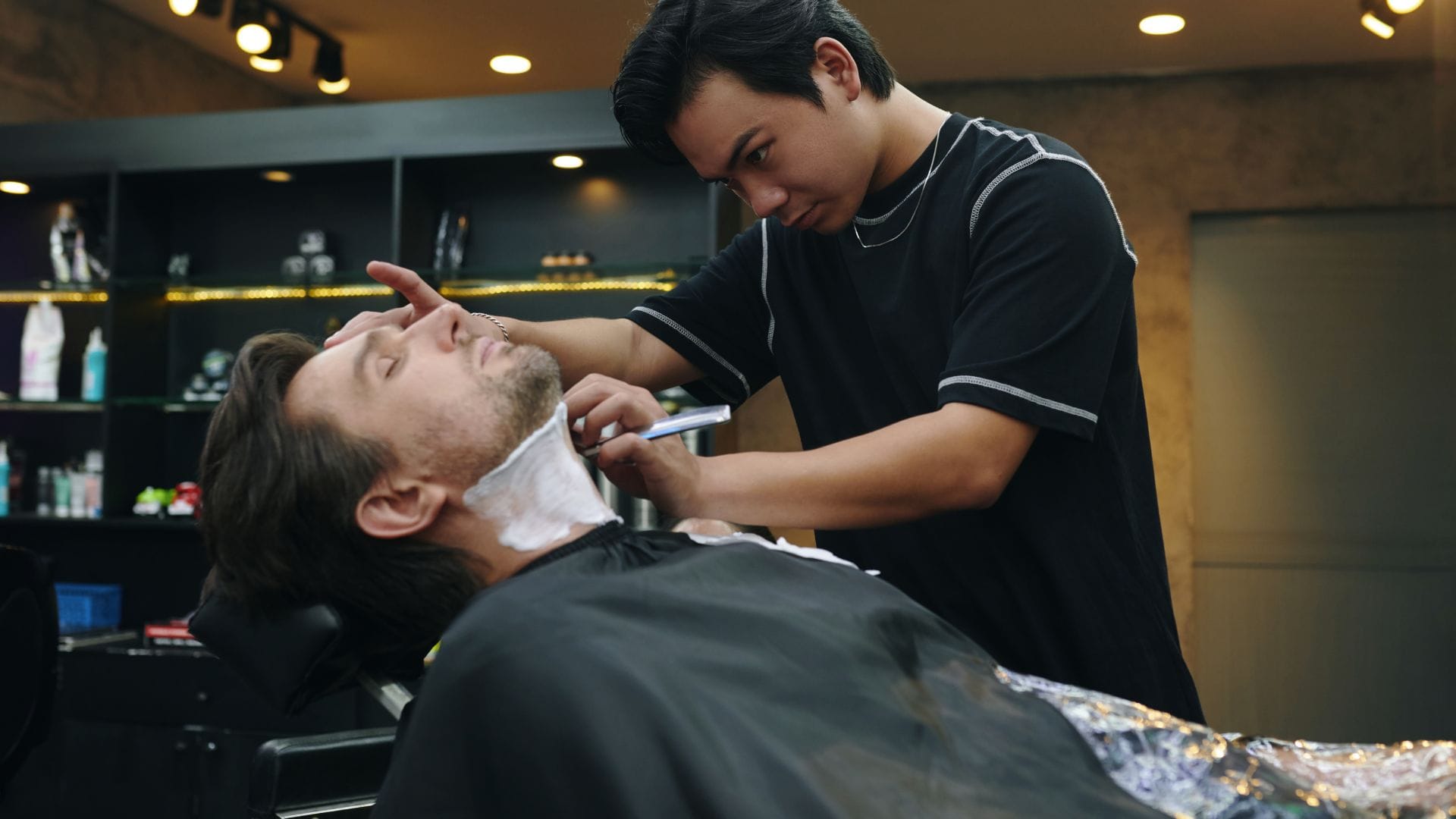
The barbershop is a familiar cornerstone of modern grooming, a place for a fresh cut, a clean shave, and friendly conversation. But the history of this profession is far more complex and surprising than many realize. Barbers have played a central role in societies for thousands of years, holding positions of great respect and performing duties that extended far beyond cutting hair. Their story is woven through ancient civilizations, medieval Europe, and into the professional trade that exists today.
This journey into the past reveals a profession that once blended artistry with medicine, and community leadership with personal grooming. The tools, traditions, and even the iconic barber pole have deep roots in a history filled with unexpected roles and responsibilities. Understanding these facts provides a new appreciation for the person behind the chair and the enduring legacy of barbering. Prepare to uncover eleven surprising facts that showcase the rich and varied history of this ancient craft.
1. Barbers Were Among the First Surgeons
Long before modern medicine, barbers were the go-to practitioners for surgical procedures. In the Middle Ages, they were known as barber-surgeons and were entrusted with a wide range of medical tasks that went far beyond a simple haircut. These included bloodletting, tooth extractions, setting broken bones, and even amputations. At the time, formal physicians often considered surgery to be beneath them, leaving these hands-on procedures to the barbers, who had steady hands and sharp tools.
This dual role was officially recognized for centuries. In many European cities, barber-surgeons formed powerful guilds that regulated their trade and set standards for practice. They were highly respected members of the community, serving as the primary healthcare providers for the general population. It wasn’t until the 18th century that the fields of surgery and barbering began to formally separate, with surgeons undergoing more rigorous academic training and barbers focusing solely on hair and grooming. This split marked a major turning point in the history of both professions.
2. Ancient Barbers Used Oyster Shells and Flint
The desire for a clean shave and a neat haircut is not a modern phenomenon. Evidence suggests that barbering practices date back to the Bronze Age, around 3500 B.C. In ancient cultures, long hair and beards could be a liability, making one easier to grab in a fight or susceptible to lice. Early barbers used rudimentary tools to manage hair, long before scissors or metal razors were invented. Archaeologists have discovered sharpened flint stones, volcanic glass, and oyster shells that were used for cutting and shaving.
In ancient Egypt, barbers were highly esteemed individuals, and priests were often the first to perform these services. A clean-shaven face and head were signs of purity and social status. Tombs of nobles have been found containing elaborate bronze razor sets, indicating the importance of grooming. Visiting a barber was a regular ritual for the wealthy. Even in a modern New York Barbershop, the core service of providing a sharp, clean look connects directly back to these ancient traditions, though thankfully the tools have become much more refined and comfortable.
3. The Barber Pole Represents Blood and Bandages
The iconic red, white, and blue barber pole is one of the most recognizable symbols in the world, but its meaning is rooted in the bloody history of barber-surgeons. The red stripe represents blood, while the white stripe symbolizes the bandages used to stop the bleeding. The pole itself is said to represent the staff that patients would grip tightly during a bloodletting procedure to make their veins bulge and easier to cut. The blue stripe is often believed to be a patriotic addition in the United States, representing the colors of the flag.
In medieval times, barber-surgeons would hang blood-soaked bandages on a pole outside their shops to dry. The wind would twist them around the pole, creating the spiraling pattern seen today. A brass basin at the top of the pole symbolized the container used to catch leeches or collect blood, while the one at the bottom represented the basin that caught the blood. This powerful symbol served as a clear advertisement for the medical services offered within, a far cry from the simple haircut promotions of today.
4. Barbers Were Once Dentists
In addition to surgery, barber-surgeons were also the primary dentists for centuries. If someone had a toothache, the local barber was the person to see for an extraction. Using crude pliers-like instruments called “dental pelicans” or “keys,” they would pull troublesome teeth, often without any form of anesthetic. This practice was common from the Middle Ages all the way up to the 18th and 19th centuries, when dentistry began to emerge as a separate, specialized field of medicine.
The barber’s shop was a one-stop destination for many of the common person’s physical ailments. Patrons could get a shave, a haircut, and a painful tooth pulled all in the same visit. While today people seek Low-Maintenance Haircuts to simplify their lives, a trip to the barber in the past could be a much more involved and intense experience. The separation of dentistry from barbering was a crucial step in the development of modern oral healthcare, leading to safer and more effective treatments for dental problems.
5. Barbering Was Declared a Profession by a King
The formal recognition of barbering as a profession has royal roots. In 1308, the Worshipful Company of Barbers was founded in London, one of the city’s first trade guilds. However, the dual role of barbers and surgeons often caused friction. In 1462, King Edward IV of England granted a charter to the Barbers’ Company, officially recognizing them as a profession and giving them the authority to oversee surgical practices in London. This charter was a significant step in establishing standards and regulations for the trade.
Later, in 1540, King Henry VIII merged the Company of Barbers with the Guild of Surgeons to form the United Barber Surgeons Company. An Act of Parliament stipulated that barbers were restricted to dentistry and haircutting, while surgeons were to focus on more invasive procedures, though the lines remained blurry for some time. This royal endorsement elevated the status of barbers and solidified their important place in society, laying the groundwork for the professional organizations that govern the trade today.
6. Barbershops Were Important Social Hubs
From ancient Rome to the modern day, barbershops have always served as more than just a place for a haircut. They have been vital community centers where people gather to socialize, discuss politics, and exchange news. In ancient Greece, barbershops were popular forums for debates on philosophy, business, and current events, almost like a public lounge. The time spent waiting for and receiving a haircut was an opportunity to connect with neighbors and stay informed.
This tradition has continued through the centuries. In the 19th and 20th centuries, the barbershop became a cornerstone of many communities, particularly for African American men, where it was a safe space for open discussion and organizing. Today, despite the rise of digital communication, the barbershop remains a place of personal connection. The wide range of Grooming Services offered now, from hot towel shaves to facials, enhances this experience, turning a simple errand into a ritual of relaxation and camaraderie.
7. A Barber Invented the First Practical Hair Clippers
The electric clippers that are a staple of every modern barbershop were invented by a man named Leo J. Wahl. In the early 20th century, Wahl was a high school student experimenting with a vibrating electromagnetic motor. He created a vibrating medical massager for his uncle, who began selling them to barbershops. Wahl noticed that barbers could use this technology for their hair-cutting tools. In 1919, he took over his uncle’s manufacturing business and began focusing on developing and selling his new invention: the electric hair clipper.
Before Wahl’s invention, barbers relied on manual clippers, which were essentially two-handled scissors that were difficult to use and provided inconsistent results. The electric clipper revolutionized the industry, making it possible to cut hair quickly, evenly, and with greater precision. This innovation allowed for the creation of new, shorter hairstyles and fades that were previously very time-consuming to achieve. It democratized sharp haircuts, making them more accessible and affordable for everyone.
8. St. Martin de Porres is the Patron Saint of Barbers
Many professions have a patron saint, and for barbers, it is St. Martin de Porres. Born in Lima, Peru, in 1579, he was the illegitimate son of a Spanish nobleman and a freed Panamanian woman of African descent. Facing significant prejudice due to his mixed race, he was accepted into a Dominican monastery as a volunteer and eventually became a lay brother. He was trained in the medical arts and served as the monastery’s barber-surgeon, caring for the sick in the infirmary.
St. Martin de Porres was known for his incredible compassion, humility, and dedication to helping the poor and sick, regardless of their background. He established an orphanage and hospital and was said to have the ability to perform miraculous cures. His work as a healer and caretaker embodied the historical role of the barber as a community caregiver. Today, any skilled New York Barber who takes pride in their craft and cares for their clients is unknowingly following in the footsteps of this patron saint of haircutting and healing.
9. Early Licensing Required Musical Talent
In a peculiar twist of history, some early barbers were expected to be musically inclined. During the Elizabethan era in England, barbershops were often equipped with musical instruments like a lute, cittern, or viol for waiting customers to play. It was a mark of a good establishment to provide entertainment for its patrons. The barber was also expected to be able to play an instrument and sing to entertain clients during their haircut or shave.
This expectation arose because waiting times could be long, and music was a pleasant way to pass the hours. A barber’s skill with a lute could be as important to their business as their skill with a razor. This practice is famously referenced in literature, including in plays by Shakespeare. While you won’t find your barber playing a lute for you today, this historical fact highlights how the role of a barber has always been intertwined with providing a pleasant and complete customer experience.
10. The Decline of Beards Boosted the Barbering Profession
Throughout history, the popularity of beards has waxed and waned, and these trends have had a direct impact on the barbering profession. In the 18th and early 19th centuries, being clean-shaven became a powerful symbol of refinement and modernity. This shift in fashion created a huge demand for barbers. Men visited their local barbershop multiple times a week, or even daily, for a professional shave with a straight razor. This period was a golden age for the trade.
The invention of the safety razor by King Camp Gillette in the early 20th century posed a major threat to the profession. Suddenly, men could achieve a close shave at home, safely and inexpensively. Many barbershops went out of business as the daily shave ritual moved from the barbershop to the bathroom. However, the profession adapted by focusing on the haircutting aspect of the trade and emphasizing the luxurious experience of a professional hot towel shave that couldn’t be replicated at home.
11. Barbershops Played a Role in the Stock Market
In 18th-century London, some of the most important financial information was exchanged not in an office, but in the local barbershop. Before the formal establishment of the London Stock Exchange, investors and brokers would often gather in coffee houses and barbershops to conduct business and trade stocks. Barbers, who were privy to the conversations of their elite clientele, often became well-informed sources of financial gossip and tips.
A barber’s shop was a place where men from various social strata could interact, and information flowed freely. Some barbers even acted as informal brokers, connecting buyers and sellers and taking a small commission. This surprising role in the nascent financial world underscores the barber’s position as a trusted and central figure in the community. It shows that for centuries, a trip to the barber was about much more than just grooming—it was about being connected to the pulse of the city.
Conclusion
The history of barbering is a rich tapestry that reflects major shifts in society, medicine, and culture. From ancient surgeons using flint razors to medieval healers wielding the iconic striped pole, the role of the barber has been one of skill, trust, and community service. These surprising facts reveal that the person cutting your hair is part of a legacy stretching back thousands of years—a legacy that has included surgery, dentistry, and even financial brokering.
While the profession has evolved to focus on the artistry of hair and grooming, its historical roots as a social hub and a place of care remain. The modern barbershop continues to be a place where people can feel refreshed, confident, and connected to their community. Appreciating this deep history adds another layer of meaning to the simple, satisfying ritual of getting a fresh haircut.