
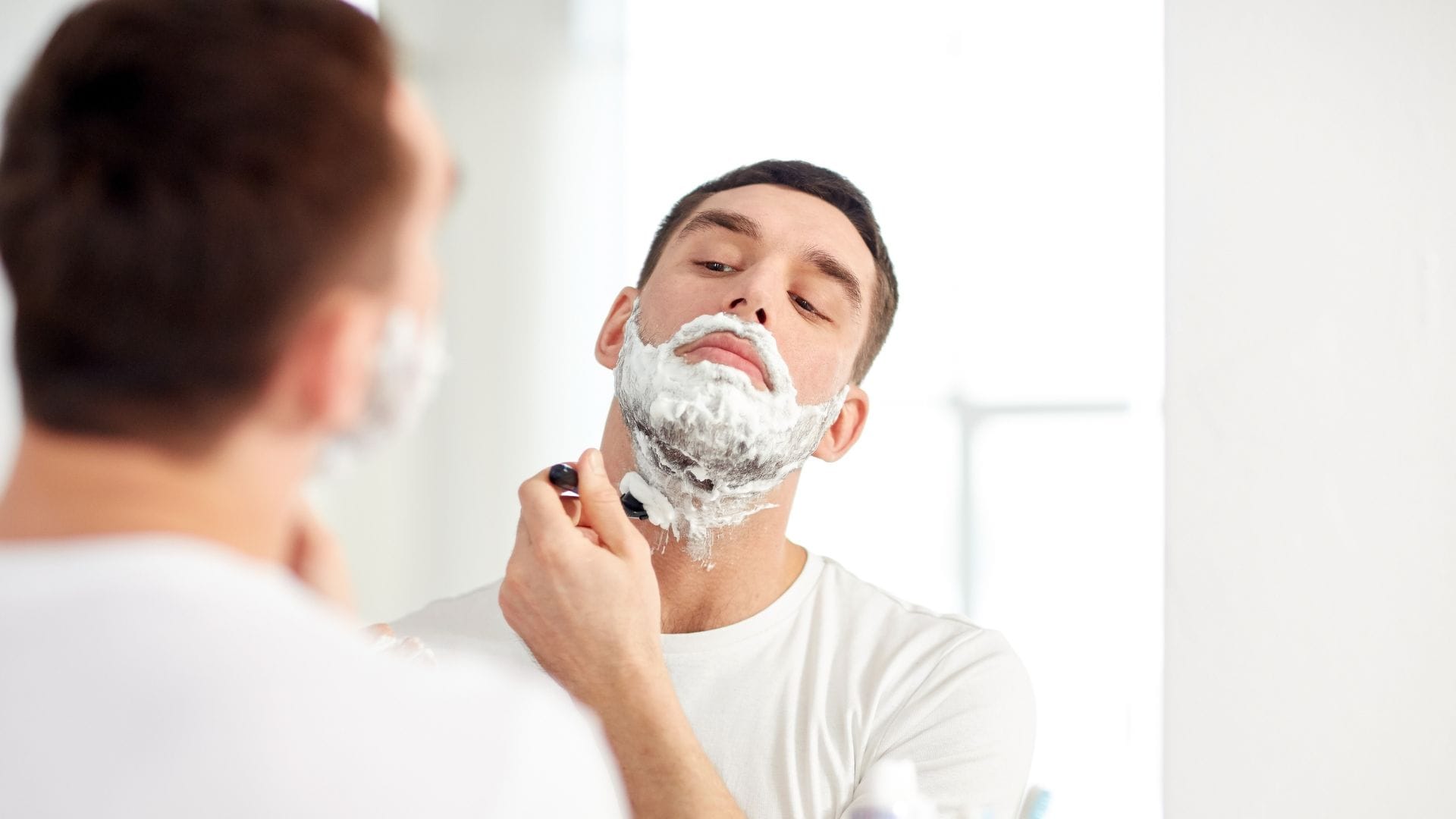
Ingrown hairs are a common and frustrating problem. They occur when a shaved or tweezed hair grows back into the skin, causing redness, bumps, and sometimes even infection. The good news is that with the right techniques and aftercare, they can be largely prevented. This guide provides 11 effective ways to stop ingrown hairs before they start.
1. Start with a Warm Shower
A warm shower before shaving is an essential step that often gets overlooked, yet it can significantly impact the quality of your shave and the health of your skin. Never shave with cold water, as it causes the skin and hair to be less pliable, leading to a higher risk of irritation and ingrown hairs. The warmth and steam in a shower serve to soften both your skin and hair, making the hair easier to cut. When the hair is soft, the razor can glide more easily, ensuring a closer shave with less pulling or tugging, which can damage hair follicles and contribute to ingrown hairs. Additionally, warm water opens up the pores, which allows any dirt, oil, or debris in the skin to loosen and escape. This cleansing effect prepares your skin for the shave, reducing the chance of clogged pores, irritation, or post-shave breakouts.
Spending a few extra minutes in a warm shower before shaving isn’t just a relaxing ritual—it’s an essential part of pre-shave preparation. Combine this step with a gentle exfoliant during your shower to slough away dead skin cells that might otherwise clog your pores or block hair follicles. This ensures a smoother surface for the razor, reducing the risk of ingrown hairs and allowing you to achieve a smooth, bump-free shave.
2. Use a High-Quality Shaving Cream
The shaving cream you choose matters more than you might think. Many people make the mistake of skipping shaving cream altogether or using regular soap as a substitute. However, both of these practices can lead to significant irritation, razor burn, and an increased risk of ingrown hairs. High-quality shaving cream is formulated to create a protective barrier between your razor and your skin. This barrier reduces the friction that occurs when the razor blade slides across your skin, preventing unnecessary drag that could cause small nicks, cuts, or irritation.
A good shaving cream is also designed to hydrate and lubricate the skin and hair, making the shaving process smoother and more comfortable. By softening the hair even further than the shower alone, it ensures that each stroke of the razor removes hair effectively without putting extra strain on the hair follicles. This is especially important for those with sensitive skin or coarse hair, as these factors can increase the likelihood of painful ingrown hairs if the razor catches or pulls at the hairs.
For the best results, look for a shaving cream that is free from harsh chemicals, artificial fragrances, or skin-drying ingredients like alcohol. Natural ingredients such as aloe vera, glycerin, or coconut oil not only provide superior lubrication but also work to moisturize the skin during the shaving process. This reduces post-shave dryness and leaves your skin feeling soft and nourished.
For those seeking a barber-like experience at home or a professional touch, treatments such as a Razor Shave in New York highlight how the right products and techniques can elevate a simple shave into an act of self-care. Professional barbers often rely on premium-grade shaving creams that are specially designed to protect and soothe the skin while achieving an ultra-close shave. Whether you book a professional shave or incorporate these products into your routine, investing in quality shaving cream is an easy way to reduce ingrown hairs and maintain healthy skin after every shave.
3. Always Shave in the Direction of Hair Growth
One of the most important rules for a smooth and healthy shave is to always shave in the direction of hair growth. While it might be tempting to shave against the grain for an ultra-close finish, the risks far outweigh the benefits when it comes to skin health. Shaving against the direction of growth disrupts the natural pattern of hair, leaving behind sharp, angled tips that are more prone to curling back into the skin.
This slight but significant misdirection can lead to ingrown hairs, which not only cause irritation but can also develop into painful, inflamed bumps. Take time to understand the growth pattern of your facial or body hair. If the growth isn’t uniform, adjust your angles accordingly and progress deliberately. Paired with a high-quality razor and proper preparation, shaving in the right direction can dramatically reduce the risk of skin issues, leaving it smoother and healthier after every session.
4. Exfoliate Gently Before You Shave
Exfoliation is often an overlooked step, but it is essential for a close, clean shave. By gently exfoliating a day or two before shaving, you remove dead skin cells that build up on the surface, which can clog pores and trap hair. This process not only clears the way for a smoother glide of the razor but also helps release any hairs that have become trapped or ingrown.
Using a mild, non-abrasive scrub or a soft exfoliating brush is ideal—harsh scrubbing should be avoided as it can irritate the skin, especially on sensitive areas like the face. Exfoliating is particularly critical during colder months when the skin becomes drier and prone to flakiness, as in winter grooming routines. Balancing regular exfoliation with proper hydration ensures the skin remains prepared for every shave, reducing post-shave irritation, razor bumps, and ingrown hairs while promoting healthy skin in the long term.
5. Never Use a Dull Razor Blade
Using a blunt razor blade is one of the most common mistakes that can sabotage your shaving experience. Unlike a sharp blade that cuts hair cleanly and effortlessly, a dull blade tugs and pulls at the hair, causing unnecessary trauma to the hair follicle. This uneven cut makes it more likely for the hair to grow back improperly, increasing the risk of ingrown hairs and irritation.
Additionally, dull blades often require multiple passes over the same area, further irritating the skin and increasing the chance of developing razor burn or nicks. To optimize your shave, always inspect your razor before use. If you notice any dragging or discomfort, it’s time to replace the blade. A good rule of thumb is to change the blade after 5-7 shaves or sooner if you shave daily or have coarser hair. By making it a habit to use a sharp, clean razor blade, you’ll achieve a smoother, closer shave while maintaining the health of your skin and significantly minimizing ingrown hairs.
6. Consider a Single-Blade Razor
While multi-blade razors have gained immense popularity for their convenience and efficiency, they can sometimes pose challenges for individuals prone to skin irritation or ingrown hairs. Multi-blade razors are designed to give an ultra-close shave by pulling the hair slightly upward before slicing it below the skin’s surface. While this might provide a smooth finish temporarily, it can lead to complications as the hair begins to grow back. When hairs are cut below the skin’s surface, they can struggle to break through the skin, resulting in them curling inward and causing painful or unsightly ingrown hairs.
This is where single-blade razors shine as a more skin-friendly alternative. A single-blade razor operates by cutting the hair cleanly at the surface of the skin, significantly reducing the risk of it becoming trapped beneath the epidermis. Beyond mitigating the potential for ingrown hairs, single-blade razors also minimize the chances of irritation since they reduce the number of times the blade passes over your skin during shaving. This is especially beneficial for individuals with sensitive skin, as repetitive blade strokes can exacerbate redness and discomfort.
If you’re unsure whether a single-blade razor is the right fit for you, consulting a professional barber can be incredibly helpful. A skilled barber, such as one from an esteemed New York barbershop, can assess your skin type, hair texture, and shaving habits to recommend the most appropriate tools for your grooming routine. Many barbers also offer demonstrations on how to properly handle single-blade razors, helping you achieve a stellar shave while keeping your skin healthy and protected.
7. Rinse with Cold Water
After completing your shave, one effective yet often overlooked step is rinsing the shaved area with cool or cold water. This simple practice has significant benefits for the skin’s health and appearance. Cold water works to rapidly close the pores, which were opened and exposed during the shaving process. By closing the pores, you effectively create a barrier that prevents bacteria, dirt, and external pollutants from entering the skin. This reduces the likelihood of razor bumps, redness, and even infections resulting from shaving.
Additionally, cold water has a soothing effect on the skin, which is particularly advantageous after shaving when the skin may feel tender or irritated. The cooling sensation can calm inflammation and lessen the chances of post-shave redness. For those with sensitive or easily inflamed skin, incorporating this step into your routine adds an extra layer of protection while promoting skin recovery.
To implement this step, simply splash cold water on the freshly shaved area or use a soft cloth soaked in cold water to gently press against the skin for a few moments. This not only revitalizes your complexion but also ensures a healthier shaving experience over time.
8. Apply an Alcohol-Free Moisturizer
The final step to complete a proper shaving routine is to rehydrate and care for the skin with a gentle, alcohol-free moisturizer. Shaving can strip the skin of its natural oils, leaving it dry and vulnerable to irritation. Applying a moisturizer immediately after shaving helps to replenish lost hydration and restore the skin’s protective barrier.
When selecting a moisturizer, look for products with calming ingredients like aloe vera, witch hazel, or chamomile, which are known for their soothing properties. Aloe vera, for instance, provides a cooling sensation while reducing inflammation, making it a perfect ingredient for post-shave care. Witch hazel, on the other hand, acts as a natural astringent, helping to tone the skin and further reduce redness or swelling.
Avoid moisturizers containing alcohol, as alcohol-based products can dry out the skin and exacerbate irritation, particularly after shaving. Instead, choose rich, nourishing formulations designed for sensitive skin to ensure optimal hydration and comfort.
During the colder months, when harsh weather and dry air can take a toll on your skin, this step becomes even more crucial. Incorporating an alcohol-free moisturizer into your winter grooming routine keeps your skin soft, supple, and resilient against the elements. Consistent hydration not only improves the appearance of your skin but also ensures that growing hairs can break through the surface more easily, reducing the risk of ingrown hairs over time.
With these steps in mind, you can transform your shaving routine into a skin-friendly practice, achieving a smooth, irritation-free result while promoting long-term skin health.
9. Wear Loose-Fitting Clothing After Shaving
After shaving, your skin is often more sensitive and vulnerable to irritation. Tight clothing, especially in areas like the bikini line, legs, or underarms, can cause unnecessary friction and pressure on freshly shaved skin. This pressure can make it harder for hair to grow in the correct direction, increasing the risk of ingrown hairs. Additionally, fabrics that cling tightly or do not allow proper airflow can trap sweat, oil, and bacteria against the skin, which may further exacerbate irritation or lead to folliculitis.
To minimize these risks, choose loose, breathable fabrics such as cotton or linen for at least a few hours after shaving. These materials allow the skin to breathe and avoid creating a warm, abrasive environment that could inhibit proper healing. If you are planning to engage in physical activity, it’s even more important to avoid restrictive or non-breathable materials, as sweat and movement can amplify irritation on newly shaved skin. If you are prone to experiencing ingrown hairs in specific areas, incorporating this tip into your post-shave routine can make a significant difference in both your skin’s comfort and its overall health.
Furthermore, wearing loose-fitting clothing provides an opportunity for any soothing products you may have applied post-shave, such as a calming lotion or aloe vera gel, to fully penetrate the skin without being disrupted by tight garments. By giving your skin the time and environment it needs to recover, you can avoid redness, itching, and other unpleasant side effects of shaving.
10. Make Exfoliation a Part of Your Routine
While exfoliating prior to shaving is an excellent way to prepare your skin and prevent ingrown hairs, maintaining a regular exfoliation routine between shaves is just as important. Dead skin cells can accumulate on the surface of your skin over time, creating a barrier that can block hairs from growing outward. When hairs become trapped beneath this layer, they are more likely to grow sideways or curl back into the skin, leading to painful ingrown hairs and inflammation.
To prevent this, incorporate a gentle exfoliant into your skincare regimen a few times per week. One of the best choices for this purpose is a chemical exfoliant containing active ingredients like salicylic acid or glycolic acid. These acids can penetrate deep into the pores, breaking down the buildup of dead skin cells and clearing pathways for proper hair growth. Unlike physical exfoliants, which often rely on abrasive scrubs, chemical exfoliants are less likely to cause micro-tears in the skin, making them a safer, more effective option for many people—particularly those with sensitive skin.
When using a chemical exfoliant, it’s essential to follow the instructions carefully and avoid overuse, as excessive exfoliation can lead to dryness or irritation. Most people find that two to three applications per week are enough to maintain smooth, ingrown-free skin. If your skin feels tender or begins to peel, reduce the frequency and ensure you’re using a hydrating moisturizer to replenish the skin’s natural barrier.
Exfoliation is also an excellent way to enhance the effectiveness of other skincare products, as it clears the surface of the skin and allows serums, oils, or lotions to absorb more deeply. Over time, this routine can improve not only the texture of your skin but also its overall appearance, leaving it glowing and healthy. By making exfoliation a consistent part of your post-shave care, you’ll set the stage for smoother, more comfortable results with every shave.
11. Don’t Shave Too Often
One of the most overlooked factors in preventing ingrown hairs is simply giving your skin adequate time to recover between shaves. Shaving too frequently can put continuous stress on your skin, as the repeated scraping of the razor can cause micro-injuries, inflammation, and a weakening of the skin barrier. This can create the perfect conditions for ingrown hairs to form, especially if the skin has not had the opportunity to fully heal between shaving sessions.
To avoid over-shaving, try to extend the time between shaves as much as possible, depending on your personal preferences and how quickly your hair grows. If ingrown hairs are a persistent issue, this simple adjustment can make a noticeable difference. During the intervals between shaving, consider trimming or using other hair removal methods that are gentler on the skin, such as depilatory creams or waxing, if they suit your needs.
When you do shave, pay attention to the signs your skin gives you. If you notice increased redness, irritation, or recurring ingrown hairs, it may be time to reevaluate how often you’re shaving. Allowing your skin some downtime enables ingrown hairs to slowly work their way out naturally, reducing the irritation and discomfort they cause. This approach not only helps with ingrown hairs but also promotes healthier, more supple skin over the long term.
Additionally, less frequent shaving can save time and reduce the wear and tear on your razors, making your skincare routine more efficient and cost-effective. Practicing patience and being mindful of your skin’s needs ensures that your shaving routine remains a beneficial and skin-conscious practice rather than a source of frustration.
Conclusion
Preventing ingrown hairs is all about adopting a consistent and gentle skincare routine. By preparing the skin properly, using the right tools and techniques, and following up with soothing aftercare, smooth and bump-free skin is an achievable goal. Implementing these steps can transform the shaving experience from a painful chore into a comfortable part of a personal care regimen.