Dealing with thin hair can often feel like an uphill battle. You might find yourself constantly trying different volumizing products, blow-drying techniques, or styling tricks just to get a little bit of lift. However, the most effective solution usually starts with the right haircut. A well-chosen cut can create the illusion of density and movement, transforming limp strands into a full-bodied style. The goal is to remove weight where it drags the hair down and add texture where it creates fullness. Whether you prefer short, sharp looks or something with a bit more length, there are strategic cuts designed to work with your hair type rather than against it.
Understanding the principles of cutting thin hair is key to making the right choice. Generally, shorter styles tend to look fuller because the hair isn’t weighed down by its own length. Layering is another crucial element; it adds dimension and prevents the hair from lying flat against the scalp. Textured ends can also make a significant difference, creating a softer, thicker appearance. This guide explores twelve specific haircuts that are proven to boost volume for men with thin or fine hair. By choosing one of these styles, you can stop fighting your hair texture and start enjoying a look that feels robust and stylish every day.
1. The Textured Crew Cut
The textured crew cut is a fantastic option for men with thin hair because it minimizes the contrast between the hair and the scalp. By keeping the hair short on top but adding a lot of texture, you create a messy, fuller look that hides the scalp effectively. Instead of a uniform, flat cut, the barber uses scissors or texturizing shears to create uneven lengths on top. This technique stops the hair from matting down and allows it to stand up more easily. It is a low-maintenance style that requires very little daily effort, making it perfect for busy mornings.
Styling this cut is incredibly simple and effective. You only need a small amount of matte clay or texture powder to give it life. Rub the product into your hands and work it through the dry hair, messing it up to create separation. This separation creates shadows and depth, which tricks the eye into seeing more volume than is actually there. The short sides, usually faded or tapered, also help by reducing the width of the head and focusing attention on the textured top. It is a classic, masculine look that works for almost any face shape.
2. The Short Pompadour
A traditional pompadour might require thick hair to achieve massive height, but a short version works wonders for thinner strands. The key is to create lift at the front hairline, which draws the eye upward and gives the impression of volume. Unlike the slicked-back styles that can expose the scalp, a short pomp is blown dry with volume to stand away from the head. Getting a professional Haircut in New York often involves asking for this specific variation, where the barber leaves just enough length on top to create the roll without the weight that causes it to collapse.
To maintain this style, you will need to become comfortable with a blow dryer. Use a round brush to lift the roots at the forehead while directing the heat upwards. This sets the foundation for the volume. Once dry, use a light, water-based pomade or a volumizing mousse to hold the shape. Avoid heavy waxes or oils, as these will clump the thin hairs together and make them look sparse. The short sides provide a clean contrast, making the top look even fuller by comparison. It is a sophisticated style that adds a touch of retro flair to your appearance.
3. The Buzz Cut
It might seem counterintuitive to cut all your hair off to deal with thin hair, but the buzz cut is actually one of the best solutions available. When hair is thin, growing it long often highlights the lack of density because you can see through the strands to the scalp. A buzz cut eliminates this issue entirely by creating a uniform, short length all over. It makes the hair look denser because the follicles appear as tiny dots rather than long, stringy lines. This style creates a clean, intentional look that is incredibly masculine and confident.
This cut is the ultimate in low maintenance. There is absolutely no styling required—no blow drying, no products, and no bad hair days. It is also very versatile; you can opt for a uniform length all over (an induction cut) or go for a slight fade on the sides to add some modern style. If you have a receding hairline, the buzz cut makes it much less noticeable by blending the hairline into the rest of the cut. It is a bold choice that frees you from the daily stress of trying to make thin hair look thick.
4. The Slicked Back Undercut
The slicked-back undercut is a high-contrast style that works surprisingly well for thin hair, provided you have enough density on top. The sides are shaved very short or faded to the skin, which removes the bulk from the widest part of the head. This directs all the attention to the longer hair on top. By slicking the hair back, you layer the strands over one another, covering the scalp and creating a solid, cohesive shape. It is one of those Trendy Hairstyles that has remained popular because it looks sharp, deliberate, and makes the most of the hair you have.
The success of this look depends heavily on the product you use. A matte product is usually better than a wet-look gel for thin hair, as high shine can sometimes make the scalp more visible under bright lights. Apply the product to damp hair and use a fine-tooth comb to smooth it back. If you want more volume, blow-dry the hair back first to create lift at the roots before applying the product. The lack of hair on the sides means there is no width to distract from the top, making the remaining hair appear significant and substantial.
5. The Messy Crop Top (French Crop)
The messy crop top, often known as the French Crop, is ideal for concealing a receding hairline while adding texture. This cut features a short fade on the sides and back, with slightly longer hair on top that is cut to be worn forward. The fringe is usually kept short and can be blunt or textured. By styling the hair forward, you cover the temples and forehead, hiding any thinning areas at the front. The “messy” aspect is crucial; the texture created by the stylist adds bulk and prevents the hair from lying flat and lifeless.
To style a messy crop, texture powder is your best friend. Sprinkle a little onto the roots of dry hair and use your fingers to scrunch and mess up the top. This creates a dry, gritty finish that holds volume all day without weighing the hair down. The separation of the strands creates a complex structure that looks thick and modern. It is a youthful, edgy style that is very easy to manage. Because it relies on a “bedhead” aesthetic, it doesn’t need to be perfect, which takes the pressure off your morning routine.
6. The Side Part with Taper
The side part is a timeless classic that adds structure and sophistication to thin hair. By creating a defined parting line, you organize the hair in a way that maximizes coverage. Sweeping the hair to one side layers it, creating a thicker appearance on the heavier side. A taper on the sides and back keeps the silhouette neat and prevents the hair from looking puffy or wide, which can make the top look thinner by comparison. Some barbers might even incorporate subtle Hair Designs or a hard-part line to add extra definition and distract from the overall density.
When styling a side part for thin hair, avoid plastering it down flat. Instead, use a blow dryer to lift the roots slightly before combing it over. This creates a gentle wave and some airiness that suggests fullness. A lightweight grooming cream or a mousse is perfect for holding the style without making it greasy. The side part works well because it is versatile; it can be worn neatly for the office or looser for casual events. It is a reliable, gentlemanly cut that frames the face beautifully and works with the natural flow of your hair.
7. The Faux Hawk
The faux hawk is an excellent way to concentrate volume in the center of the head, drawing the eye away from thinning temples. Unlike a dramatic mohawk, a faux hawk is subtle and blends the shorter sides into a longer strip on top. The hair is styled upwards and towards the center, creating a ridge that looks thick and dense. This vertical styling adds height and creates a focal point that distracts from any lack of thickness elsewhere. It is a sporty, energetic look that suits men who want something modern but not too extreme.
To get the most out of a faux hawk, you need a product with a strong hold but a matte finish. A firm clay or wax works best. Apply a small amount to your fingertips and work it through the top section, pulling the hair together towards the middle. You don’t want sharp spikes; aim for a textured, messy ridge. Keeping the sides short is essential to make the top pop. This haircut is particularly effective for rounder face shapes as the height elongates the face. It turns thin hair into a stylistic asset by using it to create a cool, structured shape.
8. The Spiky Hair with Fade
Spiking the hair is a classic technique for adding volume because it physically lifts the hair away from the scalp. When paired with a fade on the sides, it becomes a sharp, contemporary look. The contrast between the skin fade and the spiky top makes the hair on top look much thicker than it is. The spikes create a broken silhouette that diffuses light, making it harder to see the scalp compared to flat styles. A skilled New York Barbershop professional will know exactly how to texturize the tips so they stand up easily without looking like rigid needles.
Styling requires a product that dries quickly and holds firm. A styling paste or a strong-hold gel applied to damp hair works well. Blow-dry the hair while pulling it upwards with your fingers to set the volume. Once dry, you can use a little more product to define individual spikes. The key is to keep the spikes messy and multidirectional rather than uniform; this looks more natural and adds more visual density. It is a fun, youthful style that gives energetic vibes and completely changes the profile of your hair.
9. The Caesar Cut
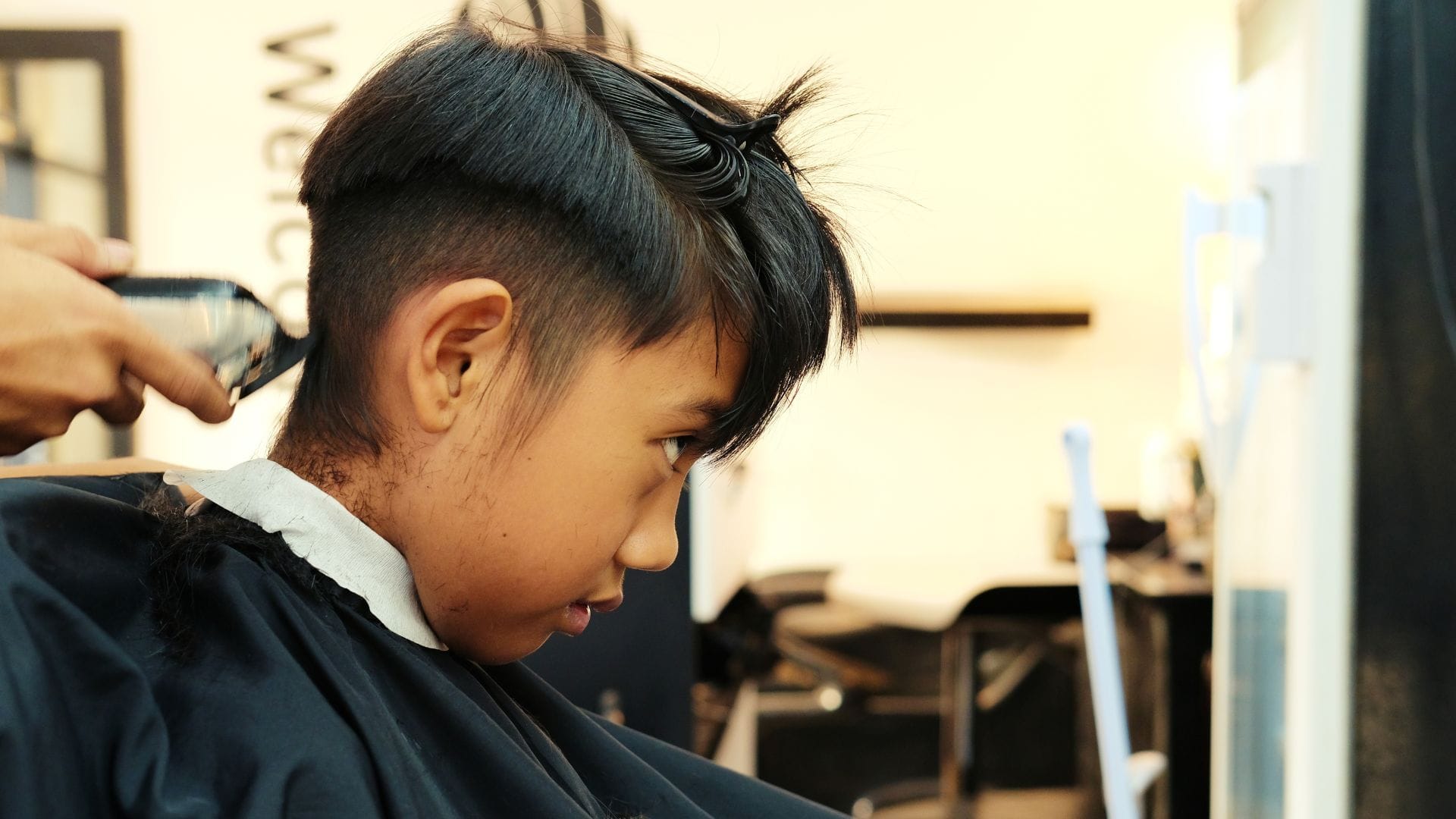
The Caesar cut is a short, horizontally straight cut with bangs that are styled forward. It is named after Julius Caesar and has been a go-to for men with thinning hair for centuries. The hair is cut to a uniform short length on top—usually around one to two inches—and brushed forward. This minimizes the appearance of a receding hairline and covers the top of the scalp evenly. It is a very structured, neat look that works well for straight or slightly wavy hair types. The blunt fringe creates a strong line across the forehead, adding definition to the face.
This is a low-maintenance style that requires minimal styling effort. You simply need to wash it and let it dry, or perhaps use a tiny bit of cream to keep frizz at bay. Because the hair is short and lies close to the head, it doesn’t look stringy or weak. It is a confident, no-nonsense haircut that is often favored by men who want to look sharp without spending time in front of the mirror. It works particularly well for men with strong jawlines or angular features, as the softness of the cut balances the face.
10. The Brushed Back with Texture
For men who prefer a bit more length, brushing the hair back loosely can create a nice sense of volume. Unlike a slick back, which is tight, this style is airy and relaxed. The hair is cut with layers to encourage movement and is styled back using fingers rather than a comb. This finger-combing technique creates grooves and separation in the hair, which adds visual depth. The layers prevent the hair from lying heavy and flat, allowing it to spring up slightly at the roots.
To achieve this, apply a texturizing sea salt spray to damp hair. This product adds grit and grip to thin strands, making them feel thicker and easier to control. Blow-dry the hair backwards, using your fingers to lift and separate. The result is a soft, wind-swept look that feels full and healthy. It is a sophisticated, mature style that works well in professional settings. It embraces the natural texture of your hair while giving it the support it needs to look voluminous.
11. The High and Tight
The high and tight is a military-inspired cut that is excellent for thinning hair. It features very short sides that are shaved high up the head, leaving a small patch of slightly longer hair on the very top. By removing almost all the hair from the sides and back, you eliminate the width that can make the top look thin. The focus is entirely on the small section of hair on the crown. Because the area with hair is smaller, it appears denser and more concentrated. It is a clean, authoritative look that requires very little maintenance.
This cut is perfect for men who are thinning at the crown or have a receding hairline. The high fade blends the thinning areas seamlessly into the skin, making the transition look natural. Styling is practically non-existent; you can wake up and go. It keeps you cool in the summer and looks sharp with a suit or gym wear. The high and tight is a practical, rugged style that turns the challenge of thin hair into a deliberate, disciplined aesthetic.
12. The Mop Top (Modern Shag)
If you have thin hair but a lot of it (low density but high count), a modern mop top or shag can be a great option. This style uses longer layers to create a messy, voluminous shape. The hair covers the ears and forehead, creating a frame around the face. The layers are chopped into to create a jagged, textured finish that prevents the style from looking like a helmet. It is a casual, indie-rock inspired look that uses “chaos” to create the illusion of fullness. The movement of the hair distracts from the thinness of the individual strands.
Styling a mop top involves using a mousse or light cream to encourage waves and texture. Apply the product to damp hair and scrunch it with your hands as it dries. Avoid brushing it once it is dry, as this can cause frizz and flatten the volume. This style works best for men with some natural wave or curl. It is a relaxed, youthful haircut that feels effortless and cool. It hides the scalp well and gives you plenty of hair to play with, making it a fun alternative to the shorter cuts typically recommended for thin hair.
Conclusion
Thin hair doesn’t have to limit your style options. As we have explored, the right haircut can dramatically change the appearance of your hair’s density and volume. From the ultra-short buzz cut that embraces a clean aesthetic to the textured crop that adds modern flair, there is a solution for every preference and face shape. The common thread among all these styles is the strategic use of texture, layering, and length to maximize what you have.
Don’t be afraid to experiment and talk to your barber about which of these cuts would work best for your specific hair type and lifestyle. Bringing a photo or describing the specific elements you like—such as “textured top” or “faded sides”—can help ensure you get exactly the look you want. With the right cut and a few simple styling tricks, you can walk out the door every day feeling confident in a hairstyle that looks full, healthy, and intentionally stylish.