
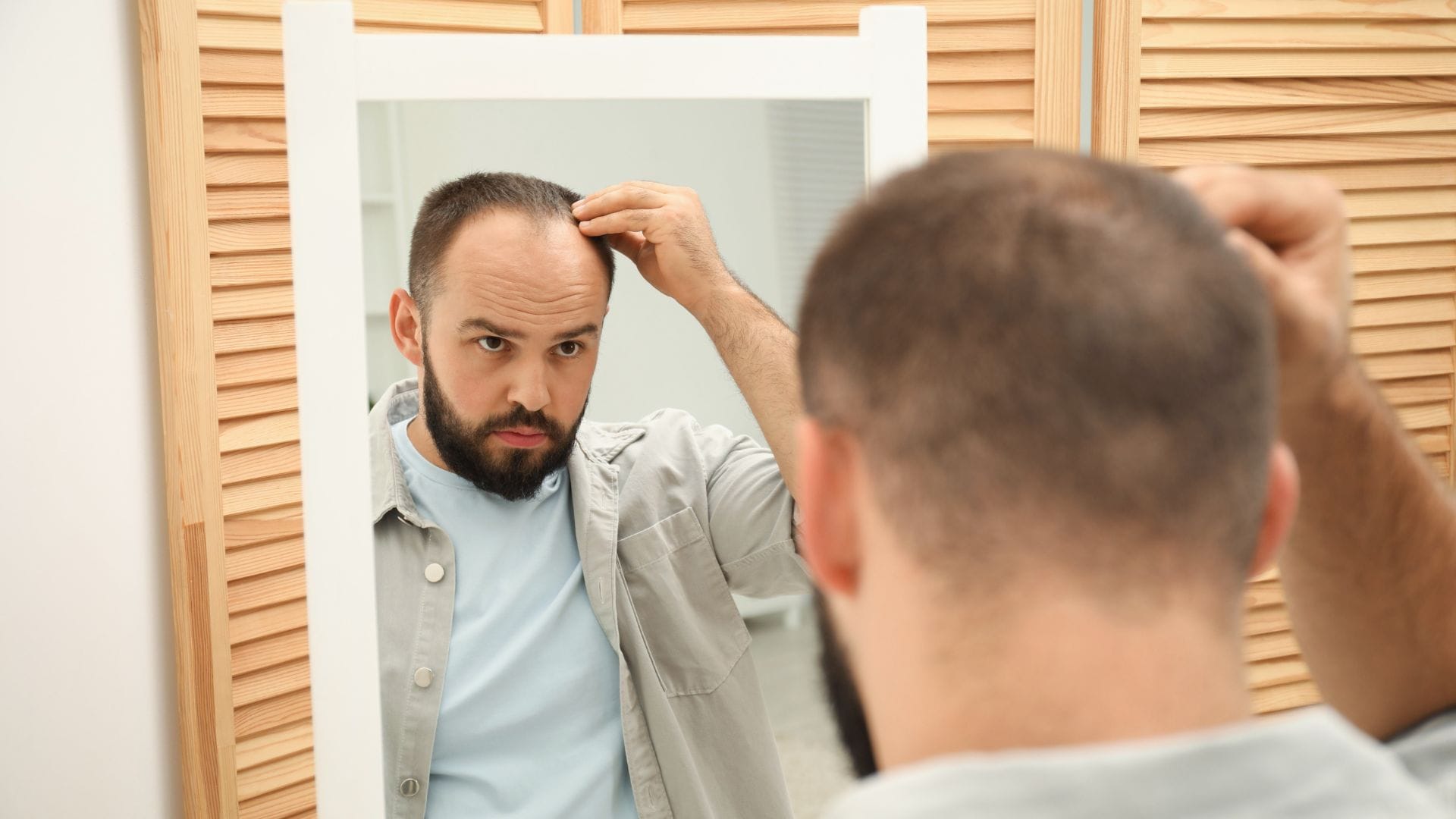
A sharp hairline can completely change the way a hairstyle looks. It frames the face, defines the overall shape of the hair, and signals that real attention has been paid to personal grooming. Whether the hairline is naturally straight or slightly irregular, the right habits and techniques keep it looking clean and intentional at all times. These twelve tips cover everything from daily care routines to professional maintenance strategies that help anyone maintain a consistently crisp, well-defined hairline.
1. Understand Your Natural Hairline Shape
Before making any changes or setting up a maintenance routine, take time to understand the natural shape of the hairline. Every person has a unique hairline, and some are straighter while others have slight curves, widow’s peaks, or uneven patches. Knowing what is natural versus what needs correction helps avoid over-trimming or creating an artificial shape that does not complement the face. Study the hairline carefully in good lighting and from multiple angles before deciding how to manage it going forward.
Once the natural shape is understood, it becomes much easier to work with it rather than against it. Attempting to force a perfectly straight edge on a naturally curved hairline often results in a look that seems unnatural or exaggerated. Instead, follow the existing contour and simply clean up the edges to make the line more defined and intentional. This approach preserves the individuality of the hairline while making it look sharper and more polished without requiring aggressive cutting or frequent corrections.
2. Schedule Regular Professional Trims
One of the most effective ways to maintain a sharp hairline is to book consistent appointments with a professional. Hair grows at different rates, and the hairline area tends to show new growth very quickly, making regular trims essential for keeping the edges looking fresh. Waiting too long between appointments allows the hairline to soften and lose definition, undoing weeks of careful maintenance in just a short period of time.
A skilled barber knows exactly how to shape the hairline in a way that complements the face structure and keeps the edges precise without cutting too aggressively. Professionals use straight razors and edging tools to create a level of sharpness that is very difficult to replicate at home. Booking an appointment every two to three weeks, depending on how quickly the hair grows, keeps the hairline consistently defined. Investing in professional trims is one of the smartest decisions anyone can make when consistent hairline precision is the goal.
3. Use the Right Edging Tools at Home
Home maintenance between professional appointments plays a significant role in keeping the hairline looking sharp throughout the month. Investing in a quality pair of clippers or a dedicated trimmer designed specifically for edging makes a noticeable difference in how clean the hairline stays between visits. Cheap or dull blades pull at the hair rather than cutting it cleanly, which can irritate the skin and leave the hairline looking ragged rather than defined.
When trimming at home, use a light hand and work slowly. The goal is to clean up stray hairs that have grown beyond the natural line rather than reshape the entire hairline from scratch. Hold the trimmer steady, keep the blade parallel to the skin, and make small, controlled passes rather than sweeping motions. Good lighting and a well-positioned mirror are essential for getting the angle right. Taking a little extra time to do this carefully produces a significantly cleaner result than rushing through the process.
4. Keep the Skin Around the Hairline Healthy
A sharp hairline depends not only on the hair itself but also on the condition of the skin directly beneath and around it. Dry, flaky, or irritated skin around the hairline creates a rough appearance that undermines even the cleanest edge. Moisturizing the scalp and the forehead area regularly keeps the skin smooth, which in turn makes the hairline look sharper and more defined. Healthy skin also holds a clean edge better than dry or inflamed skin.
Incorporating Custom Beard Trims into a regular grooming routine reflects an overall commitment to facial precision that extends naturally to hairline care as well. When the face is well-maintained from the beard to the forehead, the hairline becomes part of a cohesive, polished look rather than an isolated detail. Use a gentle, non-comedogenic moisturizer on the forehead and temples after washing the face each morning. Avoiding harsh soaps or heavy creams near the hairline also prevents buildup that can clog follicles and disrupt healthy hair growth in that sensitive area.
5. Be Careful With Styling Products Near the Hairline
Heavy styling products applied too close to the hairline can cause buildup, clog follicles, and gradually push the hairline backward over time. Gels and waxes with strong hold formulas are particularly prone to accumulating along the hairline, especially when applied daily without thorough rinsing. While these products are useful for shaping the rest of the hair, applying them sparingly and keeping them away from the very edge of the hairline protects the skin and follicles in that sensitive zone.
When removing styling products at the end of the day, make sure to cleanse the hairline area thoroughly. Residue left overnight can block follicles and contribute to irritation or thinning over time. A gentle sulfate-free shampoo used two to three times a week is usually enough to keep the area clean without stripping the scalp of its natural oils. Rinsing the hairline area with cool water on the days between washes also helps remove light product residue before it has a chance to build up.
6. Protect the Hairline From Friction and Pressure
Constant friction from hats, headbands, or tight hairstyles puts significant stress on the hairline and can lead to gradual thinning or breakage in that area. Wearing tight caps repeatedly pressed down on the same edge of the hairline causes the hair to weaken over time, and the damage is often subtle enough to go unnoticed until it becomes harder to correct. Choosing looser fitting headwear and rotating how hats sit on the head reduces the amount of repeated friction in any single spot.
Casual Haircuts that do not require tight styling or constant pulling at the roots are a great way to reduce stress on the hairline during everyday wear. When the hair is cut in a relaxed, manageable style, there is less need to use tight products or accessories that create friction along the edges. If wearing protective headwear is necessary for work or sports, look for options with soft interior linings that reduce direct abrasion against the skin. Small adjustments to daily habits like these can make a meaningful long-term difference in the density and sharpness of the hairline.
7. Avoid Over-Trimming the Hairline
One of the most common mistakes people make when maintaining a hairline at home is trimming too frequently or too aggressively. Cutting the hairline edge repeatedly in a short period of time gradually moves the natural line further back, creating an artificially high or receded appearance that is difficult to reverse. The hairline should be cleaned up, not reshaped, and there is a significant difference between removing stray hairs and altering the actual line itself.
A good rule of thumb is to trim the hairline only when stray hairs are noticeably growing beyond the established edge. For most people, this means cleaning up the hairline every one to two weeks at most, depending on individual hair growth speed. Resist the urge to trim just for the sake of it. When in doubt, leaving it alone until the next professional appointment is almost always the safer choice. Patience with the process protects the natural hairline from unnecessary recession caused by habitual over-trimming.
8. Find a Trusted Local Professional
Building a consistent relationship with a skilled local professional is one of the most reliable foundations of good hairline maintenance. Having the same person handle the hairline on a regular basis means they become familiar with its natural shape, growth patterns, and any quirks that require special attention. This familiarity produces better results over time compared to visiting a different stylist every appointment who has no prior knowledge of the hairline’s history.
Searching for a barber near me is a simple starting point for finding a local professional who specializes in precise edging and detailed hairline work. Reading reviews that mention hairline shaping and clean edges helps narrow down the options to someone with the right skill set. Once a good fit is found, stick with them consistently and communicate clearly about the desired shape and length at every visit. A trusted local professional becomes an essential part of any grooming routine where a consistently sharp hairline is the standard.
9. Use a Skin-Safe Razor for Edge Definition
For those who want an exceptionally sharp hairline, a quality straight razor or a dedicated outlining razor delivers results that clippers alone cannot always match. The razor removes fine, wispy hairs right at the edge of the hairline and creates a cleaner, more precise line that looks razor-defined because it genuinely is. This technique requires a steady hand and the right preparation to avoid cuts or irritation on the sensitive skin near the forehead and temples.
Always apply a thin layer of shaving gel or a light oil to the skin before using a razor near the hairline. This reduces friction, allows the blade to glide cleanly, and significantly lowers the risk of nicks. After finishing, apply a small amount of alcohol-free aftershave balm or aloe vera gel to the treated area to calm the skin and reduce any redness. Using a sharp, fresh blade every time also makes the process safer and more effective. Dull blades require more pressure, which increases the chance of irritation and uneven lines.
10. Stay Consistent With Your Grooming Schedule
Consistency is the single most important factor in maintaining a sharp hairline over time. Even the best professional trim loses its definition within a few weeks if maintenance is neglected between appointments. Setting up a simple, repeatable grooming schedule removes the guesswork and ensures that the hairline never gets far enough out of shape to require a major correction. A consistent routine also makes each individual step faster and easier because less work is needed each time.
Try setting a reminder on a phone or syncing hairline maintenance with another existing weekly habit to make it easier to stay on schedule. Keeping the trimming tools clean, charged, and accessible also removes small barriers that might cause someone to skip a maintenance session. When the tools are always ready and the schedule is planned in advance, the entire routine becomes second nature rather than a chore that gets put off. Consistency turns good hairline maintenance from an occasional effort into a reliable daily standard.
11. Watch for Signs of Hairline Recession
Not every change in the hairline is the result of poor maintenance. Natural hairline recession can happen due to genetics, stress, hormonal changes, or nutritional deficiencies. Catching early signs of recession allows for timely action, whether that means adjusting grooming habits, improving diet, reducing stress, or consulting a medical professional about treatment options. Ignoring changes and simply over-trimming to compensate only accelerates the problem and reduces the options available for addressing it.
Pay attention to whether the hairline is genuinely moving backward over time or whether stray hairs are simply growing unevenly. Taking a photo of the hairline every few months provides a clear visual reference that makes it easier to spot real changes. If thinning or recession is noticed, avoid aggressive trimming in the affected area and consult a dermatologist or trichologist who can recommend the right course of action. Addressing the root cause early gives the best chance of preserving the hairline long-term.
12. Pair Hairline Care With an Overall Grooming Routine
A sharp hairline looks its best when it is part of a broader, well-maintained grooming routine. When the rest of the hair is clean, styled, and in good condition, the defined hairline acts as a polished finishing detail that ties the entire look together. Neglecting the rest of the hair while focusing only on the hairline creates a visual imbalance that makes the overall appearance feel inconsistent rather than sharp.
Washing the hair regularly with appropriate products for the specific hair type keeps the scalp healthy and supports strong, even hair growth right up to the hairline. Regular deep conditioning prevents breakage that can create uneven, patchy edges near the forehead. Taking care of general health through good nutrition, adequate sleep, and regular hydration also supports healthy hair growth from root to tip. A strong, comprehensive grooming routine makes hairline maintenance easier and ensures that the final result consistently looks sharp, intentional, and well put together.
Conclusion
Maintaining a sharp hairline takes a combination of regular professional attention, careful home maintenance, and consistent daily habits. By following the tips covered in this blog, it becomes much easier to keep the hairline looking defined and clean throughout the entire month. Start with the basics, build a reliable routine, and invest in the right tools and professional support to keep every edge looking its absolute best.