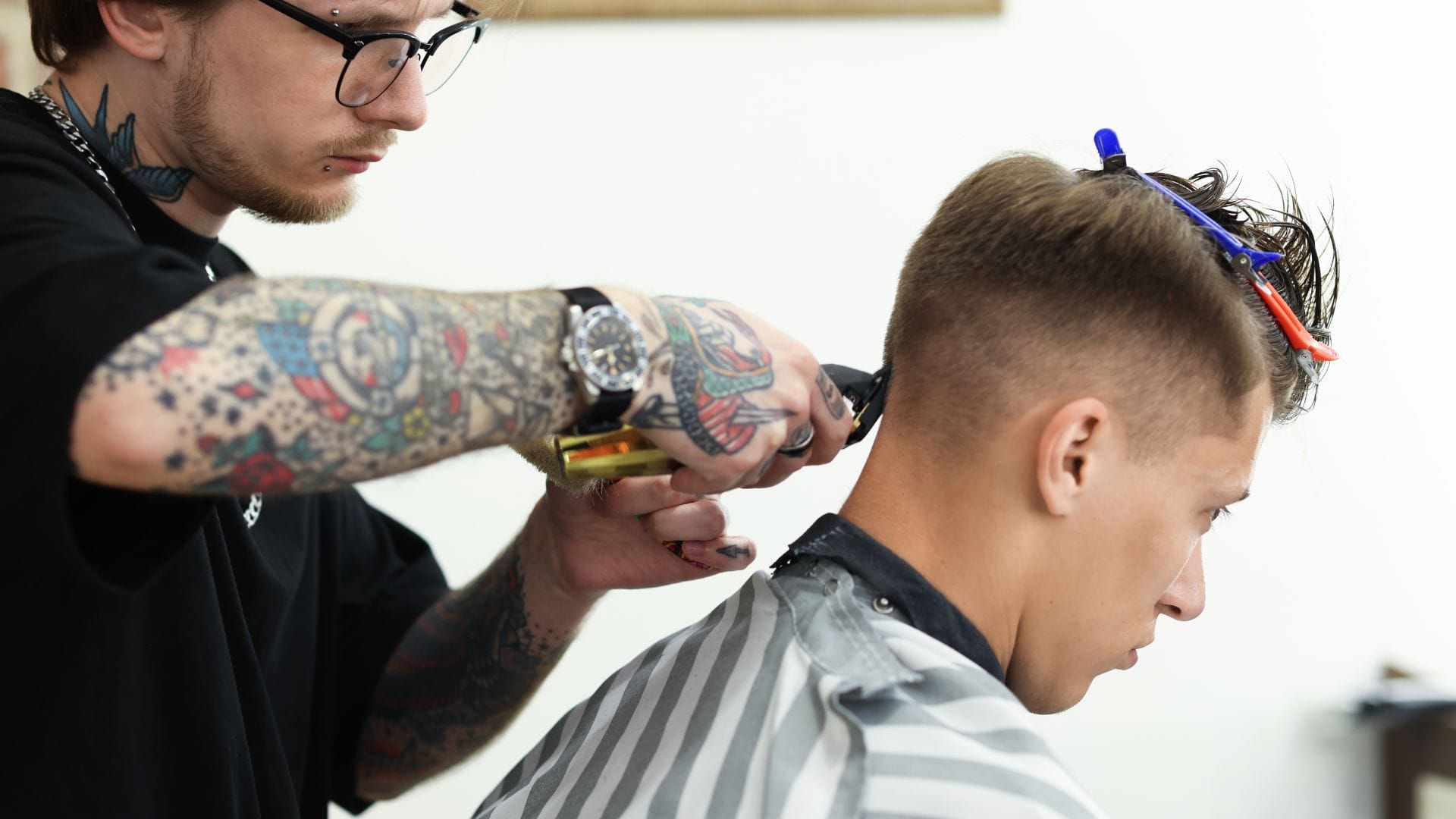
Walking into a barbershop and asking for “a fade” is like walking into a restaurant and just ordering “food.” The term covers a huge range of styles, each with its own unique look and feel. A fade is a haircutting technique where the hair on the sides and back of the head is gradually tapered from a longer length on top down to a shorter length. This creates a clean, sharp, and blended transition that has become a cornerstone of modern men’s grooming. Knowing the specific terminology can make all the difference in communicating your vision to your barber and getting the exact cut you want.
Understanding the different types of fades available can help you choose a style that best suits your head shape, hair type, and personal aesthetic. Whether you prefer a subtle, professional look or a bold, high-contrast statement, there is a fade out there for you. This guide breaks down twelve of the most popular fade variations, explaining what makes each one unique. Arming yourself with this knowledge will ensure your next haircut is a deliberate choice that elevates your style, rather than a gamble.
1. The Low Fade
The low fade is the most conservative and understated option in the fade family. As the name suggests, the tapering process begins very low on the head, typically just above the ears and following the natural hairline down to the nape of the neck. This placement means that most of the hair on the sides and back remains longer, creating a subtle transition that cleans up the edges without being overly dramatic. It is an excellent choice for anyone trying a fade for the first time or for those who work in a professional environment that requires a more traditional look. The low fade adds a touch of modern sharpness without sacrificing a classic silhouette.
Because it preserves more length, the low fade is incredibly versatile and works well with almost any hairstyle on top, from a classic side part to longer, flowing hair. It is also particularly effective for men who have beards, as it provides a perfect, seamless blend point between the sideburns and facial hair. The grow-out period is very forgiving, as the contrast is not as stark as other fades, meaning you will not have to rush back to the shop for constant maintenance. It is a clean, timeless choice that offers a polished finish without shouting for attention.
2. The Mid Fade
The mid fade strikes a perfect balance between the subtlety of a low fade and the boldness of a high fade. This style starts the taper midway up the sides and back of the head, typically beginning at the top of the ear and extending straight back. This placement creates a more noticeable contrast than a low fade, offering a clean and defined look that is both stylish and versatile. It is one of the most popular choices in any modern Barbershop in New York because it suits a wide variety of head shapes and can be paired with countless styles, from short and textured to long and slicked back.
The mid fade is a great canvas for showcasing the hair on top while keeping the sides neat and tidy. By removing weight from the middle of the head, it can help create a slimmer and more structured facial profile. This cut is perfect for those who want a distinct, fashionable look that is still appropriate for most professional settings. Its versatility allows you to switch between a casual, messy style for the weekend and a more polished, combed-over look for the work week. It is the go-to fade for anyone seeking a contemporary style that is neither too subtle nor too aggressive.
3. The High Fade
For a bold, high-contrast look, the high fade is the ultimate choice. This style takes the taper all the way up to the upper part of the head, with the blend often starting near the temples or the corner of the forehead. This removes a significant amount of hair from the sides and back, creating a dramatic distinction between the short faded section and the longer hair on top. The high fade is a statement cut that draws immediate attention to the hairstyle on top, making it ideal for looks that require volume and height, like a pompadour, quiff, or high-top.
Because the sides are cut so short, the high fade is exceptionally low-maintenance on a day-to-day basis—there is no need to worry about puffy or unruly sides. However, the stark line of the fade will be more noticeable as it grows out, requiring more frequent trips to the barber to keep it looking sharp. This style is particularly effective for elongating rounder face shapes by creating a strong vertical line. It is a clean, edgy, and confident look that has roots in military styles but has become a staple of modern fashion.
4. The Skin Fade
A skin fade, also known as a bald fade, is a variation where the hair is tapered all the way down to the bare skin. This creates the sharpest possible transition, with the hair literally “fading” into nothing. A skin fade is not a standalone style but a characteristic that can be applied to a low, mid, or high fade, depending on where the transition to skin begins. This technique requires a high level of skill from the barber, who uses clippers, shavers, or a straight razor to achieve a perfectly smooth finish without leaving any visible lines. The result is an incredibly clean and precise look.
This type of fade is perfect for those who want a crisp, defined haircut that stands out. It looks particularly great with structured styles like hard parts and modern French Crop Variations, where the sharp sides accentuate the texture on top. Due to the hair being cut down to the skin, maintenance is key; stubble will start to appear within a few days, so frequent touch-ups are necessary to maintain the clean effect. It is a bold, modern choice that exudes confidence and a meticulous attention to detail.
5. The Taper Fade
Often confused with a classic taper, the taper fade is a more conservative version of a fade that keeps more length on the sides. While a traditional fade transitions from long to short relatively quickly, a taper fade creates a more gradual and subtle blend. It typically focuses on cleaning up the sideburns and the neckline, tapering them down to a very short length while leaving the hair above the ear longer. This is the perfect option for someone who wants the clean finish of a fade without the scalp exposure or high contrast of other styles.
The taper fade is the most work-appropriate and classic of all fade types. It offers a neat, well-groomed appearance that does not drastically alter the natural shape of the head. Because it leaves more length, it works exceptionally well with scissor-cut styles and longer hair on top, such as a comb-over or a classic side part. It grows out very naturally, avoiding the awkward in-between stage that can happen with more aggressive fades. It is a timeless, sophisticated choice for the modern gentleman who values a polished look.
6. The Drop Fade
The drop fade is a stylish variation where the fade line curves down as it moves from the temples to the back of the head. Instead of creating a straight horizontal line around the head, the fade “drops” behind the ear, following the natural curvature of the skull. This arc creates a more dynamic and visually interesting look from the side and back profiles. The drop fade keeps more length and coverage around the crown area, which can be flattering for certain head shapes and is useful for concealing any bumps or irregularities on the back of the head. This makes it a popular choice for many modern and Athletic Haircuts.
This fade works exceptionally well with hairstyles that have volume or texture on top, such as curls, waves, or a faux hawk, as the curved line complements the natural movement of the hair. It can be executed as a low, mid, or high drop fade, and it pairs beautifully with a skin fade for added sharpness. The unique shape adds a touch of flair and personality to a standard haircut without being overly flashy. It is a modern twist that shows a bit more thought and style has gone into the cut.
7. The Burst Fade
The burst fade is a distinctive and eye-catching style that is often associated with mohawks and the “South of France” haircut. Unlike other fades that encircle the entire head, the burst fade is localized around the ear, radiating outward in a semi-circular or “sunburst” pattern. The hair behind the ear is tapered down, while the length at the neckline in the back and the hairline in the front is left longer. This creates a bold, rounded effect that frames the ear and highlights the side profile.
This style is particularly popular with younger clients and those with curly or textured hair, as the burst effect works well with natural volume. It allows you to maintain length and bulk at the back for styles like a modern mullet or a wide mohawk, while still keeping the sides clean and faded. It is an edgy, creative choice for someone looking to stand out from the crowd. The burst fade is all about creating a specific shape and requires a skilled barber to execute the curved blend perfectly.
8. The Temple Fade
The temple fade, also known as a “temp fade” or “blowout,” is a precise fade that is concentrated on the temple area and sideburns. Instead of extending around the entire head, this fade focuses on creating a clean, sharp line around the front hairline and temples. It is a fantastic way to clean up your edges and add a touch of sharpness without committing to a full fade on the sides and back. Finding a skilled Barber in New York is essential for this cut, as its sharp, geometric lines require a steady hand and an eye for detail.
This style became iconic in the 90s and has remained a staple in barbershops, especially for clients with afro-textured hair, waves, or shorter styles. It creates a neat, boxy frame for the face and provides a clean transition into a beard. Because it only affects a small area, it is a lower-maintenance option compared to a full fade, yet it provides a significant grooming upgrade. A temple fade shows that you care about the details, offering a crisp, clean look without a drastic change in length.
9. The Undercut Fade
The undercut fade is a hybrid style that combines the disconnected look of an undercut with the smooth transition of a fade. A traditional undercut features a sharp, defined line separating the long hair on top from the very short sides. An undercut fade softens this transition by blending the line slightly, creating a less severe but still high-contrast look. It maintains the core principle of an undercut—long on top, short on the sides—but adds a modern, polished finish.
This style is extremely popular because it offers incredible styling versatility for the hair on top. You can slick it back, wear it in a man bun, sweep it to the side, or style it into a messy fringe. The short, faded sides make thick or unruly hair much more manageable by removing bulk and weight. It is an edgy, fashion-forward choice that works with straight, wavy, and curly hair alike. The faded element also makes the grow-out process smoother than that of a traditional, harsh-lined undercut.
10. The Scissor Fade
A scissor fade is a testament to a barber’s skill, as it is created using only scissors and a comb instead of electric clippers. This technique results in a much softer, more natural-looking blend compared to the sharp precision of a clipper fade. The barber meticulously cuts the hair to gradually shorter lengths, creating a bespoke transition that contours perfectly to the individual’s head shape. This style is ideal for those who prefer a longer, more textured look on the sides rather than a super-short or shaved finish.
This type of fade is an excellent choice for men with fine or thinning hair, as the scissor-over-comb technique can be used to maintain density and create the illusion of fuller hair. It is also great for those who find the buzzing of clippers irritating or have sensitive skin that gets inflamed by close-shaving tools. The scissor fade has a classic, refined appeal that looks tailored and sophisticated. It is less about geometric lines and more about creating a flattering, natural shape that grows out beautifully.
11. The Razor Fade
For the absolute closest cut possible, the razor fade is the answer. This style takes a skin fade to the next level by using a straight razor to shave the lowest portion of the fade completely smooth. After bringing the hair down with clippers, the barber applies shaving cream or gel and uses a razor to remove any remaining stubble. This process not only provides an ultra-clean finish but also exfoliates the skin, leaving it feeling incredibly smooth to the touch.
The razor fade creates the highest level of contrast possible between the skin and the hair, resulting in an exceptionally sharp and striking look. It is a bold statement that signifies a commitment to immaculate grooming. However, this level of sharpness requires frequent maintenance, as stubble will become visible very quickly. It is an intense style best suited for those without sensitive skin, as the razor can cause irritation if not done properly. It pairs perfectly with highly structured hairstyles like a pompadour or a hard part.
12. The Pompadour Fade
The pompadour fade is not a type of fade itself, but rather a perfect pairing of a fade with the classic pompadour hairstyle. The pompadour is defined by long hair on top that is styled with significant volume, swept up from the forehead and back. Adding a fade on the sides and back serves to modernize this vintage look, making it sleeker and more contemporary. The short, clean sides create a powerful contrast that emphasizes the height and drama of the hair on top.
You can combine a pompadour with a low, mid, or high fade, depending on the level of contrast you desire. A skin fade will provide the most dramatic effect, while a low taper fade will offer a more classic, subtle take on the style. This combination is all about confidence and making a statement. It requires daily styling with a blow dryer and pomade to maintain the signature volume, but the result is a sophisticated and attention-grabbing look that is undeniably stylish.
Conclusion
Choosing a haircut is a personal decision, and knowing the language of fades can empower you to make the right choice for your style. From the understated professionalism of a taper fade to the bold statement of a high skin fade, each variation offers a different way to express yourself. Consider your hair type, face shape, lifestyle, and how much maintenance you are willing to commit to when making your selection.
Before your next cut, take some time to review these options and find a picture of the exact style you want. A clear visual reference and the correct terminology will help your barber understand your goal and deliver a haircut that leaves you feeling confident and refreshed. A great fade is more than just a trim; it is the foundation of a sharp, modern look.