Achieving luscious, strong hair starts at the very foundation: the scalp. While many people focus their hair care efforts on the strands themselves, conditioning the ends or using heat protectants, the health of the scalp is often overlooked. However, the scalp is the bedrock where hair follicles reside, and its condition directly influences the quality and rate of hair growth. A tense, dry, or unhealthy scalp can lead to weak roots, slower growth, and even hair loss. Conversely, a well-nourished and stimulated scalp provides the optimal environment for hair to thrive. One of the most effective, accessible, and relaxing ways to improve scalp health is through regular massage.
Scalp massage is not just a luxurious treat reserved for spa days; it is a powerful therapeutic practice that anyone can incorporate into their daily routine. By manually stimulating the skin on your head, you increase blood circulation, which delivers vital oxygen and nutrients to the hair follicles. This process helps to strengthen the roots, reduce stress, and distribute natural oils that condition the hair. Whether you are dealing with thinning hair, dryness, or simply want to boost your hair’s vitality, mastering the art of scalp massage can make a significant difference. This guide outlines thirteen essential tips to help you perform effective scalp massages that will leave your roots healthy and your hair looking its best.
1. Use the Pads of Your Fingers, Not Nails
The most fundamental rule of scalp massage is to always use the soft pads of your fingertips rather than your fingernails. The skin on your scalp is sensitive and can be easily scratched or irritated by sharp nails. Micro-abrasions caused by scratching can lead to inflammation, scabbing, and even infection, which creates a poor environment for hair growth. Instead of stimulating the follicles, digging in with your nails can damage the delicate skin barrier and cause hair breakage at the root. It is crucial to be gentle and deliberate with your touch.
When you begin, flatten your hands slightly and ensure that only the fleshy part of your fingers is making contact with your head. Apply firm but gentle pressure, moving the skin over the skull rather than rubbing the surface of the skin raw. If you have long fingernails, you need to be extra careful or consider trimming them if you plan to massage your scalp daily. The goal is to manipulate the tissues underneath the skin to boost blood flow, not to scratch an itch. By using the pads of your fingers, you ensure a soothing, safe, and effective massage that promotes health rather than causing injury.
2. Start at the Front Hairline
A logical and effective progression for your massage is to begin at the front hairline and work your way back. This area is often where tension accumulates, especially for those who furrow their brows or stare at screens all day. Starting here helps to release that initial tightness and prepares the rest of the scalp for stimulation. Place your fingers at your temples or just above your forehead. Using small, circular motions, slowly work your way along the hairline, applying consistent pressure. This technique mimics the professional service you might receive at a high-quality barbershop, where the experience is designed to be as relaxing as it is beneficial.
As you move from the front towards the crown of your head, continue the circular motion. This systematic approach ensures that you cover every inch of the scalp without missing any spots. It also helps to drain lymphatic fluid and push blood flow towards the back of the head and neck. By following a specific path, you turn the massage into a ritual rather than a random scratching session. This methodical coverage ensures that all hair follicles, from the receding hairline to the thickest part of the crown, receive the stimulation they need to remain active and healthy.
3. Incorporate Circular Motions
The technique you use is just as important as the pressure you apply. Small, circular motions are generally considered the most effective way to massage the scalp. This movement helps to loosen the scalp from the skull, increasing pliability and reducing tension. When the scalp is tight, blood vessels are constricted, restricting the flow of nutrients to the hair roots. By moving your fingers in circles, you gently stretch and relax the skin, encouraging the blood vessels to dilate. This allows for a surge of fresh, oxygenated blood to reach the follicles.
Avoid using vigorous back-and-forth rubbing motions, which can tangle the hair and cause friction damage to the cuticle. Instead, plant your fingers in one spot, rotate the skin in a circle for several seconds, and then lift your fingers to move to the next adjacent spot. This “plant and rotate” method prevents tangling and ensures that the massage is focused on the deeper tissues rather than just the hair surface. It is a controlled, rhythmic movement that feels grounding and therapeutic. Consistently using circular motions helps to dislodge dead skin cells and product buildup, leaving the scalp clean and invigorated.
4. Use a Natural Oil for lubrication
While a dry scalp massage can be effective, adding a natural oil can significantly enhance the benefits. Oils provide “slip,” which reduces friction between your fingers and your hair, preventing pulling and breakage. Furthermore, the right oil can deliver deep nourishment to the scalp skin and hair roots. Ingredients like coconut oil, jojoba oil, or rosemary oil are excellent choices because they have properties that can fight bacteria, reduce inflammation, and moisturize dry skin. When you use high-quality Organic Grooming Products, you ensure that you are not introducing harsh chemicals or synthetic fragrances that could cause irritation or allergic reactions.
To use oil effectively, warm a small amount in your hands before applying it to your scalp. This makes the oil easier to spread and helps it penetrate the skin more effectively. Massage the oil into your roots for at least five to ten minutes. This practice, often called “oiling,” has been used for centuries in various cultures to maintain thick, lustrous hair. The massage action helps the oil seep into the follicles, conditioning them from the inside out. Afterward, you can leave the oil on for an hour or even overnight as a deep conditioning treatment before washing it out. This combination of mechanical stimulation and chemical nourishment is a potent recipe for healthy roots.
5. Focus on the Crown of the Head
The crown of the head is a critical area to focus on during your scalp massage. For many people, this is the highest point of tension, and it is also a common area for hair thinning and pattern baldness. Blood flow has to work against gravity to reach the very top of the head, so circulation here can often be poorer compared to the sides or back. By dedicating extra time and attention to the crown, you can help counteract this natural disadvantage. Stimulating this area encourages blood to flow upward, ensuring that the follicles at the top receive adequate nutrition.
Place your hands on the top of your head with your fingers interlocked or side-by-side. Apply downward pressure and move the scalp in larger circles. You can also use a gentle pinching motion, gathering a small section of the scalp between your thumb and fingers and releasing it. This lifting action helps to separate the skin from the underlying bone, further improving circulation. If you feel soreness or tightness in this area, it is a sign that you hold stress there, and regular massage will help alleviate it over time. Prioritizing the crown ensures that your hair growth strategy addresses the areas that need help the most.
6. Don’t Forget the Nape of the Neck
The massage should not stop at the hairline; it needs to extend down to the nape of the neck and behind the ears. The occipital muscle at the base of the skull is a major source of tension that can radiate up into the scalp, causing headaches and restricting blood flow. Massaging this area helps to release the “gateway” for circulation traveling from the heart up to the head. It is a deeply relaxing spot that, when stimulated, can trigger a release of tension throughout the entire upper body. Because this area is easy to reach, it fits perfectly into a Low Maintenance self-care routine that yields high rewards.
Use your thumbs to apply firm pressure to the hollows at the base of your skull. Rotate your thumbs in small circles, working your way out towards the ears and down towards the neck muscles. You can also cup the back of your head with your hands and use your fingers to knead the muscles. This not only benefits your hair by improving blood supply pathways but also helps with posture-related neck strain. Integrating the nape and the area behind the ears ensures a holistic massage that treats the entire scalp system, rather than just the top of the head, promoting overall relaxation and root health.
7. Maintain Consistent Pressure
Consistency is key when it comes to the pressure you apply. The goal is to be firm enough to move the scalp and stimulate blood flow, but gentle enough to avoid pain or injury. If the pressure is too light, you are merely tickling the surface and won’t achieve the deep circulatory benefits. If the pressure is too heavy, you risk bruising the skin or causing headaches. Finding that “sweet spot” of firm, comfortable pressure is essential for a successful massage session. Listen to your body; the massage should feel good, bordering on “good pain” if releasing a knot, but never sharp or unbearable.
Maintain this steady pressure throughout the duration of the massage. It is common for hands to get tired and for pressure to drop off after a few minutes. If you feel your hands fatiguing, take a short break or switch techniques, but try to keep the intensity consistent while you are actively massaging. You can also use the weight of your arms to help apply pressure rather than relying solely on finger strength. Consistent pressure sends a steady signal to the nervous system to relax and opens up the capillaries. Over time, your scalp will become accustomed to this stimulation, and you may find you can tolerate slightly firmer pressure as the tissues loosen up.
8. Massage While Shampooing
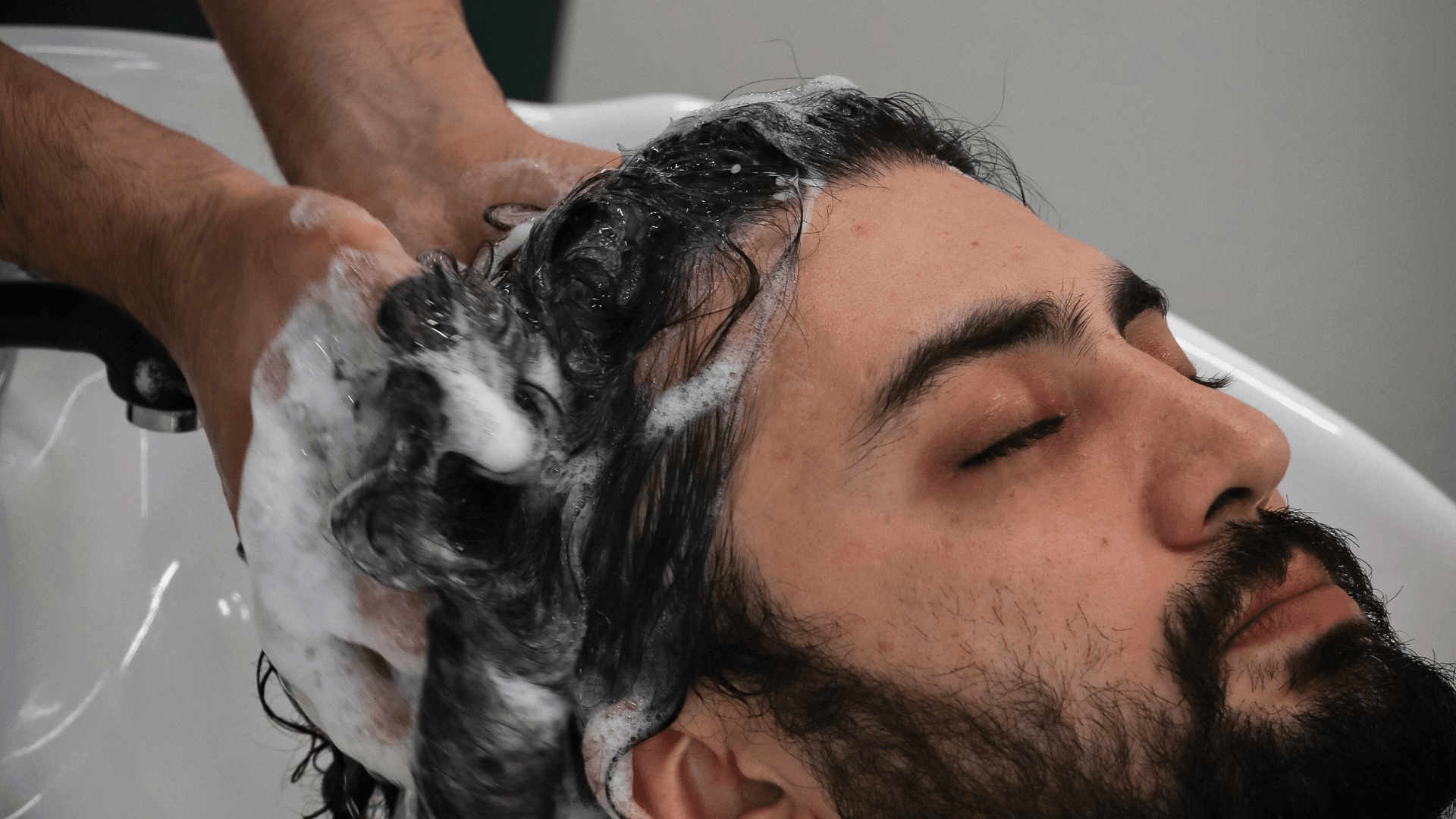
One of the easiest ways to incorporate scalp massage into a busy schedule is to do it while you are in the shower. The warm water and steam help to open up the pores and soften the skin, making the scalp more receptive to massage. Additionally, the shampoo provides excellent lubrication, allowing your fingers to glide effortlessly. Instead of rushing through your hair washing routine, take an extra two or three minutes to really work the shampoo into your roots using massage techniques. It turns a mundane chore into a spa-like experience. If you are unsure of the technique, you can always ask for advice or observe the method used next time you look for a “barbershop near me” for a haircut.
When shampooing, focus on cleaning the scalp rather than scrubbing the hair strands. Use your fingertips to lift debris, oil, and sweat from the roots. The massage action helps to exfoliate the scalp, removing dead skin cells that can clog follicles and inhibit hair growth. This deep clean ensures that your hair follicles can “breathe” and are not suffocated by buildup. Rinse thoroughly while continuing to massage to ensure all product is removed. This habit ensures you are massaging your scalp at least a few times a week, providing consistent stimulation without needing to set aside a separate time block in your day.
9. Try the Inversion Method
For those looking to supercharge their hair growth efforts, the “inversion method” is a popular technique to try. This involves hanging your head upside down—either by bending over at the waist or hanging off the side of a bed—while performing your scalp massage. The theory is that gravity will help rush blood to the head at a much faster rate than when standing upright. This intense surge of circulation is believed to wake up dormant follicles and encourage faster growth. It is typically recommended to do this for about four minutes at a time for one week each month.
While engaging in the inversion method, be gentle. Use the same circular motions with your fingertips, covering the entire scalp. It is important to rise slowly after you finish to avoid dizziness or lightheadedness. This technique is not suitable for everyone, particularly those with blood pressure issues, back pain, or vertigo, so proceed with caution. However, for many, it is a potent booster that combines gravity and massage to maximize nutrient delivery to the roots. It is an advanced tip that can be added to your routine periodically to shake things up and stimulate the scalp in a new way.
10. Use a Scalp Massage Tool
If your fingers get tired easily or you want a different sensation, consider investing in a scalp massage tool. There are various types available, from handheld silicone brushes with thick bristles to wire “head scratchers” and electric vibrating massagers. Silicone brushes are particularly great for use in the shower; they exfoliate the scalp effectively and help lather shampoo without tangling the hair. Electric massagers can provide a deeper, more consistent vibration that manually stimulating with fingers cannot replicate. These tools can help penetrate deeper into the tissue and require less physical effort from you.
Using a tool can also ensure more even pressure distribution. For example, a spider-style massager hits multiple points on the head simultaneously, sending tingling sensations down the spine and inducing rapid relaxation. When choosing a tool, look for one with smooth tips to avoid scratching. Clean your tool regularly to prevent bacteria buildup. Incorporating a device can make the habit more enjoyable and sustainable, as it adds an element of ease and novelty to the routine. Whether you use it daily or just for a deep relaxation session on weekends, a tool can be a valuable ally in your quest for healthy roots.
11. Breathe Deeply for Relaxation
The benefits of scalp massage are not purely physical; they are also deeply connected to stress relief. Stress causes the body to produce cortisol, a hormone that can disrupt the hair growth cycle and lead to shedding. Therefore, the relaxation aspect of the massage is just as important as the mechanical stimulation. To maximize this benefit, coordinate your massage with deep, slow breathing. Inhale deeply through your nose, filling your diaphragm, and exhale slowly through your mouth. This signals your parasympathetic nervous system to activate, moving your body out of “fight or flight” mode and into “rest and digest.”
As you massage a tension spot, imagine breathing into that area. This mindfulness helps to release tightness more effectively than mechanical rubbing alone. By consciously relaxing your shoulders, unclenching your jaw, and slowing your breath, you create a holistic environment of healing. This reduction in systemic stress creates a hormonal balance that favors hair growth. Make your massage time a quiet, meditative practice where you disconnect from the worries of the day. The combination of touch and breath is a powerful antidote to the stress of modern life, protecting your hair from stress-related thinning.
12. Be Patient and Consistent
Like any natural health remedy, scalp massage is not a quick fix. You are unlikely to see inches of growth after just one session. The key to seeing results is long-term consistency. Aim to massage your scalp daily or at least every time you wash your hair. It takes time for the improved circulation to affect the hair growth cycle and for the roots to become stronger. You might start to notice changes in hair texture, shine, and scalp health within a few weeks, but significant length retention and thickness improvements may take several months.
Do not get discouraged if the results are not immediate. Think of it as exercise for your scalp; you wouldn’t expect a six-pack after one trip to the gym. Establish a routine that works for you, perhaps doing it while watching TV in the evening or right before bed to help you sleep. Tracking your progress with photos can be helpful to see the gradual improvements over time. The commitment to the process is what yields the reward. By sticking with it, you are investing in the long-term future of your hair health.
13. Combine with Healthy Habits
Scalp massage is a powerful tool, but it works best when part of a broader healthy lifestyle. You cannot massage your way out of a poor diet or extreme dehydration. To truly support healthy roots, ensure you are drinking plenty of water, eating a diet rich in protein and vitamins (like Biotin, Vitamin E, and Iron), and getting adequate sleep. Hydration ensures the blood that is circulating to your scalp is voluminous and can carry nutrients effectively. Nutrition provides the building blocks the follicles need to construct the hair shaft.
Think of scalp massage as the delivery system. It brings the nutrients to the door, but you need to make sure the nutrients are there in the first place. Avoiding smoking and excessive alcohol consumption also helps, as these habits can constrict blood vessels and impair circulation. When you combine the mechanical stimulation of massage with a body that is fueled and rested, you create an unstoppable environment for hair growth. It is a synergistic approach where every healthy choice reinforces the others, leading to the best possible version of your hair.
Conclusion
Scalp massage is a simple, cost-effective, and highly beneficial practice for anyone looking to improve the health of their roots and hair. By using the proper techniques—such as gentle circular motions, incorporating natural oils, and focusing on tension areas like the crown and nape—you can significantly boost blood circulation and nutrient delivery to your follicles. It requires no expensive equipment, just your hands and a few minutes of your day.
Remember that consistency and patience are vital. Integrating these thirteen tips into your regular grooming routine will not only help your hair grow stronger and healthier but also provide a daily moment of relaxation and stress relief. Treat your scalp with the same care and attention you give to the rest of your body, and your hair will thank you with vitality and strength. Start your massage journey today, and lay the foundation for a lifetime of healthy hair.