
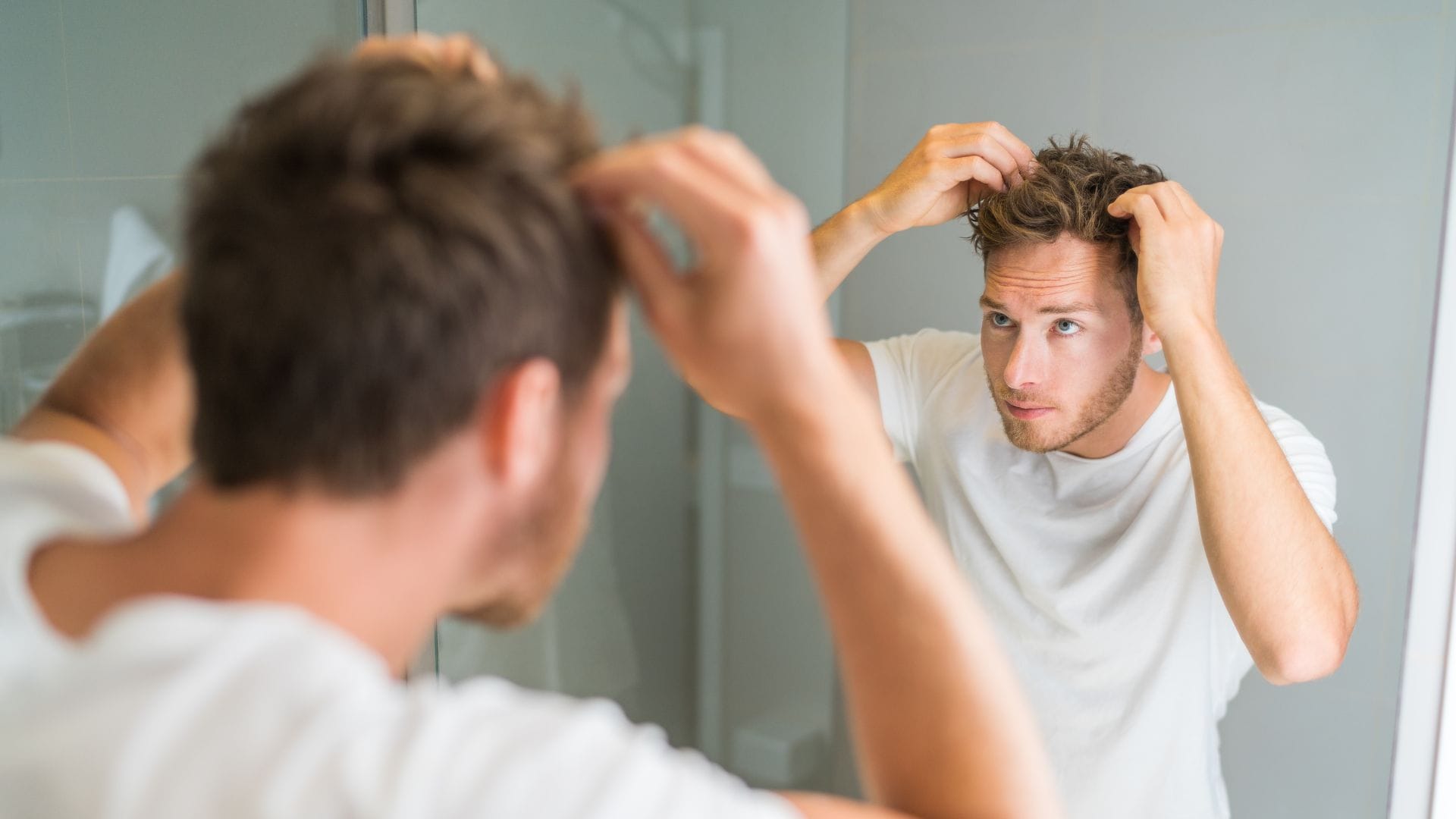
Frizzy hair can be a daily challenge. It often feels like a constant battle against humidity and dryness. However, with the right techniques and products, it is possible to manage frizz and achieve smoother hair. This guide provides thirteen practical tips to help control frizz and enhance hair health.
1. Understand Your Hair Type
The foundation for managing frizz effectively begins with understanding your hair type and the underlying reasons for the frizz. Frizz typically occurs when the outer layer of your hair, known as the cuticle, lifts, allowing moisture from the air to enter and swell the hair strands. This is most common in dry or damaged hair, as it naturally seeks hydration from the environment. Additionally, curly and wavy hair types are inherently more prone to frizz, as their structure prevents natural oils produced by the scalp from evenly coating the strands. This lack of natural lubrication can leave hair dry and vulnerable.
Knowing whether your hair is naturally curly, wavy, straight, or suffers from dryness or damage is crucial when deciding on the right hair care products and routines. For instance, curly-haired individuals might benefit from deeply nourishing treatments like hydrating masks, while those with damaged hair might require products focused on repair and restructuring. Identifying the specific needs of your hair will empower you to target frizz at its source, rather than merely addressing the symptoms.
2. Seek Professional Advice at a Barbershop
While there are many at-home remedies and products available, sometimes the best strategy is to consult a professional hairstylist. Visiting a barbershop or salon staffed with trained stylists can make all the difference in controlling frizz and understanding your hair’s unique needs. A professional can assess the current condition of your hair, determine the root causes of the frizz, and recommend treatments tailored to your specific requirements.
For example, scheduling an appointment at a reputable barbershop in New York can be particularly beneficial. The stylists in such establishments are not only experienced with a wide range of hair textures but are also familiar with the effects that the local climate has on hair. New York’s humidity, harsh winters, and pollution can take a toll on hair health, exacerbating issues like frizz. A skilled stylist can advise on how to combat these environmental factors, offer haircuts that minimize frizz, and suggest high-quality, salon-approved products designed for long-term results.
Additionally, professional treatments, such as keratin smoothing treatments or deep hydration therapies, which are commonly available at well-regarded barbershops, can be game-changing for managing frizz. Regular trims and maintenance provided by a professional can also help eliminate split ends—a significant contributor to frizz—keeping your hair healthy and manageable. Investing in expert advice ensures that your hair not only looks great but also feels strong and smooth over time, making it a worthwhile step in your frizz-fighting routine.
3. Wash Your Hair with Lukewarm Water
While hot showers might feel incredibly relaxing after a long day, they can be surprisingly damaging to your hair. Hot water opens up the hair cuticle, which, while helpful for cleansing, can also strip away essential natural oils that your scalp produces to keep your hair moisturized and healthy. This depletion of oils leaves your hair vulnerable to dryness, which is often a precursor to frizz. Furthermore, the raised cuticle caused by hot water makes the hair shaft rough and more prone to tangling, which can exacerbate the appearance of frizz and make hair appear duller over time.
On the other hand, washing your hair with lukewarm or even cool water helps maintain the integrity of your hair’s cuticle. Cooler temperatures allow the cuticle to lay flat, sealing in moisture and improving the hair’s ability to reflect light, which results in noticeably shinier, healthier, and smoother locks. Additionally, rinsing with cooler water at the end of your shower can help to “close” the cuticle after washing and conditioning, creating a natural barrier that protects the strands from environmental stressors such as humidity, which is a notorious culprit in frizz formation. Making this simple switch from hot to lukewarm or cool water might seem small, but the impact on your hair’s texture, manageability, and overall frizz level can be profound.
To incorporate this practice into your routine, start with lukewarm water to thoroughly rinse away dirt, oil, and any product buildup before applying shampoo. Follow this with a warm rinse to activate your shampoo and conditioner. Finish with a cool rinse to seal the moisture in—this last step is particularly effective after applying a conditioner or leave-in treatment.
4. Avoid Using the Wrong Shampoo
The right shampoo is the foundation of a good hair-care routine and plays a pivotal role in combating frizz. Unfortunately, many popular shampoos contain harsh ingredients, such as sulfates, which are detergents commonly used to create rich lather. While sulfates can help remove dirt and oil efficiently, they also tend to strip the hair of its natural oils. These oils are essential for maintaining hydration and ensuring that the hair cuticle remains smooth. Without them, your hair can quickly become dry, brittle, and frizz-prone.
Instead, opt for a shampoo that is gentle, moisturizing, and free from sulfates. Ingredient lists on shampoo bottles can be intimidating, but looking for terms like “sulfate-free,” “hydrating,” or “moisturizing” can help you identify suitable options. Shampoos containing nourishing ingredients such as argan oil, shea butter, coconut oil, or aloe vera are particularly effective at combating dryness and replenishing moisture in the hair. For curly or wavy hair types, specialized shampoos designed to maintain curl definition while minimizing frizz can provide additional benefits.
Another key aspect of shampoo selection is choosing one suited to your individual hair type and texture. For fine hair, overly rich shampoos may weigh strands down, while thicker, coarser hair may require deep hydration from oil-enriched formulas. Additionally, individuals with color-treated or chemically straightened hair should seek shampoos formulated specifically to protect treated hair while providing added hydration.
Gentle cleansing with the right product ensures that the scalp remains healthy and free of buildup without disrupting the hair’s delicate moisture balance. Remember, healthy scalp care leads to healthier, frizz-free hair. Avoid shampooing every day if possible—washing 2–3 times a week is ideal, allowing your scalp to produce and distribute natural oils more evenly.
5. Condition Correctly and Deep Condition Weekly
Conditioner is your best line of defense against dryness and frizz. It works by hydrating the hair and smoothing the cuticle, which makes strands less prone to absorbing excess humidity from the environment—a major factor in frizz formation. A proper conditioning routine can greatly enhance your hair’s moisture retention, elasticity, and overall manageability.
After shampooing your hair, ensure you are applying conditioner correctly to maximize its benefits. Always focus on distributing conditioner through the mid-lengths and ends of your hair, as this is where dryness and damage are most likely to occur. Avoid applying conditioner directly to the roots, as this can lead to an overly greasy scalp. Leave the product in for a few minutes to allow it to penetrate deeply before rinsing thoroughly.
For an even greater moisture boost, incorporate a deep conditioning treatment into your weekly routine. Deep conditioners or intensive masks are formulated with highly nourishing ingredients like keratin, proteins, or plant-based oils that repair the damage and replenish moisture at a more concentrated level. Apply these treatments generously, focusing on the driest parts of your hair. Most deep conditioners suggest leaving them on for 10–20 minutes for best results, so take this opportunity to relax while your hair is revitalized. Using a shower cap or applying gentle heat with a warm towel can help the treatment penetrate even more effectively.
Consistency is crucial when addressing frizz. Making regular, mindful use of deep conditioning treatments alongside your daily conditioner can create long-term improvements in your hair’s texture and appearance, leaving it smoother, shinier, and far more resilient to humidity and external stressors.
6. Consider the Shape of Short Haircuts
The right haircut plays a crucial role in managing frizz, particularly for those with shorter hair. Choosing the appropriate style can minimize puffiness and help your hair fall more naturally, creating a neat and cohesive look despite humidity or dryness. For frizz-prone hair, layered cuts can work wonders by strategically balancing the hair’s volume and weight. Subtle, well-placed layers can help reduce bulk and make the hair lie smoothly, rather than allowing it to stick out or puff up awkwardly. Likewise, selecting styles that enhance your natural texture instead of fighting against it can also be transformational. For example, pixie cuts with longer layers near the crown or angled bobs tailored to your face shape can combine functionality with style.
It’s also important to think about your hair’s density and curl pattern when deciding on the best short haircut. A knowledgeable stylist or barber will assess these factors, ensuring that the cut complements your hair type and requires minimal upkeep. The wrong cut, such as blunt styles or overly short layers, can exacerbate frizz by disrupting the natural flow of your strands. Similarly, if your hair is naturally curly or wavy, opting for cuts that work with your natural spiral shapes rather than against them can add definition, streamline your hair, and prevent a frizz-prone appearance. Regular salon visits for trims are also pivotal in maintaining the shape of the cut and cutting off split ends, which can otherwise contribute to frizziness over time.
7. Use a Microfiber Towel or T-Shirt to Dry
How you dry your hair plays an often-overlooked but essential role in controlling frizz. Traditional bath towels, while convenient, are surprisingly harsh on your hair. The rough texture and vigorous rubbing action that many people use to dry their hair with these towels can cause significant friction and disrupt the hair cuticle layer. This not only weakens your hair over time but also leads to an unruly, frizzy appearance post-drying. To keep your hair smooth and controlled, consider skipping the bath towel entirely.
Instead, opt for a soft microfiber towel or even an old cotton t-shirt as a safer, more effective alternative. Microfiber towels are designed to be highly absorbent while maintaining a soft texture that is gentle on your strands and scalp. The fine fibers in these towels help soak up excess water without creating static or roughening the cuticle layer, minimizing frizz in the process. Similarly, a cotton t-shirt’s smooth and soft surface can carefully draw out moisture without generating friction or stress.
The way you use these alternatives matters just as much as the material itself. Hair should be handled gently—avoid the temptation to rub your head back and forth vigorously, as this can still disrupt the cuticle. Instead, try blotting or squeezing your hair with the microfiber towel or t-shirt, starting from the roots and working your way toward the tips. By doing so, you reduce the likelihood of creating breakage or disturbing the strands any further, resulting in a smoother, shinier finish once your hair dries naturally or is styled.
8. Get a Personalized Routine from a Barber
When dealing with persistent frizz, a one-size-fits-all hair care approach is rarely effective. What works for someone with fine, slightly wavy hair may not suit someone with thick, tightly curled locks. This is why consulting with a professional barber, especially one experienced in addressing diverse hair types and textures, can be a game-changer in managing frizz. A skilled barber in New York, for instance, can provide tailored advice on haircuts, products, and care techniques based on your unique hair concerns and lifestyle.
One of the first steps in crafting a personalized routine is an evaluation of your hair type, porosity, and overall health. These factors determine how your hair reacts to humidity, products, and styling methods. A professional will likely suggest or help you select shampoos, conditioners, and styling products that address your needs. For example, they might recommend sulfate-free shampoos to preserve natural oils or leave-in conditioners that offer some extra protection from environmental factors. Furthermore, they may introduce you to anti-frizz serums or heat protectants that are ideal for keeping your hair smooth and shiny during styling.
Beyond product recommendations, barbers can also teach you styling techniques that reduce frizz. They’ll help you understand how to layer products effectively or manage drying and heat styling to work with your cut and texture. Additionally, they may advise you on simple day-to-day advice, such as proper brush types to use with your hair or how to handle your hair post-wash to avoid unnecessary breakage and frizz.
Overall, with a professional’s guidance, you gain not just a haircut, but an entire regimen tailored to combat frizz while enhancing your hair’s natural beauty. An experienced barber will also encourage regular check-ins, giving you the opportunity to tweak your routine as your hair changes over time, ensuring your locks remain adaptable and well-maintained in every season.
9. Apply Leave-In Conditioner and Serums
After washing your hair, one of the most important steps in fighting frizz is proper post-wash care, starting with a leave-in conditioner. This lightweight product not only provides an extra boost of hydration but also helps to detangle your tresses seamlessly, reducing the likelihood of breakage during styling. Choose a leave-in conditioner that complements your hair type—thicker creams work excellently for thick, curly, or coarse hair, while lighter sprays are ideal for fine or straight hair. Carefully distribute the product, focusing on the mid-lengths and ends of your hair where dryness and frizz are most common.
Once the leave-in conditioner has been applied, follow up with a few drops of anti-frizz serum or hair oil. These products are specifically designed to seal the hair cuticle, which is the outermost layer of the hair strand. A sealed cuticle lays flatter and is less prone to absorbing excess moisture from the environment, which is a key contributor to frizz. When applying these products, less is more—start with a small amount and gradually add more if needed, concentrating again on the mid-lengths and ends. It’s best to apply these treatments to damp hair to lock in moisture effectively. Anti-frizz serums often contain silicones, which provide a smooth and polished finish, while natural oils like argan oil or jojoba oil offer nourishment alongside frizz control. This combination of products creates a protective barrier against humidity and leaves the hair looking shiny, sleek, and well-managed.
10. Protect Hair from Heat Styling
Heat styling is one of the leading culprits behind frizz and damage. Tools like blow dryers, flat irons, and curling wands can strip hair of its natural moisture, leaving it brittle, dry, and prone to frizz. To safeguard your hair against these effects, always start with a quality heat protectant spray before applying any heat. These sprays are designed to coat the hair shaft with a thin layer that deflects heat, minimizing the risk of damage. For best results, choose a heat protectant tailored to your styling needs—some products offer additional benefits such as added shine or hold, making them multi-functional.
If possible, allow your hair to air dry around 80% before reaching for the blow dryer. This not only reduces your overall heat exposure but also helps minimize frizz caused by prolonged drying time under high heat. Use your blow dryer on the lowest heat or cool setting to finish drying, as extreme heat can lift the cuticle and create frizz. Additionally, consider using a nozzle attachment to direct the airflow downward, ensuring the hair cuticle stays closed and smooth. If you plan to use flat irons or curling wands, ensure the tools are set to appropriate temperatures—fine or damaged hair requires lower heat, while thicker or coarser hair can handle slightly higher temperatures. Always work in small sections when styling, as this ensures even heat distribution and prevents the need for repeated passes, which can exacerbate damage.
11. Sleep on a Silk or Satin Pillowcase
Your choice of pillowcase can significantly impact the health and appearance of your hair. Cotton pillowcases, while popular, can absorb moisture from your hair throughout the night, leaving it dry and more prone to frizz by morning. Furthermore, the rough texture of cotton creates friction as you toss and turn, which can lead to hair breakage, knots, and a frizzier appearance. Transitioning to a silk or satin pillowcase offers a simple yet highly effective solution.
Silk and satin materials are smooth and non-absorbent, allowing your hair to retain its natural oils and moisture. This ensures that your hair wakes up looking hydrated and less tangled. These fabrics also reduce friction, allowing your hair to glide freely against the surface, preventing damage and preserving styles like curls or blowouts overnight. For an added benefit, consider pairing your silk or satin pillowcase with a satin or silk hair bonnet or scarf, as these provide an extra layer of protection, especially for those with curly or textured hair. This combination helps maintain your hair’s natural shape and shine, making it much easier to manage in the morning while dramatically reducing the chance of waking up to unwanted frizz.
12. Avoid Over-Brushing Dry Hair
Over-brushing dry hair is one of the quickest ways to generate static electricity and cause unnecessary breakage, which in turn worsens frizz. This happens because brushing dry hair with a regular plastic or nylon brush can create friction between the bristles and your hair strands, leading to rough cuticles and the appearance of untamed flyaways. Instead, it is highly recommended to use a wide-tooth comb or a brush specifically designed for detangling on wet hair, ideally when it is coated with conditioner. The conditioner acts as a lubricant, making it much easier to glide through your strands without pulling, tugging, or causing damage. For those with curly or textured hair, a detangling brush with flexible bristles can be particularly effective at working through knots while maintaining the integrity of your curls.
When managing dry hair, it’s best to minimize the use of traditional brushes altogether. Instead, try using your fingers to gently style or smooth your hair. This method not only reduces the risk of mechanical damage but also allows you to focus on specific areas, ensuring your hairstyle looks polished without generating unnecessary frizz. If you need additional smoothing, applying a lightweight styling cream or a few drops of hair oil to your fingertips before working through dry hair can combat flyaways while leaving your strands shiny and nourished.
13. Protect Hair from Humidity and the Elements
Humidity is a notorious enemy of frizz, as dry hair tends to absorb excess moisture from the air, causing the hair shaft to swell and the texture to become unruly. This means that protecting your hair from humidity is essential for maintaining a smooth, frizz-free look. One effective way to do this is by using anti-humidity hairsprays, serums, or creams formulated with ingredients like silicones or polymers, which create a protective barrier around each strand. These products help seal the hair cuticle, reducing porosity and preventing excess moisture from wreaking havoc on your hairstyle. To use them effectively, apply a small amount to damp hair before drying, ensuring even distribution, or finish your look with a light mist of anti-humidity spray for added protection.
On particularly humid or windy days, additional physical protection can be beneficial. Wearing a hat, scarf, or bandana over your hair not only shields it from environmental stress but also helps preserve your style throughout the day. Opt for accessories made from smooth, non-abrasive fabrics like silk or satin to prevent friction and static. Additionally, you can loosely tie your hair into a braid or bun to reduce its exposure to the elements, making it less likely to absorb moisture from the air. For those who spend extended periods outdoors, carrying a small bottle of anti-frizz serum or a portable, foldable scarf in your bag can be a game-changer for performing on-the-go touch-ups during unpredictable weather. By combining product-based solutions with practical measures, you can maintain sleek, soft, and manageable hair regardless of external conditions.
Conclusion
Managing frizzy hair requires a consistent and gentle approach. By incorporating these tips into a regular routine, from washing and conditioning to styling and protecting, it is possible to transform frizzy, unmanageable hair into smoother, healthier-looking locks. Patience and the right combination of techniques are the ultimate keys to success.