Long hair on men has evolved from a rebellious statement into a widely accepted and highly versatile fashion choice. Whether you have straight, wavy, or curly locks, growing your hair out opens up a vast new world of styling possibilities that short cuts simply cannot offer. It allows for creativity and expression, enabling you to switch between a rugged, masculine look and a sophisticated, polished appearance depending on the occasion. Managing long hair certainly requires more patience and care than a buzz cut, but the payoff is a distinctive style that stands out in a crowd.
Finding the right hairstyle for long hair depends on several factors, including your face shape, hair texture, and daily lifestyle. Some styles are practical and keep hair out of your face during workouts or work, while others are designed to showcase volume and flow for social events. This guide breaks down fourteen of the coolest hairstyles for men with long hair. From low-maintenance options for the guy on the go to intricate styles that require a bit more effort, there is something here to suit every preference. Read on to discover how to upgrade your look and make the most of your length.
1. The Classic Man Bun
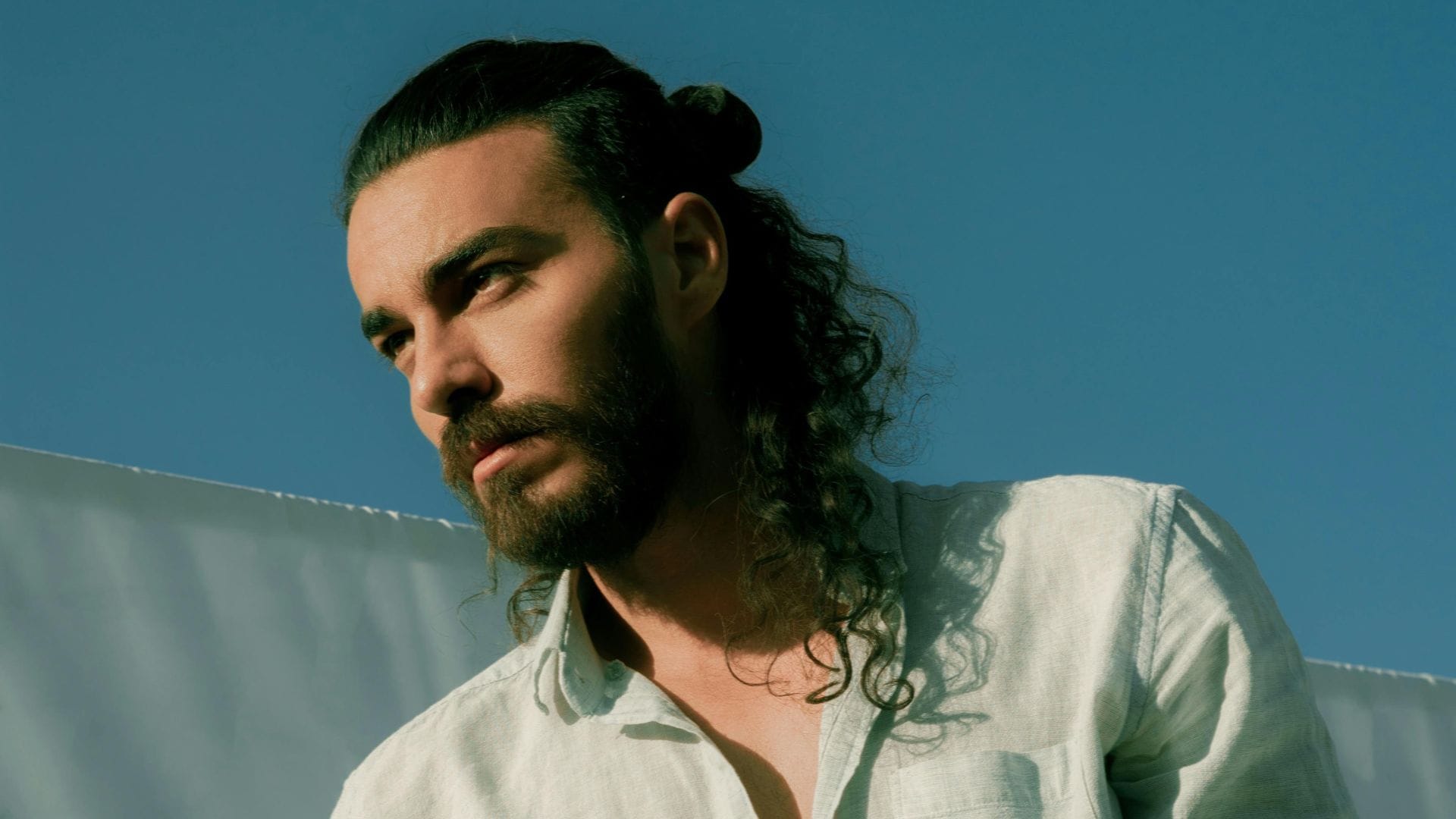
The man bun has solidified its place as one of the most popular and practical hairstyles for men with long hair. This style involves pulling all the hair back and securing it in a knot or bun, usually at the crown of the head or slightly lower towards the nape. Its primary appeal lies in its functionality; it keeps hair completely off the face and neck, making it an ideal choice for the gym, sports, or hot summer days. However, beyond its utility, the man bun offers a rugged aesthetic that pairs well with a full beard. It can be worn tight and neat for a more professional appearance or loose and messy for a relaxed, casual vibe.
To achieve a good man bun, you need at least six to eight inches of hair length to ensure everything stays secured in the hair tie. The positioning of the bun can dramatically change the look. A high bun draws the eye upward and can make the face appear longer, while a low bun sits closer to the neck and offers a more understated, classic feel. It is important not to pull the hair too tightly, as this can cause tension on the scalp and lead to hair breakage over time. Using a fabric-covered hair tie rather than a rubber band helps protect the hair shaft. This style works for almost all hair types and remains a go-to for its effortless cool factor.
2. The Top Knot with Fade
The top knot is often confused with the man bun, but there is a distinct difference between the two styles. While a man bun uses all the hair on the head, a top knot is typically paired with shaved or faded sides. This creates a high-contrast look that is edgy, modern, and very striking. The hair on top is kept long enough to be tied up, while the sides are clipped short, emphasizing the volume and knot at the crown. This style originated from samurai culture but has been adapted for the contemporary urban man. To keep the sides looking sharp and the fade blending perfectly, regular visits to a New York Barbershop or a skilled local stylist are necessary.
This hairstyle is excellent for men who want the length of a bun without the bulk and maintenance of full long hair. Because the sides are short, it keeps the wearer cooler and reduces the amount of time spent washing and drying hair. The top knot commands attention and works best for men with strong facial features or defined jawlines. It allows for versatility as well; when the hair is let down, it resembles a disconnected undercut, offering two very different looks in one haircut. The key to maintaining this style is keeping the separation line between the long top and short sides crisp and clean.
3. The Shoulder-Length Flow
The shoulder-length flow is a timeless style that celebrates natural texture and movement. This look is characterized by hair that reaches the shoulders and is allowed to hang loose, often with a middle or slightly off-center part. It projects a relaxed, laid-back energy often associated with surfers or rock stars. Unlike tied-up styles, the flow requires the hair to be healthy and well-maintained, as there is nowhere to hide split ends or dryness. It works particularly well for men with thick, wavy hair, as the weight of the length helps to pull the hair down and reduce puffiness.
Maintaining the “flow” involves regular trims to keep the ends healthy without sacrificing length. It is less about precise styling and more about keeping the hair conditioned and hydrated. Using a sea salt spray or a light styling cream can enhance the natural waves and add a bit of grit, preventing the hair from looking too fluffy or “done.” This style frames the face beautifully and softens angular features. It requires patience to grow out the awkward middle stages, but once achieved, it is a low-maintenance look that exudes confidence and ease. It is perfect for men who want to look stylish without appearing like they tried too hard.
4. The Half-Up Half-Down
The half-up half-down hairstyle offers the best of both worlds: it keeps the hair out of your eyes while still showing off your length. In this style, the top section of the hair is pulled back and secured in a bun or ponytail, while the bottom section is left to hang loose over the shoulders and back. This creates a visually interesting layered effect that is both practical and stylish. It is a popular choice for men with very thick hair, as pulling half of it up reduces the volume around the face while maintaining the overall long-hair aesthetic. You might even see variations of this practical style appearing in current Kids Hair Trends because it is manageable for active lifestyles.
This versatile look can be adapted for various occasions. A neat, tightly secured top section can look tidy enough for a casual office environment, while a looser, messier version is perfect for weekends or concerts. It works well with straight, wavy, and curly hair types. The half-up style also exposes the jawline and cheekbones, which can sometimes be hidden by fully loose hair. It is a fantastic transitional style for men who are growing their hair out and have reached a length where the front pieces are annoying but the back isn’t quite long enough for a full ponytail. It strikes a balance between control and freedom.
5. The Long Undercut
The long undercut is a bold and dramatic choice that combines extreme length with extreme shortness. Similar to the top knot, the sides and back are shaved or buzzed very short, but the hair on top is left significantly longer—often long enough to reach the chin or shoulders. Unlike the top knot, the long undercut is frequently worn loose, creating a “curtain” of hair that hangs over the shaved sides. This creates a severe, disconnected silhouette that is popular in goth, punk, and high-fashion circles. It is a statement cut that requires confidence to pull off.
Styling the long undercut offers many possibilities. You can sweep all the hair to one side for an asymmetrical look, slick it back for a severe, formal appearance, or tie it up to reveal the shaved areas underneath. This cut is particularly beneficial for men with extremely dense hair, as removing the hair from the sides and back significantly reduces the weight and heat on the head. However, it does require frequent maintenance to keep the short sections from looking grown-out and messy. The contrast is the key feature, so keeping the buzzed areas tight is essential for the full effect.
6. Wavy Surfer Hair
Wavy surfer hair is the epitome of the effortless, beach-ready look. It mimics the texture and volume hair gets after a day spent in the saltwater and sun. This style is loose, tousled, and full of natural movement. It is not about perfect precision; rather, it embraces a bit of messiness and grit. This look is ideal for men with naturally wavy hair, but it can also be achieved by men with straight hair using the right texturizing products. Understanding how to properly Style Curly Hair or wavy textures is crucial here; you want to enhance the wave pattern without creating frizz.
To achieve this look, products like sea salt sprays or texturizing mousses are your best friends. These products add a matte finish and separation to the strands, mimicking the drying effect of salt water. Avoid heavy gels or waxes that will weigh the hair down and make it look greasy. The goal is a matte, dry finish that looks like you just walked off the beach. This style is incredibly low maintenance in terms of cutting—you just need occasional dusting of the ends—but it does rely on keeping the hair clean and using the right product cocktail to get that perfect “undone” vibe.
7. The Slick Back
For a more refined and formal appearance, the long slick back is an excellent option. This style involves brushing all the hair backwards away from the forehead and temples, keeping it close to the head. It creates a streamlined, aerodynamic look that is very sophisticated. The slick back is often seen on red carpets and in boardrooms because it looks intentional and groomed. It works best on straight or slightly wavy hair, as very curly hair may struggle to lay flat without excessive product. It opens up the face completely, placing all the emphasis on your features.
Achieving a durable slick back requires a product with a decent hold. A strong pomade, gel, or grooming cream is applied to damp hair, which is then combed back from the hairline to the nape of the neck. For very long hair, you might tuck the ends behind your ears to keep them secure. While it looks very sharp, it is important to avoid the “helmet head” look by not using too much hard-drying gel. A product that offers some shine and pliability is usually preferred. This style commands respect and pairs exceptionally well with suits and formal wear.
8. The Classic Ponytail
The ponytail is perhaps the oldest and most straightforward way for men to manage long hair. It is functional, keeps hair out of the way, and can look quite sleek when done correctly. The hair is gathered at the back of the head and secured with an elastic band. While it is a simple concept, the execution matters. A messy, loose ponytail can look unkempt, while a neat, smooth ponytail looks professional and controlled. If you are unsure about the best height or tightness for your face shape, a consultation with a New York Barber or stylist can provide personalized advice on how to wear it best.
Positioning is key with a ponytail. A low ponytail at the nape of the neck is generally considered more masculine and professional, often preferred by men in creative industries or academia. A high ponytail creates a sportier, more energetic look. To prevent damage, it is vital to avoid pulling the hair too tight at the hairline, which can lead to traction alopecia (hair loss) over time. Using high-quality hair ties that don’t snag is also important. For a more polished variation, you can take a small strand of hair from the ponytail and wrap it around the elastic band to conceal it, securing it with a bobby pin.
9. Viking Braids
Braided styles have surged in popularity, largely driven by media depictions of Vikings and warriors. These intricate styles are not only visually impressive but also highly practical for keeping long hair under control for days at a time. Styles range from a single, simple plait down the back to complex cornrows or French braids that sit close to the scalp. Viking braids often incorporate multiple smaller braids joining into a larger one, or braiding the sides while leaving the top loose. This look projects strength, ruggedness, and a connection to history.
Creating these styles requires a bit of skill or the help of a friend or professional. However, once the braids are in, they serve as a protective style that prevents tangling and reduces the need for daily styling. They keep the hair secure during vigorous activity and offer a very distinct aesthetic that separates you from the crowd. Braids work best on hair that has a bit of grip or texture, so they may hold better on hair that hasn’t been freshly washed or has had some texturizing powder applied. It is a bold choice that shows a willingness to experiment with grooming.
10. Textured Layers
Adding layers to long hair is a technique used to remove excess weight and add movement. Without layers, long hair can sometimes look heavy, flat, and triangular, especially if it is thick. Textured layers involve cutting the hair at different lengths throughout the style, with shorter pieces on the top and outer layers and longer pieces underneath. This creates a shaggy, rock-and-roll vibe that is full of volume and life. It is the signature look of many rock stars and actors because it looks effortlessly cool and dynamic.
This style is particularly beneficial for men with wavy hair, as the layers encourage the natural curl pattern to spring up and form defined shapes. It makes the hair lighter and more comfortable to wear. Styling involves using a mousse or light cream to define the layers and prevent the hair from looking frizzy. The beauty of textured layers is that they can be messy; the wind can blow through the hair, and it will simply settle into a new, interesting shape. It is a less rigid style that requires a good cut as a foundation but very little daily effort to maintain.
11. The Shaggy Mess
The shaggy mess, sometimes called the “bedhead” look, is a celebration of imperfection. It is a style that looks like you just rolled out of bed, yet somehow managed to look incredibly stylish. It usually involves shoulder-length or slightly longer hair with choppy ends and plenty of texture. Unlike the smooth flow or the neat bun, the shag is intentionally disheveled. It is a grunge-inspired look that appeals to musicians, artists, and men who prefer a non-conformist aesthetic.
While it looks effortless, achieving the perfect “mess” usually requires a little bit of product. A matte paste or texture dust can be used to piece out sections of hair and create separation. The key is to avoid making it look greasy or dirty; the hair should be clean but styled to look rough. It works well with straight and wavy hair types. This style is very forgiving, as it doesn’t rely on precise lines or perfect symmetry. It frames the face in a soft, casual way and is perfect for men who want a low-maintenance routine that still has plenty of attitude.
12. Dreadlocks
Dreadlocks are a long-term commitment and a distinct lifestyle choice rather than just a haircut. This style involves matting or locking sections of hair into rope-like strands. Dreadlocks have deep cultural roots but have been adopted by men of all backgrounds as a way to wear long hair. They can be worn loose, tied back, or styled into updos. Dreads offer a unique texture and volume that no other style can replicate. They require a specific maintenance routine, including keeping the scalp clean and retwisting new growth to keep the locks neat.
Starting dreadlocks takes patience, as the hair takes time to mature and lock fully. There are different methods for starting them, including freeform (neglect), twisting, or crochet hooking. Once established, they are incredibly durable and can grow to impressive lengths. They eliminate the need for brushing or combing, but they do require careful washing and drying to prevent mildew. Dreadlocks make a powerful visual statement and can be styled in various ways, from thick, chunky locks to thinner, more numerous strands. It is a style that speaks of individuality and patience.
13. The Long Side Part
A long side part adds a touch of classic asymmetry to long hair. Instead of the center part used in the “flow” style, the hair is deeply parted on one side and swept over the top of the head. This instantly creates volume at the roots and frames the face differently. It can make a round face look more angular and adds a bit of drama to the look. This style is often seen on models and actors because it has a sweeping, romantic quality that is very photogenic.
To keep a deep side part in place with long hair, you might need to train your hair over time. Using a blow dryer to direct the damp hair to the side can help set the pattern. Tucking the smaller side behind the ear keeps the look tidy and prevents hair from falling in your face constantly. This style works well for formal events when you want to wear your hair down but still look groomed. It is a simple adjustment that completely changes the silhouette of your hair, offering a fresh alternative to the standard middle part.
14. The Mullet (Modern)
The mullet has made a surprising and vigorous comeback in recent years. The modern long mullet features hair that is significantly longer at the back than it is at the front and sides. However, unlike the jarring cuts of the 80s, the modern version often features a smoother transition or a fade on the sides to blend the lengths more seamlessly. It is a rebellious, high-fashion look that is popular among younger men and tastemakers. It allows you to keep the hair out of your eyes while still enjoying the length and flow at the back.
Styling a long mullet is all about texture. The top and front are often worn messy or textured, while the back is allowed to hang loose. It works exceptionally well with curly or wavy hair, as the texture adds volume and interest to the shorter sections. It is a polarizing style—people usually either love it or hate it—which makes it perfect for men who want to make a bold statement. It shows a sense of humor and a confidence in one’s own style. It is a fun, edgy way to wear long hair that breaks all the traditional rules of grooming.
Conclusion
Growing your hair long is a journey that opens the door to a wide array of styling options. Whether you prefer the disciplined look of a slick back, the practicality of a man bun, or the wild freedom of textured layers, there is a long hairstyle that fits your personality and lifestyle. Long hair is not a one-size-fits-all commitment; it can be adapted, cut, and styled to suit professional environments just as easily as casual ones.
The key to rocking any of these looks is maintenance. Long hair requires regular washing, conditioning, and trimming to look its best. Don’t be afraid to experiment with different products and techniques to find what works for your specific hair type. By choosing one of these fourteen cool hairstyles, you can transform your long locks into a signature part of your personal brand, proving that patience truly pays off when it comes to grooming.