
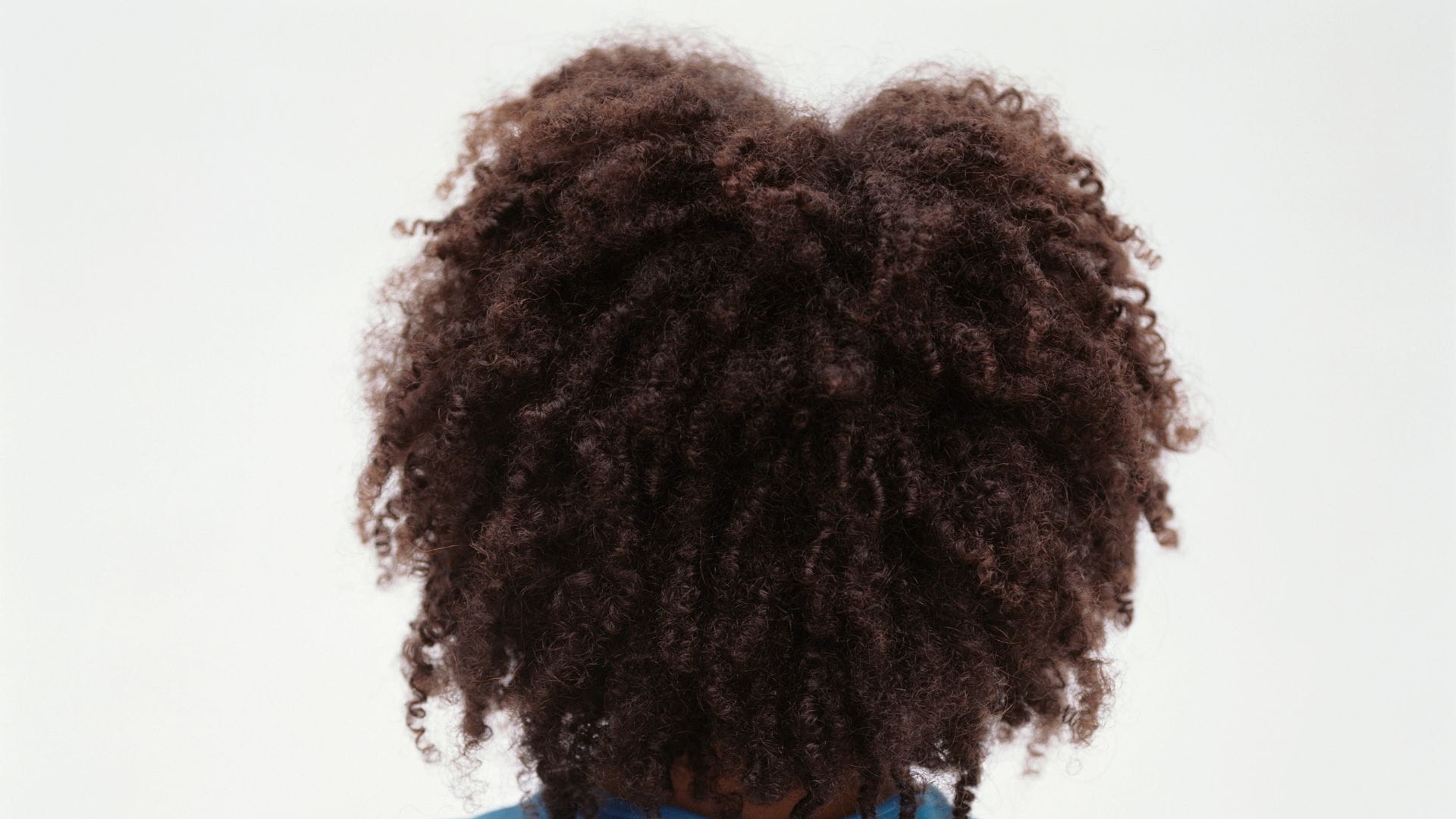
Frizzy hair can feel like a daily battle. One minute the hair looks smooth, and the next it puffs up into a cloud of flyaways and rough strands. Frizz happens when hair lacks moisture and lifts its outer layer to soak up water from the air. The good news is that frizz can be tamed with the right habits and a little patience. Smooth, healthy-looking hair does not require expensive salon trips or hours of work. It comes down to smart care and simple daily steps. This blog shares fourteen easy tips to manage frizzy hair, keep it soft, and help it stay under control no matter the weather.
1. Wash Hair the Gentle Way
How hair gets washed has a big impact on frizz. Washing too often strips away the natural oils that keep strands smooth, which leaves hair dry and puffy. Cutting back to two or three washes a week helps the hair hold onto its moisture. Using lukewarm water instead of hot water also matters, since hot water opens the hair cuticle and makes frizz worse.
The type of shampoo counts just as much. A gentle, sulfate-free shampoo cleans without being harsh on the strands. Massaging it into the scalp rather than scrubbing the lengths keeps the hair calm and smooth. Rinsing well removes any leftover product that could weigh hair down or cause buildup. A soft, careful washing routine sets the stage for smoother, calmer hair that fights frizz from the very first step of the day.
2. Choose the Right Haircut
A good haircut can make frizzy hair far easier to manage. Long, heavy layers can weigh hair down and help it lay flatter, while too many short layers can make frizz stand out more. Talking to a stylist about the best shape for the hair type helps a lot. The right cut removes damaged ends and gives the hair a neater, more controlled look.
A skilled barbershop can shape the hair so it works with its natural texture instead of fighting it. Regular trims every six to eight weeks keep split ends from creeping up the strand, since damaged ends often lead to more frizz. Explaining the frizz problem clearly during each visit helps the stylist choose the best approach. A smart cut is one of the easiest ways to keep frizzy hair looking tidy and healthy.
3. Condition Every Single Time
Conditioner is a frizzy hair essential, not an optional extra. Frizz thrives when hair is dry, so adding moisture back after every wash is key. A good conditioner smooths the outer layer of the hair and locks in hydration. Focusing the product on the mid-lengths and ends, where hair is driest, brings the best results and keeps strands soft.
Deep conditioning once a week gives frizzy hair an extra boost. A rich hair mask left on for a few minutes fills the strands with moisture and repairs some of the damage that causes frizz. Leaving conditioner in for a minute or two before rinsing lets it fully soak in. Well-conditioned hair feels softer, looks shinier, and resists frizz far better than dry, thirsty strands ever could.
4. Dry Hair the Smart Way
The way hair dries can either calm frizz or make it explode. Rubbing hair roughly with a regular towel roughens the cuticle and creates instant frizz. Instead, gently squeezing out water or patting the hair with a soft microfiber towel keeps strands smooth. An old cotton t-shirt works well too, since it is soft and causes far less friction.
People with Thick Wavy Hair often struggle most with frizz during drying, so extra care pays off. Letting hair air dry when there is time is one of the kindest options. If a blow dryer is needed, using a diffuser on a low heat setting spreads the air gently and protects the shape. Avoiding high heat and rough handling while drying keeps the hair calm, smooth, and much less likely to puff up.
5. Use a Leave-In Product
Leave-in products are a powerful tool against frizz. A leave-in conditioner or a light serum adds a protective layer that seals moisture inside the hair. This barrier stops the strands from soaking up damp air, which is a major cause of frizz. Applying it to damp hair right after washing locks in smoothness before the hair has a chance to dry out.
A little goes a long way with these products. Using too much can make hair feel greasy or heavy, so starting with a small amount is best. Warming the product between the palms first helps it spread evenly through the hair. Focusing on the ends and avoiding the roots keeps the hair from looking flat. A good leave-in product keeps strands soft, shiny, and protected all day long.
6. Boost the Scalp and Roots
Healthy hair starts at the scalp, and a healthy scalp helps fight frizz. A dry or unbalanced scalp can lead to weak, frizzy strands that are hard to control. Keeping the scalp clean and well cared for creates a strong base for smoother hair growth. Gentle exfoliation once a week removes buildup that can block the follicles and dry things out.
A relaxing Hair and Scalp Massage does more than feel good. It boosts blood flow to the roots, which supports stronger and healthier hair over time. Using a few drops of a light oil during the massage adds moisture and helps calm dryness. Spending just a few minutes a few times a week makes a real difference. A happy, healthy scalp leads to hair that is softer, stronger, and far less prone to frizz.
7. Pick the Right Comb and Brush
The wrong tools can turn smooth hair into a frizzy mess. Brushing dry hair, especially curly or wavy hair, often breaks up the natural pattern and creates frizz. A wide-tooth comb is a much better choice, since it glides through the hair without pulling or roughing it up. Combing gently while the hair is damp helps keep everything smooth.
Starting at the ends and slowly working up toward the roots prevents tugging and breakage. Yanking a brush through knots snaps strands and adds even more frizz. For those who prefer a brush, a soft boar bristle brush spreads the scalp’s natural oils down the hair and adds shine. Handling hair with a light, patient touch and the right tools keeps it neat, smooth, and free from unwanted frizz.
8. Get Professional Help When Needed
Sometimes frizzy hair needs a little expert care. A trained stylist can suggest treatments and products that match the exact hair type and problem. Professional smoothing treatments, when done safely, can cut down on frizz for weeks at a time. A good expert also spots damage and gives honest advice on how to fix it and prevent it from coming back.
Searching for a trusted barbershop near me is a smart first step toward finding steady, reliable help. A local professional makes it easier to book regular trims and treatments, which keeps frizz under control over the long run. Building a relationship with someone who knows the hair well means better results every visit. Sharing clear feedback about what works helps them fine-tune the care. Expert help can turn stubborn frizz into smooth, manageable hair.
9. Protect Hair From Humidity
Humidity is one of the biggest triggers for frizzy hair. When the air is damp, dry hair pulls in moisture and swells, which causes that puffy, rough look. Using an anti-humidity or anti-frizz product creates a shield that keeps damp air out. Applying it before heading outside on a muggy day helps the hair stay smooth for much longer.
A little planning based on the weather goes a long way. On very humid days, wearing hair in a loose bun or braid keeps it controlled and out of the frizz zone. Silicone-based serums are especially good at locking out moisture and sealing the strands. Keeping a small bottle of anti-frizz product handy makes it easy to fight humidity anytime. With the right protection, damp weather no longer has to mean a frizzy hair day.
10. Sleep on Silk or Satin
What happens at night affects how hair looks in the morning. Cotton pillowcases create friction as the head moves during sleep, which roughens the hair and causes frizz and tangles. Switching to a silk or satin pillowcase lets the hair slide smoothly instead of rubbing and bending. This simple swap can make a noticeable difference by morning.
Longer hair benefits from a little extra nighttime care. Loosely tying it up or wrapping it in a silk scarf keeps it from getting crushed and frizzy while sleeping. Going to bed with soaking wet hair is best avoided, since wet strands are weak and more likely to frizz and break. A few smart bedtime habits help the hair stay smooth overnight, so mornings start with calmer, more manageable strands.
11. Cut Back on Heat Styling
Heat tools are a common cause of frizz and damage. Blow dryers, flat irons, and curling irons on high settings dry out the hair and roughen its surface over time. Damaged hair frizzes easily and loses its natural shine. Cutting back on heat styling, or using lower temperature settings, keeps the hair stronger and much smoother.
When heat is truly needed, a heat protectant spray makes a big difference. It forms a barrier that shields the strands from the worst of the damage. Keeping the tool moving instead of holding it in one spot prevents scorching and dryness. Letting hair air dry whenever possible gives it a break from heat. Less heat means healthier hair, and healthy hair naturally holds a smooth, frizz-free look far better.
12. Rinse With Cool Water
A cool rinse at the end of a shower is a simple trick with real benefits. Warm water opens the hair cuticle, which lets moisture escape and leaves hair prone to frizz. A quick blast of cool water at the end helps seal the cuticle back down. This locks in moisture and leaves the hair smoother and shinier.
The cool rinse only takes a few seconds, so it fits easily into any routine. Sealing the cuticle also helps the hair reflect more light, which boosts shine and gives a healthier look. It works well right after conditioning, trapping all that moisture inside the strands. This small habit costs nothing and adds no extra time, yet it makes a clear difference in keeping frizz calm and the hair looking polished.
13. Eat and Drink for Healthy Hair
What goes into the body shows up in the hair. Hair is made mostly of protein, so eating enough of it helps strands grow strong and smooth. Foods like eggs, fish, beans, and nuts give hair the building blocks it needs. A diet full of fruits and vegetables adds vitamins that support shine and overall hair health.
Hydration matters just as much. Drinking plenty of water keeps hair from drying out from the inside, which helps reduce frizz. Healthy fats, like those found in avocados and olive oil, add natural moisture and softness to the strands. Cutting back on too much sugar and processed food supports better hair over time. Feeding the body well is a simple, lasting way to build strong hair that resists frizz from the root.
14. Stick to a Steady Routine
Consistency is the secret to keeping frizz under control. Jumping between different products and habits confuses the hair and leads to unpredictable results. Sticking to a routine that works lets the hair settle into a smooth, healthy pattern. Once a good system is in place, managing frizz becomes second nature and takes very little thought.
A steady routine also makes it easier to spot what helps and what hurts. When frizz creeps back, small tweaks can be made without starting over completely. Keeping the same trusted products and habits saves time and removes daily guesswork. Smooth hair rarely comes from one big effort. It comes from many small, steady steps repeated day after day, and that consistent care is what keeps frizz calm for good.
Final Thoughts
Managing frizzy hair does not have to feel like a constant struggle. It comes down to simple, steady habits like washing gently, conditioning well, drying with care, and protecting the hair from heat and humidity. Smart tools, a good haircut, healthy eating, and a consistent routine all work together to keep strands smooth and soft. Start with just a few of these tips and build from there, adding new habits as they become easy and natural. With a little patience and steady care, frizzy hair can turn into hair that feels smooth, looks shiny, and stays manageable every single day.