
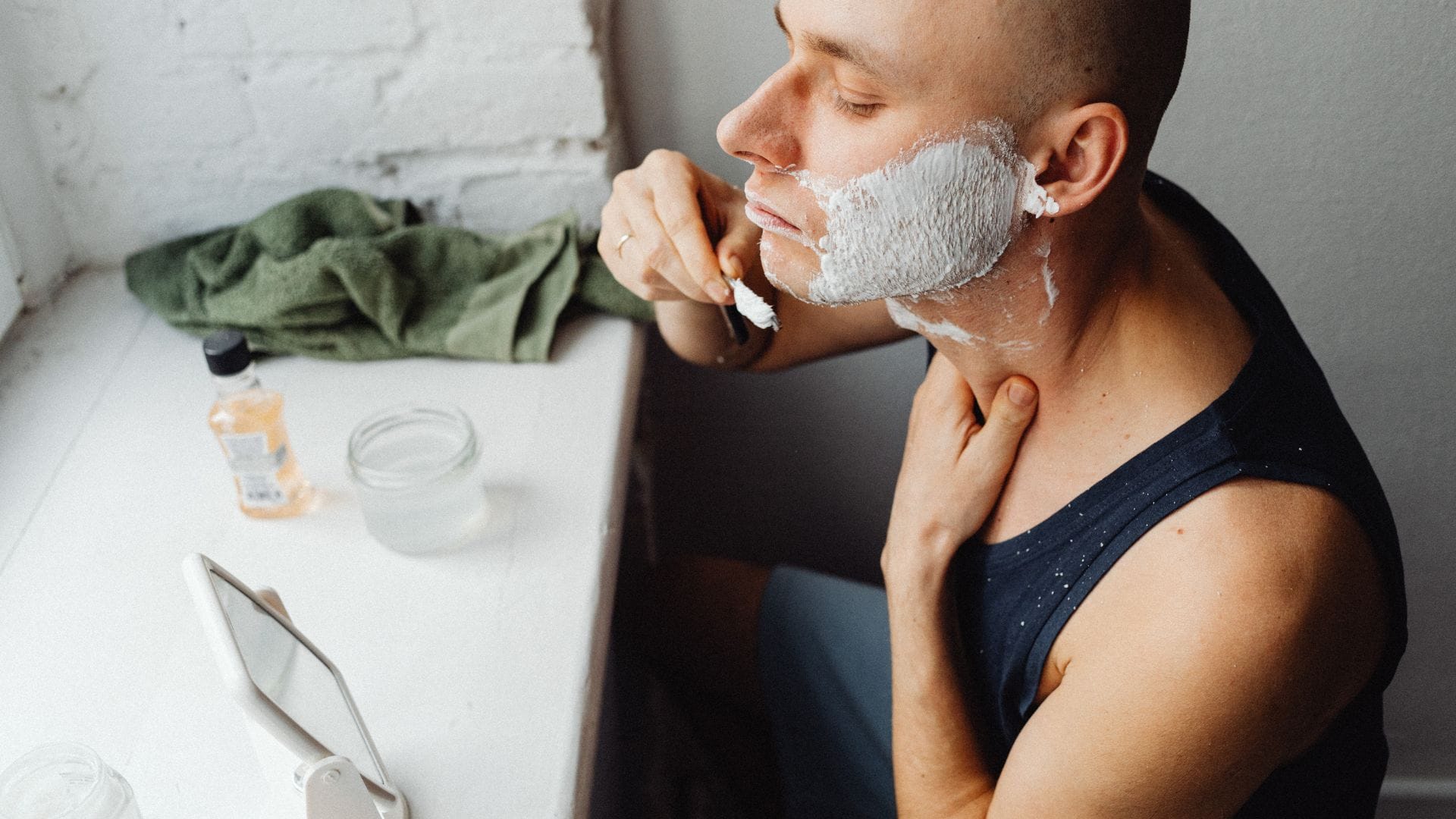
Achieving a clean, close shave is an art form. It goes beyond simply dragging a blade across the skin. The right preparation, technique, and aftercare can transform shaving from a daily chore into a satisfying ritual. A superior shave leaves the skin feeling smooth, refreshed, and free from irritation. To get that barbershop-quality result at home, having the correct set of tools is not just a luxury; it is a necessity. Each tool plays a specific role in the process, from preparing the skin and hair to soothing it after the shave is complete. This guide will walk through the twelve essential items that form the foundation of a perfect shaving routine, explaining the purpose and benefit of each one. Investing in these tools will elevate the shaving experience and lead to consistently better results.
1. High-Quality Razor
The centerpiece of any shaving kit is the razor itself. The choice of razor significantly impacts the closeness of the shave and the comfort of the skin. There are several types to consider, each with its own advantages. Cartridge razors are popular for their convenience and ease of use, featuring multiple blades designed to lift and cut hair below the skin’s surface. Safety razors, with their single, double-edged blade, are favored by traditionalists for providing a very close shave while minimizing irritation and ingrown hairs once the technique is mastered.
Straight razors offer the ultimate in closeness and control but require a high level of skill and maintenance. Regardless of the type chosen, quality is paramount. A well-constructed razor with a balanced handle provides better control and maneuverability around the contours of the face. The quality of the blades is equally important; sharp, well-made blades cut hair cleanly without pulling, which is a primary cause of razor burn and discomfort. A great razor is a long-term investment in skin health and appearance.
2. Shaving Brush
A shaving brush is an indispensable tool for anyone serious about getting a great shave. Its primary function is to whip shaving cream or soap into a rich, thick lather and apply it to the face. Using a brush helps to lift the facial hair off the skin, making it easier for the razor to cut cleanly. This lifting action ensures that the blade can get closer to the base of the hair follicle for a smoother result. Additionally, the bristles of the brush gently exfoliate the skin, removing dead skin cells and clearing away debris that could clog the razor. This exfoliation helps prevent ingrown hairs and leaves the skin feeling smoother.
Shaving brushes come with different types of bristles, such as badger, boar, or synthetic fibers. Badger hair is often considered the gold standard for its ability to hold a large amount of water and create a superior lather. The experience of using a brush also adds a certain meditative quality to the shaving routine, turning it into a more enjoyable process. For those seeking the ultimate professional experience at home, replicating a service like a Razor Shave in New York starts with fundamental tools like a quality brush.
3. Shaving Cream or Soap
Shaving cream or soap is the lubricant that makes the whole process possible. Its purpose is to create a protective barrier between the razor blade and the skin, allowing the razor to glide smoothly instead of dragging. This lubrication is crucial for preventing nicks, cuts, and irritation. A high-quality shaving cream or soap does more than just lubricate; it also helps to soften the facial hair, making it much easier to cut. Softer hair requires less force to slice through, which further reduces the risk of skin irritation.
Many premium shaving products are formulated with skin-friendly ingredients like glycerin and natural oils that moisturize and nourish the skin during the shave. This is a significant upgrade from canned foams, which often contain drying alcohols and propellants that can strip the skin of its natural moisture. Whether choosing a traditional hard soap puck or a soft cream from a tube, the key is to find a product that produces a thick, stable lather and contains ingredients that benefit the skin. The right product leaves the skin feeling hydrated and comfortable, not tight and dry.
4. Pre-Shave Oil or Cream
For many, pre-shave oil is the secret weapon against razor burn and irritation. Applied to the face before the shaving lather, this product provides an extra layer of lubrication and protection for the skin. Its primary role is to soften the beard hair even further, making it supple and easier for the razor to slice through. This is particularly beneficial for men with thick, coarse facial hair or sensitive skin. Pre-shave oil creates a slick surface on the skin, allowing the razor blade to glide with minimal friction. This reduction in drag is critical for preventing the redness and discomfort commonly known as razor burn.
Many pre-shave oils are formulated with a blend of natural oils, such as jojoba, grapeseed, or almond oil, which also help to moisturize the skin and lock in hydration. This preparatory step ensures the face is in optimal condition before the blade ever touches it. While some may consider it an optional step, those who incorporate a pre-shave product into their routine often find it makes a remarkable difference in the overall comfort and result of their shave. The process mimics the preparation for a professional Hot Towel Shave, ensuring the skin and hair are perfectly prepped.
5. Shaving Bowl or Mug
A shaving bowl or mug is a simple yet effective tool for building the perfect lather. While it’s possible to create lather directly on the face or in the palm of a hand, using a dedicated bowl offers superior results and a more refined experience. A bowl provides the space needed to properly work the shaving brush, incorporating the right amount of water and air into the shaving cream or soap. This process, known as blooming, results in a lather that is thick, creamy, and stable—the ideal consistency for a protective and comfortable shave. A well-made lather will not dry out quickly and will provide continuous lubrication throughout the shave.
Shaving bowls are designed specifically for this purpose, often featuring ridges or textures on the bottom to help agitate the cream and build volume more quickly. They can be made from various materials, including ceramic, stainless steel, or wood. Using a bowl keeps the process tidy and allows for the creation of enough lather for multiple passes without having to reload the brush. It is a fundamental accessory for those who use traditional shaving soaps or creams and want to achieve the richest lather possible.
6. Styptic Pencil or Alum Block
Even with the most careful technique and the best tools, minor nicks and cuts can occasionally happen. A styptic pencil or an alum block is an essential item for dealing with these small mishaps quickly and effectively. A styptic pencil contains an astringent, typically aluminum sulfate, that works to stop bleeding almost instantly by constricting blood vessels. It is applied directly to the small cut, providing a quick and hygienic solution. An alum block, made from a naturally occurring mineral salt called potassium alum, serves a similar purpose but can be used over the entire face after shaving.
When the wet block is rubbed over the skin, its antiseptic properties help to kill surface bacteria, preventing infection in any tiny nicks. It also acts as an astringent, tightening the skin and closing the pores. A slight stinging sensation upon application can indicate areas where the razor may have caused minor irritation, providing valuable feedback on shaving technique. Both tools are inexpensive but invaluable additions to any shaving kit for their ability to provide post-shave first aid and toning. A professional shave often concludes with a similar step, and it’s a detail that distinguishes a good shave from a great one, especially when crafting detailed Moustache Styles.
7. Aftershave Balm or Lotion
The final step in a proper shaving routine is post-shave care, and an aftershave balm or lotion is the key product for this stage. Shaving is an exfoliating process that can strip the skin of its natural oils, leaving it vulnerable and dry. An aftershave is designed to rehydrate, soothe, and protect the skin. Unlike old-fashioned, alcohol-heavy splashes that can sting and dry out the skin, modern aftershave balms and lotions are formulated with moisturizing and healing ingredients. Ingredients like aloe vera, chamomile, shea butter, and various vitamins help to calm any redness or irritation, reduce inflammation, and restore the skin’s moisture barrier.
Applying a quality aftershave balm immediately after rinsing the face helps to lock in moisture and provides a soothing sensation. This step is crucial for preventing post-shave tightness and promoting skin recovery. It leaves the skin feeling soft, smooth, and comfortable, rather than irritated and raw. Choosing an aftershave with a light, pleasant scent can also be a nice finishing touch, leaving a subtle fragrance that isn’t overpowering.
8. Razor Stand
A razor stand may seem like a purely aesthetic accessory, but it plays a vital functional role in maintaining the quality and longevity of shaving tools, particularly the razor and shaving brush. Proper storage is crucial for hygiene and performance. After use, a shaving brush needs to be hung with the bristles facing down to allow water to drain away from the base of the knot. If a brush is left standing upright, water can pool in the handle, leading to mildew growth and deterioration of the adhesive that holds the bristles, ultimately ruining the brush.
Similarly, a razor should be stored in a dry, open-air environment to prevent blade corrosion and bacteria buildup. A stand keeps the razor upright and away from wet surfaces. By facilitating proper drying, a stand helps to extend the life of both the razor blades and the shaving brush, saving money in the long run. It also keeps the shaving area organized and tidy, turning a collection of tools into a distinguished display. Any expert, including a top New York Barber, would stress the importance of tool maintenance, and a stand is the first step toward that.
9. Facial Cleanser
A great shave starts with a clean face. Using a facial cleanser before shaving is a critical preparatory step that is often overlooked. Throughout the day, the skin accumulates dirt, oil, and environmental pollutants. Attempting to shave over this buildup can clog the razor, lead to an uneven shave, and increase the risk of skin irritation and breakouts. A gentle facial cleanser removes this surface grime, providing a clean canvas for the razor to work on. It is best to wash the face with warm water, which helps to open up the pores and soften the facial hair, making it easier to cut.
Choosing a cleanser that is appropriate for one’s skin type—whether oily, dry, or combination—is important. A harsh cleanser can strip the skin of its natural protective oils, leaving it dry and more susceptible to irritation from the razor. A mild, pH-balanced cleanser will effectively clean the skin without causing dryness or tightness. This simple step, taking only a minute, can significantly improve the quality and comfort of the shave by ensuring that the razor is interacting with clean skin and well-prepped hair.
10. Exfoliating Scrub
While a shaving brush provides some light exfoliation, incorporating a dedicated facial scrub into the routine once or twice a week can yield even better shaving results. An exfoliating scrub contains small, gentle abrasive particles that work to manually remove the top layer of dead skin cells. This process has several benefits for shaving. First, it helps to prevent ingrown hairs by clearing away the dead skin that can trap hairs and cause them to grow back into the skin.
By sloughing off this outer layer, the scrub ensures that hairs can grow out freely. Second, regular exfoliation leads to a closer shave because it creates a smoother surface for the razor to glide across. With no dead skin cells in the way, the blade can get nearer to the base of the hair follicle. It is best to use an exfoliating scrub on a day when not shaving or at least a few hours before, as combining intense exfoliation with shaving on the same day can sometimes be too harsh for the skin. Using a scrub helps to keep the skin looking fresh and bright while making each subsequent shave smoother and more effective.
11. Travel Case or Dopp Kit
For those who travel, a dedicated travel case or Dopp kit is essential for keeping shaving tools organized, protected, and hygienic. Simply throwing a razor, brush, and other items into a suitcase can lead to damage. A razor blade can be nicked or dulled, the bristles of a shaving brush can be crushed, and creams or oils can leak onto clothing. A well-designed Dopp kit has specific compartments and loops to hold each item securely in place. This organization not only protects the tools but also makes the shaving process more convenient when away from home.
Look for a kit made from a durable, water-resistant material to protect its contents from spills and to prevent any damp items from leaking outward. A good travel case ensures that a quality shave is possible anywhere, whether on a business trip or vacation. It allows for the transportation of the entire shaving arsenal without compromise, so there is no need to resort to using inferior disposable razors or hotel-provided products. It is a practical investment for maintaining a consistent grooming routine on the go.
12. Hot Towel
The hot towel is the signature element of a traditional barbershop shave, and it can be easily replicated at home for a touch of luxury and enhanced effectiveness. Applying a hot, damp towel to the face for a few minutes before shaving provides multiple benefits. The warmth and steam work to open up the pores and significantly soften the tough facial hair, making it much easier for the razor to cut. This is perhaps the most effective way to prepare a coarse beard for a shave. The heat also relaxes the facial muscles and skin, creating a more pliable surface for the razor to pass over.
This relaxing effect turns the shave from a routine task into a spa-like experience. To prepare a hot towel at home, simply submerge a clean washcloth in hot water—not boiling—wring out the excess, and then press it onto the bearded area of the face. Holding it there for one to two minutes is usually sufficient to achieve the desired effect. This single step can dramatically improve the comfort and closeness of a shave, reducing the need for multiple passes and minimizing the risk of irritation.
Conclusion
In conclusion, assembling the right set of tools is fundamental to achieving a consistently clean and comfortable shave. From the precision of a high-quality razor to the soothing properties of an aftershave balm, each of these twelve items plays a distinct and important role. A shaving brush and quality cream create the essential protective lather, while a pre-shave oil offers an extra layer of defense. Ancillary tools like a styptic pencil handle minor errors, and a stand ensures the longevity of the core equipment. By investing in these tools and integrating them into a regular routine, anyone can elevate their shave from a mundane chore to a masterful act of self-care, resulting in healthier skin and a perfectly smooth finish every time.