
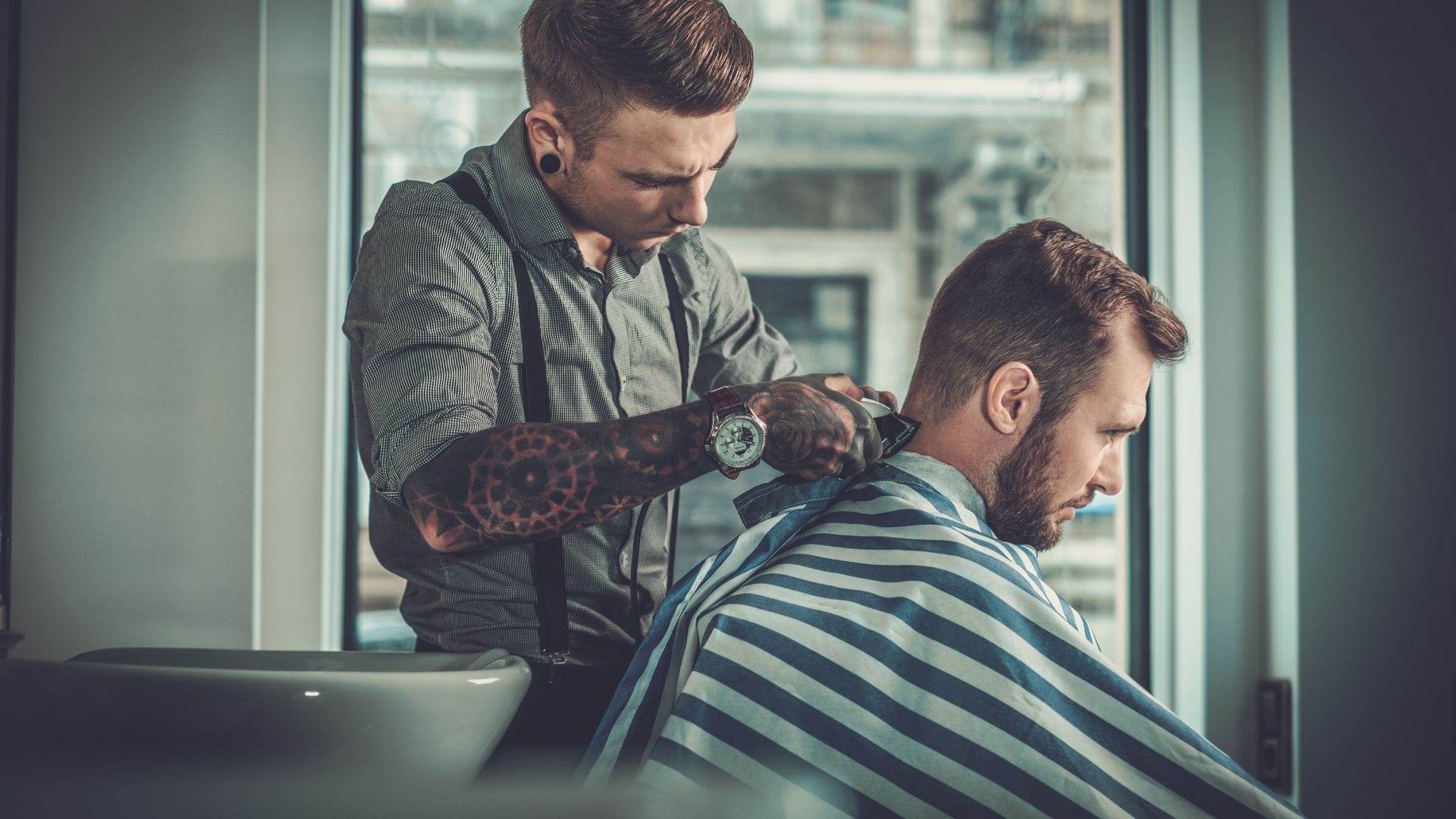
Taking a child for a haircut can sometimes feel like a challenging task. From wiggles and tears to uncertainty about what style will look best, there are many factors to consider. The key to a successful haircut experience for both the parent and the child is clear communication with the barber. A professional barber has the skills to cut hair, but they need your input to understand your goals, your child’s needs, and any potential challenges. Asking the right questions can transform a stressful appointment into a positive and collaborative process, ensuring everyone leaves the barbershop happy.
This guide provides fifteen essential questions to ask before the first snip of the scissors. These questions cover everything from style suitability and maintenance requirements to managing a child’s comfort during the cut. By preparing ahead of time, you can walk into the appointment with confidence, ready to have a productive conversation that leads to the perfect haircut. A great haircut not only makes a child look good but also boosts their self-esteem and makes daily grooming routines much simpler for parents.
1. What haircut do you recommend for my child’s hair type?
Every child’s hair is unique, with its own texture, thickness, and growth patterns. A style that looks great on a child with fine, straight hair might not work for a child with thick, curly hair. An experienced barber can assess your child’s hair and recommend cuts that will complement its natural tendencies. For example, thick hair can support styles with more volume and texture, while fine hair might benefit from a blunt cut to make it appear fuller. Asking for a recommendation shows you value the barber’s expertise and opens the door for a more collaborative styling decision.
The barber can explain how different textures react to certain cutting techniques. They might suggest longer layers for curly hair to prevent it from becoming too puffy or a textured crop for straight hair to add movement. This question is the perfect starting point because it grounds the entire haircutting process in the reality of what is achievable and manageable for your child’s specific hair. It prevents disappointment and ensures the final look is not only stylish but also practical for daily life.
2. How can we make the haircut experience comfortable for my child?
A child’s comfort is paramount during a haircut. For many kids, especially toddlers, the barbershop can be an intimidating place with strange noises, sharp tools, and unfamiliar faces. It is important to address this concern with the barber right away. Ask them what strategies they use to help children feel at ease. Many barbers who specialize in children’s cuts have tricks up their sleeve, such as using quieter clippers, offering distractions like toys or tablets, or simply talking to the child in a calming and friendly manner. Getting a Kids Haircut in New York can be a great experience when the barber is prepared for younger clients.
Discussing your child’s specific personality is also helpful. If your child is sensitive to noise, the barber might opt for a scissor-only cut. If they are very active, the barber might suggest having them sit on your lap or taking small breaks during the appointment. By working together, you and the barber can create a positive environment that minimizes stress and anxiety. This proactive approach helps build a good relationship with the barber and can make future haircuts much easier for everyone involved.
3. How much maintenance will this hairstyle require?
A stylish haircut is wonderful, but if it requires 20 minutes of styling every morning, it might not be practical for a busy family schedule. Before settling on a style, it is crucial to understand the level of daily maintenance involved. Ask the barber to be honest about what it will take to keep the haircut looking its best. Will it need to be blow-dried? Does it require specific products like gel, mousse, or pomade? Is it a “wash and go” style, or will it need combing and shaping each day?
This conversation helps set realistic expectations. A haircut that looks fantastic right after leaving the shop should also be manageable at home. The barber can suggest styles that fit your family’s lifestyle. For active kids involved in sports, a shorter, low-maintenance cut might be ideal. For a child who enjoys styling their hair, a more complex cut could be a fun option. Understanding the upkeep helps you choose a haircut that will continue to look great long after you have left the barbershop, without adding stress to your morning routine.
4. What products are best for styling and maintaining this look?
Once you have chosen a hairstyle, the next step is learning how to recreate it at home. Ask the barber for specific product recommendations tailored to your child’s hair type and the chosen cut. Not all hair products are created equal, and using the right one can make a significant difference. For example, a light mousse can define curls without weighing them down, while a matte paste can create texture in short, straight hair. Getting a recommendation for a Classic Pompadour would require a specific type of pomade to achieve the necessary hold and shine.
In addition to styling products, the barber can also recommend appropriate shampoos and conditioners. Some children may have sensitive scalps or hair that tends to get oily or dry, and the right washing products can help maintain hair health. The barber might even demonstrate a quick styling technique you can use at home. This guidance is invaluable, as it empowers you to keep the haircut looking fresh and intentional between appointments. It is a small step that ensures you get the most value out of the professional cut.
5. How often will my child need a trim to maintain this style?
Different haircuts grow out at different rates. A sharp skin fade might start to look fuzzy in just a couple of weeks, while a longer layered cut could hold its shape for two months or more. Asking about the required frequency of trims helps you plan and budget for future appointments. The barber can give you an estimated timeline based on the specific cut and your child’s typical hair growth rate. This information helps you keep the haircut looking tidy and prevents it from entering an awkward, overgrown stage.
Understanding the maintenance schedule is also important for styles that require precision. A cut with sharp lines, like a hard part or a detailed undercut, will need more frequent touch-ups to stay defined. On the other hand, more natural, textured styles are generally more forgiving as they grow out. Knowing this in advance allows you to choose a style that aligns with how often you are willing and able to visit the barbershop, ensuring the haircut remains a positive feature rather than a source of maintenance stress.
6. Can you show me a few pictures of similar haircuts on other kids?
Visual aids are incredibly powerful when discussing hairstyles. What you describe as a “short, layered cut” might be different from the barber’s interpretation. Asking to see pictures of similar styles they have done on other children can provide clarity and ensure you are both on the same page. This is especially helpful when Choosing a New Hairstyle that you are unfamiliar with. Most barbers have a portfolio of their work on a phone, tablet, or social media profile that they can easily share with you.
Seeing the haircut on another child, particularly one with a similar hair type or face shape, gives you a much better idea of the final result. It allows you to point out specific elements you like or dislike. For example, you might like the length in one photo but prefer the texture from another. This visual feedback is far more effective than trying to describe complex details verbally. It minimizes the risk of miscommunication and significantly increases the chances of getting a haircut that you and your child will love.
7. How will this haircut work with my child’s face shape?
A great haircut does more than just look good on its own; it complements and enhances the person’s features. A skilled barber understands the principles of balance and proportion and can suggest styles that flatter your child’s specific face shape. Whether your child has a round, oval, square, or heart-shaped face, certain cuts will be more flattering than others. For instance, a style with some height on top can help elongate a round face, while softer, layered styles can soften the angles of a square face.
This question shows that you are thinking about the overall aesthetic and not just a trendy style. The barber can explain why a certain cut would be a good choice, pointing out how it will frame the face or draw attention to positive features like the eyes or smile. They can also steer you away from styles that might not be as complimentary. This expert advice is crucial for ensuring the haircut not only looks stylish but also harmonizes with your child’s natural features, resulting in a look that feels uniquely suited to them.
8. What are my options if my child gets scared or uncooperative during the cut?
Even with the best preparation, some children may become overwhelmed during the haircut. It is wise to have a backup plan. Discussing this possibility with the barber beforehand can alleviate a lot of stress. Ask them how they typically handle situations where a child becomes very anxious or refuses to sit still. An experienced New York Barber who works with kids will likely have a protocol for this, which may involve taking a break, trying a different approach, or even stopping the haircut if necessary.
Some barbers might suggest simplifying the haircut if the child is struggling. Instead of a complex fade, they might opt for a straightforward clipper cut that can be done quickly. In other cases, they might find that a small distraction or a comforting word is all that is needed. Knowing that the barber has a patient and flexible approach will give you peace of mind. It establishes a partnership where the child’s well-being is the top priority, and it ensures the experience does not become a negative memory for them.
9. Is there a simpler or quicker version of this style we can do?
Sometimes, the ideal hairstyle you have in mind might be too complex or time-consuming for a young child to sit through. If you have selected a detailed style but are concerned about your child’s patience, ask the barber if there is a simplified version. A good barber can often capture the essence of a style while using quicker techniques. For example, instead of a meticulous skin fade that requires multiple guard changes, they might suggest a taper fade that achieves a similar clean look in less time.
This question is about finding a practical compromise. You can still get a fashionable and tidy haircut without subjecting your child to an overly long session in the chair. The barber might suggest focusing on the most impactful part of the cut—like shaping the fringe or cleaning up the neckline—and keeping the rest simple. This flexibility is key to a successful kids’ haircut, ensuring the style is achievable within the child’s tolerance limits while still meeting your aesthetic goals.
10. How will this hairstyle grow out?
The haircut is only one part of the equation; how it looks a month later is another. Ask the barber to walk you through the grow-out phase of the proposed style. Some haircuts maintain their shape nicely as they get longer, while others can quickly become unruly or awkward. A barber can predict potential trouble spots, such as a fringe that will quickly grow into the eyes or a neckline that will lose its shape.
Understanding the grow-out process helps in planning the next appointment and managing the hair in the interim. The barber might give you tips on how to style the hair as it gets longer or suggest a slightly different cutting technique to ensure a more graceful transition. For example, adding texture to the ends can help the hair grow out less bluntly. This foresight is a mark of a great barber and ensures that the haircut looks good not just for the first week, but for its entire lifespan.
11. Are there any parts of the head, like cowlicks, that will affect this style?
Cowlicks, whorls, and unusual growth patterns can have a major impact on how a hairstyle sits. A prominent cowlick at the front can make a short fringe stand straight up, while a whorl at the crown can disrupt a sleek, combed-back style. Before committing to a cut, ask the barber to check for any such irregularities and explain how they might affect the chosen style. An experienced barber knows how to work with these features, not against them.
The barber might suggest leaving a little more length and weight in a certain area to control a cowlick or recommend a style that incorporates the natural movement of the hair. For example, a messy, textured style is often a great solution for hair with multiple growth patterns, as it embraces the unpredictability. Ignoring a cowlick can lead to a constant battle with a piece of hair that refuses to cooperate. Addressing it from the start ensures the cut is designed to be as low-fuss as possible.
12. Can we avoid using clippers if my child is sensitive to them?
The loud buzzing and vibration of clippers can be a major source of anxiety for many children. If you know your child is sensitive to them, it is essential to bring this up. Ask the barber if it is possible to achieve the desired look using only scissors. A “scissor-over-comb” technique is a traditional method where the barber uses scissors and a comb to achieve a tapered, short look without the use of electric clippers.
While a scissor-only cut might take a bit longer and may not achieve the same skin-close finish as a fade, it can result in a beautifully soft, textured haircut. Many barbers are highly skilled in this technique. For many parents, the trade-off of a slightly longer appointment is well worth it for a calm and tear-free experience. Communicating this preference upfront allows the barber to adjust their plan and tools accordingly, ensuring your child’s sensory needs are respected.
13. How should I talk about the haircut with my child to get them excited?
The way you frame the haircut experience for your child can make a big difference. Ask the barber for tips on how to talk about the style in a fun and positive way. The barber might suggest focusing on a cool feature of the cut, like “spiky hair on top” or “a super-fast racing stripe.” Using kid-friendly language helps them feel involved and excited about their new look, rather than seeing it as a chore.
The barber might also recommend showing the child pictures of their favorite movie characters or sports heroes with similar hairstyles. This helps them visualize the end result and gives them a sense of ownership over their new style. Turning the haircut into an exciting event rather than a mandatory task can change their entire perspective. A barber who is good with kids often has great ideas for how to build this positive anticipation.
14. What is the best way to brush or comb this style at home?
Different hairstyles require different combing techniques. A sleek side part needs to be combed in a specific direction, while a curly top might be best styled with fingers to avoid disrupting the curl pattern. After the haircut is complete, ask the barber for a quick demonstration of the best way to brush or comb the hair at home. They can show you where to create a part, which direction to comb the hair, and how to create volume or texture.
This simple piece of advice can be a game-changer for daily styling. The barber might recommend using a wide-tooth comb for detangling wavy hair or a specific type of brush for creating a smooth finish on straight hair. This practical demonstration bridges the gap between the professional look achieved in the shop and what you can realistically do at home. It equips you with the skills to maintain the style and keep your child looking sharp every day.
15. Do you have any advice for the first wash after the cut?
The first wash after a haircut can sometimes be tricky. There may be small, itchy hair clippings left behind, and the hair will fall differently once it’s washed and dried without professional styling. Ask the barber for any advice on that first wash. They might recommend a thorough rinse to make sure all the loose hairs are gone, or suggest a particular way to dry the hair to help it fall back into its new shape.
This question is a final check-in that shows you are thinking about the entire lifecycle of the haircut. The barber might offer a tip like, “After you wash it, just towel dry it and push the fringe to the side,” which can make all the difference. This small piece of guidance helps ease the transition from the barbershop to home care and ensures there are no surprises when you wash your child’s hair for the first time post-cut.
Conclusion
A successful kids’ haircut hinges on open and thorough communication with the barber. By asking these targeted questions, you transform the appointment from a simple service into a collaborative session tailored to your child’s unique needs. You can discuss everything from style suitability and maintenance to your child’s comfort and the long-term behavior of the haircut. This level of detail ensures there are no misunderstandings and that the final result is a style that both you and your child are happy with.
Remember that a good barber is a partner in your child’s grooming. They have the technical skill and artistic eye, but your input provides the crucial context they need to deliver the best possible outcome. Preparing your questions beforehand shows respect for their expertise and a commitment to getting it right. Ultimately, a little preparation goes a long way in creating a positive barbershop experience and achieving a perfect haircut that makes your child feel confident and look great.