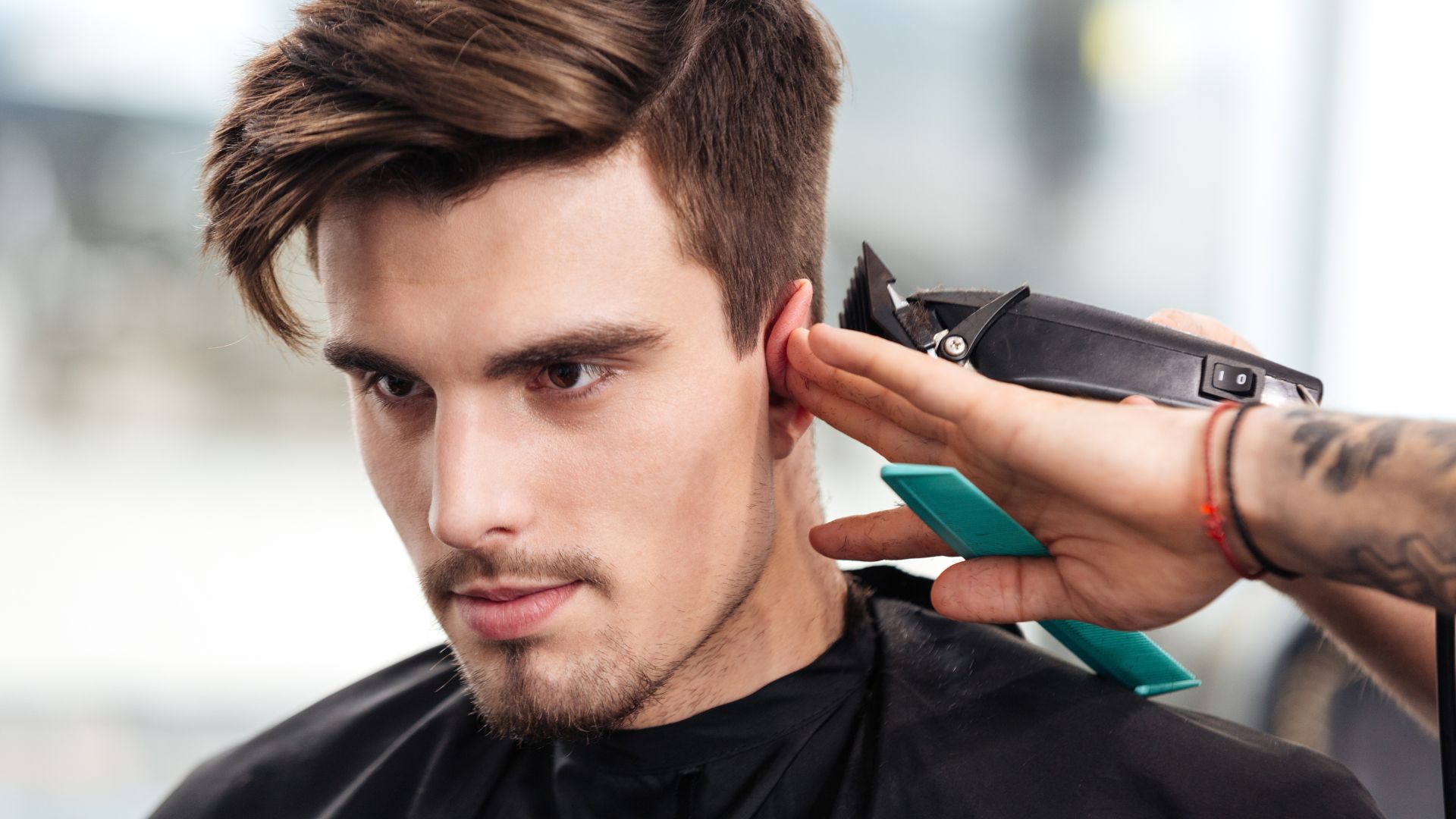
The side part is arguably the most timeless and versatile haircut in the history of men’s grooming. It has survived every fad and trend, evolving from the slicked-down styles of the early 20th century to the textured, voluminous looks seen on today’s runways. Its staying power lies in its simplicity: a defined parting line that creates structure and balance. While the core concept remains the same, the ways to style it have expanded dramatically. Modern men are no longer restricted to the stiff, high-shine look of their grandfathers. Instead, they can adapt the side part to fit their personal style, hair texture, and professional environment.
Today’s variations on the side part offer something for everyone. Whether you prefer a sharp, military-inspired fade or a loose, beachy flow, the side part serves as an excellent foundation. It is a chameleon of a haircut, capable of looking rebellious and edgy or refined and conservative depending on how it is cut and styled. This guide explores eleven modern interpretations of this classic cut. Each style brings a fresh perspective to the traditional side part, proving that this staple of men’s fashion is far from boring. By understanding these options, you can find the perfect variation to upgrade your look and express your individuality.
1. The Low Fade Side Part
The low fade side part is the perfect entry point for men who want a modern look without being too flashy. In this style, the fade begins just above the ears and tapers down to the neck, keeping the overall silhouette clean but conservative. The hair on top is left longer to allow for a distinct part, but the transition on the sides is soft and gradual. This variation works exceptionally well for professional environments where you need to look sharp but not overly trendy. It maintains the classic gentleman’s aesthetic while removing the bulk from the sides that can make a haircut look dated or messy.
Styling this cut is straightforward and low-maintenance. Because the sides are kept neat, you only need to focus on the top. A matte pomade or styling clay works best to keep the hair in place without making it look greasy. You simply comb the hair to the side following your natural part, and the fade adds a subtle touch of modern style. It frames the face beautifully, highlighting the jawline without drawing too much attention to the haircut itself. It is a reliable, stylish option that suits almost every face shape and hair type, making it a universal favorite.
2. The Hard Part with Skin Fade
For those seeking a bolder, more defined look, the hard part combined with a skin fade is a striking choice. A “hard part” is a line shaved into the scalp by a barber using a straight razor or trimmers. This creates a permanent, crisp line that makes styling incredibly easy because the hair naturally falls away from the gap. When paired with a skin fade—where the hair on the sides is shaved down to the bare skin—the result is a high-contrast style that demands attention. It is edgy, sharp, and unmistakably modern. If you visit a high-end Barbershop in New York, you will see this style requested frequently by men who want a look that stands out.
This style does require more maintenance than a standard side part. Because the shaved part grows out quickly, you will need to visit the barber more often to keep the line crisp and the fade smooth. However, the trade-off is a look that is always “on.” It exudes confidence and precision. Styling is usually done with a high-hold gel or pomade to match the sharpness of the cut. The hair is typically combed sleek and tight to emphasize the geometry of the style. It is an excellent option for men with thick hair, as the skin fade removes significant weight and bulk from the sides.
3. The Textured Side Part
Moving away from the slick, structured looks of the past, the textured side part embraces a more natural and relaxed vibe. This style relies on layering and point-cutting techniques to create movement and separation in the hair. Instead of combing the hair flat against the scalp, the goal is to create volume and a bit of organized chaos. The part is still visible, but it is less severe, often separated with fingers rather than a fine-tooth comb. This version is perfect for men who want a stylish haircut that feels effortless and casual rather than rigid and formal.
To achieve this look, you need to swap out heavy gels for texturizing products like sea salt sprays, styling powders, or matte pastes. These products add grit and volume without weighing the hair down. You can apply the product to damp hair and blow-dry it while using your fingers to scrunch and direct the hair. The result is a look that has plenty of life and bounce. It works particularly well for men with wavy or thin hair, as the added texture creates the illusion of thickness. It is a modern, youthful take on the side part that fits perfectly with a casual streetwear aesthetic.
4. The Long Sweeping Side Part
The long sweeping side part is all about flow and length. In this variation, the hair on top is grown out significantly, often reaching down to the ear or lower. The sides can be tapered or kept longer as well, but the key feature is the dramatic sweep of hair across the forehead. It has a romantic, almost poetic quality to it, reminiscent of classic Hollywood heartthrobs but updated for today. This style requires patience to grow out, but the payoff is a look that is incredibly versatile and expressive. It softens angular facial features and adds a touch of sophistication to Haircuts that might otherwise look too severe.
Maintenance for this style involves keeping the hair healthy and conditioned, as split ends will be very visible. Styling requires a bit more effort with a blow dryer to create the necessary volume and direction. A light cream or mousse is ideal for controlling frizz while maintaining natural movement. You want the hair to look touchable and soft, not stiff or crunchy. You can tuck the hair behind the ear for a neater appearance or let it fall freely for a more rugged look. It is a fantastic option for the colder months or for men who simply prefer having more hair to play with.
5. The Pompadour Side Part
Combining the volume of a pompadour with the structure of a side part creates a powerful, hybrid style. The pompadour involves brushing the hair up and back to create height at the front of the head. By adding a side part, you break up the roundness of a traditional pomp and add an element of asymmetry that is very flattering. This style is bold and architectural, adding verticality to the face which can make you look taller and more distinguished. It is a statement cut that balances retro rockabilly vibes with modern grooming standards.
Achieving the height required for a pompadour side part usually involves a blow dryer and a round brush. You need to lift the roots while drying to set the volume in place. A strong-hold pomade or wax is essential to keep the gravity-defying shape throughout the day. While it takes a bit of practice to style correctly, the result is polished and impressive. It works best on men with thick, straight hair that can support the structure. The sides are typically kept short to emphasize the volume on top, creating a dramatic silhouette that turns heads wherever you go.
6. The Disconnected Undercut Side Part
The disconnected undercut takes the contrast of the side part to the extreme. In this style, there is no gradual fade or taper connecting the sides to the top. Instead, there is a sharp, abrupt transition where the short sides meet the long top. This “disconnection” creates a very edgy and aggressive look that is popular in modern fashion. When styled with a side part, the long hair on top hangs over the shaved sides, emphasizing the difference in length. It is a favorite among men who love high-contrast Fades but want something even more distinct and fashion-forward.
This cut is surprisingly versatile despite its bold nature. When worn messy, it looks grungy and cool; when slicked back, it looks sharp and intense. Because the sides are shaved so short, it is incredibly easy to maintain the sides yourself with clippers if you are handy. The top, however, needs to be long enough to lay flat, or it will stick out awkwardly. It is a great choice for summer as it keeps the sides and back cool while allowing for styling options on top. It is a style that signals confidence and a willingness to break traditional grooming rules.
7. The Wavy Side Part
For men with naturally curly or wavy hair, the side part is an excellent way to control and showcase texture. Instead of fighting the curls with heavy products and straighteners, this style embraces them. The hair is cut in a way that allows the waves to form naturally while still maintaining a neat shape. The sides are usually tapered to keep the overall profile tidy, preventing the hair from puffing out too much. The part helps to organize the curls, giving the hair direction and intentionality rather than just looking like a mop.
Styling wavy hair requires moisture. A leave-in conditioner or curl cream is essential to define the waves and prevent frizz. You should avoid brushing the hair when it is dry, as this will break up the curl pattern and create fluff. Instead, apply product to damp hair and let it air dry or use a diffuser attachment on your blow dryer. The result is a look that is full of character and natural movement. It looks sophisticated yet relaxed, proving that you don’t need straight hair to rock a classic side part. It turns what some men consider a problem—unruly curls—into a major asset.
8. The Scissor-Cut Classic Taper
In an era dominated by electric clippers, the scissor-cut taper stands out for its softness and natural finish. This style eschews the harsh lines of a skin fade in favor of a gentler transition created entirely with shears. The hair on the sides is cut short but not shaved, leaving enough length to see the hair’s texture and color. This creates a more traditional, tailored look that contours perfectly to the head shape. A skilled Barber in New York will often recommend this approach for business professionals who need a conservative yet stylish appearance that doesn’t look like a military cut.
Because the hair is longer on the sides, this style grows out much more gracefully than a fade. You won’t have that awkward “in-between” phase after two weeks. It looks great with a classic side part, styled with a medium-shine pomade or grooming cream. The focus is on a natural silhouette that looks bespoke and expensive. It is less about geometric precision and more about creating a flattering shape that suits the individual. This is the ultimate “gentleman’s cut,” timeless, elegant, and suitable for men of all ages and professions.
9. The Slicked-Down Vintage Part
This style is a direct homage to the roaring twenties and the golden age of cinema. It features a very deep side part with the hair combed flat against the head, using a high-shine product like an oil-based pomade or gel. Every hair is perfectly in place, creating a look that is sleek, glossy, and incredibly formal. While it is a vintage look, it has seen a resurgence in popularity for formal events, weddings, and black-tie affairs. It projects an image of extreme grooming and attention to detail.
To pull this off, you need a fine-tooth comb and a generous amount of product. The key is to eliminate any flyaways and ensure the surface of the hair is glass-smooth. While it might look severe for everyday wear in a casual office, it is unmatched for evening wear. It pairs perfectly with a tuxedo or a sharp suit. Modern variations might loosen it up slightly, but the core appeal is the high-shine, “wet” look. It is a deliberate style choice that says you care about tradition and elegance. It works best on straight hair, as texture can disrupt the smooth finish.
10. The Ivy League Side Part
The Ivy League is a staple of American men’s style, often described as a longer version of a crew cut. It is short, neat, and practical, but with just enough length on top to comb into a side part. The front is typically worn slightly longer so it can be brushed up or to the side. It is the quintessential “preppy” haircut—clean-cut, athletic, and smart. It strikes a perfect balance between low maintenance and styled, making it ideal for active men who don’t want to spend 20 minutes on their hair every morning.
Styling an Ivy League is incredibly simple. A pea-sized amount of paste or wax is usually sufficient. You can quickly run your fingers or a comb through it to set the part, and you are good to go. Because it is short, it holds its shape well throughout the day. It is a style that fits in anywhere, from the gym to the boardroom to a dinner date. It never looks out of place. For men who value functionality and a clean appearance over high-fashion trends, the Ivy League side part is the gold standard.
11. The Modern Fringe Side Part
This variation blends the side part with a forward-sweeping fringe, creating a look that is youthful and trendy. Instead of sweeping all the hair back or to the side, a portion of the front hair is allowed to fall over the forehead. The part is still visible further back on the head, but the front hairline is softened by the fringe. This is an excellent choice for men with large foreheads or receding hairlines, as the fringe provides coverage while still looking intentional and stylish. It adds a bit of mystery and edge to the standard cut.
Texture is key for the fringe side part. You don’t want the bangs to look like a solid block; they should be piecey and light. A texturizing powder or matte clay is the best product choice here. You can style the fringe to hang straight down or sweep it slightly to one side. This style is very popular in the indie music scene and European fashion. It breaks the rules of the traditional “neat” side part, offering a more relaxed and artistic alternative. It frames the eyes and adds a unique character to the face that other, more rigid styles cannot achieve.
Conclusion
The classic side part is far from a one-note hairstyle. As these eleven variations demonstrate, it is a versatile foundation that can be adapted to suit virtually any personality, hair type, or lifestyle. From the high-maintenance precision of the hard part with a skin fade to the relaxed, beachy vibes of the wavy side part, there is a version of this cut for every man. The key is to communicate with your barber about what you want—not just “a side part,” but the specific texture, length, and finish that appeals to you.
Upgrading your look doesn’t always require a drastic transformation. Sometimes, simply shifting how you style your side part—perhaps by adding more volume, changing your product, or trying a different fade—can make a world of difference. Whether you lean towards the vintage, the professional, or the edgy, the side part remains a reliable and stylish choice. Experiment with these modern variations to keep your look fresh, relevant, and uniquely yours.