
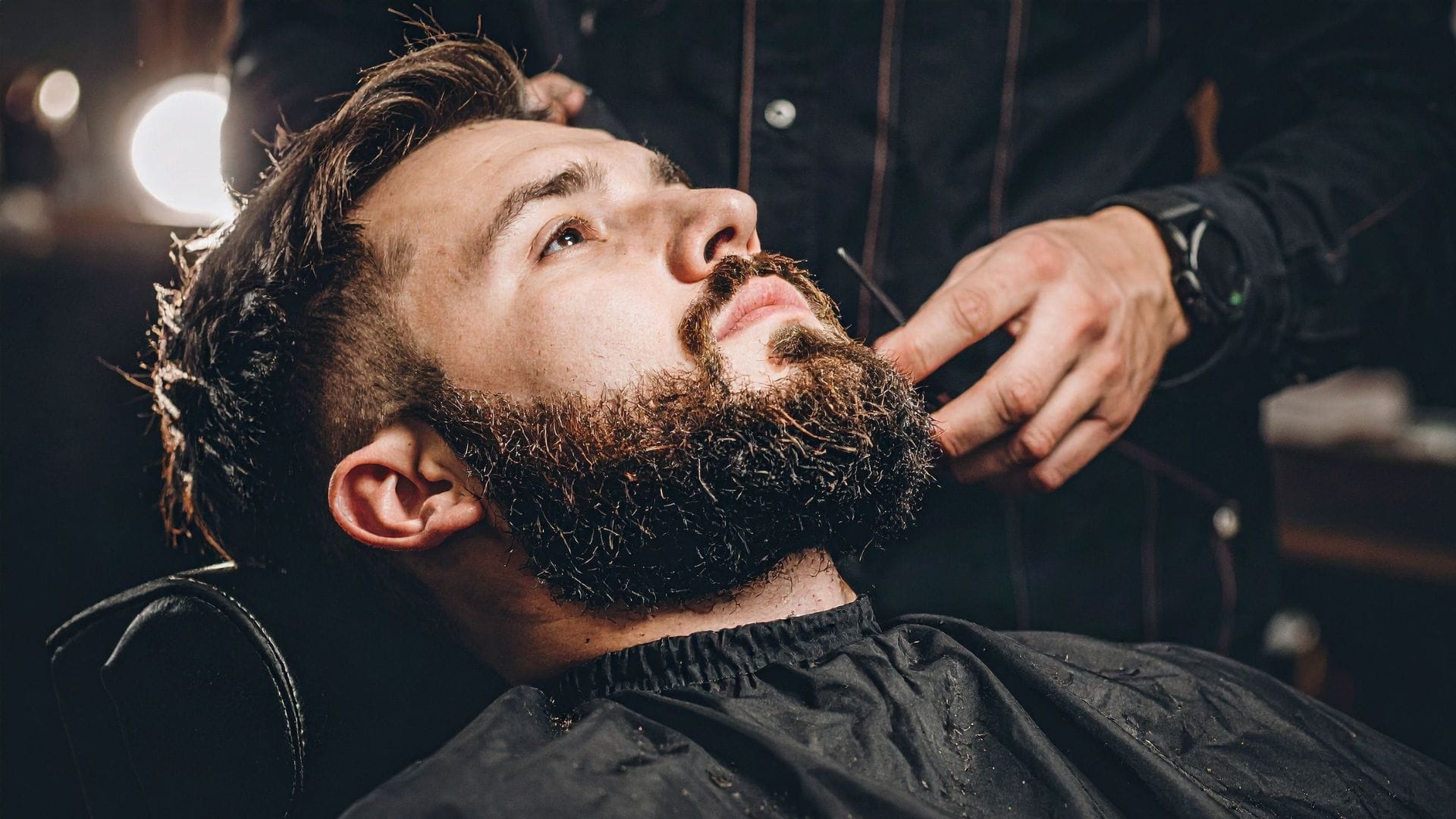
Facial hair trends have come and gone throughout history, but the modern beard has proven to be more than just a fleeting fashion statement. Over the last decade, beards have firmly re-established themselves as a mainstream style choice for men of all ages and backgrounds. What was once associated with lumberjacks and academics has now become a common sight in boardrooms, on red carpets, and in city streets around the world. This resurgence is not a random occurrence; it is driven by a complex mix of cultural shifts, media influence, and a deeper understanding of grooming.
The return of the beard signifies more than just a change in aesthetic preference. It reflects evolving perceptions of masculinity, health, and personal expression. From their ability to project maturity and confidence to the rise of a billion-dollar grooming industry that makes maintenance easier than ever, several key factors have contributed to their enduring popularity. This guide explores ten of the most significant reasons why beards have made such a powerful comeback and why they are likely here to stay.
1. A Symbol of Masculinity and Maturity
Throughout history, beards have been a powerful, visual symbol of masculinity. They are a clear biological marker of adulthood in men, and this deep-seated association continues to influence modern perceptions. In a world where traditional gender roles are evolving, some men find that growing a beard is a simple, tangible way to connect with a classic sense of manliness. Studies have shown that both men and women often perceive men with beards as being more mature, more dominant, and having a higher social status. This can be a significant advantage, both socially and professionally.
This perception of maturity is not just about age; it is about projecting an aura of wisdom and authority. A well-groomed beard can make a younger man look more established and a mature man look more distinguished. It can frame the face in a way that adds gravity and presence, making the wearer appear more confident and capable. In a competitive job market or a social setting, this non-verbal cue can be incredibly powerful. The beard acts as a natural signifier of experience and strength, tapping into an age-old archetype that remains relevant in today’s society.
2. The Influence of Media and Celebrities
Pop culture plays a massive role in shaping grooming trends, and the beard is no exception. Over the past fifteen years, countless high-profile actors, musicians, and athletes have embraced facial hair. When men see their style icons confidently sporting a full beard on screen or on the field, it normalizes the look and makes it more aspirational. Celebrities like Chris Evans, Jason Momoa, and Idris Elba have shown that a beard can be rugged, sophisticated, and incredibly stylish, dismantling the old stereotype of the unkempt mountain man. This consistent positive exposure has made beards a fashionable choice.
This trend is amplified by the grooming industry and the barbershop culture it supports. Visiting a high-end Barbershop in New York, for example, is no longer just about getting a haircut; it is an experience focused on detailed grooming, including beard trims, shape-ups, and hot towel treatments. These establishments showcase beards as a craft to be perfected. Popular television shows set in historical periods, like “Vikings” or “Peaky Blinders,” have also romanticized facial hair, linking it to powerful and compelling characters. This media saturation has created a powerful feedback loop where beards are seen as desirable, leading more men to grow them and further cementing their place in the mainstream.
3. The Rise of the Grooming Industry
The comeback of the beard would not have been possible without the explosive growth of the men’s grooming industry. A decade ago, finding products specifically for beard care was a difficult task. Today, entire aisles in stores are dedicated to beard oils, balms, waxes, washes, and conditioners. This easy access to high-quality products has transformed beard maintenance from a chore into an enjoyable ritual. Men are no longer left to deal with the itchiness, dryness, and unruliness that often come with growing a beard. Instead, they have the tools to keep their facial hair soft, healthy, and perfectly styled.
This boom in grooming products has also brought a wealth of knowledge. Countless blogs, YouTube channels, and social media influencers are dedicated to teaching men how to properly care for their beards. They offer tutorials on everything from how to trim a neckline to how to choose the right beard oil for your skin type. This demystifies the process and makes it accessible to everyone, regardless of their prior grooming experience. The availability of these resources empowers men to take control of their look, turning what could be a scruffy mess into a deliberate and handsome style choice.
4. Enhanced Personal Style and Versatility
A beard is one of the most versatile accessories a man can have. It offers a way to dramatically change one’s appearance without buying a new wardrobe or getting a tattoo. There is a style of beard to suit every face shape and personality, from a short, neat corporate beard to a long, flowing “wizard” beard. This allows for a high degree of personal expression. A man can use his beard to project a rugged, outdoorsy image or a sharp, intellectual one. The ability to customize the length, shape, and style makes it a powerful tool for crafting a personal brand.
Furthermore, a beard can be incorporated into a comprehensive Haircare Routine that considers the entire look. A skilled barber can shape a beard to complement a new haircut, creating a cohesive and balanced silhouette. For example, a tight fade on the sides can be balanced with a fuller beard, or a longer, flowing hairstyle can be paired with a neatly trimmed beard. This interplay between hair and facial hair provides endless styling possibilities. It allows a man to evolve his look over time, experimenting with different combinations until he finds the one that best reflects his identity.
5. Perceived Health and Attractiveness
Scientific research has consistently shown that facial hair can have a significant impact on perceived attractiveness. Many studies have found that women often rate men with some level of facial hair—from heavy stubble to a full beard—as more attractive than clean-shaven men, particularly for long-term relationships. This may be linked to the perception that beards signal maturity, health, and good genetics. A thick, full beard can be an honest signal of testosterone and overall vitality, which are attractive traits from an evolutionary perspective.
Beyond simple attraction, beards can also have tangible health benefits for the skin. They provide a physical barrier that protects the face from harmful UV rays, which can reduce the risk of sun damage and skin cancer. They can also help the skin retain moisture by shielding it from wind and cold air, preventing it from drying out. For men with sensitive skin, growing a beard eliminates the daily irritation, razor burn, and ingrown hairs that come with shaving. This can lead to a healthier complexion underneath the beard, making it a practical choice for skin health as well as for style.
6. A Way to Reshape the Face
A beard is a powerful tool for contouring the face. Not everyone is born with a chiseled jawline, but a well-shaped beard can create the illusion of one. By trimming the beard to create sharp, angular lines along the jaw and cheek, a man can make a round or soft face appear more defined and masculine. This ability to enhance or alter the facial structure is one of the most practical reasons for the beard’s popularity. It allows men to highlight their best features and conceal insecurities.
This is especially true for men getting ready for a major life event. Pre-Wedding Grooming, for instance, often includes a professional beard trim to ensure the groom looks his absolute best in photos that will last a lifetime. A barber can use the beard to create symmetry, add definition to a weak chin, or slim down a fuller face. This is something that a clean-shaven look cannot offer. The beard becomes a natural, customizable frame for the face, allowing for a level of aesthetic control that is both simple and incredibly effective.
7. The Growth of “Lumbersexual” and Outdoor Aesthetics
In recent years, there has been a significant cultural shift towards appreciating authenticity and ruggedness. The “lumbersexual” trend, which combines a rugged, outdoorsy aesthetic with a modern, urban sensibility, played a huge role in popularizing beards. This look—characterized by flannel shirts, work boots, and a full beard—taps into a desire for a simpler, more connected way of life. It celebrates a type of masculinity that is practical, capable, and in touch with nature. The beard is the central element of this aesthetic.
Even for men who do not fully subscribe to the lumbersexual style, the trend has made ruggedness fashionable. In an increasingly digital world where many men work sedentary office jobs, the beard can be a way to connect with a more primal, physical sense of self. It can signal a love for the outdoors, adventure, and hands-on activities. This association with capability and self-reliance has given the beard a new kind of modern cool, making it appealing to men who want their appearance to reflect their hobbies and values.
8. Professional Shaping and Barbering Culture
The resurgence of the traditional barbershop has been instrumental in the beard’s comeback. A modern Barber in New York is a highly skilled artisan who specializes in more than just haircuts. They are experts in beard shaping, trimming, and maintenance. This professional expertise has elevated the beard from something a man simply “grows” to something he “wears.” A professional trim can turn a scraggly, uneven beard into a masterpiece of clean lines and perfect density, tailored specifically to the client’s face.
This access to professional care gives men the confidence to grow a beard, knowing that they can get help managing it. Instead of struggling with uneven growth or an awkward shape, they can rely on an expert to keep their beard looking sharp and intentional. This has been particularly important in making beards acceptable in professional and corporate environments. A neatly trimmed and shaped beard is now seen as a sign of good grooming, not laziness. The skill of the modern barber has made it possible for the beard to be both rugged and refined.
9. A Break from the Daily Shave
For many men, the daily ritual of shaving is a tedious, time-consuming, and often uncomfortable chore. It can lead to razor burn, nicks, cuts, and expensive razor cartridge replacements. The decision to grow a beard is, for some, a practical choice to escape this daily grind. Letting the facial hair grow out provides an immediate break from the irritation and cost associated with shaving. This freedom from the razor is a powerful motivator that many men appreciate.
While a beard does require its own maintenance routine, many find it to be a more enjoyable and less frequent task than daily shaving. Trimming a beard every week or two and applying beard oil takes only a few minutes, which can be a welcome change from the meticulous process of lathering and shaving every morning. This practical benefit of convenience and comfort is a significant, though often understated, reason for the beard’s enduring appeal. It simplifies the morning routine while adding style.
10. Increased Social Acceptance
Ultimately, beards are back in style because they have become socially acceptable in almost all contexts. What was once seen as rebellious or unprofessional is now widely embraced. Companies have relaxed their dress codes, and it is no longer rare to see CEOs, doctors, or lawyers with well-maintained facial hair. This widespread acceptance has removed the social barrier that once prevented many men from growing a beard. They no longer have to worry about being judged or facing negative consequences at work for their grooming choices.
This acceptance is a product of all the other factors combined: media influence, the grooming industry, and the sheer number of men who have embraced the trend. As more men grew beards, the look became normalized, leading to even wider acceptance. It has reached a point where the beard is no longer a trend but a permanent style option, on par with being clean-shaven. This freedom to choose is perhaps the biggest reason for the beard’s success. It has been integrated into the fabric of modern masculinity as a valid and respected choice.
Conclusion
The resurgence of the beard is a multifaceted phenomenon driven by a blend of cultural trends, practical benefits, and a renewed appreciation for classic masculinity. From the powerful influence of celebrities to the rise of a dedicated grooming industry, men now have more resources and encouragement than ever to grow and maintain facial hair. Beards offer a unique way to express personal style, reshape facial features, and project an image of maturity and confidence.
Far from being a passing fad, the beard has cemented its place as a timeless grooming choice. Its social acceptance across professional and casual settings means that men are free to choose the look that best suits them without fear of judgment. Whether for style, convenience, or self-expression, the beard has proven its staying power and will likely remain a popular and respected feature of men’s style for years to come.