
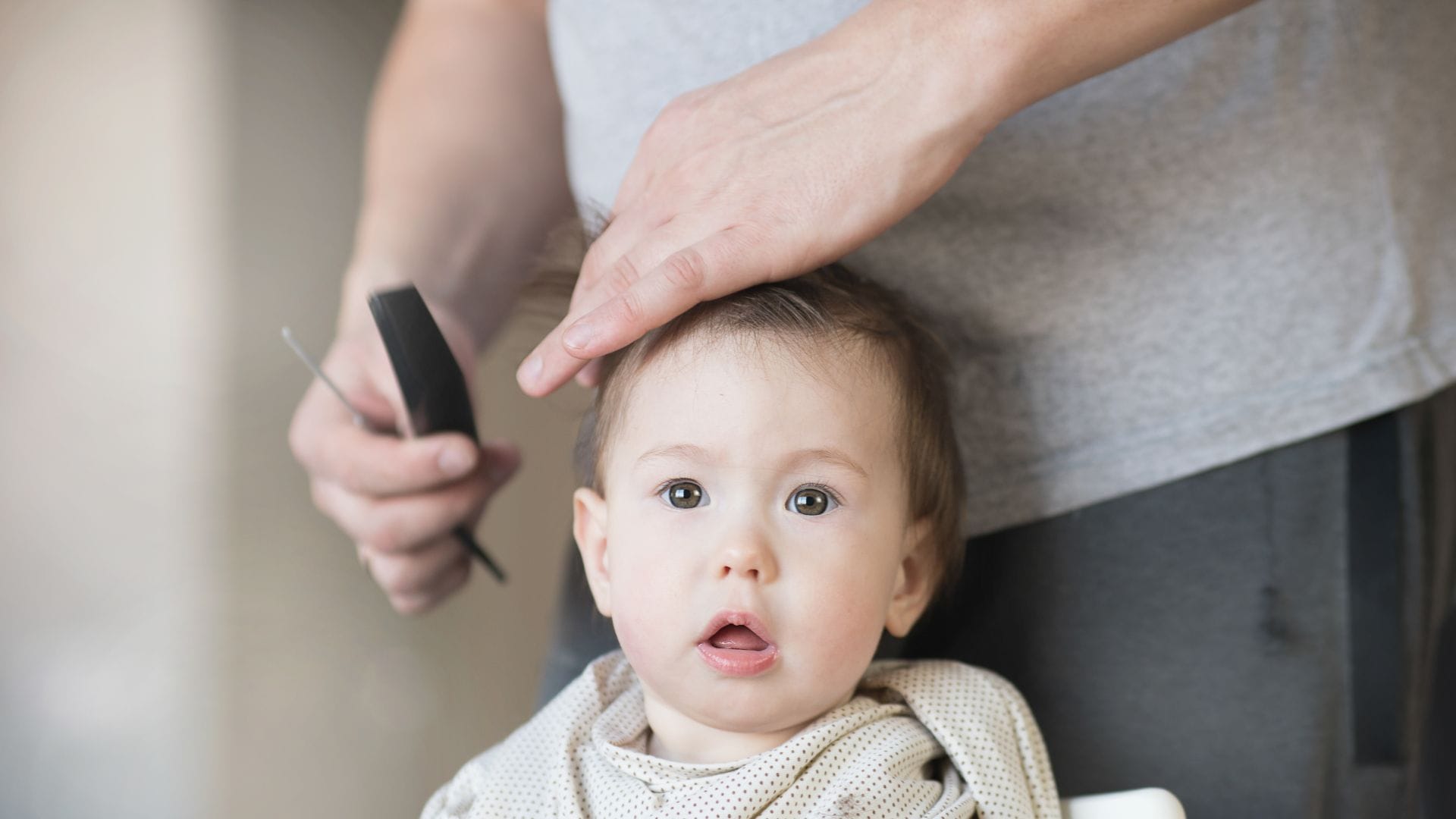
A child’s first haircut is a major milestone, a rite of passage that parents often look forward to with a mix of excitement and apprehension. It marks the transition from babyhood to toddlerhood, and it is an event that is frequently documented with plenty of photos. However, the reality of the situation can sometimes be far from the picture-perfect moment envisioned. For a young child, a haircut can be a strange and even scary experience. The new environment, the sound of buzzing clippers, the feel of scissors near their ears, and the requirement to sit still can all be overwhelming.
The key to a successful first haircut is preparation. By taking a thoughtful and strategic approach, parents can transform what could be a stressful ordeal into a positive and even fun memory. From choosing the right time and place to knowing how to comfort a nervous child, a little planning goes a long way. This guide provides thirteen practical and cool tips designed to help parents navigate this important first, ensuring the experience is as tear-free and smooth as possible for both the child and the parent.
1. Choose the Right Time of Day
Timing is everything when it comes to dealing with toddlers. A child who is tired, hungry, or overstimulated is not going to be a cooperative client in the barber’s chair. The best strategy is to schedule the haircut for a time when the child is typically at their happiest and most rested. For many young children, this is in the morning, shortly after they have woken up and had breakfast. They are fresh, fed, and generally more agreeable to new experiences. Avoid scheduling the appointment during their usual naptime or right before a meal, as this is a recipe for a meltdown.
Consider the child’s energy levels throughout the day. If they tend to get fussy in the late afternoon, that is the worst possible time to introduce them to the new and potentially stressful environment of a salon. A well-rested and content child is much more likely to be curious and calm, rather than fearful and resistant. Before heading out, make sure they have had a healthy snack and a drink. A little bit of planning around their natural daily rhythm can make a world of difference in how they perceive and react to their first haircut experience.
2. Pick a Kid-Friendly Salon or Barber
Not all salons are created equal, especially when it comes to handling the unique challenges of a toddler’s first haircut. Many standard salons are designed for adults and may not have the patience, experience, or environment conducive to a positive experience for a small child. It is highly beneficial to seek out a salon that specializes in children’s haircuts. These establishments are designed with kids in mind, often featuring fun, colorful decor, car-shaped chairs, and TVs playing cartoons. The stylists who work in these salons are accustomed to wriggly, nervous, and sometimes tearful little clients.
A skilled children’s stylist or barber knows tricks to distract and comfort a child, such as using quieter clippers, letting the child hold a comb, or turning the haircut into a game. They are trained to work quickly and efficiently without sacrificing quality, which is essential when a toddler’s patience is running thin. Ask other local parents for recommendations or read online reviews to find a place known for being great with kids. The right environment can instantly put a child at ease, making them feel like they are in a play area rather than a place for a haircut.
3. Talk About It Positively Beforehand
Children are highly perceptive and often take their emotional cues from their parents. If a parent is anxious or nervous about the first haircut, the child will likely pick up on that and feel anxious too. In the days leading up to the appointment, talk about haircuts in a positive, exciting, and casual way. Frame it as a fun adventure or a “big kid” activity. You can read children’s books or watch cartoon episodes where a character gets their hair cut and has a good experience. This helps to normalize the process and build positive associations.
Avoid using scary words like “cut” or “chop.” Instead, use softer terms like “trim” or “style.” Explain what will happen in simple, age-appropriate language. You might say something like, “A nice person is going to trim your hair with special scissors so it doesn’t get in your eyes.” You could even do a pretend haircut at home with a comb and your fingers to help them understand the process. By introducing the concept in a low-pressure, positive light, you demystify the experience and replace fear with curiosity and excitement.
4. Bring Plenty of Distractions
A well-timed distraction can be a parent’s best friend during a first haircut. A young child’s attention span is short, and sitting still for ten to fifteen minutes can feel like an eternity to them. Come to the appointment armed with a toolkit of their favorite distractions. This could be a tablet loaded with their favorite show or game, a special toy they do not get to play with often, a book with engaging pictures, or their favorite snack. The novelty of a special treat can often be enough to keep them happily occupied while the stylist works.
The goal is to provide a focal point for their attention that is more interesting than the scissors or clippers. If they are engrossed in a video, they are less likely to notice the snipping or the buzzing sound. A lollipop or a small bag of crackers can also work wonders. Providing a positive Barber Experience is all about making the child feel comfortable and secure, and familiar comforts play a huge role in that. Make sure the distraction is something that can be easily managed in the chair and will not create a huge mess.
5. Be a Good Role Model
Children learn by watching, and seeing a parent or an older sibling get a haircut without any fuss can be incredibly reassuring. If possible, schedule your own haircut for the same time or let the child come along to watch you get a trim before their turn. When they see that you are relaxed, smiling, and talking with the stylist, it teaches them that there is nothing to be afraid of. They see that the scissors and clippers do not hurt and that the process is a normal, everyday activity.
During your turn, you can talk them through what is happening. Say things like, “See? The stylist is just combing my hair,” or “Doesn’t the buzzing sound tickle?” This verbal narration helps to demystify the tools and sounds of the salon. If an older sibling is getting a cut, praise them for sitting so still and being brave. This sets a positive example and can even create a sense of eagerness in the younger child to have their turn and receive the same praise. Being a calm and confident role model is one of the most powerful ways to soothe a child’s fears.
6. Decide on a Simple Hairstyle
For the first haircut, simplicity is key. This is not the time to experiment with complex, high-maintenance styles. The primary goal is to make the experience quick, easy, and positive. Choose a simple, classic hairstyle that is easy for the stylist to execute and easy for you to maintain at home. Discuss options with the stylist beforehand, and be realistic about what can be achieved with a wriggly toddler. There are many Popular Haircuts for young children that are both cute and practical, such as a simple trim to even things out or a basic short cut for boys.
For girls, a trim to get the hair out of their eyes or a light layering to remove split ends might be all that is needed. For boys, a simple scissor cut all over is often a better choice than a style that requires extensive clipper work, as the noise and vibration of clippers can be frightening for some children. It is a good idea to bring a photo of the desired hairstyle to ensure you and the stylist are on the same page. A simple cut minimizes the time spent in the chair, which increases the chances of a successful and tear-free first haircut.
7. Let the Child Sit on Your Lap
For many young children, the scariest part of a haircut is not the scissors but the separation from their parent. Being placed in a strange, big chair all by themselves can be very intimidating. Most kid-friendly stylists will be more than happy to let the child sit on your lap during the haircut. This provides an immense sense of security and comfort. The physical contact reassures the child that they are safe and that you are right there with them.
When the child is on your lap, you can gently hold their hands to prevent them from grabbing at the scissors, help to keep their head still, and offer quiet words of encouragement directly into their ear. You can also help with distractions, like holding a book or a tablet for them to watch. The stylist’s cape can usually be draped over both of you. This simple act of keeping them close can be the single most effective strategy for preventing tears and ensuring a calm experience. Do not hesitate to ask the stylist if this is an option; most experienced children’s barbers expect and encourage it.
8. Pack a Change of Clothes
No matter how carefully the cape is secured, small, itchy hairs have a way of getting everywhere, especially down the back of a child’s shirt. For a child with sensitive skin, these tiny hairs can be incredibly irritating and can turn a calm child into a fussy one in seconds. It is a smart idea to pack a fresh change of clothes to put on immediately after the haircut is finished. This allows you to quickly get them out of the itchy shirt and into something clean and comfortable.
After the haircut, take a moment to gently wipe their neck and face with a soft cloth or a baby wipe to remove any stray hairs. Then, change their shirt before you even leave the salon or as soon as you get to the car. This simple step can prevent a lot of post-haircut discomfort and complaining on the way home. Starting the search for a new stylist by looking up a “barber near me” who caters to families might lead you to a place that already has wipes and other amenities on hand, but it is always best to come prepared yourself.
9. Know When to Stop
Sometimes, despite the best preparations and intentions, a child is simply not going to tolerate their first haircut. If the child becomes overly distressed, is crying inconsolably, or is thrashing around to the point where it becomes unsafe for the stylist to continue, it is okay to stop and try again another day. Forcing the issue can create a lasting negative association with haircuts that will make future attempts even more difficult. A good stylist will never push a child beyond their limits and will support the parent’s decision to call it a day.
It is better to end up with a slightly uneven, partially finished haircut than to traumatize a child. The stylist can often do enough to make it look presentable, and you can reschedule for a week or two later to finish the job. Sometimes, a child just needs more time to mature or become comfortable with the idea. Do not view it as a failure. Acknowledge that you tried, comfort your child, and plan to approach it differently the next time. The long-term goal is to build a positive relationship with grooming, not to achieve a perfect haircut on the very first try.
10. Bring a Comb from Home
Familiar objects can be very comforting to a child in a new and unfamiliar environment. Bringing your child’s own comb or brush from home can be a simple but effective trick. When the stylist uses a familiar tool, it can feel less strange and intimidating than the new, professional-grade combs at the salon. You can even let the child hold their comb while the stylist uses another one, providing a sense of control and a useful distraction.
This can also be part of the positive pre-haircut talk at home. You can explain that the stylist will use “your special comb” to help make their hair look nice. This gives the child a role in the process and a tangible connection to home. It is a small detail, but these little touches can add up to make a big difference in a child’s comfort level. It helps to bridge the gap between the familiar comfort of home and the new experience of the salon.
11. Praise and Reward Their Courage
Positive reinforcement is a powerful tool. Throughout the entire haircut process, offer plenty of praise for their good behavior. Say things like, “You are doing such a great job sitting still!” or “You are being so brave!” Even if they are a little fussy, find moments of cooperation to praise. This encouragement helps to build their confidence and makes them feel proud of themselves. Your positive words can help to override their feelings of fear or uncertainty.
Plan a special reward for after the haircut is finished. This gives them something to look forward to and creates a strong positive association with the experience. The reward does not have to be extravagant; it could be a trip to the park, their favorite ice cream, or picking out a small toy. When you talk about the reward beforehand, it can serve as a powerful motivator to get through the haircut. Saying, “As soon as your hair is all done, we’ll go get that special treat!” can work wonders. This frames the haircut as a task to be completed to earn a fun prize.
12. Save a Lock of Hair
A child’s first haircut is a sentimental moment for many parents. Those soft, baby-fine locks are a tangible piece of their infancy. Before the stylist starts, be sure to ask them to save a small lock of hair for you. Most stylists who work with children are very accustomed to this request and are happy to oblige. They can snip a small section and place it in a small envelope or piece of foil for you to keep.
This memento can be placed in a baby book, a scrapbook, or a special memory box. It is a sweet way to commemorate this milestone and look back on it in the years to come. While your child may not appreciate the sentiment now, it is a keepsake that you will treasure. It serves as a physical reminder of this fleeting stage of their childhood. Just remember to ask at the beginning of the appointment so the stylist can make sure to set aside a nice, clean piece for you.
13. Stay Calm and Positive, No Matter What
Ultimately, your child will look to you to see how they should react to the situation. Your calm and positive demeanor is the most important tool you have. If your child starts to cry, resist the urge to get flustered or stressed. Speak in a calm, soothing voice and reassure them that everything is okay and that you are right there. Your steady presence is their anchor in an overwhelming new experience.
If you remain calm, it sends the message that the situation is under control and not something to be afraid of. If you get visibly upset, it validates their fear and can make the situation worse. Take deep breaths, offer physical comfort like a hug or holding their hand, and maintain a positive attitude. Even if the haircut does not go perfectly, your calm response will help your child recover more quickly and will make the next haircut attempt much easier. Your attitude sets the tone for the entire experience.
Conclusion
A child’s first haircut is a memorable milestone, and with the right approach, it can be a positive one for everyone involved. By focusing on preparation, timing, and creating a sense of comfort and security, parents can ease their child’s fears and set the stage for a lifetime of stress-free grooming. From choosing a kid-friendly barber to bringing distractions and offering plenty of praise, these small strategies add up to make a significant difference. Remember to stay calm and patient, and even if the first attempt is not perfect, view it as a learning experience. The goal is not just a tidy hairstyle, but a happy, confident child who feels safe and supported.