Stepping into a barbershop can sometimes feel like trying to speak a foreign language. The terminology changes quickly, and asking for a simple trim is a thing of the past. Today, the fade is the undisputed king of modern men’s grooming. This popular technique seamlessly blends hair from short to long, creating a clean, sharp look that suits almost everyone.
However, simply asking for a fade is not enough anymore. There are numerous variations, each offering a distinct vibe and silhouette. Knowing the differences between these styles helps ensure a perfect result every time you sit in the barber’s chair.
This guide breaks down ten different types of fade haircuts clearly and simply. By understanding these options, any man can communicate better with a stylist and walk out looking sharp, confident, and completely refreshed.
Understanding the Basics of a Fade
Before diving into the specific styles, it helps to understand what this grooming technique actually entails. A fade is a method of cutting hair where the length gradually changes. It typically starts very short at the bottom of the sides and back, getting progressively longer toward the top of the head. This seamless blending creates a smooth transition without any harsh lines or abrupt stops. The skill level required to execute this transition perfectly is quite high, which is why it remains a hallmark of professional barbering. Clippers and various guard sizes are utilized carefully to achieve this flawless gradient effect.
The popularity of this technique stems from its incredible versatility. It works exceptionally well with straight, wavy, curly, and tightly coiled textures. Furthermore, it provides a clean and polished appearance that suits both professional environments and casual settings. Maintenance is generally straightforward, though keeping the gradient looking sharp requires regular visits to the barber every few weeks. By mastering the basic terminology, anyone can easily communicate their desired length and transition point, ensuring the final result perfectly frames the face and matches personal style preferences.
1. The Classic Low Fade
The low fade is an excellent starting point for anyone looking to try this blending technique for the first time. As the name suggests, the transition from short to long hair begins very low on the head. This transition typically happens just above the ears and around the nape of the neck. This leaves more length on the sides and back compared to other variations, creating a subtle and conservative look. It provides a neat outline without removing too much bulk, making it a safe and approachable option for business professionals or men who prefer a traditional aesthetic.
Because the blending happens so low on the head, this style naturally accommodates a wide variety of longer tops. Whether sweeping the top back, styling it forward into a fringe, or letting natural curls fall loosely, this specific haircut offers a solid and balanced foundation. The low transition point is also highly flattering for men with oblong or diamond face shapes, as it prevents the head from looking too narrow. It delivers a refined edge that feels modern yet completely timeless, making it a staple request in barbershops everywhere.
2. The Versatile Mid Fade
Sitting right between conservative and bold, the mid fade offers a perfectly balanced aesthetic. The blending transition starts exactly in the middle of the head. This line usually sits around the temples and right above the occipital bone at the back of the skull. This approach removes more weight from the sides than a lower variation, resulting in a cleaner, tighter silhouette. It heavily emphasizes the hair on top while keeping the sides neat. It is widely considered the most adaptable variation, working harmoniously with almost every face shape and hair texture imaginable.
The middle starting point provides enough canvas for a barber to create a very smooth, drawn-out gradient. This gradient effect looks incredibly striking, especially when paired with a textured crop, a slicked-back top, or a voluminous pompadour. Men who want a sharp, noticeable contrast without going completely extreme often gravitate toward this middle ground. It is stylish, highly manageable, and keeps the sides feeling fresh and cool during warmer months. The mid-level transition is truly the workhorse of modern grooming, delivering dependable and highly attractive results every single time.
3. The Bold High Fade
For a much more dramatic and high-contrast appearance, the high fade is the ultimate choice. In this style, the blending process begins very high up on the head. The transition line usually sits around the upper temples or even higher toward the crown. This means the majority of the sides and back are clipped extremely short, focusing all the attention directly onto the longer hair sitting on top. It creates a bold, aggressive silhouette that exudes confidence and modern flair. Because it removes so much hair from the sides, it is an excellent way to visually lengthen a round or square face shape.
This high transition point is incredibly popular among men who prefer edgy styling or look for inspiration drawn from modern Undercut Ideas that feature disconnected lengths. The sharp contrast between the shaved sides and the voluminous top makes styling the upper section much easier. There is simply no side bulk to interfere with your styling products. Whether opting for a spiky texture, a messy fringe, or tightly defined curls, the high gradient makes the top section pop intensely. It requires a bit more maintenance to keep the sides looking crisp, but the striking visual impact makes the effort totally worthwhile.
4. The Skin Fade or Bald Fade
The skin fade, frequently referred to as a bald fade, is less about where the transition starts and more about how short the hair actually goes. Instead of blending down to a very short clipper guard, the barber shaves the lowest part of the hair completely down to the bare skin. This is usually done using a straight razor, a foil shaver, or balding clippers to ensure a completely smooth finish. The hair then gradually blends up into the desired length on top. It is a highly technical cut that requires a steady hand and a great eye for detail to execute properly.
This zero-length finish creates the maximum possible contrast and looks incredibly clean and sharp. It can be easily combined with low, mid, or high transition points depending on personal preference. Men love this option because it feels incredibly fresh and adds a distinct ruggedness to any hairstyle. It also keeps the head feeling very cool, making it a favorite choice for athletes and those living in warmer climates. Although the bare skin will start to show stubble within a few days, the immediate post-cut result is undeniably striking and stylish.
5. The Taper Fade
The taper fade is a slightly different concept that focuses the blending exclusively on two specific areas. Instead of fading the hair all the way around the circumference of the head, the hair behind the ear is left much longer. The barber only shortens and blends the hair at the sideburns and at the very bottom of the neckline. This creates a clean perimeter while maintaining significant weight and volume throughout the rest of the haircut. It is an ideal option for men who want a neat appearance without sacrificing the overall length of their sides.
Because this style leaves more hair intact, it works exceptionally well for traditional styles, medium-length flow, and men who are incorporating Gray Hair Management into their daily grooming routine. Leaving more length on the sides helps blend silver strands naturally without making them look patchy or completely uneven. The tapered edges give the haircut a finished, intentional look that grows out very gracefully over time. It is arguably the lowest-maintenance option on this list, allowing men to go slightly longer between barber visits while still looking entirely presentable and well-groomed.
6. The Drop Fade
The drop fade introduces a dynamic, curved element to the traditional gradient technique. Instead of moving in a straight, horizontal line around the head, the fading line deliberately drops downward. It arcs behind the ears and curves toward the nape of the neck. This creates a distinct “U” shape when viewed from the side or back. It is a visually interesting twist that adds a unique aesthetic to standard cuts. The dropped line leaves more hair around the crown and the upper back of the head, which can help smooth out the appearance of an irregular head shape.
This curved transition provides a very athletic and modern silhouette. It pairs beautifully with textured styles like French crops, sponge curls, or wavy fringe looks. The added weight at the back gives the haircut a beautiful flow, making the transition look softer and more organic than a harsh, straight line. Executing this style requires a skilled eye to ensure the arc is perfectly symmetrical on both sides of the head. When done correctly, the drop gradient is a stunning, sophisticated choice that easily stands out from the crowd.
7. The Burst Fade
The burst fade is a highly stylized and attention-grabbing variation that focuses the blending in a very specific, concentrated area. Instead of wrapping around the head or dropping at the back, the gradient is cut in a circular, sunburst pattern directly around the ear. The hair at the back of the neck is left long, often extending into a mullet or a faux hawk style. This creates a bold, disconnected look that is heavily favored by fashion-forward individuals and athletes. The semi-circular fading pattern requires intense precision and creativity to execute cleanly.
Because of its unique and complex shaping, finding a skilled professional to perform this cut is absolutely essential. Many men turn to search engines to find a highly rated haircut near me just to ensure they book a stylist who understands the geometry of the burst pattern. When paired with thick curls or spiky straight hair, this circular gradient frames the ear beautifully and leaves a thick strip of hair running down the back. It is loud, expressive, and a fantastic way to showcase a strong sense of personal style and confidence.
8. The Temple Fade
The temple fade, often referred to as the Brooklyn fade or a blowout, originated in the early 2000s and remains a staple in urban grooming today. This style is characterized by a very sharp, precise line-up around the front hairline. This sharp edge is combined with a small, localized fade right at the temples and sometimes at the very base of the neck. The rest of the hair on the sides and back remains completely solid and thick. It is a highly defined look that heavily relies on sharp angles and geometry to make a visual impact.
This technique is incredibly popular for men with tightly coiled or afro-textured hair. The thick sides provide a solid structure that contrasts heavily with the blurred out temples. The sharp line-up across the forehead and down the sides of the face frames the features perfectly, drawing attention straight to the eyes and jawline. It creates a clean, crisp, and highly structured aesthetic. Maintaining those sharp lines requires frequent touch-ups, but the pristine, boxy finish provides a level of sharpness that is incredibly difficult to achieve with any other cutting method.
9. The Shadow Fade
The shadow fade offers a softer, more subtle approach to the blending process. Unlike a skin fade that aggressively shaves down to the bare scalp, this variation leaves a very light layer of hair at the shortest point. This light layer creates a hazy, shadowed effect directly on the scalp. The barber typically uses a number one or a half guard at the very bottom, blending upward into the longer hair on top. It provides all the structural benefits of a gradient cut without the harsh, highly exposed look of a completely shaved head.
This technique is particularly flattering for men with very light skin or sparse hair. Taking the clippers all the way down to the skin can sometimes create a washed-out or patchy appearance. The shadow effect maintains a consistent, even color tone around the sides of the head. It looks incredibly smooth and natural, making it a fantastic option for the corporate workplace or conservative professional settings. It also tends to grow out a bit more gracefully than a zero-length cut, meaning the awkward stubble phase is entirely avoided.
10. The Comb-Over Fade
The comb-over fade takes a classic, vintage hairstyle and updates it entirely for the modern era. The hair on top is left long enough to be parted deeply to one side and combed over smoothly, reminiscent of classic mid-century businessmen. However, instead of using scissors to cut the sides long and uniform, the sides are faded tightly using clippers. This combination of old-school top and new-school sides creates a striking, highly professional look that exudes charm and sophistication. It is the ultimate gentleman’s style for the contemporary age.
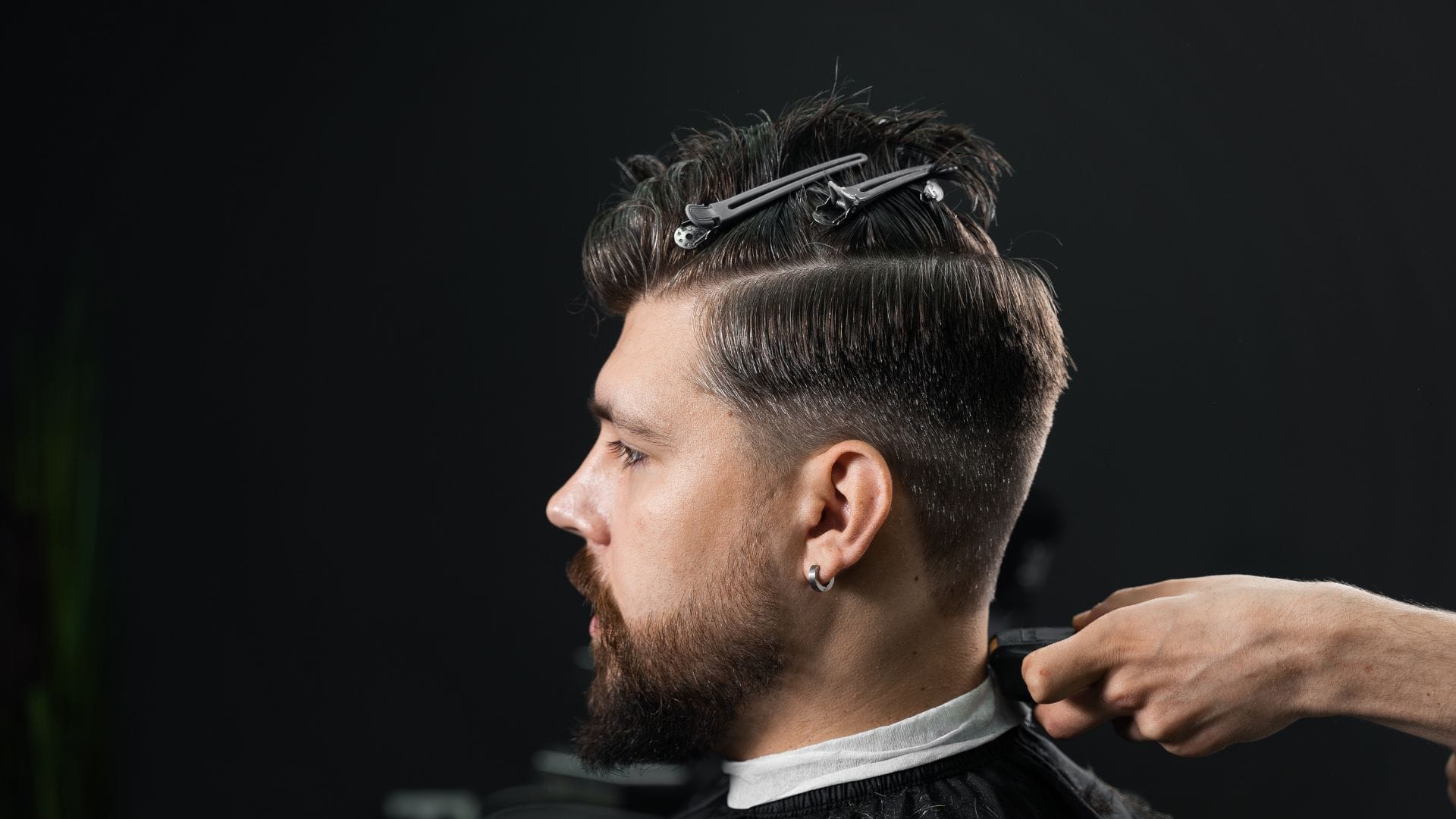
To make this style truly pop, many barbers will shave a hard part directly into the hair at the natural parting line. This adds a level of geometric precision that contrasts beautifully with the smooth, blended sides. Styling requires a high-quality pomade or clay to keep the longer hair neatly in place throughout the day. It is an incredibly versatile choice that looks just as appropriate in a tailored suit as it does in casual weekend attire. This seamless blend of two distinct eras proves exactly why the gradient technique has permanently changed the landscape of men’s grooming.
Conclusion
Choosing the perfect style requires more than just sitting in a chair and hoping for the best. With so many diverse options available, understanding the nuances of these different techniques is essential for achieving a look that complements your unique features and personal aesthetic. Whether you prefer the conservative appeal of a low gradient, the dramatic contrast of a high transition, or the creative flair of a circular burst, there is a variation perfectly suited for every individual.
The key to a successful experience is clear communication and setting realistic expectations based on your natural hair texture and face shape. Always bring reference photos to appointments and discuss the daily maintenance level you are actually comfortable with. By exploring these ten distinct variations, you are fully equipped to make an informed decision for your next grooming appointment. Embrace the versatility of this modern cutting technique and enjoy the sharp, confident appearance it effortlessly provides.