
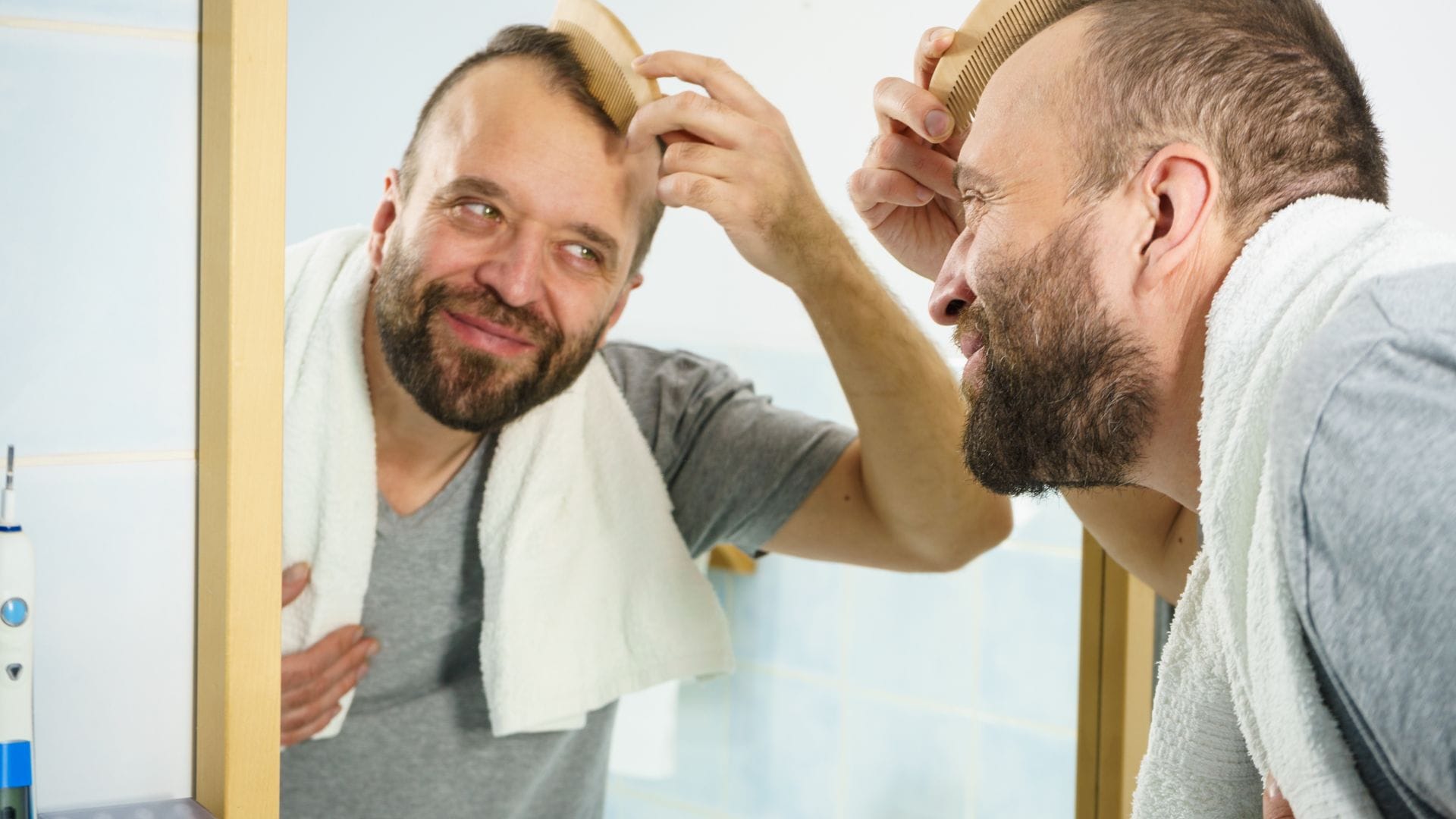
Managing oily hair can feel like a constant battle. You wash your hair in the morning, and by the afternoon, it looks greasy and heavy. This happens when the scalp produces too much sebum, a natural oil meant to protect the skin and hair. While sebum is necessary for healthy hair, an overproduction quickly leads to a shiny, flat appearance that ruins your style. Fortunately, taking control of this issue does not require complicated routines or expensive treatments. Making a few simple adjustments to daily grooming habits makes a massive difference. By following the right steps, anyone can achieve a balanced scalp and great-looking hair. Read on to explore thirteen highly effective ways to keep that annoying grease under control.
1. Wash Your Hair with the Right Frequency
Finding the perfect washing schedule is the first step in managing excess oil. Many men make the mistake of washing their hair every single day, thinking this will solve the grease problem. However, overwashing strips the scalp of its natural moisture. When the scalp feels too dry, it goes into panic mode and produces even more oil to compensate. This creates a frustrating cycle of endless greasiness.
Instead of washing daily, try reducing your shampoo routine to every other day or three times a week. During the first few weeks, the hair might feel a bit more oily than usual as the scalp adjusts to the new schedule. Be patient and give the skin time to regulate its oil production naturally. On the days you skip shampoo, simply rinse the hair with plain water to remove daily sweat and dirt without stripping away essential oils.
Adjusting this habit requires a little time, but the long-term results are highly rewarding. The scalp eventually learns to balance itself, leading to healthier strands. You will notice that the hair looks much cleaner and fuller on the second day than it ever did before.
2. Choose the Proper Shampoo Formula
Using the correct shampoo is incredibly important when fighting a greasy scalp. Standard shampoos often contain heavy moisturizing agents designed for dry or damaged hair. These thick formulas leave a fine residue behind, making oily hair look even flatter and greasier immediately after stepping out of the shower. You need a product specifically formulated to clarify and deeply cleanse the scalp. Look for labels that mention “clarifying,” “volumizing,” or “oil-control.”
Ingredients like tea tree oil, salicylic acid, and charcoal are excellent for breaking down excess sebum. A professional barber will often recommend these specific ingredients because they cleanse the pores without causing severe irritation. Clarifying shampoos completely remove product buildup and trapped oils, giving the hair a fresh, clean slate. Use a clarifying treatment once a week for the best results.
It is also wise to avoid shampoos containing heavy silicones or sulfates. Silicones coat the hair shaft, trapping oil underneath and weighing the hair down. Sulfates can be too harsh, stripping away too much moisture and triggering more oil production. Reading the ingredient list carefully ensures you pick the absolute best tool for the job.
3. Avoid Using Too Much Conditioner
Conditioner is a highly misunderstood product, especially for men dealing with oily hair. Its main purpose is to hydrate and detangle the ends of the hair, which tend to dry out faster than the roots. However, applying conditioner directly to the scalp is a major mistake. The scalp already produces plenty of natural oils, so adding creamy, heavy conditioner directly to the roots only creates a greasy, weighed-down mess.
If you have short hair, you might not even need to use a conditioner at all. For men with medium to long styles, apply the product strictly to the tips of the hair. Use a very small amount, about the size of a dime, and rinse it out thoroughly after a minute. Leaving any conditioner residue behind will make the hair look incredibly greasy as soon as it dries completely.
Opt for lightweight, oil-free conditioners rather than thick, deep-conditioning masks. Spray-on leave-in conditioners are also a great alternative because they offer light hydration without heavy creams. Taking a minimalist approach to conditioning keeps the hair soft without adding any unnecessary oil to the roots.
4. Master the Art of Styling
Styling oily hair correctly requires choosing the right techniques and avoiding heavy, greasy products. High-shine pomades, thick waxes, and oil-based creams spell disaster for guys prone to greasiness. These items add extra shine and heavy oils directly to the hair shaft, making the scalp look like an oil slick by midday. Instead, you need products that absorb oil and provide a completely dry finish.
Whether you are styling a slick back or focusing on Taming Wavy Hair, utilizing matte styling products makes a massive difference. Sea salt sprays, texture powders, and dry clays offer an excellent hold without any added shine. These items actually help absorb excess oil throughout the day, keeping the hair looking naturally textured and deeply voluminous.
Always apply styling products sparingly. Using too much of any product creates severe buildup, which traps sweat and sebum against the scalp. Start with a tiny, pea-sized amount, rub it thoroughly between your palms, and apply it evenly. You can always add a little more if needed, but removing excess product requires jumping right back into the shower.
5. Keep Your Hands Off Your Head
One of the most common habits that completely ruins clean hair is constantly touching it. Throughout the day, your hands collect dirt, sweat, natural skin oils, and grease from food or tools. Every single time you run your fingers through your hair to adjust your style, you transfer all of that grime directly onto your pristine strands and sensitive scalp.
This transfer of oil instantly makes the hair look much dirtier than it actually is. Furthermore, scratching an itchy scalp or aggressively massaging the head stimulates the sebaceous glands. When these glands are stimulated, they release even more sebum into the hair follicles. Keeping your hands safely in your pockets is a simple but incredibly powerful way to maintain a fresh look.
If your style constantly falls out of place and forces you to adjust it, consider using a slightly stronger styling product or getting a shorter haircut. Using a clean comb to fix a messy part is much better than using dirty fingers. Breaking the habit of touching the head takes strict discipline, but the reward is significantly cleaner hair.
6. Embrace Matte Styling Products
As mentioned briefly before, the type of finish your styling product provides dictates how greasy your hair will look. Shiny products reflect light, making any existing natural oil look ten times more severe. Matte products, on the other hand, scatter light and actively hide the appearance of grease. They give the hair a highly natural, completely dry appearance that lasts all day long.
Matte clays and pastes are absolutely perfect for creating highly textured, messy styles. If you prefer Rugged Looks, a high-quality clay provides the necessary grit and firm hold without the terrible greasy reflection. Texture powders act almost like a dry shampoo, soaking up moisture while providing immense volume to flat, lifeless hair. These modern items are essential tools in the fight against sebum.
When applying a matte paste, ensure the hair is completely dry first. Applying clay to wet hair severely dilutes the product and ruins the desired matte effect. Blow-drying the hair beforehand not only adds great volume but also ensures the styling product can do its job correctly. The result is a sharp, completely shine-free hairstyle.
7. Rinse with Cool Water
The temperature of your shower water plays a surprising role in how much oil your scalp produces. Hot water feels incredibly relaxing, but it strips the skin of its natural lipid barrier. Just like overwashing, this severe moisture loss forces the body to rapidly produce more oil to protect the exposed, highly sensitive scalp skin. Hot water also leaves the hair cuticles wide open, making the strands look highly frizzy and easily damaged.
Rinsing the hair with cool or lukewarm water is a much better approach. Cool water gently cleanses away dirt without completely melting the natural, necessary oils. Furthermore, a cold rinse forces the hair cuticles to shut tightly. Closed cuticles make the hair look much smoother, deeply vibrant, and highly resistant to environmental dirt and heavy pollution.
You do not need to take a freezing cold shower every day to see the benefits. Simply wash your body with warm water, and turn the temperature down specifically when it is time to rinse the shampoo out of your hair. This small, daily temperature adjustment protects the scalp from heat damage and severely limits the overproduction of greasy sebum.
8. Schedule Regular Haircuts
Keeping the hair relatively short is a very practical strategy for minimizing a greasy appearance. Long hair naturally traps much more sweat, dirt, and heavy oils. Because the hair lies completely flat against the oily scalp, the grease easily travels all the way down the long hair shaft. Shorter styles keep the hair elevated and away from the skin, heavily reducing the greasy transfer.
Booking frequent appointments helps maintain a highly manageable length. If you are tired of dealing with heavy, flat hair, simply searching for a highly rated barber near me is a great first step. A professional can easily suggest structured, modern cuts like high fades, textured crops, or classic crew cuts. These shorter styles require much less daily maintenance and naturally look far less oily.
Furthermore, regular trims eliminate dry, split ends. While the roots might be excessively oily, the ends of the hair can still suffer from severe dryness and damage. Trimming the hair every three to four weeks keeps the strands looking incredibly healthy and highly neat. A fresh, sharp haircut is the easiest way to look perfectly clean and put-together.
9. Clean Your Hairbrushes and Combs
Grooming tools harbor a disgusting amount of hidden dirt, dead skin cells, stale styling products, and old grease. Every time you brush your hair with a dirty comb, you brush all of that gross buildup directly back onto your clean scalp. It completely defeats the purpose of taking a shower and using a high-quality clarifying shampoo.
Cleaning your tools is a mandatory hygiene practice. Once a week, take your brushes and combs to the sink. Remove any trapped hair trapped in the bristles. Then, soak the tools in a bowl of warm water mixed with a few drops of clarifying shampoo or simple dish soap. Use an old toothbrush to scrub away the stubborn grime deeply stuck between the narrow teeth.
Rinse the tools thoroughly and let them air dry completely on a clean towel. Using pristine grooming tools ensures that no old grease transfers back onto the head. This highly simple, five-minute chore makes an unbelievable difference in how clean the hair stays throughout the week. Keep the tools spotless to keep the hair looking completely fresh.
10. Watch Your Diet and Hydration
The condition of your skin and hair often reflects your internal health and daily dietary choices. Consuming a diet extremely high in greasy, fried foods, refined sugars, and heavily processed carbs can easily trigger an overproduction of sebum. High-glycemic foods cause rapid insulin spikes, which in turn stimulate the hormones responsible for generating heavy skin oils.
Improving your daily diet actively helps regulate this oil production from the inside out. Focus on eating plenty of fresh, leafy green vegetables, lean proteins, and foods rich in zinc and vitamins B and E. Nuts, seeds, and healthy fatty fish are excellent choices for maintaining a highly balanced, incredibly healthy scalp. Proper nutrition fuels the body properly and severely limits annoying hormonal oil spikes.
Hydration is equally critical for scalp health. Drinking plenty of water every single day keeps the skin perfectly hydrated. When the body is dehydrated, the scalp dries out and produces excess oil to compensate for the severe lack of moisture. Carry a reusable water bottle and aim for at least eight glasses daily to keep the sebum levels completely stable.
11. Apply Dry Shampoo Between Washes
Dry shampoo is an absolute lifesaver for anyone struggling with a constantly greasy scalp. This brilliant product contains starch or alcohol-based powders that actively soak up excess sebum directly from the roots. It instantly transforms heavy, flat, shiny hair into highly voluminous, completely matte strands. It is the perfect quick fix for busy mornings or post-gym touch-ups.
Using dry shampoo correctly is essential for achieving the absolute best results. Hold the aerosol can about six to eight inches away from the head and spray it strictly on the roots, focusing heavily on the greasiest areas. Let the fine powder sit undisturbed for about two minutes. This waiting period allows the starch to fully absorb the heavy oils.
After waiting, use your fingertips to deeply massage the powder into the scalp, and then brush the hair thoroughly to remove any visible white residue. Do not use dry shampoo for multiple days in a row, as the powder will eventually build up and clog the sensitive hair follicles. Use it specifically as a bridge to get you cleanly through to your next proper shower day.
12. Exfoliate Your Scalp Regularly
The scalp is simply an extension of the facial skin, and it requires the exact same level of careful attention. Dead skin cells, heavy styling product buildup, and hardened sebum easily clog the hair follicles. Clogged follicles restrict healthy hair growth and trap oils directly against the skin. Exfoliating the scalp gently removes this stubborn barrier and promotes a highly healthy environment.
You can easily purchase a dedicated scalp scrub containing fine natural exfoliants like sea salt or sugar. Alternatively, chemical exfoliants containing salicylic acid work wonderfully to dissolve heavy oils deeply trapped inside the pores. Use a scalp scrub once every two weeks in the shower. Gently massage the scrub into the roots using circular motions for a few minutes before rinsing thoroughly.
Avoid scrubbing too aggressively, as severe friction will easily irritate the skin and cause micro-tears. Gentle, consistent exfoliation completely lifts away the heavy buildup that regular shampoos simply cannot remove. The hair will instantly feel much lighter, and the roots will finally have the necessary space to breathe, significantly reducing overall greasiness.
13. Limit Heat Styling Tools
Relying heavily on hair dryers, hot flat irons, or heated curling brushes severely damages the hair and aggressively stimulates oil production. Direct, high heat applied to the scalp causes the skin to sweat and immediately release heavy protective oils. Furthermore, extreme temperatures completely fry the hair shaft, leaving the ends brittle while the roots remain extremely greasy.
Whenever possible, let the hair air dry entirely naturally. Gently pat the hair with a soft microfiber towel to remove excess water, rather than vigorously rubbing it with a rough cotton towel. If you absolutely must use a blow dryer to achieve a specific voluminous style, always use the lowest possible heat setting or strictly utilize the cool shot button.
Keep the nozzle of the blow dryer constantly moving and hold it at least six inches away from the sensitive scalp. Using a high-quality thermal protectant spray also deeply shields the strands from severe heat damage. Minimizing heat exposure protects the delicate moisture barrier of the skin, resulting in much cleaner, deeply healthier hair that stays grease-free for much longer.
Conclusion
Dealing with oily hair is certainly annoying, but it is a highly manageable condition. By tweaking daily washing habits, selecting the perfect matte styling products, and keeping grooming tools completely spotless, anyone can successfully defeat the heavy grease. Proper diet, hydration, and gentle scalp care also play massive roles in maintaining a healthy, perfectly balanced head of hair. Stop letting excess sebum ruin a perfectly good style. Implement these thirteen simple tips today to confidently enjoy clean, deeply textured, and fantastic-looking hair every single day of the week.