
A good beard can change the way a face looks. It can add shape, highlight strong features, and create a more polished style. Still, beard styling is not only about letting facial hair grow. Without care, even a thick beard can look rough, uneven, or messy. Good styling helps keep everything neat and makes daily grooming much easier.
Many people think beard care is hard or takes too much time. The truth is much simpler. A few smart habits can make a big difference. The right shape, the right tools, and the right routine can help a beard look clean and healthy every day. These detailed tips explain how to style a beard in a simple way that works for different lengths, textures, and face shapes.
1. Know Your Face Shape Before Styling
Before shaping a beard, it helps to understand the shape of the face. This step matters because the same beard style will not look the same on everyone. A round face may look better with more length at the chin. A long face may benefit from fuller sides and less length below. A square face often suits a beard with softer edges. Styling becomes much easier when the beard works with natural features instead of fighting them.
Looking at the jawline, cheekbones, and chin can help guide better choices. A mirror and a few minutes of careful attention are often enough to spot what kind of balance the face needs. Beard styling should aim to improve proportion. That means adding fullness where the face looks narrow and reducing bulk where it looks too wide. This simple approach creates a cleaner result and helps avoid random shaping that leads to an uneven or awkward look.
2. Use a Regular beard trim Schedule
A beard looks better when it is trimmed on a steady schedule. That does not always mean cutting off a lot of hair. It simply means removing split ends, shaping the outline, and keeping the length under control. Even a fuller beard trim needs regular care. Without trimming, the ends can become dry, rough, and uneven. The beard may also start to lose its shape and look untidy around the cheeks, chin, and neckline.
The best trimming schedule depends on beard length and growth speed. Short beards often need more frequent upkeep, sometimes once a week. Medium or longer beards may only need careful shaping every two or three weeks. Using a comb before trimming helps spot uneven areas and keeps the cut more balanced. Small, careful adjustments are usually better than large cuts. Slow trimming reduces mistakes and helps keep the beard looking full while still staying neat and well-shaped.
3. Keep the Neckline Clean but Natural
A clean neckline can make a beard look sharp very quickly. This area is often ignored, but it plays a big part in the final look. If the neckline is too high, the beard can seem unnatural and too small. If it is too low, the beard may look messy and heavy. A natural, neat neckline creates a stronger shape and helps separate the beard from the neck without making the style look forced.
A good general guide is to trim the neckline just above the Adam’s apple, then follow a soft curve from one side of the jaw to the other. This line should not be too hard or boxy unless that is the exact style being chosen. Shaving below the line keeps the area clean and helps the beard stand out more clearly. Checking the neckline from the side and front is important, because a beard that looks fine from one angle may seem uneven from another.
4. Learn Taming Wavy Hair for Better Control
Wavy beard hair can look great, but it can also be harder to control. Some sections may stick outward while others curl inward. This can make the beard appear uneven, larger on one side, or rough around the edges. Good styling starts with understanding that wavy hair needs guidance, not force. Trying to flatten it too much often makes it look stiff or unnatural. A better goal is to shape the waves so the beard keeps a neat and healthy appearance.
A beard brush, beard balm, and a little patience can help a lot. Brushing the beard when it is slightly damp can guide the hair into a better direction. Balm adds light hold and helps reduce puffiness. A blow dryer on low heat can also help shape the beard, especially when used with a comb or brush. The key is gentle control. Wavy beards often look best when they keep some natural texture while still being cleaned up around the edges and length.
5. Wash the Beard Without Drying It Out
A clean beard always styles better than a dirty one. Dirt, sweat, food, and oil can build up in facial hair over time. When that happens, the beard may feel rough, smell bad, or become harder to shape. Still, washing too often with harsh soap can create a different problem. It can dry out both the beard and the skin under it. Dry hair becomes brittle, and dry skin can lead to flakes and itching.
Using a beard wash a few times a week is often enough for most people. A mild product made for facial hair is better than strong shampoo or body soap. After washing, it helps to pat the beard dry instead of rubbing it hard with a towel. That reduces frizz and breakage. Clean hair responds better to oil, balm, and brushing, so styling becomes easier right after a proper wash. Healthy beard care begins with keeping the hair clean while protecting its natural moisture.
6. Understand Things to Avoid When Shaping a Beard
A lot of beard mistakes come from rushing. Trimming too much at once is one of the most common problems. Once too much hair is gone, fixing the shape often means cutting even more. Another common issue is creating lines that are too sharp or too high. A beard should look clean, but it should still match the natural growth pattern of the face. Ignoring that pattern can make the beard look fake or poorly balanced.
It also helps to avoid using dull tools or random products. Dull trimmers can pull the hair and make the beard look uneven. Heavy products with too much grease may weigh the beard down and attract dirt. Another mistake is comparing one beard to another. Every beard grows differently. Some grow thick on the cheeks, while others grow stronger around the chin and jaw. Good styling comes from working with natural growth, not forcing the beard into a style that does not suit the face or hair type.
7. Use Beard Oil for Softness and Shine
Beard oil is one of the simplest tools for better styling. It helps soften the hair and adds a healthy, light shine. It also helps the skin under the beard, which matters more than many people realize. Dry skin can cause itching, flakes, and irritation. When the skin feels better, the beard usually looks better too. Soft beard hair is easier to comb, shape, and manage during the day.
Only a small amount is needed for most beard lengths. A few drops rubbed into the hands and worked through the beard can go a long way. It helps to apply oil after washing, when the beard is clean and slightly damp. This helps lock in moisture. Brushing after applying oil spreads it more evenly and makes the beard look smoother. Regular use can improve the feel and appearance of the beard over time, especially for coarse or dry facial hair that tends to look rough.
8. Visit a barbershop for Shape Guidance
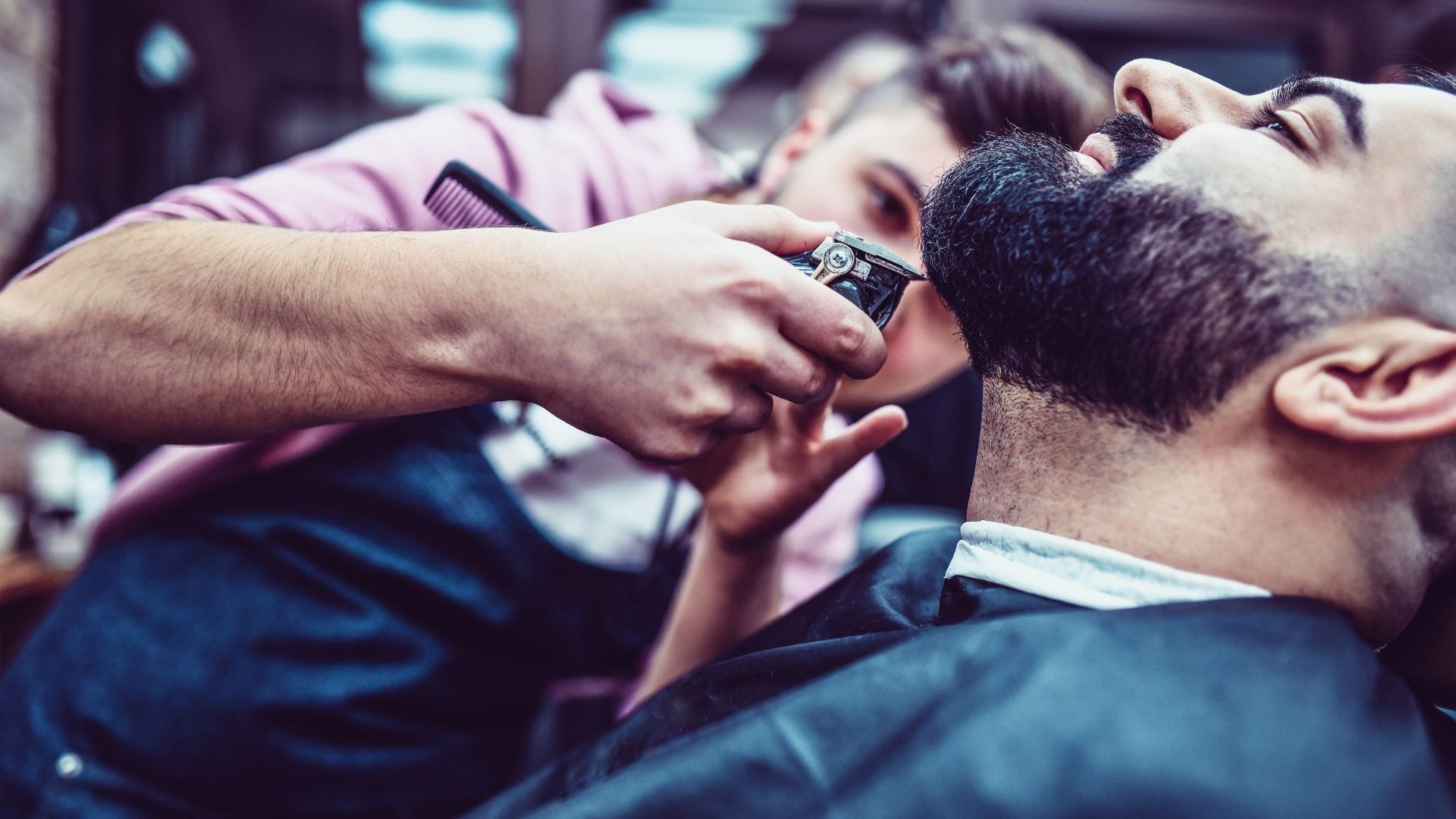
A professional visit can help a lot, especially when trying a new beard style. Many people can maintain a beard at home, but a skilled barber can set the shape in a way that is hard to copy without experience. This is useful for cheek lines, neckline balance, and blending the beard into the haircut. A strong shape from the start makes home maintenance much easier for the next few weeks.
A good appointment can also teach useful lessons. Watching how the beard is combed, trimmed, and lined up can improve daily care at home. A barber may also suggest a style that fits face shape and beard density better than a random trend. This can save time and prevent styling mistakes. Even people who prefer home grooming can benefit from an occasional professional cleanup. It gives the beard a fresh structure and makes the whole look seem more polished and intentional.
9. Match the Beard Length to the Haircut
The beard and haircut should work together. If one looks sharp and the other looks neglected, the whole style can feel off. A clean haircut with a wild beard may seem unbalanced. In the same way, a very sharp beard with an overgrown haircut may not look complete. Matching the general level of neatness between the two creates a stronger and more attractive overall appearance.
This does not mean both need the same style. A short haircut can pair well with a fuller beard, and longer hair can also work with facial hair when the proportions are right. The goal is balance. Looking at sideburns, fade lines, and how the beard connects near the ears can make a big difference. Even simple trimming around those areas can help the haircut and beard blend together better. When both parts support each other, the final result looks more planned and much cleaner.
10. Brush and Comb the Beard the Right Way
Brushing and combing may seem basic, but they are important parts of beard styling. They help train the beard to grow in a better direction and make the shape look more even. A comb is useful for detangling and trimming. A brush is better for spreading oil and smoothing shorter or medium beards. Using the wrong tool or pulling too hard can cause breakage, frizz, or discomfort.
It helps to start slowly and move in the natural direction of growth. Tugging too fast can damage the hair and irritate the skin underneath. Combing before trimming also lifts hidden hairs and makes the beard easier to shape evenly. Daily brushing can make the beard look fuller and more controlled over time. Like most grooming habits, the results improve with consistency. A beard that is brushed and shaped regularly usually looks neater than one that only gets attention right before going out.
11. Be Patient While the Beard Fills In
Patience is one of the most important parts of beard styling. Many people give up too early because the beard does not look full after a few weeks. Early growth can seem patchy, uneven, or rough around the edges. That stage is normal. Some areas grow faster than others, and the full shape often takes time to appear. Trimming too much during the early stage can slow progress and make the beard seem thinner than it really is.
Letting the beard grow for a few weeks before making major shape decisions often leads to better results. During that time, basic care still matters. Washing, brushing, and using light oil can keep the beard looking healthier while it fills in. Once more length appears, it becomes easier to see the natural pattern and choose a style that fits. A beard rarely looks its best overnight. Time, steady care, and small adjustments usually lead to a much better final shape than quick fixes.
Conclusion
Beard styling does not need to be complicated. Small habits can create strong results when they are done regularly. A clean neckline, steady trimming, gentle washing, and the right products all help build a beard that looks healthy and well-shaped. Simple tools and careful attention often matter more than expensive routines.
The best beard style is one that fits the face, matches the haircut, and feels easy to maintain. Good styling is not about making every beard look the same. It is about helping each beard look its best. With patience and a smart routine, facial hair can look cleaner, feel softer, and stay much easier to manage every day.