Growing out a short haircut can feel exciting at first, but it often becomes frustrating after a few weeks. Hair may stick out at the sides, lose its shape, or look uneven as the length changes. Many people start the process with patience, then feel tempted to cut it all off again when the awkward stage appears. That is normal. A short style usually grows out in steps, not in a smooth and perfect way.
The good news is that growing out short hair does not have to feel messy or impossible. With the right plan, regular care, and a little patience, the process becomes much easier. Small changes in styling, trimming, and hair care can make a big difference. These tips will help keep the hair looking neat while it gains length and moves toward a new style.
1. Start With a Clear Hair Goal
One of the best ways to grow out a short haircut is to begin with a clear plan. Many people simply stop cutting their hair and hope it turns into a better style over time. That usually leads to frustration. Hair grows at different speeds in different areas, so it helps to know what final look is the goal. Maybe the goal is a medium layered style, a longer side part, a textured crop, or shoulder-length hair. Having a target makes every trim and styling choice more useful. It also helps avoid random cuts that slow progress or ruin the shape. A clear goal gives direction during the months when hair feels hard to manage.
Pictures can help a lot during this stage. Looking at styles with similar texture, thickness, and face shape makes the goal more realistic. Straight hair grows out differently from curly hair, and thick hair behaves differently from fine hair. Choosing a style that suits natural hair type saves time and stress later. A clear goal also helps with motivation. When hair starts to look awkward, it becomes easier to stay patient if there is a specific result in mind. Growing out a short haircut takes time, but the process feels easier when each stage leads toward something clear instead of something uncertain.
2. Keep the Edges Clean With a line up haircut
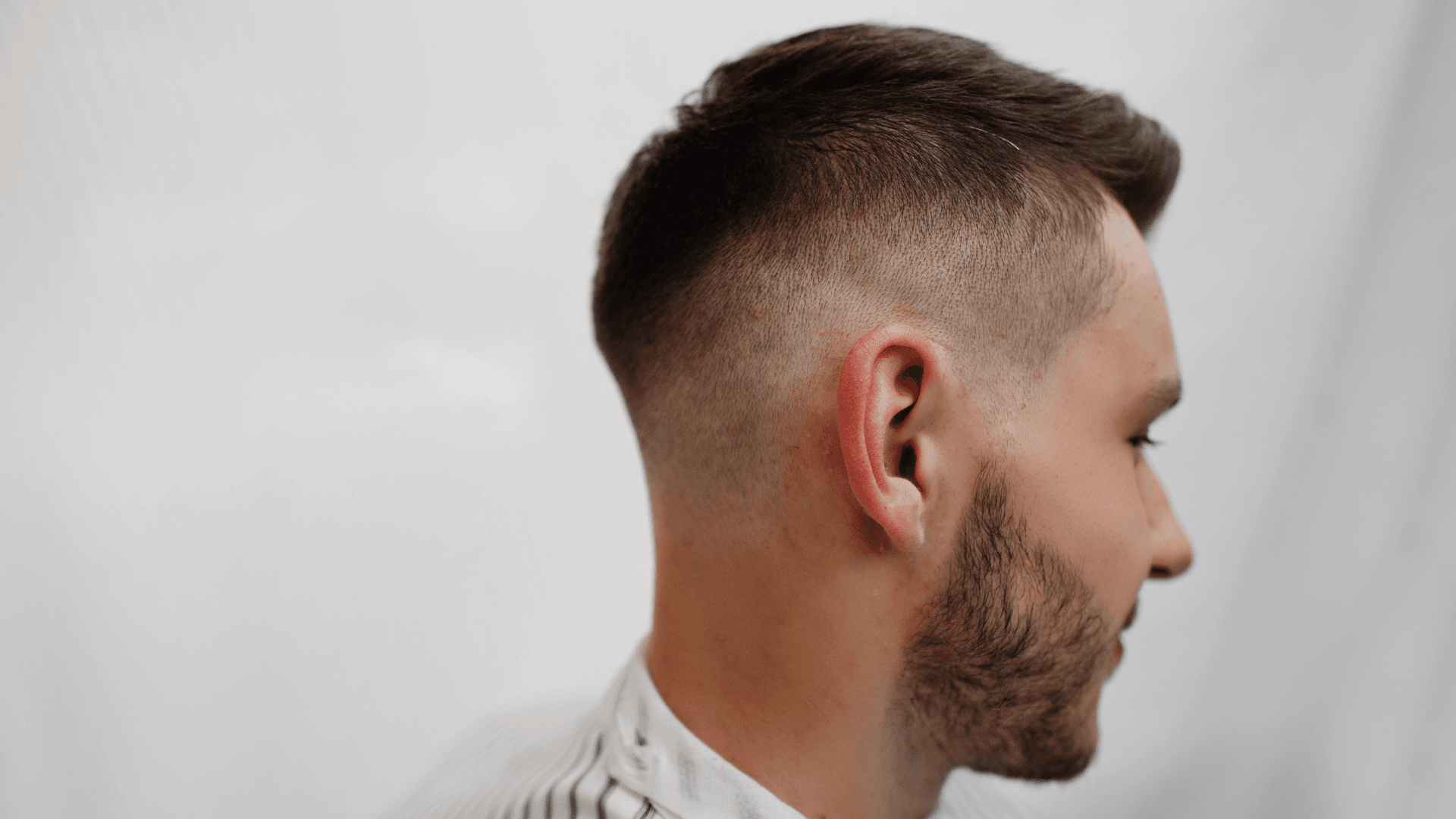
Growing out hair does not mean letting everything grow in every direction. One of the smartest ways to keep the process looking neat is to maintain the edges. A fresh line up haircut can make a big difference during the early and middle stages of hair growth. Clean edges around the forehead, sideburns, and neckline help the haircut look intentional even when the top and sides are changing shape. This works especially well for people whose hair starts to look untidy quickly. The hair may be getting longer overall, but the clean border gives it structure. That small detail can make the whole style look more polished without losing progress.
Keeping the edges sharp also helps with confidence. Many people give up on growing out a short haircut because they feel like the style looks messy after a few weeks. In many cases, the real problem is not the length but the lack of shape around the edges. A clean hairline can make the haircut look fresh while still allowing the rest of the hair to grow. This is especially useful for short fades, crops, and close-cut styles. Instead of cutting all the length off again, keeping the outline neat gives a better balance between growth and grooming. That balance makes the awkward phase much easier to handle.
3. Schedule Light Trims Instead of Major Cuts
Many people think growing out hair means never trimming it. That is one of the biggest mistakes in the process. Small trims can actually help hair look better and grow out in a more balanced way. When certain areas grow too fast or too heavy, the haircut can start to lose shape. A light trim removes only what is needed to control bulk, clean uneven spots, and guide the hair toward the final style. It is not about losing progress. It is about keeping the haircut manageable. Without these small trims, the hair may become harder to style, especially around the ears, neck, and crown.
Light trims are also helpful because they reduce the urge to start over. When hair begins to look too wide, too puffy, or too shapeless, many people panic and go back to a very short cut. A simple cleanup can prevent that. The key is to tell the stylist clearly that the goal is to grow the hair longer, not shorten it. That way, only the areas causing trouble are adjusted. Trims should support the growth plan, not stop it. Over time, these small corrections help the haircut move through each stage with less frustration and a lot more control.
4. Use the Right Grooming Services During the Awkward Stage
The awkward stage is the hardest part of growing out a short haircut. This is the point when the hair is too long to look sharp and too short to fall into the new style properly. During this stage, the right Grooming Services can help a lot. Simple services like neckline cleanup, sideburn shaping, beard blending, hair washing, scalp care, and light texturizing can improve the overall look without taking off too much length. These small steps can make the haircut feel intentional instead of out of control. Growing out hair becomes much easier when shape and cleanliness are maintained along the way.
Good grooming also helps the whole appearance stay balanced. When hair starts to grow, volume may appear in strange places. The sides may puff out while the top stays flat, or the back may grow too fast compared to the front. Targeted grooming can soften these problems. A light cleanup or styling adjustment can make the haircut easier to wear in daily life. This matters because the process of growing hair is not just about time. It is also about comfort and confidence. When the hair looks better during the in-between stages, there is less temptation to cut it all off again. That makes the long-term goal much more reachable.
5. Learn a Few Easy Styling Tricks
Styling plays a huge part in growing out a short haircut. Hair that seems awkward one day can look much better with a small change in how it is dried, brushed, or shaped. This is important because short hair often grows outward before it starts to fall into place. A little styling cream, light pomade, mousse, or sea salt spray can help control that stage. Blow-drying the hair in the right direction can also train it over time. Even a simple side part can hide uneven growth and create a cleaner shape. These small tricks do not take much time, but they can make the haircut much easier to live with.
It also helps to stay flexible with style during the growing process. The final goal may be long hair, but the hair may need different looks on the way there. For a few weeks, it may look best pushed forward. Later, it may work better brushed back or parted at the side. Adapting to each stage makes the process smoother. Trying to force the hair into one look too early often creates frustration. It is better to work with the current length and make the most of it. Good styling is not about making hair perfect. It is about helping it look neat and manageable while it continues to grow.
6. Take Care of the Scalp, Especially for Men with Dandruff
Healthy hair growth starts with a healthy scalp. That is why scalp care should never be ignored when growing out a short haircut. This matters even more for Men with Dandruff, because flakes, itching, and dryness can make the process feel uncomfortable and look untidy. As hair gets longer, scalp issues can become more noticeable if they are not treated early. The solution is simple. Use a shampoo that matches the scalp condition, wash often enough to control buildup, and avoid heavy products that create extra irritation. A clean, calm scalp gives growing hair a much better base and helps the whole style look fresher.
Scalp care also improves comfort, which makes patience easier. It is hard to stay committed to growing out hair if the scalp feels itchy or looks flaky every day. Dryness and buildup can also affect how hair behaves, especially during the awkward stage. Hair may look dull, feel greasy at the roots, or lose movement if the scalp is not cared for properly. A basic routine with the right shampoo, gentle massage, and regular cleaning can make a big difference. Healthy growth is not only about length. It is also about how the hair and scalp feel during the process. When the scalp stays in good shape, growing out a short haircut becomes much more manageable.
7. Be Patient With Uneven Growth
Hair rarely grows in a perfectly even way. Some parts may gain length faster, while others stay shorter for a while. This is one reason growing out a short haircut can feel strange. The sides may stick out before the top gets longer. The back may start flipping up while the front still feels too short. This does not mean anything is wrong. It is just part of the process. Understanding that uneven growth is normal makes it easier to stay calm and avoid quick decisions. Hair changes shape in stages, and not every stage looks balanced. Patience matters because the haircut often improves with just a little more time.
It helps to judge progress over months, not days. Looking at the hair too closely every morning can make it feel like nothing is changing. Taking a picture every few weeks gives a better view of real progress. This also helps when talking to a stylist, because it shows how the shape is changing over time. Uneven growth can be managed with light trims and better styling, but it cannot be rushed away. Hair needs time to settle into new lengths. Accepting that fact takes some stress out of the process. Once patience becomes part of the plan, the awkward stages feel less like failure and more like a normal part of getting to the final look.
8. Visit a Trusted barbershop for Shape Maintenance
Growing out hair at home without any professional help can become risky after a while. A trusted barbershop can help keep the haircut under control without ruining the length. This is important because growing out short hair is not the same as ignoring it. Shape still matters. A good barber can remove bulk in the right places, clean the neckline, soften harsh corners, and keep the haircut moving in the right direction. That kind of maintenance makes the hair easier to wear from week to week. It also lowers the chance of one bad self-trim causing months of delay.
A regular visit to the right shop can also prevent panic cuts. Many people reach a stage where the hair feels too messy and decide to cut it very short again. In many cases, a barber could fix the problem with a small adjustment instead. Communication matters here. It helps to say clearly that the goal is longer hair and that only small changes are wanted. The right barber will know how to guide the growth, not fight against it. That support can make a big difference, especially when the haircut passes through uneven and difficult stages. A good shop becomes part of the growing process, not a setback in it.
9. Protect the Hair From Damage
Hair may be growing, but if it becomes dry, weak, or damaged, it will not look or feel healthy. That is why protection matters during the grow-out phase. Heat tools, rough towel drying, harsh shampoos, and too much product buildup can all affect the look of growing hair. Damaged hair may feel rough, puff out more, or lose shape at the ends. This can make the haircut seem worse than it really is. Using a gentle shampoo, a light conditioner, and softer drying methods helps keep the hair in better condition. The goal is not just more length. The goal is better-looking length.
Protection also matters at night and during daily routines. Constant hat use, rough brushing, tight pulling, or touching the hair too much can create stress and breakage over time. That may not stop growth at the roots, but it can hurt the overall look and shape. As the hair gets longer, it usually needs more moisture and a little more care than it did when it was cut close. Healthy hair is easier to style and easier to trust during awkward stages. When the strands stay softer and stronger, the haircut looks more intentional and grows out with fewer problems.
10. Adjust Products as the Hair Gets Longer
The products used on very short hair may stop working once the hair begins to gain length. A strong wax or thick pomade may feel fine on a short crop, but it can start to feel too heavy when the hair gets longer. This can flatten the top, create buildup, or make the hair look greasy. Growing out a haircut often means changing the product routine along the way. Lighter creams, texturizing sprays, leave-in conditioners, and soft styling pastes may work better during the middle stages. The right product helps the hair move naturally instead of fighting against the new length.
This change matters because hair needs different support at different stages. Short hair usually needs hold and structure. Longer hair often needs control, moisture, and softness. Using the wrong product can make the haircut harder to manage and lead to frustration. It helps to test small amounts and watch how the hair reacts. The goal is to support the current length, not the old one. A product that worked perfectly two months ago may not suit the hair now. Adjusting the routine keeps the style looking more natural and helps the hair grow out with less stress and better shape.
11. Work With Natural Texture Instead of Fighting It
One of the biggest mistakes during the grow-out phase is trying to force the hair to behave like a different hair type. Straight hair, wavy hair, curly hair, and thick hair all grow out in different ways. Fighting that natural texture usually creates more stress than success. Hair may puff, flip, curl, or lie flat depending on its texture and the current length. Instead of treating that as a problem, it helps to work with it. A haircut grows out more smoothly when styling choices match what the hair naturally wants to do. That creates less effort and a better overall shape.
Working with natural texture also makes the hair look more relaxed and believable. If waves start showing as the hair gets longer, that can become part of the style. If thick hair gains volume at the sides, a trim can shape it instead of trying to flatten it completely. Trying to force every strand into place usually leads to too much product, too much heat, and too much frustration. The easier path is to understand the texture and style around it. This not only helps during the awkward phase but also leads to a final look that suits the hair better in the long run.
12. Use Accessories and Small Style Changes When Needed
There may be times when the hair just does not sit right. That is a normal part of growing out a short haircut. On those days, small changes can help a lot. Hats, headbands, clips, soft ties, or even a simple change of part can make the style easier to manage. These are not signs of failure. They are useful tools during a long process. Accessories can help cover uneven stages, hold back difficult sections, or make the haircut feel more intentional. Sometimes a tiny shift in styling makes the whole look feel better without any cutting at all.
Small changes in routine can also help. Drying the hair in a different direction, brushing it less, adding a little moisture, or changing the wash schedule may improve how it falls. The grow-out phase often needs experimentation. What worked when the hair was shorter may not work now. Instead of giving up when one look stops working, it helps to try another simple option. These short-term fixes keep the process moving and reduce the stress of bad hair days. The goal is not to make every stage perfect. The goal is to make each stage easier to live with until the desired length arrives.
13. Stay Consistent and Trust the Process
Growing out a short haircut is not about one perfect appointment or one perfect product. It is about small consistent steps over time. Hair changes slowly, and real progress may take months. That is why consistency matters more than quick fixes. Regular trims, better scalp care, light styling, and patience all work together. Skipping between different plans every few weeks usually creates more confusion. Staying with one clear direction gives the haircut time to improve. Consistency also makes it easier to notice progress. When the routine is steady, the results become clearer from month to month.
Trusting the process is just as important. There will be days when the haircut feels too awkward, too wide, too flat, or too uneven. That does not mean the process is failing. It usually means the hair is between stages. Every longer haircut passes through smaller versions of itself before it reaches the final shape. Accepting that makes the whole journey easier. The awkward moments are temporary. The final result depends on getting through them without starting over. With a steady routine and realistic expectations, growing out short hair becomes less frustrating and much more rewarding.
Conclusion
Growing out a short haircut takes time, patience, and a little planning, but it does not have to feel difficult every day. With smart trims, better styling, healthy scalp care, and the right support at each stage, the process becomes much easier to manage. Each small step helps the hair move from one stage to the next with better shape and less stress. Stay patient, make simple adjustments when needed, and let the length build over time for a result that feels worth the wait.