
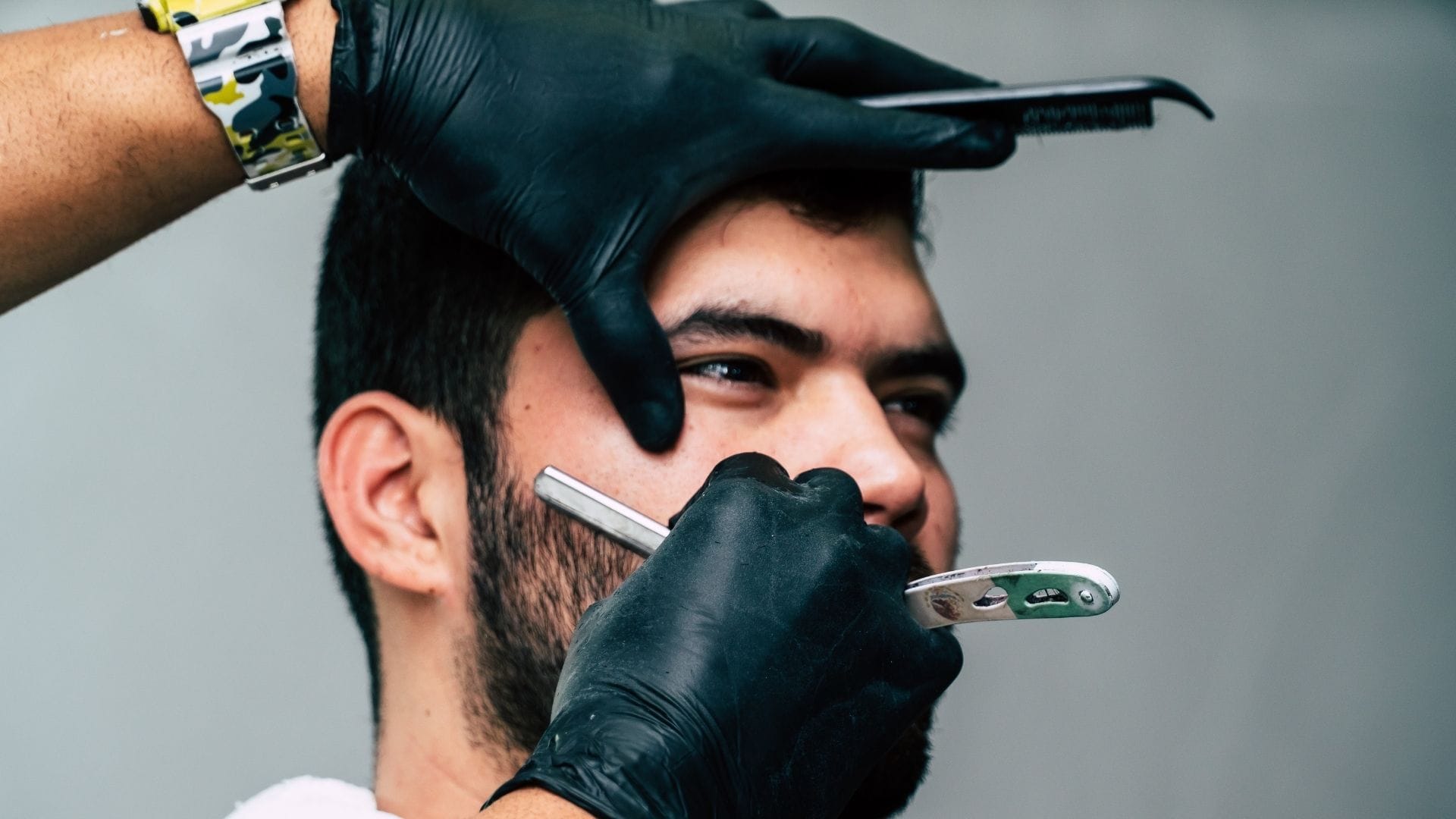
A razor shave uses a blade to cut hair at the skin’s surface, delivering a closer finish but requiring more skill and carrying a higher risk of nicks and irritation. An electric shave uses oscillating or rotating heads to cut hair slightly above the skin, offering speed and convenience with a gentler result on sensitive skin. The right choice depends on your skin type, time, and how close a finish you want.
Two Tools, One Face — The Choice That Defines Your Morning
Every man who has stood in front of a mirror at six in the morning knows this moment. One hand reaches for a razor. The other reaches for a charger cord. The choice feels small, but it shapes your whole day, your skin, and honestly, a piece of how you show up in the world.
Why This Decision Matters More Than You Think
Shaving isn’t just add in grooming Services. It’s contact with your skin, every single day, sometimes twice a day if you’re heading out after work. That kind of repeated contact adds up. A blade dragged across your cheek five days a week for a decade is a different relationship with your skin than a foil head buzzing over it in ninety seconds.
The stakes are higher for some men than others. If you have sensitive skin, curly facial hair, or a tendency toward ingrown hairs, this decision determines whether your face is calm or angry by nine each morning. If you’re a father teaching your son to shave for the first time, this is the tool that will shape his habits, his confidence, and his relationship with grooming for years.
The Ritual of Shaving and What It Says About You
There’s a reason straight razor shaves at a barbershop feel like an event and not a chore. The lather, the warm towel, the blade gliding in practiced strokes. It’s ritual, and rituals matter to men more than we admit. A razor shave, done right, forces you to slow down. An electric shave rewards speed and repetition. Neither is wrong. They just serve different versions of the same man.
A Quick Snapshot of Both Methods
Before going deeper, here’s the fast comparison every man searches for.
| Factor | Razor Shave | Electric Shave |
| Closeness | Very close, cuts at skin level | Close, cuts slightly above skin |
| Skin irritation risk | Higher, especially with poor technique | Lower, especially for sensitive skin |
| Time per shave | 5 to 10 minutes | 2 to 5 minutes |
| Upfront cost | Low to moderate | Moderate to high |
| Ongoing cost | Blades add up over time | Replacement heads, less frequent |
| Skill required | Moderate to high | Low |
| Best for | Close finish, special occasions | Daily speed, sensitive skin, travel |
| Water needed | Yes, plus cream or gel | No, dry shave possible |
A Brief History of the Shave — From Obsidian Blades to Oscillating Heads
Men have been removing facial hair for roughly 100,000 years, according to anthropological evidence of shaving tools found alongside early human settlements. What started with sharpened flint and shells has become a billion-dollar grooming industry.
How Razor Shaving Evolved Over Centuries
Ancient Egyptians used copper razors as early as 3000 BCE, and shaving was tied to status and cleanliness in their culture. The Romans popularized the straight razor as a symbol of masculinity and civility, with barbershops becoming social hubs in ancient Rome. The straight razor remained the dominant shaving tool for centuries, right up until King Camp Gillette patented the safety razor in 1901, a design that protected the skin from the blade’s full edge and made shaving safer for the average man to do at home.
The disposable cartridge razor followed in the mid twentieth century, and multi blade cartridges became standard by the 1970s and 1980s as brands like Gillette and Schick competed on blade count.
The Rise of the Electric Shaver
Colonel Jacob Schick patented the first electric shaver in 1928, motivated partly by his own struggles with a straight razor after an arm injury during his military service. Schick’s invention was slow to catch on, but by the 1930s electric shavers were commercially available and marketed heavily on speed and convenience.
Philips introduced the rotary shaver design in 1939, which remains one of the two dominant electric shaving technologies today alongside foil shavers, pioneered by Braun in the 1950s.
Historical Timeline of Shaving Milestones
| Year | Milestone |
| 3000 BCE | Egyptians use copper razors |
| 1st century BCE | Roman barbershops popularize straight razor shaving |
| 1901 | King Camp Gillette patents the safety razor |
| 1928 | Jacob Schick patents the first electric shaver |
| 1939 | Philips introduces the rotary electric shaver |
| 1950s | Braun develops the foil shaver design |
| 1971 | Gillette releases the Trac II, the first twin blade cartridge |
| 1998 | Gillette releases the Mach3, the first triple blade razor |
Understanding the Razor Shave — What Actually Happens to Your Skin
A razor shave is a controlled act of exfoliation and cutting, happening at once, on the most exposed skin on your body.
The Mechanics of Blade-on-Skin Contact
When a blade passes over your skin, it does two things simultaneously. It slices through the hair shaft at or near the surface, and it scrapes away a thin layer of dead skin cells. That second effect is why your face feels smooth right after a good shave. You’re not just removing hair, you’re removing the outermost layer of dry, dead skin.
This is also why technique matters so much. A blade held at the wrong angle, or dragged against the grain of your hair growth, digs deeper than it should. That’s when you get nicks, weeper bumps, and the burning sensation you feel when aftershave hits freshly cut skin.
Types of Razors and How They Differ
Not all razors behave the same way on your face.
| Razor Type | Blade Count | Best For | Skill Level |
| Straight razor | 1 fixed blade | Closest possible shave, barbershop use | Advanced |
| Safety razor | 1 double edge blade | Close shave, less irritation than cartridges | Intermediate |
| Cartridge razor | 3 to 6 blades | Convenience, forgiving on skin | Beginner |
| Disposable razor | 1 to 3 blades | Travel, occasional use | Beginner |
Straight razors require the most practice but deliver the closest, cleanest cut because a skilled hand can control angle and pressure precisely. Safety razors sit in the middle, prized by grooming enthusiasts for a close shave with a single blade pass instead of multiple blades tugging the same hair. Cartridge razors dominate the mass market because they’re forgiving. Multiple blades mean less pressure needed per pass, which reduces some irritation risk even as it increases the number of times each hair follicle gets touched.
The Role of Shaving Cream, Soap, and Pre-Shave Prep
A razor shave without proper prep is asking for trouble. Shaving cream and soap do more than create lather. They soften the hair shaft by hydrating it, which the American Academy of Dermatology notes can make hair up to 70 percent easier to cut, reducing the force needed and therefore reducing irritation.
Pre-shave prep matters just as much. Washing your face with warm water opens pores and softens hair before you even pick up the razor. Skipping this step is one of the most common reasons men experience razor burn.
What a True Razor Shave Feels Like
There’s a specific sensation to a proper wet shave. The warmth of the towel, the slight resistance of the blade against stubble, the satisfying scrape sound with each pass. It’s tactile in a way electric shaving simply isn’t. Many men describe it as meditative once they’ve built the muscle memory, a few quiet minutes before the day starts.
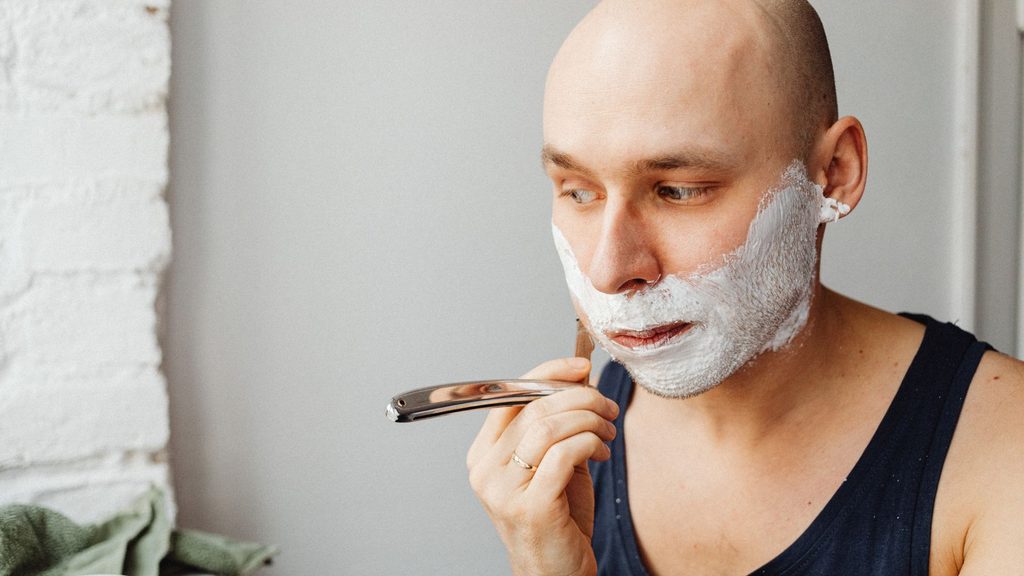
Understanding the Electric Shave — What Actually Happens to Your Skin
Electric shavers work on a completely different mechanical principle, and understanding it explains a lot about why the results feel so different.
Foil vs. Rotary Shavers — The Core Difference
| Feature | Foil Shaver | Rotary Shaver |
| Cutting motion | Oscillating blades under a thin foil | Rotating circular heads |
| Best hair type | Straight, fine hair | Longer, curly, or coarse hair |
| Shave direction | Straight strokes | Circular motions |
| Skin feel | Precise, sharp lines | Flexible, contours to face |
| Popular brands | Braun, Panasonic | Philips Norelco |
Foil shavers use ultra thin perforated metal foil that lets hair poke through while protecting skin from the oscillating blades beneath. Rotary shavers use spinning circular heads that adjust to the contours of your face, which is why they’re often marketed as better for men with rounder jawlines or more facial curves.
How Electric Shavers Cut Hair Without Water
Electric shavers cut hair slightly above the skin’s surface, not at it. The foil or guard acts as a buffer, meaning the blade never makes direct contact with your skin the way a razor blade does. That buffer is the single biggest reason electric shavers cause fewer nicks and cuts.
Dry Shave vs. Wet Electric Shave
Modern electric shavers, particularly higher end models, are often designed for both dry and wet use. A dry shave is faster and requires no products, ideal for a rushed morning. A wet electric shave, using shaving gel or foam, tends to deliver a closer result because the lubrication lets the shaver glide with less friction, similar to how lubrication helps a razor.
What a True Electric Shave Feels Like
Electric shaving feels efficient rather than ceremonial. There’s a buzz, a slight vibration against your jaw, and it’s done in a couple of minutes. For men managing a tight schedule, tight enough that stopping for a “barber near me” search on a Tuesday morning isn’t happening, this speed is the entire appeal.
Skin Science — How Each Method Affects Your Face at a Cellular Level
This is where the real difference between these two methods shows up, not in convenience, but in what’s actually happening to your skin barrier.
Blade Shaving and Skin Exfoliation
Because a razor blade sits directly against the skin, every pass provides mild exfoliation, removing dead skin cells along with hair. This can leave skin looking brighter immediately after shaving. But that same direct contact means any error in angle, pressure, or blade sharpness translates immediately into irritation, since there’s no buffer between the blade and your skin.
Electric Shaving and Skin Irritation Patterns
Electric shavers, because of the foil or guard buffer, are generally gentler on the skin’s surface. Dermatologists frequently recommend electric shavers to patients with conditions like eczema or rosacea for this reason. The tradeoff is that because the blade doesn’t touch skin directly, hair is cut with slightly less precision, which can occasionally lead to hair being pulled rather than cleanly sliced, especially with dull or aging shaver heads.
Ingrown Hairs, Razor Burn, and Bumps — Who’s More at Risk?
Razor shaving carries a higher risk of ingrown hairs, particularly for men with curly or coarse facial hair, because a close cut at the skin’s surface allows the sharp hair tip to curl back and reenter the skin as it regrows. This condition, known medically as pseudofolliculitis barbae, is significantly more common among Black men, according to dermatology research published by the American Academy of Dermatology.
Electric shavers reduce this risk because they leave a small amount of hair above the skin, giving the hair tip less opportunity to curl inward.
Sensitive Skin, Dark Skin, and Coarse Hair Considerations
Men with sensitive skin generally do better with electric shavers or single blade safety razors, both of which minimize repeated blade contact on the same patch of skin. Men with coarse or curly hair, particularly common among Black men and men of Mediterranean or Middle Eastern descent, often benefit from shaving with the grain using a single blade tool and avoiding overly close cuts that increase ingrown hair risk.
Closeness of the Shave — The Real-World Results Compared
Ask any barber which method gets closer, and they’ll tell you the razor wins, but the full answer is more nuanced.
Measuring Closeness — What the Studies Say
Closeness is typically measured in how quickly stubble becomes visible again after shaving. A well executed razor shave, particularly with a straight razor or safety razor, can leave skin smooth for 24 to 36 hours before stubble returns. Electric shavers, cutting slightly above the skin, generally leave visible stubble returning within 12 to 24 hours.
| Method | Typical Smooth Duration | Closeness Rating (1-10) |
| Straight razor | 24 to 36 hours | 10 |
| Safety razor | 24 to 30 hours | 9 |
| Cartridge razor | 18 to 24 hours | 8 |
| Foil electric shaver | 12 to 20 hours | 6.5 |
| Rotary electric shaver | 10 to 18 hours | 6 |
Barber-Level Results at Home — Is It Possible?
Getting a true barbershop-level shave at home is possible but takes practice. It requires the right blade angle, consistent pre-shave prep, and patience most men don’t build into a weekday morning. This is exactly why many men still book a straight razor shave with a barber for special occasions like weddings or job interviews, even if they use an electric shaver daily.
How Skin Type and Hair Texture Affect the Outcome
Fine, straight hair responds well to both methods. Coarse or curly hair tends to respond better to razor shaving for closeness, but with a higher irritation cost. Men need to weigh how much closeness actually matters against how their skin reacts to daily blade contact.
Time, Convenience, and the Morning Routine
For a lot of men, this factor decides the whole debate before skin science even enters the conversation.
How Long Each Method Actually Takes
A full wet shave with proper prep, lathering, and careful strokes typically takes 7 to 10 minutes. An electric shave, particularly a dry shave, can be done in 90 seconds to 3 minutes.
| Step | Razor Shave Time | Electric Shave Time |
| Prep | 2 to 3 minutes | 0 to 1 minute |
| Shaving | 4 to 6 minutes | 2 to 3 minutes |
| Aftercare | 1 to 2 minutes | 0 to 1 minute |
| Total | 7 to 11 minutes | 2 to 5 minutes |
Travel, Work, and On-the-Go Shaving
Electric shavers win decisively for travel. No water required, no risk of a blade in your carry-on being confiscated at airport security, no cream to spill in your bag. Cordless electric shavers with USB charging have made this even more convenient over the last decade.
The Learning Curve — Beginner vs. Experienced Shaver
A beginner can pick up an electric shaver and get a reasonable result on day one. A beginner with a straight razor is genuinely at risk of cutting themselves. This is why most men, and most fathers teaching sons to shave for the first time, start with either a cartridge razor or an electric shaver before working up to more advanced tools if they want them.

Cost Breakdown — What You Really Spend Over a Lifetime
This is where a lot of men are surprised, because the cheaper option upfront isn’t always the cheaper option over time.
Upfront Costs vs. Long-Term Costs
A basic cartridge razor handle costs very little, sometimes given away free with a pack of blades. But replacement cartridges are expensive per unit and need replacing every one to two weeks with regular use. Electric shavers cost significantly more upfront, often $50 to $250 for a quality model, but replacement heads typically only need swapping every 12 to 18 months.
Hidden Costs Most Men Ignore
Shaving cream, aftershave, alum blocks, and pre-shave oils all add to the razor shaving budget over time. Electric shavers have hidden costs too, including cleaning solutions for self-cleaning stations and eventual battery degradation that shortens the shaver’s working life.
Value for Money — Which Method Wins?
Over a five year period, cartridge razor shaving tends to cost more in total due to the ongoing blade replacement cycle. Electric shavers, despite the higher initial investment, often work out cheaper per year after the first two years of ownership.
Cost Comparison Table by Method and Budget
| Method | Upfront Cost | Annual Cost | 5-Year Total |
| Disposable razors | $5 to $10 | $60 to $120 | $300 to $600 |
| Cartridge razor system | $10 to $20 | $80 to $150 | $410 to $770 |
| Safety razor | $30 to $60 | $20 to $30 | $130 to $210 |
| Straight razor | $80 to $200 | $10 to $20 (strop, oil) | $130 to $300 |
| Budget electric shaver | $40 to $70 | $15 to $25 | $115 to $195 |
| Premium electric shaver | $150 to $250 | $20 to $35 | $250 to $425 |
Products, Tools, and What You Actually Need
Both methods have a “starter kit” that makes the difference between a good shave and a bad one.
Essential Products for Razor Shaving
A proper razor shave setup includes a quality razor, sharp blades replaced regularly, a shaving cream or soap, a badger or synthetic brush for lathering, and an aftershave balm or alum block to close pores and calm skin.
Essential Products for Electric Shaving
An electric shave setup is simpler. You need the shaver itself, a cleaning station or brush to remove trapped hair, and optionally a pre-shave lotion to reduce friction, plus a post-shave balm for sensitive skin.
Ingredient Breakdown — What’s in Your Shaving Cream or Gel
| Ingredient | Purpose |
| Glycerin | Hydrates skin and softens hair |
| Stearic acid | Creates rich, protective lather |
| Aloe vera | Soothes and calms irritation |
| Menthol | Provides cooling sensation |
| Witch hazel | Tightens pores, reduces inflammation |
| Shea butter | Moisturizes and adds slip for the blade |
Premium vs. Budget Products — Does It Matter?
Premium shaving creams and higher end electric shaver heads genuinely perform better, largely due to better lubrication in creams and sharper, more precisely engineered blades in shavers. That said, budget products done correctly, with good technique, will still outperform premium products used carelessly.
Common Mistakes Men Make with Both Methods
Most shaving complaints trace back to a handful of repeated errors, not the tool itself.
Razor Shaving Mistakes That Destroy Your Skin
Shaving against the grain too aggressively, using a dull blade past its useful life, skipping pre-shave prep, and applying too much pressure are the most common razor shaving mistakes. Each one increases irritation risk significantly.
Electric Shaving Mistakes That Kill the Closeness
Not stretching the skin taut while shaving, using an outdated or dull shaver head, and shaving too quickly without allowing the shaver to glide fully across each area all reduce the closeness of an electric shave.
| Mistake | Method | Fix |
| Shaving against the grain | Razor | Shave with the grain first, against only if needed |
| Using a dull blade | Razor | Replace blades every 5 to 7 shaves |
| Rushing the shave | Electric | Slow down, use small circular or straight strokes |
| Not stretching skin | Electric | Use free hand to pull skin taut while shaving |
| Skipping pre-shave prep | Both | Wash face with warm water before shaving |
The Worst Advice Men Get About Shaving
The idea that shaving makes hair grow back thicker is a myth with no scientific basis, as confirmed by dermatology researchers repeatedly over the decades. Another common bad tip is shaving dry with a razor blade, which dramatically increases irritation because there’s no lubrication protecting the skin from blade friction.
Real-World Scenarios — Who Should Use What?
There’s no single right answer here, only the right answer for your face, your schedule, and your skin.
The Daily Shaver
Men who shave every day are generally better served by an electric shaver or a safety razor, both of which minimize repeated irritation on the same skin over consecutive days.
The Occasional Shaver
Men who shave a few times a week, or who want a sharp look for specific occasions, often prefer a cartridge or straight razor shave for the closer, more polished finish.

Men with Skin Conditions or Sensitivities
Men managing eczema, rosacea, or chronic razor bumps typically do best with electric shavers or single blade safety razors, both recommended frequently by dermatologists for reducing repeated skin trauma.
Young Men Shaving for the First Time
First time shavers, often teenagers, benefit most from starting with an electric shaver or a multi blade cartridge razor. Both are more forgiving of inconsistent technique while the skill develops.
Older Men and Changing Skin Needs
As skin thins and becomes more sensitive with age, many older men shift from razors toward electric shavers, or toward gentler single blade tools with heavier use of moisturizing pre and post shave products.
| Scenario | Recommended Method |
| Daily shaver | Electric shaver or safety razor |
| Occasional or special occasion | Straight razor or cartridge razor |
| Sensitive skin or skin conditions | Electric shaver or single blade razor |
| First time shaver, teenager | Electric shaver or cartridge razor |
| Older men, thinning skin | Electric shaver with moisturizing balm |
The Barbershop Perspective — What Professionals Actually Think
If you want to know which tool actually wins, ask the person who’s shaved thousands of faces for a living.
Why Professional Barbers Still Prefer the Straight Razor
Most professional barbers reach for a straight razor when a client wants the closest, cleanest possible shave, because a skilled hand with a single fixed blade has full control over angle and pressure in a way no cartridge or electric head can replicate.
What Barbers See in Their Chairs Every Day
Experienced barbers will tell you that most at-home shaving problems come down to technique, not tools. Skin pulled too loosely, blades held at the wrong angle, and rushed strokes cause more irritation than the choice between razor and electric ever does.
The Hot Towel Shave Experience — Why It’s Different
A hot towel shave at a barbershop softens hair more thoroughly than most men manage at home, opens pores fully, and relaxes facial muscles, all of which combine to reduce irritation and increase closeness. It’s an experience worth having occasionally even for men who electric shave daily, and it’s part of why the traditional barber remains relevant in an age of five minute electric shaves.
FAQ — Your Biggest Shaving Questions Answered
How often should I change my razor blade?
Replace a cartridge or safety razor blade every 5 to 7 shaves. A dull blade requires more pressure, which is the primary cause of nicks and razor burn.
Should I shave with or against the grain?
Shave with the grain first to reduce irritation, then only go against the grain on a second pass if you want extra closeness and your skin tolerates it well.
Do I need shaving cream, or can I use soap?
Shaving cream generally outperforms bar soap because it’s formulated specifically to soften hair and provide slip, though a quality glycerin soap can work in a pinch.
Is a straight razor safe for beginners?
Not recommended without practice. Start with a safety razor or cartridge razor and work up to a straight razor once your technique is solid.
How many blades do I actually need?
Blade count matters less than sharpness and technique. A single sharp blade used correctly often outperforms multiple dull blades.
Is a foil or rotary shaver better?
Foil shavers suit straight, fine hair and precise lines. Rotary shavers suit curly or coarse hair and adapt better to facial curves.
Do electric shavers work on long stubble?
Most struggle with hair longer than a few days of growth. Many models include a trimmer attachment for longer stubble before the main shave.
Why does my electric shaver pull instead of cut?
This usually means the blades are dull or the foil is damaged. Replace the shaving head to restore a clean cut.
How can I prevent ingrown hairs?
Exfoliate regularly, shave with the grain, avoid pulling skin too tight, and consider a single blade tool if ingrown hairs are a recurring problem.
Is electric shaving really gentler than razor shaving?
Generally yes, because the foil or guard prevents the blade from touching skin directly, reducing the exfoliation and irritation that comes with direct blade contact.
Can shaving cause acne?
Shaving itself doesn’t cause acne, but irritation from poor technique can aggravate existing acne or cause razor bumps that resemble breakouts.
Are expensive razors actually better?
Higher end razors often use sharper, more consistent blades and better handle ergonomics, which can meaningfully improve shave quality and reduce irritation.
What’s the single best upgrade I can make to my routine?
For razor shaving, upgrading to a quality shaving cream makes the biggest difference. For electric shaving, keeping heads fresh and replaced on schedule matters most.
How much should a beginner expect to spend to get started?
A solid beginner setup, whether cartridge razor based or electric shaver based, typically runs $30 to $80 including the essential products.
The Decision Framework — How to Choose the Right Method for You
At this point you’ve seen the science, the cost, and the real-world scenarios. Here’s how to actually decide.
The 5 Questions to Ask Before You Decide
Ask yourself how much time you have each morning, how sensitive your skin actually is, how close you need the finish to be, how much you’re willing to spend upfront versus over time, and whether you enjoy the ritual or just want it done fast.
Decision Matrix Table
| Priority | Best Choice |
| Closest possible shave | Straight razor or safety razor |
| Fastest morning routine | Electric shaver |
| Sensitive or reactive skin | Electric shaver or single blade razor |
| Lowest long-term cost | Electric shaver or safety razor |
| Travel-friendly | Electric shaver |
| Enjoyment of the ritual | Straight razor or safety razor |
| Beginner-friendly | Cartridge razor or electric shaver |
What to Do If You Want to Switch Methods
Switching from razor to electric, or the reverse, takes about two to three weeks for your skin and technique to adjust. Expect a slightly less close shave during the transition, and consider keeping your old tool on hand for touch ups while you adapt.
Conclusion: Both Have a Place, But Only One Is Right for You
Some men are razor men. They like the ritual, the closeness, the slight edge of risk that comes with a sharp blade against skin. Other men are electric men, valuing speed and simplicity over ceremony. Neither identity is better. What matters is picking the one that fits your skin, your schedule, and honestly, your personality. Even the most committed electric shaver still benefits from an occasional straight razor shave at a barber, if only to remember what a truly close, professional shave feels like. It’s worth booking one before a big event, or simply as a reset for your skin and your routine.Assess your skin type honestly. Pick the method that matches your daily routine and sensitivity level. Invest in the handful of products that actually make a difference, whether that’s a quality shaving cream or a shaver with fresh heads. And if you’ve never had a proper barbershop shave, find a good barber and try one. It might just change how you think about your morning routine entirely.