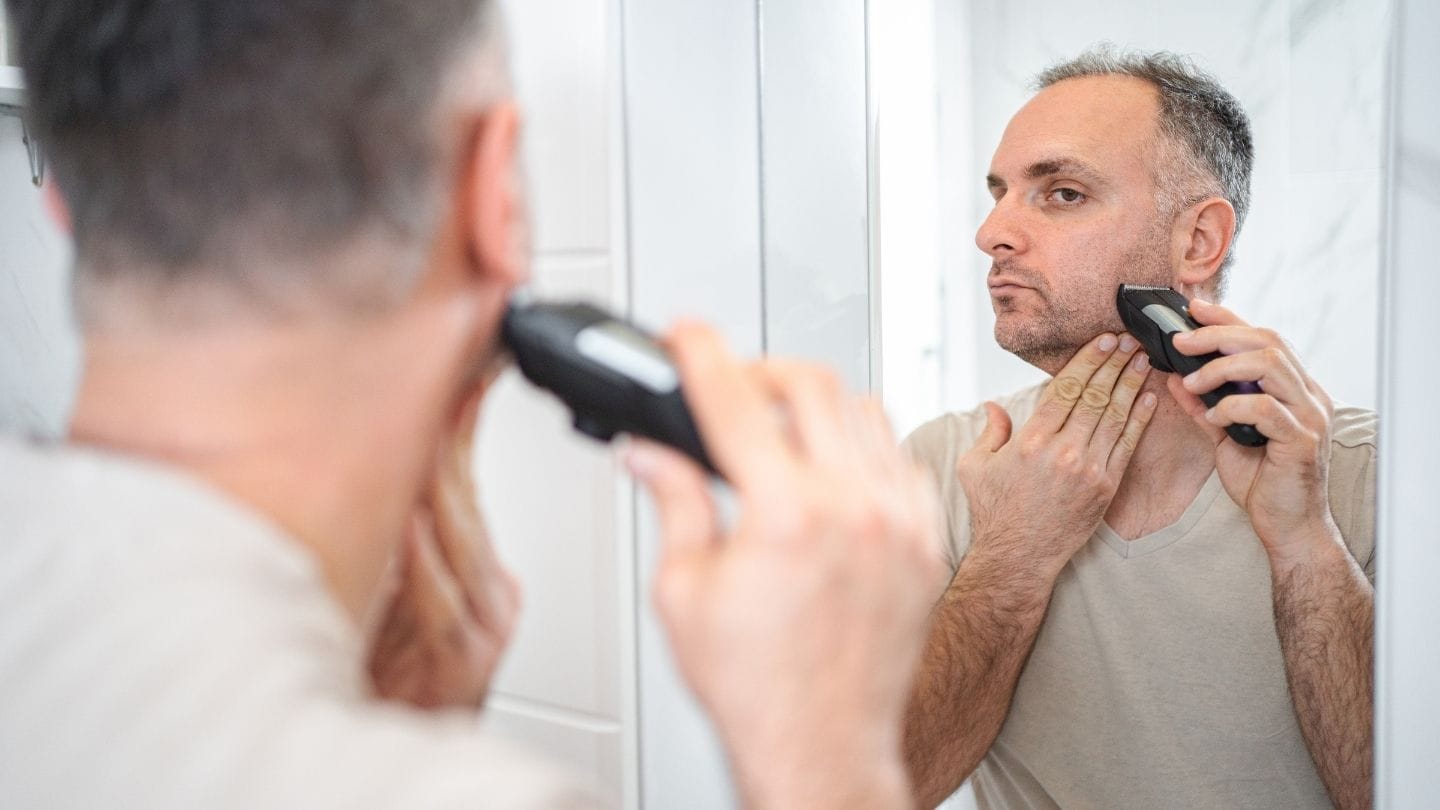
A clean shave strips your face down to bare skin, using a razor to cut hair right at the follicle. A beard trim shapes and maintains hair that’s already there, using scissors or clippers to control length and line. Both require different tools, different skill levels, and different aftercare, and choosing the wrong one for your face shape, skin type, or lifestyle can leave you with razor burn, patchy growth, or a beard that never quite looks intentional. This guide breaks down exactly what happens during each service, what they cost, how often you need them, and how to know which one your face actually needs.
Key Takeaways
- A clean shave removes all facial hair down to the skin using a razor, while a beard trim maintains and shapes existing hair using scissors or clippers.
- Clean shaves typically need to be repeated every 1 to 3 days, while beard trims can go 2 to 4 weeks between visits depending on your desired length.
- Sensitive skin, ingrown hairs, and razor bumps are far more common with clean shaves, especially for men with coarse or curly hair.
- A professional barbershop visit for either service includes prep work like hot towels and pre-shave oil that most men skip at home, which is often the difference between a good result and a great one.
- Your face shape, hair growth pattern, and lifestyle (not just personal preference) should guide whether you book a shave or a trim.
What a Clean Shave Actually Means
A clean shave means every visible hair on your face is cut down to skin level, leaving a smooth surface with no stubble. It’s the look you get right after a barber runs a straight razor across lathered skin, or after you finish your own routine with a cartridge razor at the bathroom sink.
How Close Does a Clean Shave Really Get?
A true clean shave cuts hair at or just below the surface of the skin, which is closer than any trimmer setting can achieve. Clippers, even on their lowest guard, leave a small amount of stubble because the blade can’t sit flush against skin without cutting the wearer. A razor blade, whether it’s a straight razor, safety razor, or multi-blade cartridge, angles directly against the skin and shaves hair at the follicle opening. That’s why a clean shave feels smooth to the touch in every direction, while a “shaved” look using clippers alone still has a rough texture when you rub against the grain.
Who Typically Wants a Clean Shave?
Men in client-facing corporate roles, service members, athletes in certain sports, and men who simply prefer a low-maintenance look make up most clean shave regulars. Some men also shave clean for medical reasons, since certain skin conditions like severe cystic acne or eczema can be aggravated by facial hair trapping oil and bacteria. Others do it seasonally, especially in the summer months when heat and sweat make a full beard uncomfortable.
Is a Clean Shave the Same as “Bald Face”?
Barbers sometimes use the term “bald face” interchangeably with clean shave, and both describe the same end result: zero visible hair. The phrase isn’t clinical, it’s just barbershop shorthand that’s been used for generations, similar to how “high and tight” describes a specific type of haircut without needing further explanation.
What a Beard Trim Actually Means
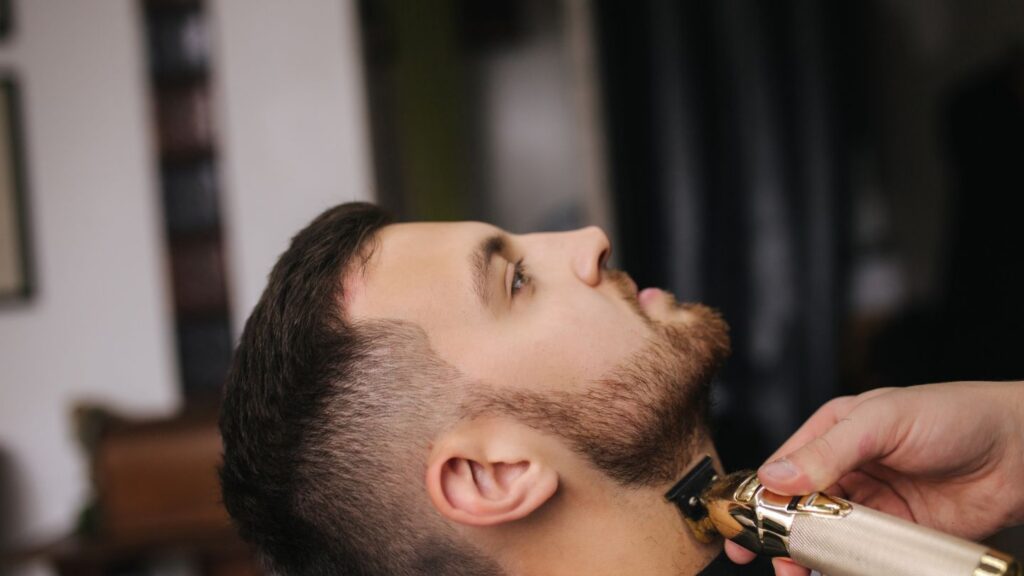
A beard trim is the maintenance and shaping of hair that’s already grown in, using scissors, clippers, or a combination of both to control length, remove split ends, and clean up the edges around the cheeks, neck, and mustache.
Trim vs. Shape Up: Is There a Difference?
A trim typically refers to shortening the overall length of the beard evenly, while a shape up (sometimes called a line up) focuses specifically on the borders: the cheek line, the neckline, and the mustache. Most professional beard services at a barbershop include both, since a beard that’s trimmed but not shaped can still look unkempt, and a beard that’s shaped but not trimmed can look overgrown despite having clean edges.
What Tools Separate a Beard Trim From a Clean Shave?
Beard trims rely primarily on clippers with guards (ranging typically from a size 1 guard at about 3mm up to a size 8 at around 25mm) and detail scissors for precision work around the mustache and stray hairs. Razors are sometimes used at the very edges of a beard trim to create crisp lines, but the bulk of the hair is never touched by a blade the way it is in a clean shave.
How Long Does Hair Need to Be Before a Trim Makes Sense?
Barbers generally recommend at least 2 to 4 weeks of growth, or roughly a quarter inch to half inch of hair, before a trim will hold a visible shape. Trimming too early risks removing length before the beard has fully come in, which can leave patchy spots more exposed rather than less.
The History Behind the Blade and the Scissors
Grooming rituals tied to shaving and beard maintenance go back thousands of years, and the divide between the two services isn’t a modern invention. It reflects a long history of cultural, religious, and practical reasons for either removing or maintaining facial hair.
When Did Men Start Shaving Clean?
Archaeologists have found evidence of shaving tools made from clam shells, sharpened flint, and bronze dating back to around 3000 BCE in ancient Egypt, where priests and members of the upper class shaved to signal cleanliness and status. Alexander the Great is often credited with popularizing clean shaving across his empire around 330 BCE, reportedly ordering his soldiers to shave so enemies couldn’t grab their beards in hand to hand combat.
When Did Beards Become the Standard Again?
Beards cycled in and out of fashion for centuries. Roman emperors like Hadrian brought beards back into style around 117 CE, partly to hide skin blemishes and partly as a nod to Greek philosophers, who were associated with wisdom and beards alike. Beards saw another major resurgence in the Victorian era of the 1800s, when facial hair was linked to masculinity, virility, and military service.
How Did the Modern Barbershop Develop?
Barbershops as dedicated grooming establishments trace back to ancient Rome, where “tonsors” ran shops that handled shaving, haircuts, and even minor medical procedures like bloodletting. The red and white striped barber pole, still recognized today, actually originated from this medical history, representing blood and bandages rather than anything related to hair. By the early 1900s, American barbershops had become social hubs where men got clean shaves as a weekly ritual, often multiple times a week, since safety razors for home use weren’t widely affordable until King Camp Gillette’s disposable razor patent in 1904 changed the game.
| Era | Approximate Dates | Dominant Style | Key Historical Note |
| Ancient Egypt | 3000 BCE – 30 BCE | Clean shaven | Priests and elites shaved for hygiene and status |
| Classical Greece | 500 BCE – 300 BCE | Full beards | Beards linked to wisdom and philosophy |
| Alexander’s Empire | 336 BCE – 323 BCE | Clean shaven | Soldiers ordered to shave for combat safety |
| Roman Empire (early) | 100 BCE – 100 CE | Clean shaven | Tonsors run early barbershops |
| Roman Empire (Hadrian era) | 117 CE – 138 CE | Full beards | Beards return to hide blemishes, honor Greeks |
| Victorian Era | 1837 – 1901 | Full beards | Beards symbolize masculinity and military status |
| Early 1900s America | 1900 – 1920 | Clean shaven | Gillette’s disposable razor makes home shaving common |
| Modern Era | 2010 – Present | Both, trend-driven | Beard culture resurges alongside classic shave trends |
Tools of the Trade: Clean Shave vs Beard Trim
The equipment used for each service barely overlaps, which is part of why a good clean shave and a good beard trim require different skills to master, even for a working barber.
What Tools Does a Clean Shave Require?
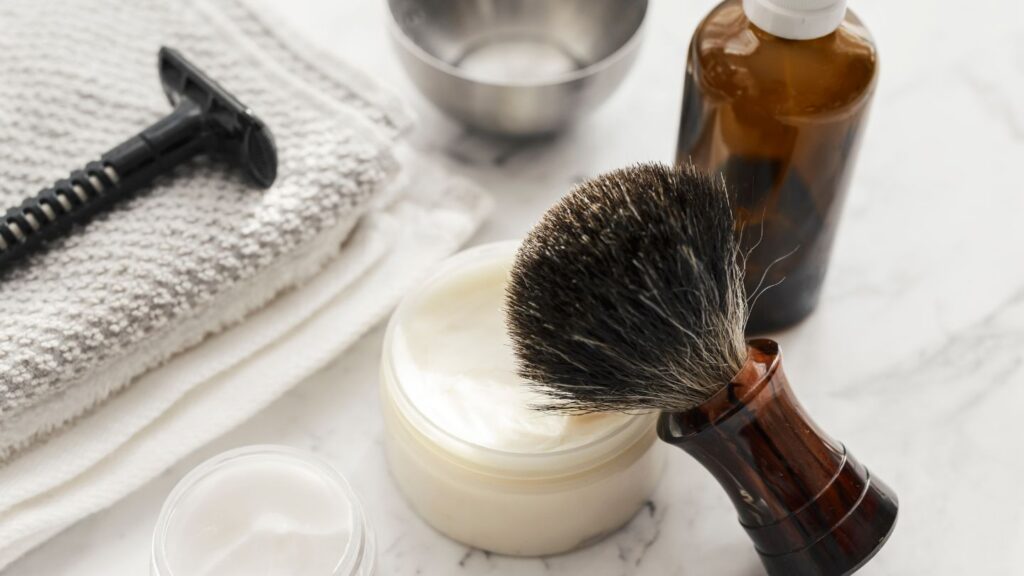
A proper clean shave calls for a razor (straight razor, safety razor, or cartridge), shaving cream or soap, a shaving brush for lathering, hot towels, and an aftershave or balm. Straight razors, sometimes called cutthroat razors, require the most skill and are typically reserved for barbers rather than home use, since a single-blade edge held at the wrong angle can nick skin easily.
What Tools Does a Beard Trim Require?
A beard trim relies on clippers with interchangeable guards, detail trimmers for precision lines, beard scissors, a comb for lifting hair to an even length, and often beard oil or balm to finish. Unlike a clean shave, water and lather aren’t necessary for a trim, since the goal is cutting dry or lightly dampened hair rather than shaving skin smooth.
Can the Same Barber Do Both Well?
Most trained barbers are skilled in both services, but the muscle memory involved is different enough that barbers often develop a stronger specialty in one. A barber who spends most of their day on fades and beard sculpting may be faster and more precise with clippers and scissors, while a barber trained in traditional straight razor technique may have a steadier hand and more patience for the slower, more deliberate process a clean shave demands.
| Tool | Used For Clean Shave | Used For Beard Trim |
| Straight razor | Yes, primary tool | Occasionally for edging |
| Safety razor | Yes, common | Rarely |
| Cartridge razor | Yes, common for home use | No |
| Clippers with guards | No | Yes, primary tool |
| Detail trimmer | No | Yes, for lines and edges |
| Beard scissors | No | Yes, for precision and split ends |
| Shaving brush and lather | Yes, essential | No |
| Beard oil or balm | Sometimes for aftercare | Yes, essential for finish |
| Hot towel | Yes, standard practice | Sometimes for comfort |
Step-by-Step: What Happens During a Clean Shave
Walking into a barbershop for a clean shave is a different experience than doing it yourself at home, and understanding the full process explains why so many men treat it as an occasional luxury rather than a daily habit.
Step One: The Hot Towel Prep
The barber starts by wrapping your face in a steaming hot towel, usually for 2 to 5 minutes, to soften the hair and open the pores. This step alone makes a noticeable difference in how easily the razor glides, since heat relaxes the hair shaft and makes it easier to cut without dragging or pulling.
Step Two: Pre-Shave Oil and Lather
Next comes a pre-shave oil, which adds a slick layer between the razor and the skin to reduce friction, followed by a rich lather worked in with a shaving brush. The brush does more than spread the product. It lifts hair away from the face, standing it up so the razor has a cleaner angle of attack.
Step Three: The First Pass
The first razor pass always goes with the grain, meaning in the same direction the hair grows, to avoid unnecessary irritation. This pass removes the bulk of the hair length but usually doesn’t leave the skin perfectly smooth yet.
Step Four: The Second Pass and Detail Work
A second lather is applied, and the barber shaves again, often across the grain or against it for a closer finish, paying close attention to trickier areas like the jawline, upper lip, and neck. This is where a skilled barber’s experience really shows, since going against the grain too aggressively on the wrong skin type can cause razor burn or ingrown hairs.
Step Five: Cold Towel and Aftercare
The final step is a cold towel to close the pores, followed by an aftershave balm or lotion to soothe the skin and lock in moisture. Barbers often finish with a light massage or a splash of astringent, both of which have been part of the ritual since the early 20th century golden age of the American barbershop.
| Step | Purpose | Typical Duration |
| Hot towel | Softens hair, opens pores | 2-5 minutes |
| Pre-shave oil | Reduces friction | 1 minute |
| First lather and pass | Removes bulk of hair, with grain | 5-8 minutes |
| Second lather and pass | Closer finish, detail areas | 5-8 minutes |
| Cold towel | Closes pores | 1-2 minutes |
| Aftershave and massage | Soothes skin, finishes service | 3-5 minutes |
Step-by-Step: What Happens During a Beard Trim
A beard trim moves at a different pace than a clean shave, with more time spent on visual assessment and shaping than on any single repetitive motion.
Step One: Assessing Growth and Face Shape
A good barber starts by studying how your beard grows, since hair density and growth direction can vary across the jaw, cheeks, and neck even on the same face. They’ll also factor in your face shape. A rounder face often benefits from a beard with more length at the chin to create the illusion of length, while a longer face might do better with a fuller beard on the sides and less length below the chin.
Step Two: Clipper Work for Overall Length
Using a guard sized to the desired length, the barber runs clippers against the grain first to lift and cut the bulk of the hair evenly, then goes back with the grain to soften the line and check for consistency. This is the fastest part of the process and does most of the heavy lifting for overall shape.

Step Three: Scissor Work for Detail and Texture
Scissors come next for finer control, particularly around the mustache, where clippers are harder to maneuver precisely, and for removing any stray long hairs that clippers missed. Scissor-over-comb technique, where the barber lifts hair with a comb and trims what extends past it, is a classic method still used for texturizing beards without over-thinning them.
Step Four: Line Up and Edging
The cheek line, neckline, and mustache edges get defined using a detail trimmer or straight razor, creating crisp borders that separate the beard from bare skin. This step is arguably what separates a professional trim from an at-home one, since precise, symmetrical lines are difficult to achieve without a mirror positioned correctly and a very steady hand.
Step Five: Beard Oil and Finishing
The service wraps up with beard oil or balm massaged into the skin and hair, which conditions both the beard and the skin underneath, reducing itchiness and flyaways. Some barbershops finish with a light comb-through and a hand mirror check so the client can approve the final shape before leaving the chair.
| Step | Purpose | Typical Duration |
| Assessment | Determine shape and growth pattern | 2-3 minutes |
| Clipper work | Establish overall length | 5-10 minutes |
| Scissor work | Fine detail and texture | 5-10 minutes |
| Line up and edging | Define borders | 5-8 minutes |
| Beard oil finish | Condition skin and hair | 2-3 minutes |
Skin Type and Hair Type: How They Change the Approach
Not every face handles a clean shave or a beard trim the same way, and skin type combined with hair texture plays a bigger role than most men realize when choosing between the two.
How Does Curly or Coarse Hair Affect a Clean Shave?
Men with curly or coarse facial hair, common among many Black men and men of Mediterranean or Middle Eastern descent, are statistically more prone to a condition called pseudofolliculitis barbae, commonly known as razor bumps, where shaved hair curls back into the skin and causes inflammation. According to the American Academy of Dermatology, this condition affects up to 60% of Black men who shave regularly, making a fully clean shave a much higher-risk choice for that group compared to men with straight, fine hair.
How Does Sensitive Skin Change the Process?
Men with sensitive skin, rosacea, or eczema often experience more redness and irritation from a clean shave, since the razor is making direct contact with skin repeatedly during multiple passes. Barbers typically adjust by using fewer passes, a richer pre-shave oil, and going with the grain exclusively rather than against it, sacrificing a bit of closeness for a lot less irritation.
Does Hair Type Matter for Beard Trims Too?
Yes. Coarse or curly beard hair tends to hold shape differently than straight hair, often looking fuller at shorter lengths, while fine or straight hair may need more length to avoid looking patchy or thin. Barbers often recommend slightly longer guard lengths for straight-haired clients trying to build the appearance of density.
| Skin or Hair Type | Best Suited For | Risk Factor | Barber Adjustment |
| Curly/coarse hair | Beard trim | High risk of razor bumps if shaved clean | Recommend beard maintenance over clean shave |
| Straight/fine hair | Either | Lower risk of ingrown hairs | Standard technique works well for both |
| Sensitive skin/rosacea | Beard trim or careful shave | Higher irritation risk with multiple razor passes | Fewer passes, richer pre-shave oil |
| Oily skin | Clean shave | Can clog pores under a full beard | More frequent shaving recommended |
| Dry skin | Beard trim | Shaving can worsen flaking | Extra moisturizing balm post-shave if shaving |
Clean Shave vs Beard Trim: Which One Fits Your Lifestyle
Beyond skin and hair type, your daily routine, career, and personal style all factor into which service makes more sense as a regular habit.
Is a Clean Shave Better for Professional Settings?
In more traditional or client-facing industries like law, finance, and hospitality, a clean shave is still often seen as the more polished, conservative choice, though this has loosened considerably over the last decade as well-groomed beards have become mainstream in most workplaces. Military branches, some police departments, and certain safety-focused jobs (where facial hair can interfere with respirator seals) often require a clean shave by policy rather than preference.
Is a Beard Trim Lower Maintenance Long-Term?
Once a beard is grown in and shaped, a trim every 2 to 4 weeks is often less time-consuming week to week than shaving every 1 to 3 days, even though a single trim appointment might take slightly longer than a single shave. Over a month, a bearded man might spend 20 to 30 minutes total on maintenance, while a clean-shaven man doing it himself daily could spend well over an hour across the same period.
What About Athletes and Physical Jobs?
Men in sports or physically demanding jobs sometimes prefer a clean shave to avoid sweat and irritation trapped in facial hair during intense activity, though this varies heavily by sport and personal comfort. Wrestlers, for instance, are typically required to be clean shaven or keep facial hair extremely short for hygiene and safety reasons during matches.
Cost Breakdown: Clean Shave vs Beard Trim Pricing
Pricing for both services varies by region, barbershop tier, and whether it’s bundled with a haircut, but there are consistent patterns worth understanding before you book.
What Determines the Price of a Clean Shave?
A traditional straight razor clean shave at a barbershop typically costs more than a beard trim because of the time and skill involved, often running between $25 and $50 depending on the city and shop’s reputation. High-end barbershops offering luxury hot towel shave experiences with premium products can charge $60 or more.
What Determines the Price of a Beard Trim?
A standalone beard trim generally runs between $15 and $35, often priced lower than a clean shave since it typically takes less time and doesn’t require the same level of specialized razor training. Many barbershops offer a discounted combo price when a beard trim is added onto a haircut, sometimes as low as an extra $10 to $15.
Are Prices Different in a Barbershop Compared to a Salon?
Traditional barbershops that specialize in men’s grooming tend to price razor shaves and beard trims more competitively than general hair salons, since it’s a core part of their service menu rather than an add-on. If you search “barbershop near me” and compare a few local options, you’ll often find shave and trim combo packages that offer better value than booking each service separately at a salon.
| Service | Typical Price Range | What Affects the Price |
| Standard clean shave (cartridge/safety razor) | $20 – $35 | Shop tier, city, product quality |
| Traditional straight razor shave | $30 – $60 | Skill level, hot towel service, luxury products |
| Standard beard trim | $15 – $35 | Length of beard, detail work involved |
| Beard trim + haircut combo | Add $10 – $20 to haircut price | Bundling discount |
| Luxury shave experience (multiple towels, massage) | $50 – $100+ | High-end shop, extended service time |
How Often Should You Get Each Service
Frequency needs for a clean shave and a beard trim differ enormously, and understanding the natural growth cycle helps set realistic expectations for either routine.
How Often Does Facial Hair Need to Be Shaved?
Facial hair grows at an average rate of about half an inch per month, or roughly 0.4 millimeters per day, according to data widely cited in dermatology literature, meaning visible stubble returns within 24 to 72 hours for most men. That’s why a fully clean-shaven look generally requires shaving daily or every other day to maintain.
How Often Should a Beard Be Trimmed to Hold Shape?
Most barbers recommend a trim every 2 to 4 weeks to maintain a defined shape and prevent split ends, though beards kept very short (stubble length) may need trims closer to every 1 to 2 weeks to stay neat. Longer beards, six months or more of growth, can sometimes stretch to 4 to 6 weeks between shaping visits since the overall silhouette is more forgiving of a little extra length.
Does Trimming Too Often Slow Down Beard Growth?
No. Trimming does not affect the rate of hair growth from the follicle, since hair growth speed is determined by genetics and follicle health below the skin, not by what happens to the hair after it exits the surface. This is one of the most common myths in men’s grooming, and it applies to both beard trims and shaving alike.
| Beard/Face Goal | Recommended Frequency |
| Fully clean shaven | Every 1-2 days |
| Light stubble maintenance | Every 3-5 days (partial shave/trim) |
| Short, defined beard (under 1 inch) | Every 1-2 weeks |
| Medium beard (1-3 inches) | Every 2-4 weeks |
| Long beard (over 3 inches) | Every 4-6 weeks |
Common Mistakes Men Make With Each
Whether you’re at home or in the chair, small technique errors are usually what separate an average result from a great one.
What Are the Most Common Clean Shave Mistakes?
Shaving against the grain too early, using a dull blade, and skipping pre-shave prep are the three most common issues that lead to nicks, razor burn, and ingrown hairs. Many men also rush through the process, applying too much pressure with the razor instead of letting a sharp blade do the work with light, controlled strokes.
What Are the Most Common Beard Trim Mistakes?
Trimming too short too soon, cutting an asymmetrical cheek line, and neglecting the neckline are frequent at-home errors, especially for men attempting to shape their own beard without a second mirror. A neckline set too high (above the natural curve where the jaw meets the neck) is one of the most common giveaways of a self-trimmed or inexperienced cut.
Are These Mistakes More Common at Home or in a Barbershop?
At-home mistakes for both services are significantly more common than errors made by a trained barber, mainly because barbers work with better lighting, sharper tools, and a trained eye for symmetry that’s hard to replicate solo in a bathroom mirror. This is one of the strongest arguments for booking a professional barbershop appointment periodically, even if you handle daily maintenance yourself.
| Mistake | Clean Shave or Beard Trim | Consequence |
| Shaving against grain too soon | Clean shave | Razor burn, irritation |
| Using a dull blade | Clean shave | Tugging, nicks, uneven results |
| Skipping pre-shave prep | Clean shave | Increased friction and irritation |
| Cutting neckline too high | Beard trim | Unnatural, dated appearance |
| Uneven cheek lines | Beard trim | Asymmetrical, unpolished look |
| Trimming too short without a plan | Beard trim | Loss of shape, patchy appearance |
Products and Aftercare for Clean Shaves
The right products before and after a clean shave matter almost as much as the shave itself, especially for men prone to irritation.
What Pre-Shave Products Actually Help?
Pre-shave oils, typically made from lightweight oils like jojoba or argan, create a protective layer that lets the razor glide more smoothly and reduces the friction that leads to razor burn. Shaving creams and soaps that are whipped into a rich lather (rather than the thin gel foams sold in aerosol cans) tend to provide better cushioning and are generally preferred by barbers and grooming enthusiasts alike.
What Aftercare Products Reduce Irritation?
Alcohol-free aftershave balms are generally recommended over traditional alcohol-based aftershave splashes, since alcohol can dry out and irritate freshly shaved skin, while balms with ingredients like aloe vera or witch hazel soothe without stinging. Men prone to ingrown hairs also benefit from a post-shave product containing salicylic acid or glycolic acid, which helps exfoliate and prevent hair from curling back into the skin.
How Important Is the Razor Itself?
A sharp, clean blade is arguably the single biggest factor in shave quality and comfort, more important than any product used before or after. Dermatologists commonly recommend replacing cartridge razor blades every 5 to 7 shaves, since a dull blade requires more pressure and passes to achieve the same result, both of which increase irritation.
| Product Type | Purpose | Recommended Ingredient to Look For |
| Pre-shave oil | Reduces friction | Jojoba oil, argan oil |
| Shaving cream/soap | Cushions skin, lifts hair | Glycerin, natural oils |
| Aftershave balm | Soothes, hydrates | Aloe vera, witch hazel |
| Ingrown hair treatment | Prevents razor bumps | Salicylic acid, glycolic acid |
Products and Aftercare for Beard Trims
A beard that’s freshly trimmed still needs daily care to stay soft, healthy, and shaped between barbershop visits.
What Does Beard Oil Actually Do?
Beard oil conditions both the facial hair and the skin underneath, reducing the dry, flaky skin condition often called “beardruff” and softening coarse hair that would otherwise feel wiry or scratchy. Most beard oils combine a carrier oil, like jojoba or argan, with a small amount of essential oil for scent.
Is Beard Balm Different From Beard Oil?
Yes. Beard balm typically contains beeswax or a similar wax in addition to oils, giving it a thicker consistency that provides light hold, which is useful for taming flyaways and shaping a beard throughout the day, something oil alone can’t do. Many men use both, applying oil first for conditioning and balm second for hold and shape.
How Should You Maintain a Beard Between Trims?
Daily brushing or combing trains the hair to lay in a consistent direction and distributes natural oils evenly, while a light trim of stray hairs at home with small scissors can extend the time between full barbershop visits. Washing a beard 2 to 3 times a week with a dedicated beard wash, rather than regular shampoo, helps avoid stripping natural oils that keep the hair and skin healthy.
| Product Type | Purpose | Frequency of Use |
| Beard oil | Conditions hair and skin | Daily |
| Beard balm | Provides light hold and shape | Daily or as needed |
| Beard wash | Cleans without stripping oils | 2-3 times per week |
| Beard brush/comb | Trains hair direction, distributes oil | Daily |
Choosing the Right Barbershop for the Job
Not every barbershop is equally skilled at both services, and knowing what to look for can save you from a disappointing appointment.
What Should You Look for in a Shave Specialist?
Look for a barbershop that specifically advertises traditional hot towel shaves or straight razor services, since this signals the barbers have invested in that specific skill set rather than treating it as an occasional add-on. Online reviews mentioning “smooth,” “no irritation,” or “closest shave I’ve had” are strong indicators of a shop that’s genuinely skilled with a razor.
What Should You Look for in a Beard Trim Specialist?
A shop with strong before-and-after photos of beard sculpting work, along with reviews mentioning symmetry, sharp lines, or detailed shaping, usually points to a barber comfortable with more advanced beard work rather than a basic clipper-only trim. If you’re searching “barbershop near me” specifically for beard work, filtering reviews for the word “beard” often surfaces the shops locals trust most for that service.
Should You Book the Same Barber Every Time?
Yes, when possible. Building a relationship with one barber means they learn your hair growth pattern, skin sensitivity, and preferred style over multiple visits, which consistently produces better results than starting fresh with a new barber each time. Most experienced barbershop clients will tell you loyalty to one barber pays off far more than shop-hopping for the lowest price.
Gifting a Grooming Session: What to Book for Someone Else
Booking a grooming appointment as a gift, whether for a father buying for a son, a partner treating a spouse, or a gift card for a friend, requires knowing a bit about the recipient’s current style and comfort level.
Is a Clean Shave a Safe Gift for a First-Timer?
A traditional hot towel clean shave makes an excellent gift experience for someone who’s never had one, since it’s a relaxing, largely passive service that doesn’t require the recipient to have strong opinions about style going in. It’s a popular choice for milestone gifts like graduations, birthdays, or before a wedding.
Is a Beard Trim a Better Gift for Someone Who Already Has a Beard?
If the recipient already has a beard, a professional shaping and trim is usually the more appreciated gift, since it directly improves something they’re already maintaining rather than introducing an entirely new look. This is especially true for teenage sons or young men just starting to grow facial hair, who often don’t yet know how to shape a beard themselves and can benefit enormously from a barber’s guidance.
What Should You Communicate When Booking for Someone Else?
Always confirm with the recipient (or make an educated guess based on their current style) whether they want to maintain their current look or try something new, since booking a dramatic change without their input can lead to an unwelcome surprise. Most barbershops are happy to take direction from whoever is booking, but the best results come from clear communication about length, style, and any sensitive skin concerns beforehand.
| Gift Scenario | Recommended Service | Why |
| First-time client, no beard | Clean shave (hot towel) | Relaxing, low-risk, memorable experience |
| Recipient already has a beard | Beard trim and shape up | Improves existing look, adds definition |
| Teenage son, new to facial hair | Beard trim/consultation | Teaches proper shaping and maintenance |
| Special occasion (wedding, graduation) | Clean shave or full grooming package | Polished look for a milestone event |
Getting the Look Right, Every Time
A clean shave and a beard trim solve two different problems, and neither one is objectively better than the other. What matters is matching the service to your skin, your hair, your schedule, and the image you’re trying to project, whether that’s a sharp, bare-faced look for the office or a well-shaped beard that’s become part of your identity. If you’re unsure which direction to go, the simplest move is booking a consultation at a trusted barbershop and letting an experienced barber assess your hair growth pattern and face shape in person. A five-minute conversation in the chair can save you months of trial and error at the bathroom sink.
Frequently Asked Questions
Does shaving make hair grow back thicker?
No. This is a long-standing myth. Shaving cuts hair at the surface, which can make the blunt tip feel coarser as it grows back, but it does not change the thickness, color, or growth rate of the hair itself.
Can I get razor bumps from a professional clean shave?
Yes, though the risk is lower with a skilled barber than at home, since proper technique, a sharp blade, and going with the grain all reduce irritation. Men with curly or coarse facial hair remain at higher risk regardless of who performs the shave.
How much does a beard need to grow before a barber can shape it?
Most barbers recommend at least 2 to 4 weeks of growth, giving them enough length to work with while shaping a defined cheek line and neckline.
Is it cheaper to shave at home or get a clean shave at a barbershop?
Shaving at home is cheaper per shave, but a barbershop clean shave includes professional-grade products, hot towel treatment, and a level of precision that’s difficult to replicate solo, making it a worthwhile occasional treat rather than a daily replacement.
Will a barber trim my beard shorter than I want if I don’t say anything?
No, a good barber will always confirm your desired length before cutting, often starting with a longer guard and going shorter only if you ask, since it’s much easier to remove more hair than to add length back.
How do I know if my face shape is better suited to a beard or a clean shave?
Rounder faces often benefit from beards that add length and angles, square faces can go well with either look, and oval or oblong faces tend to look balanced with most beard styles or a clean shave alike. A barber can give a more precise recommendation based on your specific features.
Can a beard trim fix a patchy beard?
A trim can improve the appearance of patchiness by evening out length and creating cleaner lines, but it can’t create hair where follicles aren’t producing it. Patchy areas are usually genetic, though patience and time (often 2 to 3 months of uninterrupted growth) can sometimes fill in thin spots naturally.