
You saw the photo. Maybe it was a red carpet shot, maybe a still from a movie trailer, maybe just a scroll-stopping Instagram post. Whatever it was, you decided that’s the haircut you want next. Before you screenshot it and walk into the shop, know this: the celebrity in that photo has a team, a specific head of hair, and often thirty minutes of prep work you never see. This guide walks you through everything that separates the photo from the result, so you leave the chair with a cut that actually works for you.
Key Takeaways
- A celebrity photo shows the finished product, not the face shape, hair texture, density, or maintenance routine behind it.
- Face shape and hair texture are the two biggest factors in whether a copied style will actually look good on you.
- The best approach is not an exact copy. It’s an adaptation, built by a barber who understands your features.
- Maintenance, product cost, and time commitment matter as much as the cut itself. A style that looks effortless on camera is rarely effortless in real life.
- Clear communication in the chair, using the right terms and a real reference photo, makes the difference between a great cut and a disappointing one.
The Mirror Doesn’t Lie: Why Celebrity Haircuts Don’t Always Translate
A celebrity haircut photo is a finished product built by lighting, styling, and often a professional standing just out of frame with a comb and a can of texture spray. Copying it without understanding what’s behind it usually leads to disappointment.
The illusion of the celebrity photo and what it hides
What you’re looking at in that photo is the last five minutes of a much longer process. Before the camera clicked, someone likely washed the hair with a specific shampoo, applied a leave-in product, blow-dried it with a round brush, and finished it with a pomade, clay, or spray. None of that shows up in the still image. You just see the result and assume the cut alone did all the work.
How lighting, styling products, and photography change everything
Studio and red carpet lighting is designed to add shine, depth, and definition that doesn’t exist under your bathroom light or office fluorescents. A high fade can look sharper under a ring light than it will look at 7 a.m. before work. Photographers also shoot from angles chosen to flatter the subject’s face shape, something you can’t replicate with a phone camera in a bathroom mirror.
The real reason your favorite star’s hair looks that good
The honest answer is preparation and money. Many celebrities work with a personal stylist who trims their hair every one to two weeks, uses professional-grade products, and adjusts the cut slightly for each event. That level of upkeep isn’t realistic for most people, and it doesn’t need to be. Your goal should be a version of the look that fits your actual routine, not a replica of someone else’s full-time grooming schedule.
Face Shape Is the Foundation: Know Yours Before You Book Anything
Face shape determines how a haircut sits, where volume should go, and which lines will actually flatter you. Skipping this step is the single biggest reason copied haircuts fail to look the way they did in the photo.
The seven face shapes and how to identify yours
Barbers generally recognize seven face shapes: oval, round, square, rectangle (oblong), heart, diamond, and triangle. To find yours, pull your hair back, look straight into a mirror, and compare the width of your forehead, cheekbones, and jawline. If they’re roughly equal and your face is longer than it is wide, you likely have an oval face. If your jaw is the widest point, you’re probably square or triangle-shaped.
| Face Shape | Key Characteristics | Goal of the Haircut |
| Oval | Balanced proportions, slightly narrower jaw than forehead | Most styles work; maintain balance |
| Round | Width and length are similar, soft jawline | Add height, avoid excess width on sides |
| Square | Strong, angular jawline, wide forehead | Soften angles with texture on top |
| Rectangle | Long face, narrow width | Add width, avoid excessive height |
| Heart | Wide forehead, narrow chin | Balance with fullness at the jawline |
| Diamond | Narrow forehead and jaw, wide cheekbones | Soften cheekbones with fringe or texture |
| Triangle | Narrow forehead, wide jaw | Add volume on top to balance the jaw |
Which celebrity cuts work for which face shapes
A textured crop, popularized by actors like Timothée Chalamet, tends to suit oval and heart-shaped faces because it draws attention upward and away from a narrower chin. A slicked-back style, often seen on square-jawed actors, works well on square and diamond faces because it highlights strong bone structure rather than fighting it. Round faces generally do better with cuts that add height, like a pompadour or quiff, rather than styles that add width on the sides.
How face shape affects the final result of popular styles
The same haircut can look completely different depending on the canvas it’s applied to. A buzz cut on an oval face reads as clean and confident. The same length on a round face can emphasize width and make the face look wider than it is. This is why two men can ask for the “same” celebrity haircut and walk out with results that don’t resemble each other at all.
Face shape vs. head shape, and why both matter
Face shape is about the outline of your face. Head shape is about the actual curvature of your skull, front to back and side to side. A buzz cut looks dramatically different on someone with a rounded skull versus someone with a flatter back head. A skilled barber will check both before recommending a length, especially for very short styles where there’s nowhere to hide an unusual head shape.
Hair Texture and Density: The Variables Nobody Talks About
Texture and density decide how a haircut moves, how much volume it holds, and whether it will lie flat or stand up the way it did in the reference photo. These two factors are often ignored, and they’re usually the real reason a copied cut disappoints.
How hair texture changes the way a cut behaves
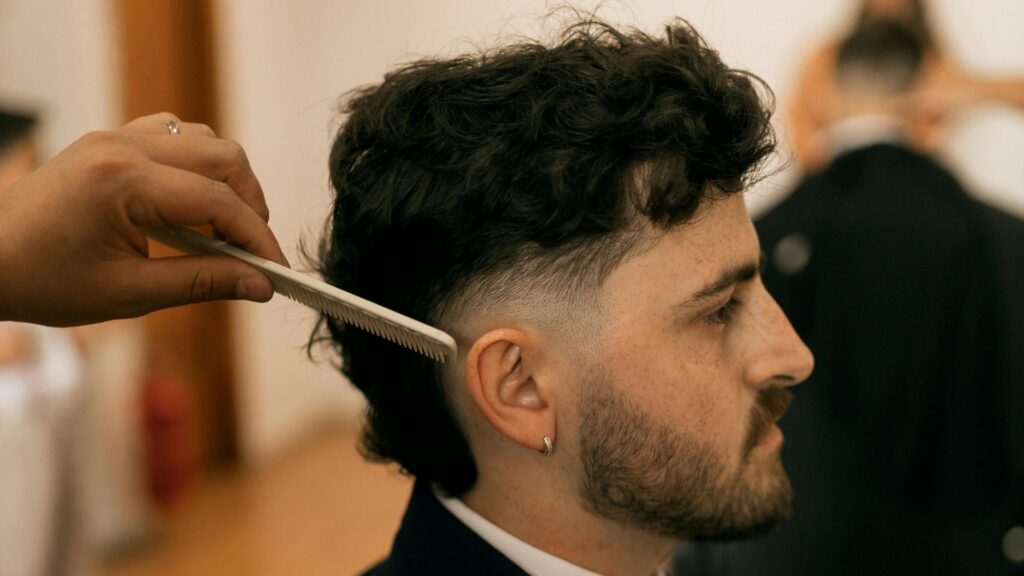
Texture refers to the shape of each individual strand, whether it’s straight, wavy, curly, or coily. Straight hair tends to lie flat and shows sharp lines well, which is why straight-haired celebrities often rock crisp, geometric cuts. Curly hair has natural volume and shrinkage, meaning a cut that looks a certain length on straight hair can look noticeably shorter once curl pattern is factored in.
Density and how it affects volume, fade, and layering
Density is about how many hair strands you have per square inch of scalp, separate from texture. Thick, dense hair holds a fade’s shape and creates visible volume on top with minimal product. Thin, low-density hair can struggle to hold the same shape and may need layering techniques or lightweight products to create the illusion of fullness.
| Hair Texture | Natural Behavior | Best Suited Cuts |
| Straight | Lies flat, shows clean lines | Buzz cuts, slick backs, textured crops |
| Wavy | Moderate volume, some movement | Quiffs, side parts, medium layers |
| Curly | High volume, shrinkage | Curly crops, afros, fades with longer top |
| Coily/Coarse | Dense volume, defined pattern | Fades, twists, textured tops |
Straight vs. curly vs. coarse: direct comparisons
Straight hair vs. curly hair for a slicked-back style: straight hair holds a slick-back cleanly with minimal product, while curly hair usually needs a strong-hold gel or pomade and may partially revert throughout the day.
Coarse hair vs. fine hair for a fade: coarse, dense hair shows a sharp fade line more easily, while fine hair can make the fade look softer or less defined even with the same clipper guard.
What happens when you copy a style meant for a different texture
If you have fine, straight hair and you bring in a photo of a celebrity known for thick, curly hair, the barber can cut the same shape, but the finished look won’t have the same volume or texture on top. This isn’t a bad haircut, it’s simply a different hair type producing a different result from the same technique.
The Celebrity Haircut Hall of Fame: Iconic Styles Broken Down
Certain celebrity cuts have shaped men’s grooming trends for decades. Understanding where these styles came from helps you see which ones are timeless and which ones were built for a specific look, era, or hair type.
Short haircuts that defined decades and the men behind them
The buzz cut associated with action stars in the 1990s brought Short Haircuts into the mainstream for men who wanted a low-maintenance, masculine look. The Caesar cut, made famous in the late 1990s, offered a short, horizontally fringed style that worked well for straight to wavy hair. Both cuts remain popular because they require minimal daily styling.
Mid-length and textured styles that changed barbershop culture
The 2010s brought a wave of textured, slightly longer cuts, often paired with a fade on the sides. This style, seen on numerous young actors and musicians, relies heavily on texture, meaning it performs very differently depending on whether the wearer has straight or curly hair.
The fade evolution and how it became mainstream
Fades started in barbershop culture decades ago and moved into mainstream celebrity style through hip hop artists and athletes in the 1990s and 2000s. Today it’s one of the most requested cuts across nearly every hair type, ranging from low fades that barely taper to high, skin fades that create dramatic contrast.
| Fade Type | Height on Sides | Best For |
| Low Fade | Starts just above the ear | Subtle, professional settings |
| Mid Fade | Starts at temple level | Balanced, versatile look |
| High Fade | Starts well above the temple | Bold, high-contrast style |
| Skin Fade | Tapers to bare skin | Maximum contrast, sharp finish |
Why some celebrity styles became trends and others stayed personal
Some cuts translate across hair types and face shapes easily, which is why they became trends everyone could copy. Others were specifically built around one person’s exact hair texture, hairline, and head shape, and they never really caught on beyond that individual because they simply didn’t work for most people.
Your Scalp and Skin Tell a Story: Are You Listening?
A haircut doesn’t exist in isolation. Your scalp health, hairline shape, and skin tone all influence how a specific style will actually look once it’s finished.
Scalp health and how it affects the success of a cut
A dry, flaky, or irritated scalp can make short and fade haircuts look worse, since there’s nowhere for flakes to hide with less hair covering the scalp. Keeping the scalp clean and moisturized isn’t just a health habit, it directly affects how sharp and clean a short cut appears.
Hairline shape and recession, the honest conversation
Not every hairline supports every style. A receding or uneven hairline can make certain fringe-heavy or middle-part styles look unbalanced. A good barber will look at your hairline honestly and suggest adjustments, like a slightly longer fringe or a different part, rather than forcing a style that fights your natural hairline.
How skin tone affects the visual impact of certain styles
Skin tone doesn’t change the technical cut, but it does affect visual contrast. A skin fade creates a dramatic, high-contrast look on some skin tones and a softer, more blended look on others. Neither is better, but it’s worth discussing with your barber if the sharp, high-contrast look in the photo is part of what drew you to it.
The Lifestyle Reality Check: Can You Actually Maintain This Cut?
The best haircut in the world means nothing if you can’t realistically maintain it. Before you commit to a celebrity style, be honest about the time, money, and effort you’re willing to put in every single day.
How much time does the celebrity actually spend on their hair
Many celebrity styles that look effortless require ten to twenty minutes of daily styling, involving blow-drying, product application, and sometimes a flat iron or curling wand for texture. If you’re not willing to spend that time each morning, it’s worth asking your barber for a version of the cut that looks good with less daily effort.
Product dependency: what holds that style together daily
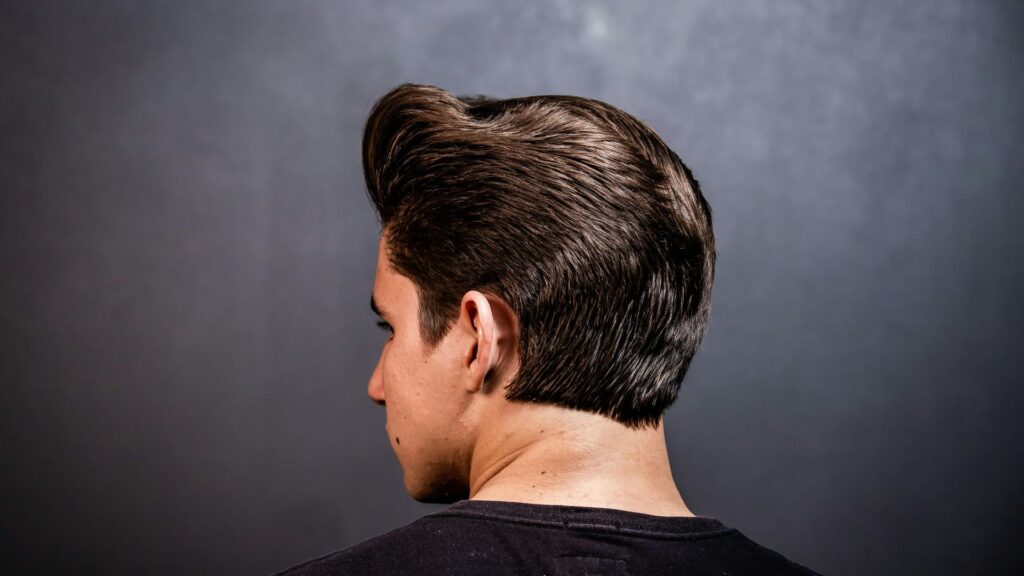
Styles like a textured quiff or a slicked pompadour typically rely on a specific combination of pomade, clay, or wax to hold their shape. Without the right product, the same haircut can look flat or unstructured by midday.
Maintenance frequency: how often do you need to return to the shop
Short, precise cuts like fades and buzz cuts grow out quickly and lose their sharp lines within two to three weeks. Longer, textured styles can go four to six weeks between trims. This difference matters when you’re budgeting both time and money for upkeep.
| Cut Type | Recommended Trim Frequency | Daily Styling Time |
| Skin Fade / Buzz Cut | Every 2 to 3 weeks | Under 5 minutes |
| Textured Crop | Every 3 to 4 weeks | 5 to 10 minutes |
| Quiff / Pompadour | Every 4 to 5 weeks | 10 to 15 minutes |
| Longer, Layered Styles | Every 5 to 6 weeks | 10 to 20 minutes |
Work, family, and lifestyle vs. high-maintenance celebrity looks
A cut that needs a shop visit every two weeks and a full styling routine every morning simply isn’t realistic for a lot of working parents or anyone with an unpredictable schedule. It’s worth choosing a style that fits your actual life rather than the schedule of someone whose full-time job includes looking a certain way on camera.
Communication in the Chair: How to Translate a Photo Into a Request
Bringing in a photo is a great starting point, but how you talk about it with your barber determines whether you get a great cut or a miscommunication.
What to say when you walk in with a photo
Instead of saying “I want this exact haircut,” try saying “I like the shape and length of this, can we adapt it to my hair and face?” This opens the door for your barber to explain what will and won’t translate, rather than feeling pressured to attempt an exact copy that might not work.
The vocabulary of haircuts every man should know
Learning basic terms helps you communicate more precisely. “Guard number” refers to the clipper attachment size, with lower numbers meaning shorter hair. “Taper” means a gradual shortening of length, usually at the neckline and sides. “Fade” refers to a more dramatic blend from skin to length. “Texturizing” means thinning out hair with shears to reduce bulk and add movement.
What a good consultation looks and sounds like
A strong consultation includes questions about your hair type, your daily routine, how much time you spend styling, and whether you’ve had trouble with any past cuts. Your barber should look at your hairline, texture, and face shape before picking up a clipper, and should explain any adjustments they plan to make to the photo you brought in.
Red flags: when a professional isn’t listening
If a barber doesn’t ask a single question before cutting, dismisses your concerns without explanation, or insists on an exact copy despite clear differences in hair type, that’s a sign to speak up or consider finding someone else for your next visit.
The Cost of Copying: Budgeting for the Look and the Upkeep
A celebrity-inspired cut often costs more than a basic trim, both at the counter and over time through products and repeat visits.
What celebrity-level cuts actually cost at a quality shop
Prices vary widely by region and shop tier, but detailed, precision cuts like skin fades or textured styles that require extra shaping time typically cost more than a standard trim.
| Shop Tier | Typical Cut Price Range | What’s Included |
| Basic Barbershop | $20 to $35 | Clipper cut, basic line up |
| Mid-Tier Barbershop | $35 to $55 | Precision cut, consultation, hot towel |
| Premium/Celebrity Stylist | $60 to $150+ | Full consultation, styling, premium products |
Product costs and the ongoing financial commitment
Beyond the cut itself, maintaining a styled look often requires pomade, clay, sea salt spray, or a quality shampoo and conditioner, adding a recurring monthly cost on top of your regular haircut appointments.
| Product Type | Typical Monthly Cost | Purpose |
| Pomade/Clay | $10 to $25 | Hold and shine for styled looks |
| Texturizing Spray | $10 to $20 | Volume and matte texture |
| Shampoo/Conditioner | $10 to $30 | Scalp and hair health |
When to splurge and when to adapt the style to your budget
If budget is tight, it’s reasonable to get a great cut at a solid mid-tier shop and invest more in a couple of quality products rather than chasing a premium stylist experience. The cut itself matters more than where you get it, as long as the person holding the clippers understands your hair.
Adapting the Look: How Professionals Modify Celebrity Cuts for Real People
The most reliable way to get a great result from a celebrity photo is to treat it as inspiration rather than a blueprint.
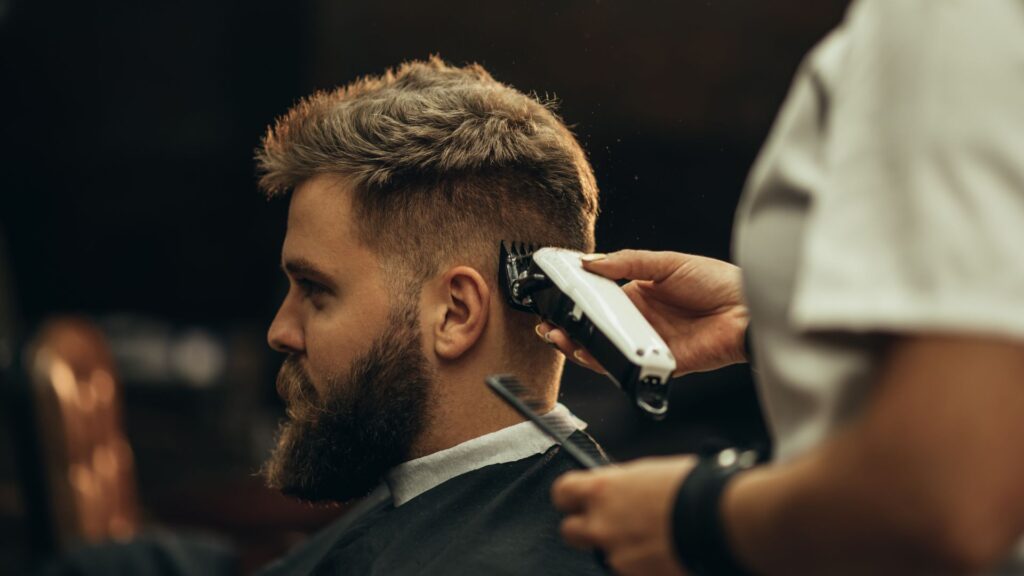
The art of the inspired-by approach
Experienced barbers rarely replicate a photo exactly. Instead, they extract the key elements, whether that’s the fade height, the amount of texture on top, or the general silhouette, and rebuild it around your actual hair and face shape.
How a skilled barber customizes for your specific features
A barber might keep the fade height from your reference photo but add more length on top to account for finer hair density, or adjust the part to better suit your hairline. These small changes make the difference between a cut that looks forced and one that looks natural.
Real examples of celebrity cuts adapted for everyday clients
A client with a round face who requests a rounded, boxy celebrity crop might be steered toward a version with slightly more height and a sharper edge, keeping the spirit of the cut while correcting for face shape. A client with fine, straight hair who wants a voluminous, curly celebrity style might get textured layers and a lightweight powder product to fake volume that his hair type doesn’t naturally provide.
Common Mistakes Men Make When Bringing in Celebrity Reference Photos
Small missteps at the consultation stage often lead to the biggest disappointments after the cut is finished.
Using outdated or filtered photos
A photo pulled from an old red carpet appearance or run through a filter can misrepresent color, texture, and even the actual length of the cut. Try to bring a recent, unedited photo whenever possible.
Ignoring texture and density differences in the reference
Walking in with a photo of someone with a completely different hair type, without acknowledging it, sets an unrealistic expectation for the final result. Naming the difference upfront lets your barber plan around it.
Confusing the haircut with the overall styling
Sometimes what you love about a photo isn’t the cut itself, it’s the product, the part, or even the lighting. Talk through what specifically caught your eye so your barber can identify whether it’s a cutting decision or a styling decision.
Expecting an exact replica instead of a tailored interpretation
Going in expecting a pixel-perfect copy sets you up for disappointment. Going in expecting a great cut inspired by the photo, adjusted for your features, sets you up for success.
Age, Hair Loss, and Realistic Expectations
Hair changes over time, and a style that worked in your 20s might need adjusting a decade or two later.
How hair changes from your 20s to your 50s
Hair often becomes finer, and the hairline may shift, starting in your late 20s to 30s for many men. Scalp visibility can increase, and hair that once held a style with ease may need more product or a different length to look the same.
Celebrity cuts that work despite thinning hair
Shorter, textured cuts and buzz cuts tend to work well for thinning hair because they minimize the contrast between thicker and thinner areas. A close crop with textured styling on top can create the appearance of density without relying on length.
When to evolve your style instead of chasing a look from ten years ago
If a barber suggests moving away from a longer, product-heavy style toward something shorter, it’s often not about giving up on style, it’s about working with where your hair actually is now rather than where it was years ago.
Cultural Context and Authenticity: Does the Cut Fit Who You Are?
A haircut is personal, and it’s worth thinking about why a particular style appeals to you before committing to it.
How cultural identity plays into style choices
Certain cuts carry cultural or community significance, from specific fade styles rooted in Black barbershop tradition to patterns and designs tied to particular communities. Understanding the background of a style adds meaning to the choice, rather than treating it as a disconnected trend.
The difference between cultural appreciation and aesthetic borrowing
There’s a meaningful difference between genuinely appreciating and understanding where a style comes from versus picking it up purely because it looked good on someone famous, without any awareness of its roots. A good barber can often speak to this and help guide a respectful, informed choice.
Finding a style that reflects your real identity, not just an image
The best haircuts feel like an extension of who you already are, not a costume borrowed from someone else’s public persona. Ask yourself whether the style fits your job, your personality, and your daily life, not just your Pinterest board.
The Barber’s Perspective: What Professionals Wish You Knew
Barbers see the same celebrity photo mistakes on a regular basis, and their perspective is worth hearing before your next appointment.
The most common celebrity photo mistakes professionals see
Barbers often mention clients who ignore obvious differences in hair texture, request an exact copy without flexibility, or bring in a photo that’s been heavily styled or filtered. These issues make it harder to deliver a result the client will be happy with.
How the best barbers guide clients toward better decisions
A great barber will explain, in plain language, why a certain adjustment makes sense, rather than simply refusing the request. This kind of honest, educational conversation builds trust and usually leads to a better outcome than blindly following the photo.
Building a long-term grooming relationship that serves your look
Seeing the same barber consistently means they get to know your hair’s quirks, your face shape, and your styling habits over time. This relationship often produces better results than a one-time visit built entirely around a single reference photo.
Your Personal Style Action Plan: From Inspiration to the Chair
Turning inspiration into a real, satisfying haircut takes a bit of preparation before you ever sit in the chair.
Step-by-step process for turning celebrity inspiration into a real appointment
Start by identifying your face shape and hair texture using a mirror and natural light. Next, collect two or three reference photos that share a common theme, rather than one single image. Book a consultation, not just a cut, so you have time to discuss adjustments. Finally, ask your barber to explain their plan before they start cutting.
Building a style reference folder that actually helps your barber
Save photos from multiple angles, including front, side, and back views. Include a note about what specifically you like in each photo, whether it’s the fade, the length on top, or the texture. This gives your barber far more useful information than a single cropped Instagram photo.
How to evaluate the result and refine over time
After your appointment, give the cut a few days to settle and try styling it yourself before judging the final result. If something isn’t quite right, note it specifically, such as “too much length on the sides,” so you can communicate a clear adjustment at your next visit rather than starting over from scratch.
Frequently Asked Questions About Celebrity Haircuts
How much does a celebrity-style haircut typically cost?
Prices range from about $35 at a solid mid-tier barbershop to $150 or more at premium salons that specialize in detailed, precision styling. The exact cost depends on your location, the shop’s reputation, and how much extra time the cut requires.
Can I bring any celebrity photo into the barbershop?
Yes, but it’s best to bring a recent, unfiltered photo and be open to adjustments. Your barber will use it as a reference point and adapt it to your face shape, hair texture, and density.
Will a celebrity haircut work with my specific hair type?
It depends on how similar your hair texture and density are to the celebrity’s. A skilled barber can adapt almost any style, but the finished look may differ from the photo if your hair type is significantly different.
How often do I need a trim to maintain a celebrity-inspired cut?
Short, precise styles like fades typically need a trim every two to three weeks. Longer or more textured styles can often go four to six weeks between visits.
What if my barber says the celebrity cut won’t work for me?
Listen to their reasoning. A good barber isn’t trying to talk you out of a great look, they’re trying to steer you toward a version of it that will actually flatter your face and work with your hair.
Can I still get a celebrity-inspired haircut if I have thinning hair?
Yes. Shorter, textured cuts tend to work particularly well for thinning hair because they reduce the visual contrast between thicker and thinner areas.
What’s the difference between going to a barber and a salon stylist for men’s cuts?
Barbers typically specialize in short, precise men’s cuts, including fades and line-ups, using clippers and straight razors. Salon stylists often have more experience with longer, layered, or color-treated styles. Either can deliver a great result depending on the style you want.
How do I find a good barber if I’m searching “haircut near me“?
Look at recent client photos on their social media or booking profile, read reviews that specifically mention precision cuts or fades, and consider booking a consultation before committing to a big style change.
Should I bring a photo or just describe the haircut I want?
Both together work best. A photo gives a visual reference, while your own description of what you liked about it, whether it’s the length, the fade, or the texture, helps your barber understand your priorities.
Can a celebrity cut be adapted to fit my daily routine?
Absolutely. A barber can adjust length, layering, and product recommendations to create a lower-maintenance version of a high-maintenance style, so it still looks great without demanding twenty minutes of styling every morning.
Conclusion
A celebrity photo is a great conversation starter, not a finish line. The goal was never to become someone else for a weekend, it’s to find a version of a style you admire that actually fits your face, your hair, and your life. The men who leave the barbershop happiest are rarely the ones chasing an exact replica. They’re the ones who walked in with inspiration, stayed open to a barber’s expertise, and left with something that felt like an upgraded version of themselves.Bring the photo. Ask the questions. Be honest about your hair, your schedule, and your budget. A great haircut isn’t about matching a picture pixel for pixel, it’s about walking out of the shop feeling like the best version of yourself, ready for whatever the week throws at you.