Long before you say a word to someone new, your haircut has already spoken for you. It signals your profession, your confidence level, your generation, and sometimes even your mood that week. This post breaks down what customer preference data, barbering history, and chair-side experience reveal about why men choose the cuts they choose. You’ll learn how fades, classic styles, beard pairings, face shape, age, workplace culture, and even product choice all shape a man’s final decision in the chair. By the end, you’ll have a clearer vocabulary for communicating exactly what you want and a better understanding of what your own haircut says about you.
Key Takeaways
- Haircuts function as nonverbal communication, shaping first impressions before a single word is exchanged.
- Fades remain the most requested men’s style category, but the specific type (skin, low, mid) communicates different personality and lifestyle signals.
- Classic cuts like the Ivy League and crew cut persist because they adapt subtly to modern grooming trends while keeping their core identity intact.
- Age, workplace, hair texture, and lifestyle all influence style preference as much as aesthetics do.
- Clear communication with your barber, using specific language instead of vague terms, is the single biggest factor in walking out happy with your cut.
The First Thing People Notice Before You Say a Word
Why haircuts function as a nonverbal signal
A haircut is one of the fastest pieces of information another person processes about you. Before your handshake, before your opening line, your hair has already told a quiet story about how much effort you put into your appearance and what kind of image you want to project. Researchers studying nonverbal communication consistently find that grooming and hairstyle rank among the top visual cues people use to form snap judgments about competence and trustworthiness.
What customer research says about first impressions and hair
Barbershops that survey their clients regularly find a consistent theme: most men don’t walk in chasing a trend for its own sake. They’re chasing a feeling, usually confidence, sometimes authority, occasionally rebellion. A sharp cut from a skilled barber does more than tidy up the sides. It changes how a man carries himself for the rest of the week.
The psychology behind style choices at the chair
Every chair conversation is really two conversations happening at once. One is about length and shape. The other is about identity. A man asking for “something low-maintenance” is often really saying he wants to feel put-together without spending more time on it than necessary. Reading between those lines is a skill every good barber develops over years behind the chair.
A Brief Cultural History of Men’s Haircut Preferences
How decades of culture shaped what men asked for
Men’s haircut trends have always tracked closely with broader cultural shifts, from military service shaping the crew cut’s popularity in the mid-20th century to rock and roll loosening up hair length in the 1960s and 70s.
The shift from uniformity to individual expression
Where earlier generations often had just two or three “acceptable” cuts to choose from, today’s client base expects a menu of options tailored to individual face shape, hair type, and personal brand. The shift from uniformity to individualized style is one of the biggest transformations in modern barbering.
Key eras and the dominant styles they produced
| Era | Dominant Style | Cultural Driver |
| 1940s-1950s | Crew cut, high and tight | Military service, postwar discipline |
| 1960s-1970s | Longer, looser styles | Counterculture, rock music |
| 1980s | Mullets, feathered cuts | MTV, pop culture excess |
| 1990s | Fades, spiky textures | Hip-hop and skate culture |
| 2000s | Faux hawks, gelled spikes | Boy bands, early reality TV |
| 2010s-present | Skin fades, textured crops | Social media and barbershop culture |
What the Data Actually Says About Customer Preferences
Industry research on the most requested men’s haircuts
Industry surveys from professional beauty associations consistently rank the fade and its variations as the most requested men’s cut over the past decade, followed closely by the textured crop and classic side part.
Regional and generational differences in style choices
Urban shops tend to see more requests for skin fades and sharp line-ups, while suburban and rural shops often see steadier demand for classic cuts. Generational splits are just as pronounced, with younger clients favoring textured, high-contrast styles and older clients favoring lower-maintenance, traditional shapes.
How social media changed what men bring into the shop
Platforms built around short-form video have changed how clients communicate with their barber. Instead of describing a cut, many now arrive with three or four saved photos, which has actually improved communication in the chair by removing guesswork.
The Fade Fanatics: Why the Fade Became Everyone’s Default
Anatomy of the fade and why it photographs so well
A fade blends hair length gradually from skin at the bottom to longer length on top, creating a clean, high-contrast look that holds up well in photos and video, which partly explains its dominance in the social media era.
Skin fade vs. low fade vs. mid fade: what each preference says
| Fade Type | Where It Starts | Typical Client Signal |
| Skin fade | At the skin, very low | Bold, detail-oriented, wants maximum contrast |
| Low fade | Just above the ear | Balanced, workplace-friendly edge |
| Mid fade | Mid-way up the side | Versatile, wants options for styling on top |
| High fade | Near the crown | Expressive, confident, often paired with design work |
The culture and community behind fade popularity
The fade isn’t just a haircut, it’s become a community identifier, especially within barbershop culture built around craftsmanship and precision line work. Shops that specialize in sharp fades often build loyal followings purely on reputation for clean blends.
The Classic Loyalists: Men Who Never Left the Side Part
Who keeps coming back for the Ivy League and the crew cut
Every barber has a roster of clients who have requested the same cut for years, sometimes decades. These are often professionals in conservative industries or men who simply know what works for their face and lifestyle.
What a preference for classic styles communicates
Choosing a classic cut often signals reliability and consistency rather than a lack of style awareness. These clients tend to value a haircut that performs well across every context, from the office to a wedding to a weekend outing.
How classic cuts have adapted to stay relevant
Modern barbers have kept classic styles fresh by tightening the fade underneath a traditional top, giving the look a contemporary edge while preserving its timeless silhouette.
Beard Integration: How Facial Hair Preferences Shape Haircut Choices
The rise of the connected beard and haircut as one look
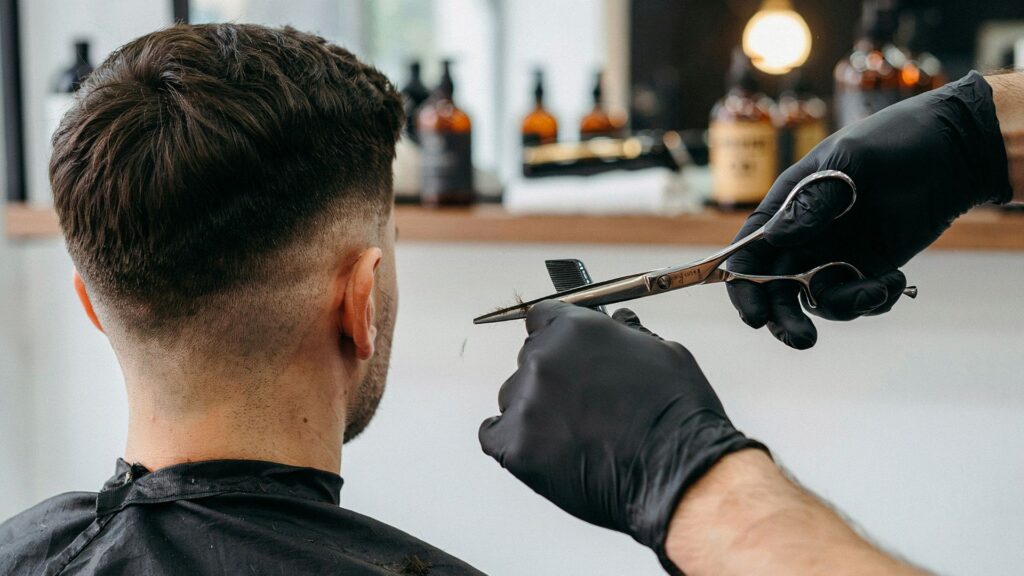
Many clients now treat the haircut and beard as a single styling decision rather than two separate services, requesting a connected line between the hairline and beard for a more intentional, unified look.
How barbers read a client’s beard to recommend the right cut
A good barber looks at beard density, growth pattern, and face shape before recommending a haircut, since a heavy beard can visually shorten a face while a shaped-up one can sharpen a jawline.
Straight Razor Shave as a complement to the overall style signal
For clients who want the sharpest possible finish, a Straight Razor Shave around the hairline and beard edges adds a level of precision that clippers alone can’t replicate, giving the whole look a cleaner, more deliberate finish.
Face Shape, Identity, and Why Men Choose What They Choose
The face shape factor in style preference
| Face Shape | Recommended Style Direction |
| Round | Taller styles on top to add length |
| Square | Textured crops that soften strong angles |
| Oval | Most styles work well, flexibility is high |
| Long | Shorter on top with volume at the sides |
| Heart | Side-swept styles that balance a wider forehead |
How identity, profession, and community influence haircut decisions
Beyond face shape, a man’s profession and social circle often weigh just as heavily on his final decision. A finance professional and a graphic designer may have identical face shapes but completely different style priorities.
The confidence loop between a good haircut and self-perception
Clients frequently report feeling more confident immediately after a quality cut, and that confidence tends to reinforce their loyalty to a particular style over time, creating a feedback loop between appearance and self-perception.
Hair Texture, Ethnicity, and Style Preference Across Demographics
How natural hair texture shapes what styles are even possible
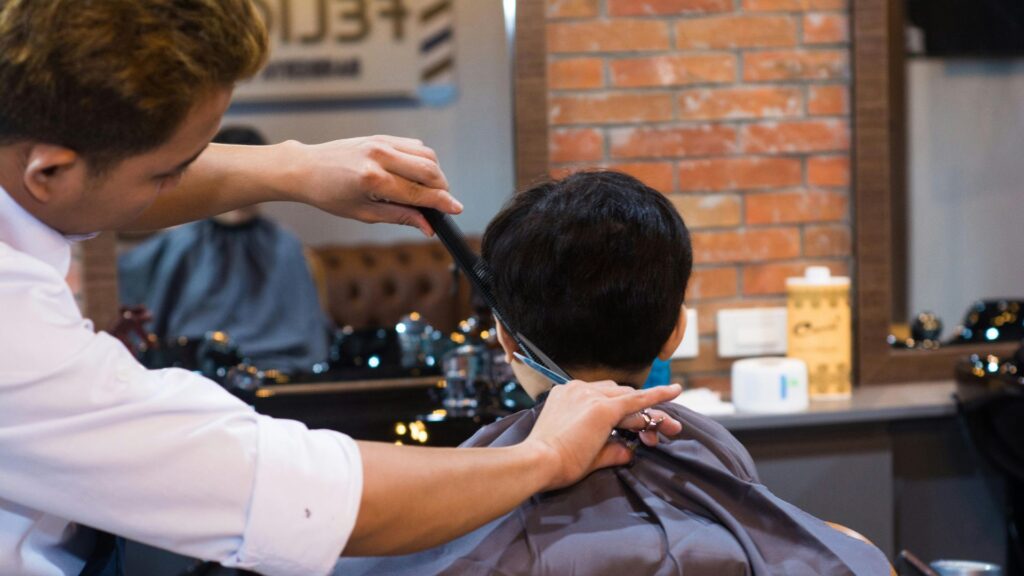
Curl pattern and hair density directly affect which cuts will hold their shape, which is why an experienced barber adjusts technique based on texture rather than applying a one-size-fits-all approach.
Cultural pride and style preference across different communities
Certain cuts carry deep cultural significance within specific communities, and barbers who understand that history build stronger trust with clients who want their style choices respected, not just replicated.
How inclusive grooming practices are reshaping barber menus
More shops now train staff across a wider range of textures and styles, reflecting a broader shift toward inclusive service menus that meet the needs of a diverse client base.
What Age Tells a Barber About What a Client Wants
Style preferences by age group from teens to 50-plus
| Age Group | Common Preference |
| Teens | Trend-driven, high contrast, social media inspired |
| 20s-30s | Fades paired with styled or textured tops |
| 40s | Classic cuts with modern tapering |
| 50-plus | Low-maintenance, timeless shapes |
How fathers influence sons’ haircut preferences
Many barbers notice generational echoes in the chair, with sons often requesting a version of their father’s go-to cut, sometimes updated with a tighter fade or more texture on top.
When men change their preferences and why
Life changes such as a new job, a breakup, or a milestone birthday often trigger a style change, since a haircut is one of the easiest ways to mark a fresh start.
The Role of Workplace and Industry in Haircut Preferences
Conservative industries and the cuts they quietly demand
Finance, law, and government roles still tend to favor conservative, low-contrast cuts that read as polished and understated rather than trend-forward.
Creative fields and how expressive style is rewarded
In creative industries, a bold cut can actually function as a professional asset, signaling originality and confidence rather than a lack of seriousness.
Remote work and how it shifted grooming frequency preferences
Remote work has stretched out the average time between haircuts for many clients, with low-maintenance styles becoming more popular simply because fewer in-person meetings mean less daily pressure to look camera-ready.
Lifestyle, Maintenance Time, and the Low-Effort Preference
The growing demand for low-maintenance styles
A growing share of clients now prioritize a cut that looks good with minimal daily styling over one that requires significant product and time investment.
How daily routine shapes haircut selection more than aesthetics
A busy parent and a single client with a flexible morning routine often choose very different cuts, even if they have similar face shapes and hair types, simply based on how much time they’re willing to spend each morning.
Matching maintenance frequency to lifestyle honestly
Choose a cut that matches how often you’re realistically willing to visit the barber near me for upkeep. A sharp skin fade looks incredible on day one but needs attention every two to three weeks, while a classic crew cut can stretch to four or five weeks without losing its shape.
Product Preferences and What They Reveal About Style Identity
Pomade men vs. clay men vs. no-product men
| Product Type | Finish | Typical Client Preference |
| Pomade | High shine, strong hold | Classic and formal styles |
| Clay | Matte, textured hold | Modern crops and messy textures |
| Powder/no product | Natural, light hold | Low-maintenance, casual looks |
Ingredient awareness and the clean grooming trend
A growing number of clients now ask about ingredients in their grooming products, favoring clean formulations free of heavy synthetic fragrances and fillers.
How product choice and haircut preference reinforce each other
The product a man chooses often locks in the haircut he can realistically maintain, which is why barbers increasingly recommend products as part of the overall style consultation, not as an afterthought.
The Communication Gap: What Men Say vs. What They Mean
The most misused words in the chair (clean it up, take a little off)
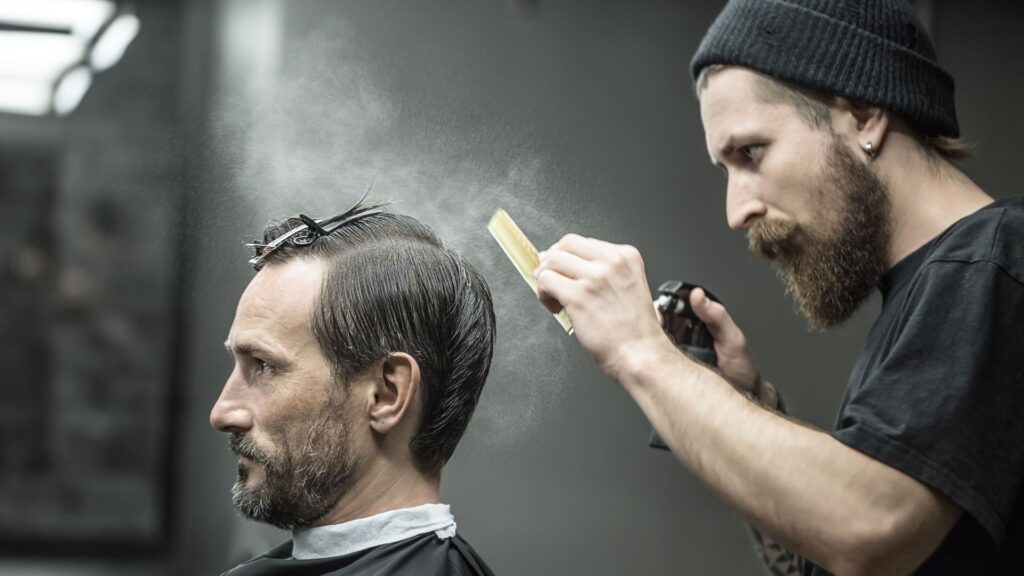
Vague phrases like “clean it up” or “just take a little off” are some of the most common sources of miscommunication in any barbershop, since they mean something different to nearly every client.
How to decode vague requests and give barbers what they need
Skilled barbers ask clarifying questions, such as how short on the sides in finger-widths or inches, rather than relying on subjective terms that can be interpreted differently by each person.
Building vocabulary that gets you exactly what you want
Vague request vs. Specific request
| Vague Phrase | Specific Alternative |
| “Take a little off” | “Trim half an inch off the length” |
| “Clean it up” | “Tighten the fade and sharpen the neckline” |
| “Not too short” | “Leave two inches on top, scissor cut only” |
| “Something different” | “Show me three photos of styles I’d want to try” |
Pricing Preferences and What Men Are Willing to Pay for Style
What price sensitivity reveals about style priorities
Clients who prioritize precision work, like detailed fades or design elements, tend to be far less price-sensitive than clients seeking a basic trim, since they’re paying for skill as much as time.
The value gap between budget and premium shop experiences
Budget shop vs. Premium shop
| Factor | Budget Shop | Premium Shop |
| Average time per cut | 15-20 minutes | 30-45 minutes |
| Consultation | Minimal | Detailed, style-focused |
| Added services | Rare | Straight Razor Shave, beard shaping, hot towel |
| Price range | Lower | Higher |
When men invest more and what triggers that decision
Big life events such as a wedding, a job interview, or a major presentation often push clients to upgrade from a quick trim to a full premium experience, even if only temporarily.
Finding Your Barber: How Preference Matching Works
Why the barber-client relationship shapes long-term style satisfaction
The single biggest predictor of long-term haircut satisfaction isn’t the style itself, it’s finding a barber who consistently understands your preferences without needing a lengthy explanation every visit.
How to find a barber who understands your specific preference profile
Searching “barber near me” is a good starting point, but reading reviews that specifically mention the style you want, like fades or classic cuts, will narrow the list down much faster than star ratings alone.
Building a consistent look through a long-term chair relationship
Sticking with one barber over time means fewer miscommunications, since they build a working knowledge of your hair’s growth pattern, your face shape, and your personal style preferences.
Frequently Asked Questions About Haircut Preferences
What is the most requested men’s haircut right now?
The fade, in its various forms, remains the most requested men’s cut, with skin fades and low fades leading demand across most age groups.
How often should I get a haircut to maintain my style?
Most fades need a refresh every two to three weeks, while classic and low-maintenance cuts can typically stretch to four to six weeks.
How do I explain my haircut preference to a new barber?
Bring one or two reference photos, describe your length preference in inches or finger-widths, and mention your maintenance routine so your barber can recommend a style that fits your actual lifestyle.
Does face shape really matter when choosing a haircut?
Yes, face shape influences which styles will flatter your features most, though a skilled barber can adapt almost any cut to work with your specific proportions.
What’s the difference between a skin fade and a low fade?
A skin fade tapers all the way down to bare skin, while a low fade stops just above the ear, leaving a bit more length and a softer transition.
Is a Straight Razor Shave worth adding to a regular haircut appointment?
If you want the sharpest possible hairline or beard edge, a Straight Razor Shave provides a level of precision that clippers can’t match, making it a popular add-on for special occasions or a more polished everyday look.
Why do some men stick with the same haircut for years?
A consistent style often reflects a strong sense of personal identity and a preference for reliability over experimentation, especially among professionals in conservative industries.
How does hair texture affect which styles will work for me?
Curl pattern and density determine how a style will hold its shape, which is why a barber experienced with your specific hair texture can make a significant difference in your results.
What should I search for to find a barber who matches my style preferences?
Search “barber near me” alongside your preferred style, such as “skin fade” or “classic cuts,” and check reviews that mention that specific service for the best match.
Conclusion
Before your next appointment, consider your face shape, your maintenance tolerance, your workplace culture, and the specific words you’ll use to describe what you want. Clarity in the chair leads directly to satisfaction when you leave it. Bring photos, use specific measurements instead of vague terms, and be upfront about how much time you’re willing to spend on daily styling. The more specific you are, the better your barber can deliver exactly what you pictured. A haircut is never just a haircut. It’s a quiet statement about who you are, what you value, and how you want to be seen. Whether you’re loyal to a classic side part or always chasing the sharpest skin fade on the block, your preferences tell a story worth understanding, and worth communicating clearly every time you sit down in the chair.