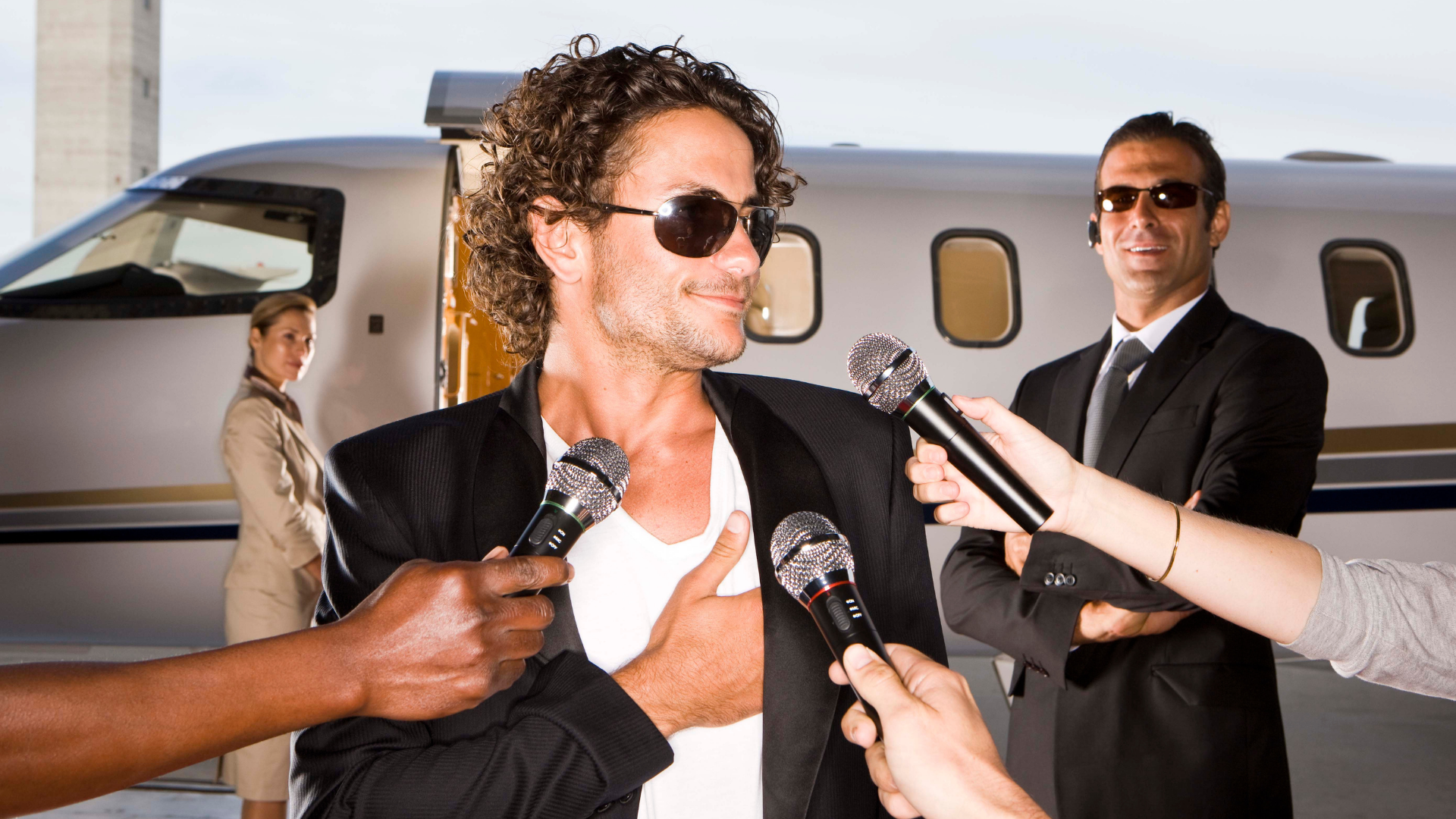
The bell over the door rings. A young man walks in, nods hello, and before the cape is even snapped around his neck, he’s holding up his phone. On the screen is an actor at a premiere. The hair is perfect. Every strand sits exactly where it should, glowing under a wall of flashbulbs.
“Make me look like him,” he says.
I’ve heard that sentence more times than I can count over twenty-plus years. I always smile, because I understand it. That photo isn’t really about hair. It’s about confidence, sharpness, and feeling like the best version of yourself. Who wouldn’t want that?
Here’s the straight talk, though. Copying a celebrity haircut is one of the most common reasons men leave a shop disappointed. The cut can be executed perfectly and still look wrong. That isn’t anyone’s fault. It’s a matter of hair, light, lifestyle and a team of people you never see in the picture.
Why We Reach for Famous Faces
Men have borrowed hairstyles from famous faces for as long as there have been famous faces. Kings, generals, movie stars, ballplayers, rock singers. The pattern never changes. We see someone who looks sure of himself, and we want a piece of that.
A celebrity photo is also a shortcut. Describing a haircut out loud is hard. Most men don’t know the difference between a taper and a fade, or between texturizing and thinning. A picture says, “This. I want this.” It feels like the clearest instruction you could give.
And it’s partly true. A photo does help. The trouble starts when the photo becomes the whole plan instead of the opening line of a conversation.
What You’ll Take From This Guide
By the time you finish reading, you’ll understand:
- Why famous haircuts look the way they do, including the cameras, lighting and styling crews behind them
- How your hair type, head shape and face shape change the result
- When copying works and when it almost never does
- How to bring a photo the right way, so the cut you get is built for you
This guide is for men of every age and hair type, for fathers whose sons just discovered a favorite athlete’s haircut, and for anyone buying a cut as a gift. No snobbery here. I love a good celebrity photo. I just want it to work for you once you leave the chair.
Before we get into cameras and curl patterns, it helps to see just how long men have been doing this.
A Century of Copying the Stars
From Valentino’s Slick to Elvis’s Pomp
In the 1920s, silent film star Rudolph Valentino wore his hair slicked straight back, shiny as a fresh coat of varnish. Men across America wanted the same look. Hair tonics and pomades sold briskly, and shops smelled of bay rum and brilliantine.
Every barber of that era knew the routine: a short back and sides, a longer top, and enough grease to hold it through a dance hall Saturday night. The look traveled well because most men of the time could manage it with a comb and a tin of pomade.
Then came the 1950s. Elvis Presley’s towering pompadour, with its glossy front and ducktail in back, set off a wave of copycats. Many young men discovered the hard way that their hair didn’t stand up like his. Some didn’t have the density. Others didn’t have the patience to sculpt it every morning. It’s a lesson that’s been repeating ever since.
The Mop-Top, the Caesar and the Hi-Top
| Era | Celebrity Influence | The Look | Why Copies Often Struggled |
| 1920s | Rudolph Valentino | Slicked-back shine | Needed heavy pomade daily |
| 1950s | Elvis Presley | Pompadour and ducktail | Required thick hair and sculpting |
| 1960s | The Beatles | Mop-top fringe | Straight hair needed for the shape |
| Late 1980s | Kid ‘n Play | Hi-top fade | Built for dense, coily hair |
| 1990s | George Clooney on ER | Short Caesar cut | Fringe exposed receding hairlines |
| 2000s | David Beckham | Faux-hawk and frequent changes | Constant restyling, product-heavy |
| Around 2010 | Justin Bieber | The swoop | Needed fine, straight hair and a flat iron |
| 2010s | Peaky Blinders | Disconnected undercut | Grew out awkwardly fast |
| 2020s | Social media stars | Textured crops, modern mullets | Built for curl type and lighting |
When the Beatles landed in America in 1964, the mop-top swept through schools so fast that some principals sent boys home for it. Decades later, the Caesar cut on a hit TV drama brought short, forward-brushed fringes back into style. And in the late 1980s, the hi-top fade became a symbol of Black creativity and pride, a cut built specifically for dense, coily hair.
Each of these looks worked brilliantly on the right head. Each also produced thousands of disappointed copies on the wrong one.
The Internet Puts It All on Fast Forward
A trend used to take months to travel. Magazines printed, movies opened in theaters, and the look slowly spread from city to city.
Now it takes an afternoon. According to the Pew Research Center, roughly 90 percent of American adults own a smartphone. That means nearly every man walking into a shop has a library of celebrity photos in his pocket. A cut seen on a red carpet Sunday night shows up in my chair Monday morning.
Speed isn’t bad. It just leaves less time to ask the important question: will this actually work on me? Most men skip that question entirely, so let’s answer it together, starting with what a celebrity haircut really is.
What a Celebrity Haircut Really Is
The Cut vs. the Finished Look
Here’s the first big comparison, and it’s the one that clears up the most confusion. The cut is the shape created with clippers and shears. The finished look is what you see after washing, drying, product, brushing, heat tools, lighting and sometimes editing.
| Factor | The Cut | The Finished Look |
| Who creates it | The person in the shop | A styling team on set |
| Time involved | 30 to 60 minutes once | 20 to 90 minutes every appearance |
| Tools | Clippers, shears, comb | Blow-dryer, brushes, irons, products |
| What you take home | The shape | Only what you can recreate |
| Visible in the photo? | Partly | Completely |
When you hold up a photo, you’re showing me the finished look. I can give you the cut. The rest depends on your hair, your tools and your mornings. It’s a bit like seeing a race car on TV and buying the same model at a dealership. Same body. Very different pit crew.
The Team Behind One Head of Hair
Most people don’t realize how many hands touch a famous head of hair before a camera clicks.
| Role | What They Do | How Often |
| Personal cutter or stylist | Shapes the cut, often weekly | Before major events |
| Set hairstylist | Restyles between takes | Every scene |
| Colorist | Covers gray, adds dimension | Every few weeks |
| Makeup artist | Fills hairline gaps with powders | Every appearance |
| Lighting crew | Positions light to flatter hair | Every shoot |
| Photo editor | Smooths flyaways, adds volume | After the shoot |
On a film set, a hairstylist might touch up an actor’s hair between every take. Hair fibers or tinted powder can thicken a thinning crown in seconds. Some stars wear hairpieces for specific roles. None of that shows up in the caption.
So when you compare your bathroom mirror to a magazine cover, you’re comparing one man with a comb to a whole crew. That’s not a fair fight, and you shouldn’t judge yourself by it.
Built for Cameras, Not Commutes
Many celebrity cuts are designed for a specific purpose: a character, a photo shoot, a single season of a show. They’re meant to look perfect for a few hours under controlled conditions.
Your haircut has a tougher job. It has to survive a pillow, a helmet, rain, a gym session and a long Tuesday at work. A cut built for the camera might look stunning at 2 p.m. on a set and fall apart by 10 a.m. on your commute.
That’s the quiet difference most people miss. Celebrity haircuts are often performance cuts. Yours needs to be an everyday cut. And the camera has a few more tricks up its sleeve.
The Camera Lies (Politely)
Lenses, Angles and the Front-Camera Problem
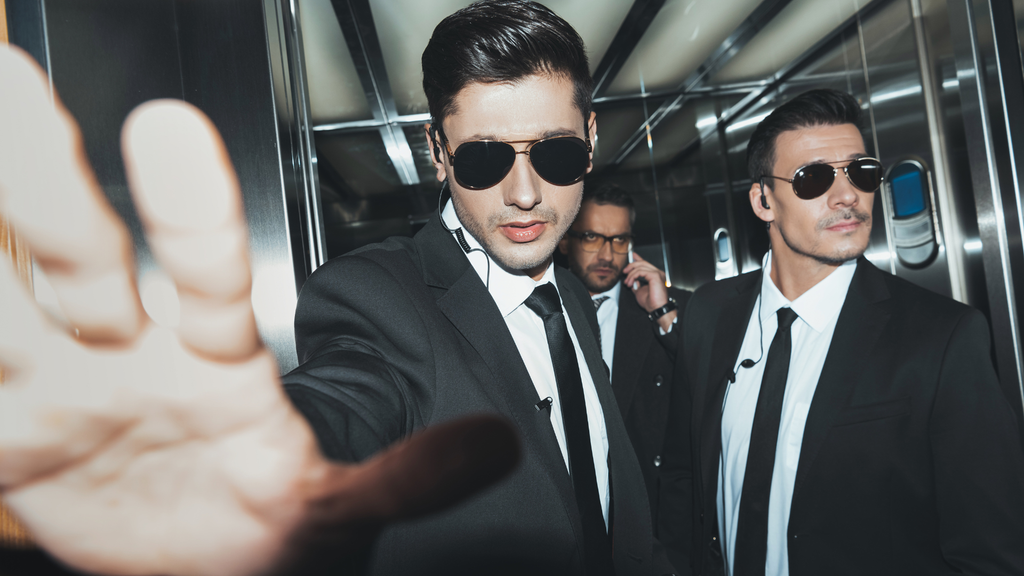
Cameras don’t see the way your eyes do. A 2018 study by Brittany Ward and colleagues, published in JAMA Facial Plastic Surgery, found that a selfie taken about 12 inches from the face can make the nose look roughly 30 percent larger than it does from a normal distance. Close lenses distort proportions, and hair is part of those proportions.
Professional photographers use longer lenses from farther away. That flattens features, slims faces and makes hair volume look fuller. Angles help too. A shot from slightly below makes a pompadour look taller. A shot from slightly above hides a thinning crown.
Phone camera vs. professional camera is a real comparison worth knowing:
| Factor | Your Phone Camera (Close Up) | Professional Camera (Distance) |
| Face shape | Wider, rounder | Slimmer, balanced |
| Hair volume | Often flatter | Fuller, more lifted |
| Angle control | Whatever your arm allows | Chosen to flatter |
| Light control | Whatever’s in the room | Carefully placed |
| Result | Honest but unforgiving | Polished and selective |
This matters when you judge your new cut. If you snap a selfie in the car and compare it to a red carpet photo, the cut didn’t fail. The camera changed.
Indoor and Outdoor Lighting Tell Different Stories
Light changes everything about how hair looks. That’s why Indoor and Outdoor Lighting can make the same haircut look like two different styles.
Indoor bulbs often run warm, around 2,700 to 3,000 Kelvin on the color temperature scale. Midday daylight runs much cooler and brighter, often 5,000 to 6,500 Kelvin. Warm light softens contrast and hides scalp. Hard sunlight overhead reveals every thin patch and fade line.
| Lighting | Effect on Hair | What It Hides | What It Reveals |
| Warm indoor light | Softer, richer color | Thin spots, gray | Little |
| Overhead office light | Flat, slightly harsh | Some texture | Scalp at the crown |
| Midday sun | Bright, high contrast | Very little | Thinning, uneven fades |
| Golden hour sun | Warm, glowing | Flaws, flyaways | Shine and color |
| Studio lighting | Controlled, flattering | Almost everything | Only what’s intended |
Red carpet photos use flashes, backlights and reflectors that bounce light into hair from several directions. That creates shine and separation, the kind of glow that makes each strand pop. Your bathroom light, unfortunately, has never taken that class.
Filters, Retouching and Hair That Isn’t There
Then there’s editing. Magazine and campaign photos are routinely retouched. Flyaways vanish. Hairlines get filled in. Volume gets nudged up a notch. Even casual social media photos often run through filters that smooth texture and boost shine.
Researchers at Boston University’s dermatology department even coined the term “Snapchat dysmorphia” in a 2018 JAMA Facial Plastic Surgery commentary, describing people who sought cosmetic changes to look like their filtered selfies. Hair isn’t immune to that pull.
So here’s the rule I share in the chair: if a photo looks too perfect, it probably is. Use it for the shape. Ignore the shine. That leads us to the biggest factor of all, the hair growing out of your own head.
Your Hair Isn’t His Hair
Density and Diameter
Two things decide how much “hair” a haircut has to work with. Density is how many hairs grow per square inch. Diameter is how thick each strand is.
According to the American Academy of Dermatology, the average scalp holds around 100,000 hair follicles, but that number varies widely from person to person. Some men have dense, coarse hair that could hold a pompadour through a hurricane. Others have fine, sparse hair that lies flat by lunch.
Fine hair vs. thick hair is one of the clearest dividing lines in copying a cut:
| Factor | Fine Hair | Thick Hair |
| Holds volume | Struggles | Easily |
| Shows scalp | Quickly, especially short | Rarely |
| Best celebrity matches | Short crops, textured cuts | Pomps, quiffs, longer tops |
| Product needs | Light, matte | Stronger hold |
| Common copy problem | Looks flat and thin | Looks puffy and bulky |
If the celebrity in your photo has thick, coarse hair and yours is fine, the same cut will look like a different style entirely. It’s not a flaw. It’s just a different raw material, like trying to build a log cabin with plywood.
Curl Pattern and Shrinkage
Curl pattern changes everything. A 2007 study by researchers working with L’Oréal, published in the International Journal of Dermatology, examined hair from more than 2,000 people across 18 countries and sorted it into eight distinct curl types. Eight. That means the man in your photo and you could share a haircut name and still have very different hair.
Straight hair vs. curly hair behaves differently under the same scissors:
| Factor | Straight Hair | Curly or Coily Hair |
| Length after drying | About the same | Can shrink 50 percent or more |
| How it falls | Downward | Outward and upward |
| Best cut approach | Wet or dry | Often dry, to see true shape |
| Risk with close fades | Low | Bumps and irritation |
| Copy trap | Curly photo on straight hair | Straight photo on curly hair |
Shrinkage alone can throw off a copied cut. If a man with tight curls asks for “two inches on top like that actor,” those two inches might look like one once dry.
Close cuts carry another concern. The American Osteopathic College of Dermatology notes that pseudofolliculitis barbae, the condition behind razor bumps, affects an estimated 45 to 83 percent of Black men who shave regularly. Copying a celebrity skin fade without considering this can leave your neckline red and bumpy for weeks.
Whorls, Cowlicks and Growth Direction
Every head has at least one whorl, the spiral where hair changes direction, usually at the crown. Geneticist Amar Klar, in research published in the journal Genetics in 2003, found that most people’s crown whorls spin clockwise. But “most” isn’t “all,” and many men have double whorls or strong cowlicks at the hairline.
A celebrity’s swept-left fringe might work because his hair naturally grows left. If yours grows right, that same fringe will fight you every morning, like trying to comb a cat backward.
I check growth direction before I cut anything. Sometimes I’ll say, “I can give you this shape, but we’ll need to flip the part to the other side.” Most men are surprised. Then they’re relieved when it actually stays put.
Hairlines and Thinning
This is where honest talk matters most. According to the American Hair Loss Association, about two-thirds of American men experience some noticeable hair loss by age 35, and roughly 85 percent have significantly thinning hair by age 50.
Many celebrity cuts depend on a full, low hairline. A heavy fringe, a high pomp or a slicked-back style can look great on a 25-year-old actor and expose every gap on a 40-year-old dad. Meanwhile, cameras, powders and hairpieces may be quietly helping the celebrity too.
If your hairline is changing, the smart move isn’t to give up on style. It’s to choose a celebrity reference with a similar hairline, or to borrow the parts of the look that suit you. Your hair is only half the picture, though. The head underneath it matters just as much.
The Head and Face Under the Style
The Skull Beneath the Cut
Very few heads are perfectly round. Most have a flatter spot at the back, a bump at the crown or a slight ridge above the ears. A good cut works around those quirks by leaving weight in some places and taking it away in others.
A celebrity’s cut was shaped for his skull, not yours. Copy it exactly, and you might expose a flat spot he doesn’t have or bulk up an area you’d rather slim down.
It’s like borrowing a friend’s tailored suit. You’re about the same size, sure. But the shoulders pinch, the sleeves run long, and suddenly you look like you’re wearing someone else’s clothes. Because you are.
Face Shape and Proportion
Face shape decides whether a cut balances your features or exaggerates them.
| Face Shape | Celebrity Styles That Often Suit | Styles That Often Struggle |
| Oval | Nearly anything | Very few |
| Round | Height on top, short sides | Heavy fringes, buzz cuts |
| Square | Textured crops, side parts | Very boxy flattops |
| Oblong | Fringes, fuller sides | Tall pompadours |
| Diamond | Fuller top and fringe | Very tight sides with height |
| Heart | Medium length, softer tops | Tall, narrow volume |
Many famous faces are oval or strongly square, shapes that let them wear almost anything. That’s partly why their haircuts look so easy. When a man with a long, oblong face copies a tall pompadour, the result can stretch his face like a funhouse mirror.
Beards, Ears and Necks
Small details change a lot. A celebrity with a full beard can wear very short sides because the beard frames his jaw. Copy the haircut without the beard, and your face might look unfinished.
Ears matter too. Some cuts are designed to cover them; others leave them fully exposed. And necks vary. A thick, muscular neck may look better with a tapered neckline, while a longer neck might suit a blocked one.
These aren’t things anyone thinks about while scrolling. But I think about them the moment you sit down. Still, the biggest question isn’t how a cut looks on your face. It’s how it fits into your days.
The Cut Has to Live Your Life
His Mornings vs. Your Mornings
Let’s put a typical famous morning next to a typical working dad’s morning.
| Factor | Celebrity on a Shoot Day | You on a Tuesday |
| Time for hair | 30 to 90 minutes | 2 to 10 minutes |
| Who styles it | A professional | You, half awake |
| Tools available | Full kit, multiple products | A comb and one jar |
| Re-dos during the day | As needed | None |
| Weather exposure | Minimal, often indoors | Rain, wind, heat |
That’s not a knock on anyone. It’s just reality. If a style needs a blow-dryer, a round brush and two products, ask yourself honestly whether you’ll do that at 6:15 a.m. with a toddler pulling on your pant leg.
Helmets, Gyms, Offices and Weather
Think about what your hair goes through each week. Construction workers wear hard hats. Cyclists wear helmets. Firefighters, nurses, line cooks and chefs all deal with heat, caps or hairnets. Gym-goers sweat through everything.
A long, sculpted top won’t survive a helmet. A heavy fringe gets sweaty in summer. A sharp skin fade might not fit a conservative office dress code, though that’s changing. Humid climates make fine straight hair go limp and curly hair expand.
The best cut for you is the one that still looks intentional at 5 p.m. after your actual day, not just at 9 a.m. in the bathroom mirror.
The Maintenance Rhythm Nobody Mentions
According to the American Academy of Dermatology, scalp hair grows about half an inch per month. That’s the same for you and every movie star alive. What’s different is how often the cut gets fixed.
| Style Type | Typical Celebrity Touch-Up | Realistic Schedule for Most Men |
| Skin fade | Weekly before events | Every 2 to 3 weeks |
| Disconnected undercut | Before each shoot | Every 3 weeks |
| Textured crop | Every 1 to 2 weeks | Every 3 to 4 weeks |
| Classic taper | Every 2 weeks | Every 4 to 5 weeks |
| Longer flow | Trims as needed | Every 6 to 8 weeks |
A cut that looks crisp on a famous head may get touched up every week. If you can only make it in once a month, a high-contrast style will spend half its life looking overdue. Next, let’s open up the styling cabinet nobody photographs.
The Products and Tools Behind the Look
The Product List Nobody Posts
When a famous haircut looks effortless, it’s usually the most “effort” of all. Behind a casual, tousled look you might find a pre-styling spray, a blow-dry, a clay, a finishing powder and a mist of hairspray.
I’ve had men tell me, “He doesn’t use anything. It’s just natural.” Then they come back a week later admitting it looks nothing like the photo. Natural-looking and natural are not the same thing.
Heat, Brushes and Technique
Heat is the secret ingredient behind most celebrity volume. A blow-dryer with a round brush lifts roots, sets direction and adds body that air-drying can’t match. Flat irons straighten waves for sleek looks. Some styles need a diffuser to shape curls.
Technique matters as much as tools. Pros dry the hair in a specific direction, often against its natural fall, then reverse it to build lift. Without that step, the same cut collapses.
Air-drying vs. blow-drying often explains the whole gap between the photo and your mirror:
| Factor | Air-Drying | Blow-Drying With a Brush |
| Volume | Low to moderate | High |
| Direction control | Hair does what it wants | You decide where it goes |
| Time | Zero effort | 5 to 15 minutes |
| Hold | Depends on product alone | Product locks in shape |
| Matches red carpet looks? | Rarely | Much more often |
Matching Products to Your Hair
You don’t need a shelf full of jars. You need the right one for your hair.
| Product | Hold and Finish | Best Hair Type | Celebrity Looks It Helps Recreate |
| Matte clay | Medium to strong, no shine | Fine to medium, straight or wavy | Textured crops, messy tops |
| Water-based pomade | Medium, some shine | Medium to thick | Side parts, slick backs |
| Oil-based pomade | Strong, high shine | Thick, coarse | Classic pomps |
| Styling cream | Light, natural | Wavy, curly | Soft, lived-in looks |
| Curl cream or gel | Light to medium, defined | Curly, coily | Defined curls, twists |
| Sea salt spray | Light, gritty | Fine, straight | Beachy texture |
| Texture powder | Light, matte, lifts roots | Fine, thinning | Volume at the crown |
Start with a pea-sized amount, warm it between your palms, and work it from back to front. Most men use too much, then wonder why their hair looks greasy by noon. Now let me be fair. Sometimes copying a famous cut works beautifully.
When Copying Actually Works
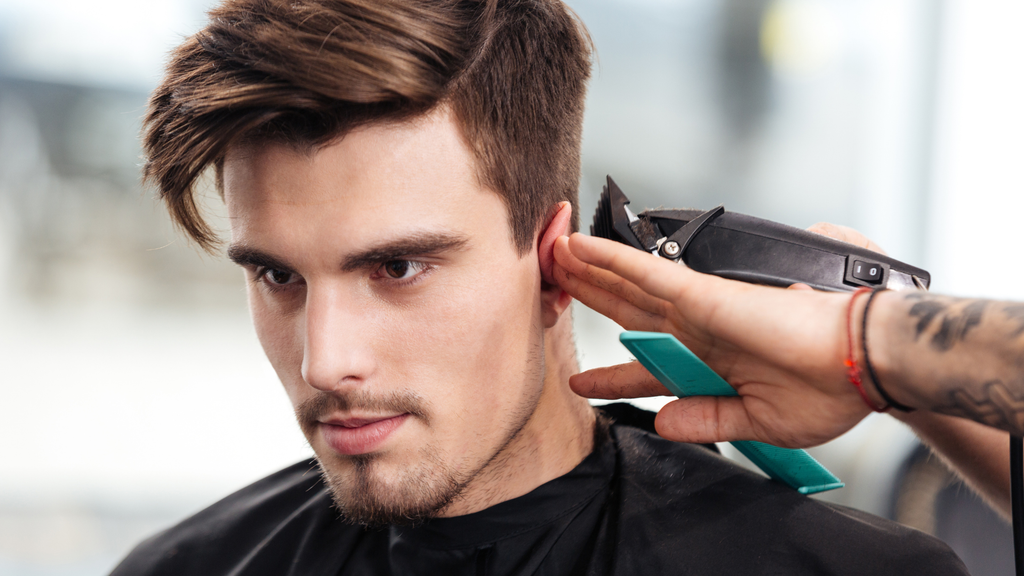
The Close Match
Copying works best when the celebrity in your photo shares your basic hair blueprint. Similar density, similar texture, similar hairline, similar face shape. When those line up, a photo can be a perfect starting point.
I once had a client who brought in a photo of a pro baseball player with a short, textured crop. Same wavy hair, same square jaw, same slightly receding temples. We barely had to adjust a thing. He walked out looking like a cousin of the guy in the picture.
The trick is finding your hair twin, not just your style hero.
Classic Cuts That Travel Well
Some haircuts translate across almost any head. They’re the white T-shirts and blue jeans of men’s grooming.
Classic cut vs. trend cut is worth weighing before you commit:
| Factor | Classic Cuts (Taper, Side Part, Crew Cut) | Trend Cuts (Modern Mullet, Burst Fade, Heavy Fringe) |
| Works on most hair types | Yes | Often limited |
| Grow-out | Gentle | Often awkward |
| Styling time | Low to moderate | Moderate to high |
| Lifespan in fashion | Decades | A season or two |
| Risk when copying | Low | Higher |
If you love a celebrity’s classic taper or crew cut, odds are it’ll work for you with small tweaks. If you love his asymmetrical, bleached, disconnected trend cut, expect bigger adjustments.
Borrowing a Detail Instead of the Whole Cut
This is my favorite approach, and it’s the one I recommend most. Instead of copying the whole haircut, borrow one detail.
Maybe it’s the hard part line. Maybe it’s the low taper at the neckline. Maybe it’s the textured finish on top. Take that one element and build it into a cut that suits your hair.
Copying the whole cut vs. borrowing a detail:
| Factor | Copy the Whole Cut | Borrow One Detail |
| Chance of success | Depends on close match | High |
| Looks like you | Sometimes | Almost always |
| Daily effort | Matches the celebrity’s routine | Matches yours |
| Risk | Moderate to high | Low |
It’s like a cook tasting a great dish at a restaurant and borrowing the spice blend rather than trying to recreate the whole menu at home. You get the flavor without the kitchen staff. So how do you actually bring that photo in?
How to Bring a Celebrity Photo the Right Way
Choosing the Right Photo
Not all photos are equal. A good reference photo is clear, recent and honest.
| Look For | Avoid |
| Natural daylight | Heavy filters |
| Front, side and back angles | Only one dramatic angle |
| Recent photo | Pictures from a decade ago |
| Someone with your hair type | Very different texture |
| Casual, off-duty shots | Red carpet or magazine covers |
| Hair at rest | Hair mid-wind or mid-performance |
Off-duty photos are gold. A celebrity grabbing coffee or walking a dog shows you what the cut looks like without a styling team. If you can’t find one, that tells you something too.
What to Say When You Show It
The photo starts the conversation. Your words finish it. Try a few lines like these:
- “I like the shape on the sides here.”
- “I want the top to look textured like this, but shorter.”
- “I only have five minutes in the morning.”
- “My hair is a lot finer than his.”
- “I’m not sure this works with my hairline. What do you think?”
That last line is the most valuable thing you can say. It invites honest advice instead of blind copying.
Questions to Expect in the Chair
A good pro will ask you questions before the clippers start buzzing. Expect things like:
- How do you style your hair on a normal day?
- How often can you come in?
- What do you like most about this photo?
- What bugged you about your last cut?
- Do you use any products or a blow-dryer?
Answer honestly. If you say you’ll blow-dry every morning and you won’t, you’ll end up with a cut designed for a routine you don’t have.
Letting the Pro Translate
Here’s where trust comes in. Think of the person behind the chair as a translator. You bring the photo in “celebrity language.” They translate it into “your hair language.”
Sometimes that means keeping the top a little longer to cover a thin spot. Sometimes it means a shadow fade instead of a skin fade. Sometimes it means flipping the part. The result won’t be an exact copy, and that’s the point. It’ll be your version, built to last past the first wash.
Even with good intentions, a few mistakes keep showing up in the chair. Let’s clear them out.
Mistakes I See Every Month
Chasing a Ten-Year-Old Photo
Celebrities change their hair constantly. That photo from a movie that came out ten years ago might reflect a hairline, a hair color and even a hair density they no longer have.
Old photo vs. recent photo isn’t just about style. It’s about honesty. If the celebrity himself doesn’t wear that cut anymore, there may be a reason.
Forgetting About the Grow-Out
Some celebrity cuts look incredible for five days and terrible on day fifteen. Disconnected undercuts are the classic example. The long top hangs over shaved sides, and as the sides grow, the sharp contrast turns into a fuzzy shelf.
Before you commit, ask, “What will this look like in three weeks?” If the answer makes the room go quiet, think twice.
Copying Color and Cut at Once
Many famous looks include color: bleached tips, platinum crops, covered gray. Color changes how a cut reads. Light hair shows texture differently than dark hair. Bleach can make fine hair even finer.
If you copy a bleached textured crop with your natural dark hair, the shape will look heavier. If you add bleach too, you’re taking on two big changes and twice the upkeep.
Going Too Far in One Visit
| Mistake | What Usually Happens | A Better Approach |
| Long hair to skin fade in one visit | Shock, regret | Step down over two visits |
| Copying a heavy fringe on a receding hairline | Gaps show at the temples | Shorter, textured fringe |
| Skin fade on bump-prone skin | Red, irritated neckline | Shadow fade with a guard |
| Copying color and cut together | Overwhelming change | Start with the cut |
| Ignoring growth direction | Hair fights you daily | Adjust the part or direction |
| Using a red carpet photo | Can’t recreate at home | Find an off-duty shot |
I always say: you can take more off next time, but you can’t put it back today. Easing into a big change is like breaking in new boots. Wear them around the house first. Stories make these lessons stick, so here are a few from my chair.
Stories From the Chair
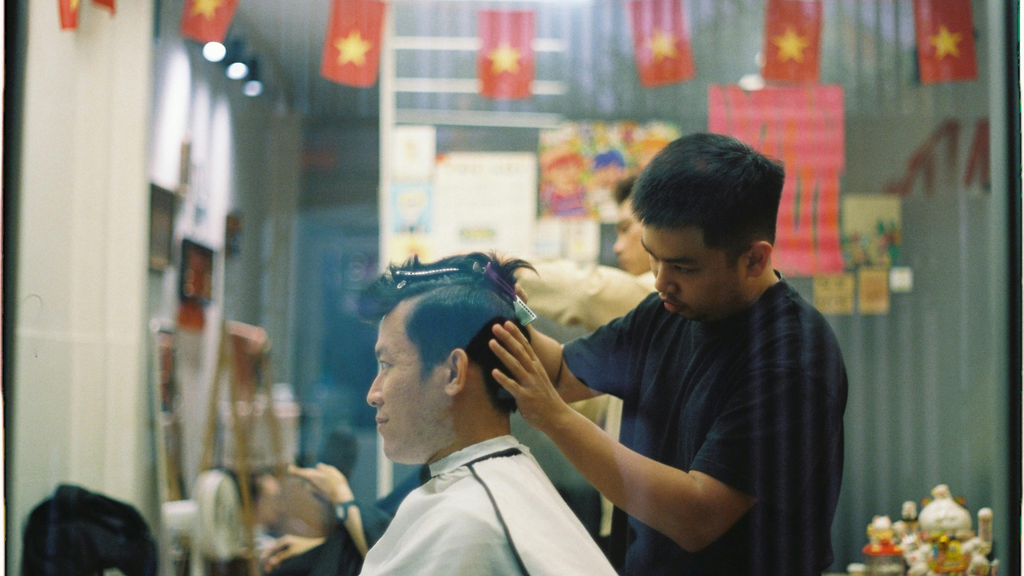
The Peaky Blinders Summer
A few summers after the show Peaky Blinders hit its stride, I gave what felt like a hundred disconnected undercuts. Shaved sides, long top, slicked back like Tommy Shelby walking through a smoky factory in 1920s Birmingham.
One client, a schoolteacher with fine, straight hair, loved the look on day one. By week three, the top had gone limp and the sides had grown into a fuzzy shelf. “I look like I lost a bet,” he told me, laughing.
We moved him to a softer, blended version: shorter top, tapered sides, matte finish. He still got the feeling of the look without the weekly upkeep. He’s worn it ever since.
The Kid and the Swoop
A dad brought in his eleven-year-old, who held up a photo of a pop star’s famous swoop. Long side-swept bangs, straight as a ruler. The boy had thick, wavy hair that sprang up like a box spring.
I explained gently that the swoop in the photo probably needed a flat iron every morning. The boy’s eyes went wide. The dad’s eyes went wider. Neither of them was signing up for that.
We gave him a textured fringe swept to the side, cut to work with his waves. He tilted his head in the mirror, grinned and said, “That’s better than his.” His dad paid with a look of pure relief. Sometimes the best gift for a kid is a cut that works without a parent fighting it every school morning.
The Groom and the Movie Star
A groom-to-be came in two weeks before his wedding with a photo of a famous actor at an awards show. Slicked side part, perfect shine, not a hair out of place.
The cut itself was easy. The shine was not. I walked him through it: water-based pomade, a fine-tooth comb, a blow-dryer on low heat. We did a test run in the chair, then I had him do it himself while I watched.
On the wedding day, he sent me a photo. It wasn’t identical to the actor’s. It was better, because it was his, and it held through the vows, the first dance and a very sweaty round of dancing to his uncle’s favorite song.
The Man Who Brought the Right Photo
The best example I have is a quiet one. A man in his late forties came in with three photos of a well-known actor around his own age, all casual, all off-duty, all in daylight. The actor had similar salt-and-pepper hair, a similar hairline and a similar beard.
“I like how relaxed he looks,” he said. “Not the red carpet version. This.”
That was about the easiest cut of my week. He’d done the homework: right age, right hair, right lighting, right lifestyle. He walked out looking exactly like himself, just a little sharper. Every story so far has a price tag attached, so let’s talk money.
What Chasing Celebrity Hair Really Costs
The Price of the First Visit
Celebrity-inspired cuts often take longer than a standard haircut, which usually means a higher price.
| Service | Typical Time | Typical Price Range |
| Classic haircut | 30 minutes | $25 to $40 |
| Skin fade or detailed fade | 45 minutes | $35 to $55 |
| Disconnected undercut or design | 45 to 60 minutes | $40 to $65 |
| Cut plus styling lesson | 45 to 60 minutes | $40 to $70 |
| Cut plus color | 90 minutes or more | $80 to $150+ |
Prices vary widely by city and experience. Whether you ask friends for recommendations or search “barber near me” on your phone, check the service menu and book the right time slot for the look you want.
The Ongoing Bill
The first visit is only the beginning. Some celebrity looks need far more maintenance than others.
| Cost Factor | Low-Maintenance Look | High-Maintenance Celebrity Look |
| Visits per year | 10 to 12 | 18 to 26 |
| Products | One jar every few months | Two to four products |
| Tools | Comb | Blow-dryer, brushes, sometimes an iron |
| Color upkeep | None | Every 4 to 8 weeks |
| Estimated yearly total | $300 to $500 | $800 to $1,800+ |
Low-maintenance vs. high-maintenance isn’t a judgment. Some men love the ritual and gladly pay for it. Just go in knowing the full price, not only the first-visit price.
What It Costs to Fix a Miss
When a copied cut doesn’t work, the costs pile up quietly: a corrective visit, a hat, extra products to hide it, maybe a missed photo or event. If you went too short, you’ll wait. At half an inch a month, a big mistake can take two or three months to grow out.
That’s why one extra conversation up front is the cheapest insurance in men’s grooming.
Gifts and Booking for Sons
If you’re buying a haircut as a gift, especially for someone chasing a celebrity look, a few tips help:
- Gift a dollar amount, not a single service, so the cut can match the actual look
- Add a styling product that suits the person’s hair type
- For sons, look at the celebrity photo together first and talk about upkeep
- Consider a styling lesson with the cut, so the look lasts past the first morning
A teenage son with his first celebrity-inspired cut is a big deal. Making sure he knows how to style it at home is the difference between a proud week and a frustrated one. Speaking of teenagers, trends move faster than ever.
Trends and Insights From Behind the Chair
The Short Life of a Viral Cut
| Stage | What Happens | How Long It Lasts |
| Spark | A celebrity debuts a cut | A few days |
| Spread | Photos go viral online | 1 to 3 weeks |
| Rush | Shops see a wave of requests | 1 to 3 months |
| Regret | Grow-out problems appear | Months 2 to 4 |
| Settle | A softer version sticks around | Years, sometimes |
I’ve watched this cycle play out dozens of times. The extreme version fades fast. The softened, wearable version often sticks around for years. The faux-hawk of the 2000s became today’s textured quiff. The hard undercut softened into the blended crop.
From Copying to Customizing
Something has shifted in how men talk about celebrity cuts. Fewer guys say, “Make me look exactly like him.” More say, “I like this part of his look. What would work for me?”
That’s a healthy change. The U.S. Bureau of Labor Statistics projects employment of barbers, hairstylists and cosmetologists to keep growing over the coming decade, and I think part of the reason is that men want expert advice, not just a cut. They want someone who can look at a photo and look at them, then find the middle ground.
What Men Are Asking For Now
Right now, I see more requests for natural texture, softer tapers and cuts that grow out gracefully. Men are bringing photos of athletes, musicians and actors who wear their own curl pattern proudly. Low-maintenance, high-impact looks are in.
The heavy, sculpted, product-dependent looks haven’t disappeared. They’ve just become special-occasion styles rather than everyday ones. With those trends in mind, here are the questions men ask me most.
Frequently Asked Questions
Is it okay to bring a celebrity photo to my haircut appointment?
Absolutely. Photos are helpful. Just treat the photo as a starting point, not a blueprint. Bring clear, recent, off-duty shots from several angles, and be ready to talk about your own hair, routine and how often you can come in.
Why didn’t my celebrity haircut look like the photo?
Usually it’s a mix of factors: different hair type, different head shape, different lighting, and the celebrity’s styling team and photo editing. The cut may be right while the finished look depends on blow-drying, products and professional lighting you don’t have at home.
How do I know if a celebrity haircut will work for me?
Compare the basics: hair density, texture, curl pattern, hairline and face shape. If the celebrity’s hair resembles yours, your odds are good. If not, ask for a version adapted to your hair. Off-duty photos also show how the cut looks without styling.
Can I get a celebrity haircut if my hair is thinning?
Yes, with adjustments. Choose a celebrity with a similar hairline, or borrow elements like texture and short sides. Heavy fringes and slicked-back styles often expose thinning areas. Shorter, textured cuts usually make thinning hair look fuller.
Should I copy a celebrity skin fade if I get razor bumps?
Be careful. Very close cuts can trigger irritation, especially on curly or coily hair. Ask for a shadow fade or a guard along the neckline instead of going to bare skin. You keep the clean look without the red bumps.
How long does it take to fix a celebrity haircut that didn’t work?
Hair grows about half an inch a month. Small issues can be adjusted right away. Bigger ones, like going too short on top, may take one to three months to grow out. A corrective cut can often blend things in sooner.
Are celebrity haircuts more expensive?
Often, yes. Detailed fades, designs, disconnected undercuts and color take more time, and many need more frequent visits. Factor in products and tools too. Ask for the price and recommended visit schedule before you commit.
My son wants a celebrity haircut. What should I do?
Look at the photo together and talk about upkeep, school rules and how much time he’ll spend styling it. Book the right service so there’s enough time. Ask for a version that suits his hair and teach him how to style it at home.
With your questions answered, here’s a plan you can use on your next visit.
Your Action Plan and a Final Word
The Pre-Visit Checklist
Before you book that celebrity-inspired cut, run through this list:
- Does the celebrity’s hair type resemble mine?
- Do I have a recent, off-duty photo in natural light?
- Do I have front, side and back views?
- Which detail do I like most?
- How much time do I want to spend styling each morning?
- How often can I realistically come back for touch-ups?
- Will this work with my job, helmet, gym or weather?
- Am I ready for the grow-out stage?
Even answering half of these will make your next visit smoother.
Your Personal Style Card
Fill this in once, keep it on your phone, and you’ll never walk in with just a photo again.
| Detail | Your Answer |
| Hair type | Straight / wavy / curly / coily |
| Density | Fine / medium / thick |
| Hairline | Full / slightly receding / thinning |
| Celebrity reference | Name and photo date |
| Favorite detail | Sides / top / texture / part / neckline |
| Styling time | Under 2 minutes / 5 minutes / 10+ minutes |
| Visit rhythm | Every 2 / 3 / 4 / 6 weeks |
| Products you’ll use | Clay / pomade / cream / none |
| Skin concerns | Bumps / dryness / none |
| Lifestyle notes | Helmet, gym, office, outdoors |
A Final Word From the Chair
At the end of a good cut, I brush the loose hair from your collar, dust a little talc on your neck and take off the cape with a quiet snap. Then I turn the leather chair toward the mirror. That’s the moment that matters. Not the moment you showed me the photo, but the moment you see yourself.
So, why is copying a celebrity haircut not always a good idea? Because a famous haircut is built for someone else’s hair, someone else’s face, someone else’s camera and someone else’s mornings. The photo shows you the finish line, not the road. Cameras flatter, lights glow, styling crews work quietly, and the result is a performance, not an everyday haircut.
That doesn’t mean you should ignore celebrity photos. Bring them in. Love them. Just use them the smart way. Pick a recent, off-duty shot. Find a famous face with hair like yours. Borrow the detail you love most. Then let the person holding the clippers translate it into a cut that works for your life.
Because the best haircut isn’t the one that makes you look like someone else. It’s the one that makes you look like the sharpest version of you, at 9 a.m., at 5 p.m. and three weeks from now. And when you’re ready to find yours, the chair will be warm, the clippers will be humming, and the conversation will start with one simple question: “What are we doing today?”