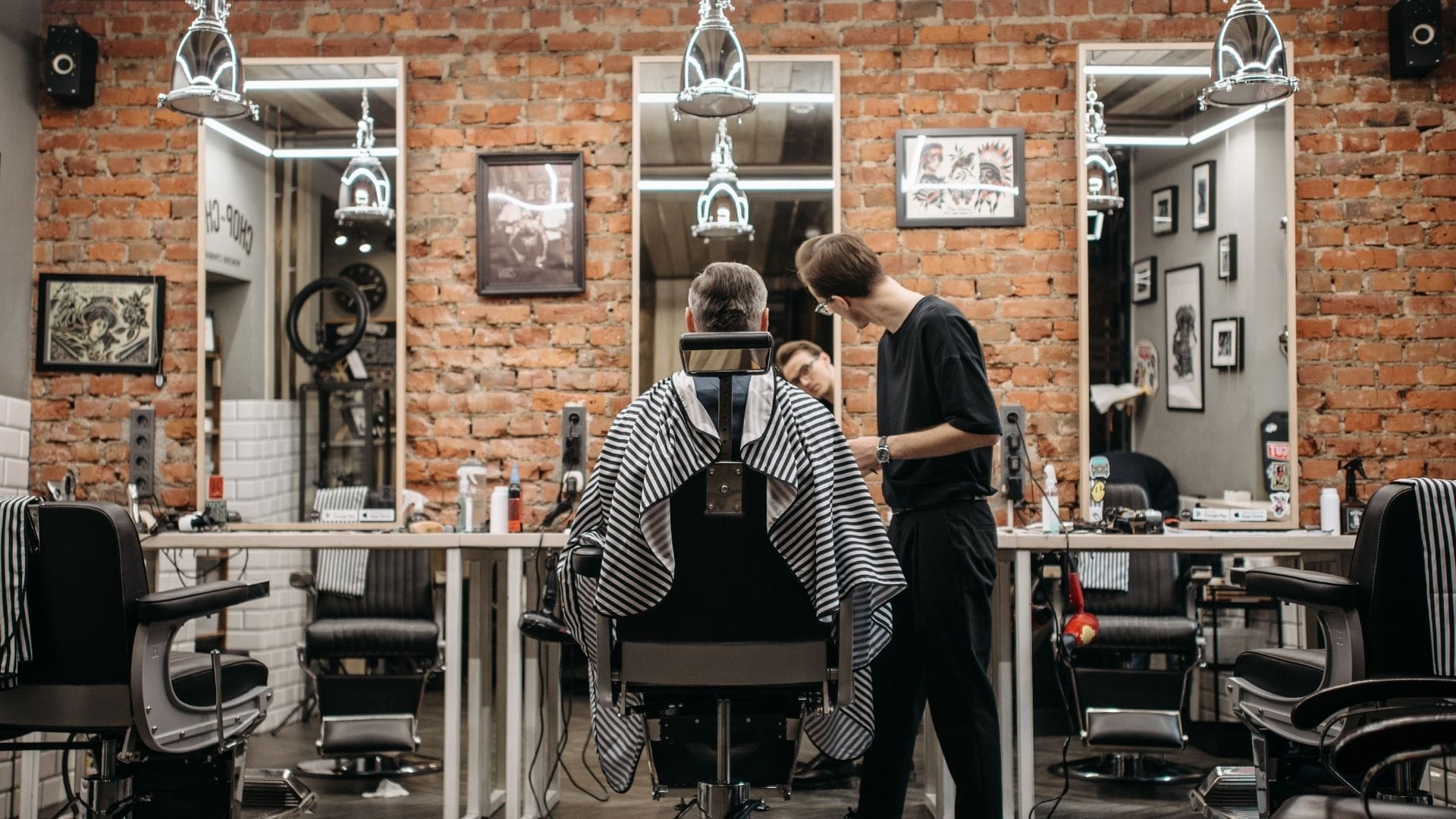
Walk into a real barbershop and you already know the difference before anyone says a word. The buzz of clippers, the smell of talc and aftershave, the leather chairs worn smooth by decades of use. That’s not nostalgia. That’s specialization at work. Barbershops exist because men’s hair, skin, and grooming needs are fundamentally different from what salons are built to handle, and this guide breaks down exactly why that distinction matters, what you’re paying for, and how to find a barber worth sticking with for life.
Key Takeaways
- Barbers train specifically in men’s hair, skin, and shaving, while cosmetologists train across a much broader and less specialized curriculum.
- Men’s hair grows in different patterns and textures than women’s hair, which is why techniques like fading require barber-specific skill.
- A straight razor shave, hot towel service, and precision beard work are rarely offered with the same expertise at a salon.
- Barbershops function as community hubs that support conversation, mentorship, and men’s mental health in ways salons typically don’t.
- Pricing at a barbershop reflects specialized skill and tools, and the value shows up in consistency, longevity of the cut, and overall experience.
The Moment You Walk Through That Door
The second the door swings open, you know where you are. A barbershop announces itself through sound, smell, and rhythm before you even sit down. That sensory signature is not an accident. It’s built over generations of tradition, and it’s one of the clearest reasons the barbershop experience feels worlds apart from a salon visit.
What a Barbershop Feels Like vs. What a Salon Feels Like
A barbershop tends to run on energy that’s direct and unpretentious. Clippers buzz, chairs creak, and conversation moves fast between the barber and the guy in the chair. There’s rarely a wait for a consultation form or a menu of add-on services. You sit down, you say what you want, and the work begins.
A salon, by contrast, is typically built around a calmer, slower-paced retail experience. Lighting is softer, service menus are longer, and the pacing often includes multiple steps such as consultations, product upsells, and styling that stretches the appointment out. Neither pace is wrong, but they’re built for different customers with different expectations.
The Smells, Sounds, and Atmosphere That Set the Tone
Talc powder, bay rum aftershave, and the faint scent of hot towel steam make up the signature smell of a barbershop. Combine that with the metallic click of steel scissors and the low hum of clippers, and you get an atmosphere that feels consistent no matter which shop you walk into.
Salons lean toward the smell of chemical treatments, hairspray, and shampoo stations. Both environments serve their purpose, but the barbershop atmosphere is engineered around speed, precision, and a distinctly masculine sense of ritual.
Why First Impressions in Grooming Actually Matter
Grooming is one of the fastest ways to build first impressions, whether you’re walking into a job interview or a first date. A crisp haircut signals attention to detail. A precise beard line signals discipline. Barbershops are built around delivering that sharp, put-together look efficiently and consistently, which is exactly why so many men treat their barber appointment as non-negotiable.
A Brief History of the Barbershop and Why It Was Always Built for Men
Barbershops didn’t evolve by accident into male-centric spaces. Their history stretches back thousands of years, and understanding that history explains why the modern barbershop still feels so different from a salon today.
The Origins of the Barber Pole and What It Really Meant
The red and white barber pole traces its roots to medieval Europe, when barbers also performed bloodletting and minor surgical procedures alongside haircuts and shaves. The red represented blood, the white represented bandages, and the pole itself represented the rod patients gripped during the procedure. Over centuries, barbers shed the surgical duties and became specialists purely in hair, shaving, and grooming, but the pole remained as a symbol of that long professional lineage.
How Barbershops Shaped Male Culture Through the Centuries
From ancient Egypt and Rome through the American frontier and into the 20th century, barbershops have served as gathering places for men to talk business, politics, and daily life while getting groomed. In many communities, especially Black communities in the United States, the barbershop became a cultural institution where mentorship, community organizing, and honest conversation happened as naturally as the haircut itself.
The Salon’s Origins and Why the Two Were Never the Same
Salons emerged later, largely in the 19th and 20th centuries, as spaces built around women’s hairstyling, chemical treatments, and broader beauty services like manicures and skincare. Cosmetology as a licensed profession developed around this wider service menu, training stylists across chemical processing, coloring, and styling techniques that go far beyond what most men’s grooming requires. The two professions grew up solving different problems, which is why merging them under one roof rarely serves either customer well.
The Modern Revival of the Barbershop
Over the past fifteen years, barbershops have experienced a resurgence driven by renewed interest in classic grooming, fade culture, and beard care. Independent shops and boutique chains alike have leaned into that heritage, combining old-school ritual with modern technique. This revival isn’t a trend that’s fading. It reflects a growing recognition that men’s grooming deserves its own dedicated space.
Specialization Is the Whole Point
The most important reason a barbershop outperforms a salon for men’s grooming comes down to one word: specialization. Barbers train for one job and one job only, and that focus shows in every cut.
Why Barbers Train Differently Than Cosmetologists
Barber training programs concentrate heavily on men’s hair textures, facial hair, straight razor shaving, and scalp treatments. Cosmetology programs, while rigorous, spread training across chemical services, women’s hairstyling, coloring, and additional beauty treatments such as nails and skincare. Both are legitimate, licensed professions, but they are not interchangeable, and the depth of practice in each specialty differs significantly.
Licensing, Hours, and What Barbers Actually Study
Licensing requirements vary by state, but many barber programs require 1,000 to 1,500 hours of training focused specifically on men’s cuts, fades, shaving, and facial hair design. Cosmetology programs often require more total hours, sometimes 1,500 to 2,000, but that time is split across a much wider curriculum. A barber spends a much higher percentage of training hours on the exact skills men need most.
| Training Area | Barber Program Focus | Cosmetology Program Focus |
| Men’s haircuts and fades | Primary focus | Secondary focus |
| Straight razor shaving | Core curriculum | Rarely covered in depth |
| Facial hair design | Core curriculum | Minimal coverage |
| Chemical treatments and coloring | Minimal coverage | Primary focus |
| Women’s styling and updos | Rarely covered | Primary focus |
| Nail and skincare services | Not covered | Often included |
The Tools of the Trade — Clippers, Straight Razors, and Shears
Barbers build their entire toolkit around men’s hair and skin. Clippers with interchangeable guards handle fades with precision. Straight razors, honed and stropped before every use, create clean lines and smooth shaves. Texturizing shears thin out thick hair without bulk. These tools are chosen and maintained specifically for the demands of men’s grooming, and mastering them takes years of repetition.
Why Specialization Produces Better Results for Men’s Hair
When a professional spends years perfecting one narrow set of skills, the results speak for themselves. A barber who cuts fades all day, every day, develops a level of consistency and speed that’s difficult to match anywhere else. That’s not a knock on stylists. It’s simply how expertise works in any trade.
The Haircut Experience — What You Get at a Barbershop vs. a Salon
A haircut at a barbershop is built around efficiency, precision, and ritual, and understanding what that experience actually includes helps explain why it consistently outperforms a salon visit for men.
The Consultation Process Done Right
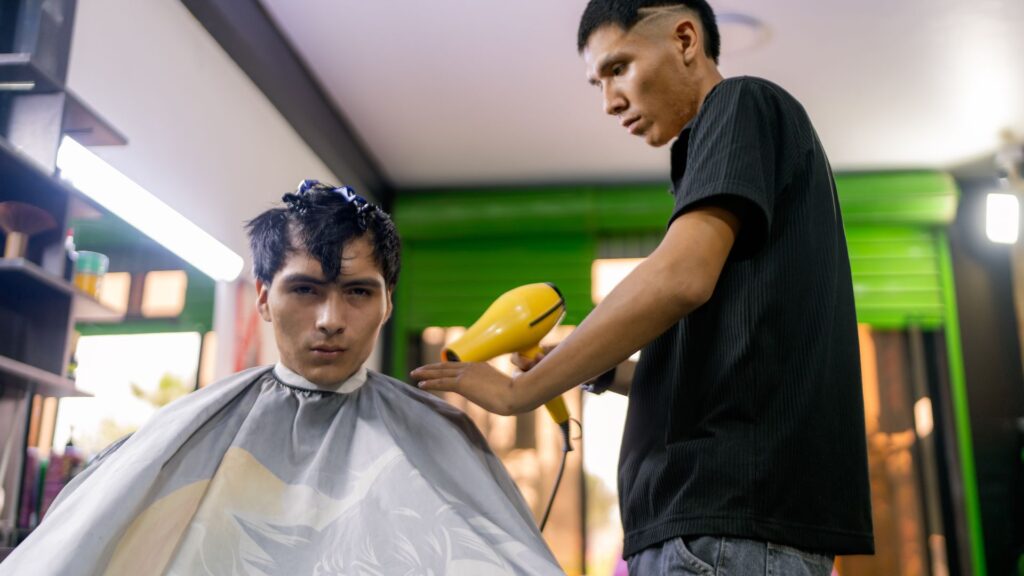
A good barber asks specific, practical questions: how short on the sides, what style guard for the fade, how much length to leave on top, whether you want the neckline squared or rounded. This consultation is quick because the barber already understands the vocabulary of men’s cuts and can translate a vague request like “just clean it up” into a precise plan.
The Hot Towel, the Straight Razor, and the Neck Shave
A hot towel applied to the neck and hairline softens the skin and opens the pores before a razor ever touches you. This step, paired with a precise neck shave using a straight razor, produces a cleaner finish than clippers alone can achieve. It’s a small ritual, but it makes a noticeable difference in how sharp the final cut looks.
Fade Techniques and Why Barbers Do Them Better
Fades require blending multiple clipper guard lengths seamlessly from skin to length on top, often within millimeters of precision. This is one of the most technically demanding cuts in men’s grooming, and it’s a skill barbers refine constantly because it’s requested so often. A poorly executed fade shows visible lines and uneven blending, while a well-executed one looks smooth from every angle.
What Happens When You Go to the Wrong Place for a Fade
Booking a fade at a salon that rarely performs the technique often results in visible demarcation lines, uneven tapering, or a cut that grows out awkwardly within days. Fixing a botched fade usually means going shorter than originally planned just to even things out, which defeats the purpose of asking for a specific style in the first place.
Understanding Men’s Hair — Science, Texture, and Growth Patterns
Men’s hair isn’t just shorter on average. It behaves differently at a structural level, and that difference is central to why specialized cutting techniques matter.
How Men’s Hair Grows Differently Than Women’s Hair
Men’s scalp hair often grows in varied directions across the crown, whorls, and hairline, which directly affects how a fade or taper needs to be approached. Facial hair adds another layer of complexity entirely, since beard hair often grows in inconsistent directions and thicknesses across the jaw and neck. Barbers train specifically to read and work with these growth patterns.
Hair Types, Textures, and Why They Demand Different Techniques
From straight to wavy to coily hair, texture affects how a fade blends, how a taper holds its shape, and how a cut grows out over the following weeks. A barber who works with a wide range of male hair textures daily develops an eye for adjusting technique on the fly, something that requires hands-on repetition rather than theoretical training alone.
The Scalp Health Connection — What Barbers Know That Stylists Often Don’t
Because barbers work so closely with clippers and short hair lengths, they’re often the first to notice scalp issues like dryness, irritation, or early signs of thinning. Many barbers can recommend simple adjustments, like a different shampoo or a change in cutting technique, to help manage these issues before they become more serious.
Beard Care Is a Skill Set All Its Own
Beard grooming has become one of the most requested services in men’s grooming over the past decade, and it demands its own dedicated expertise that most salons simply aren’t built to provide.
Why Salons Are Not Equipped to Handle Serious Beard Work
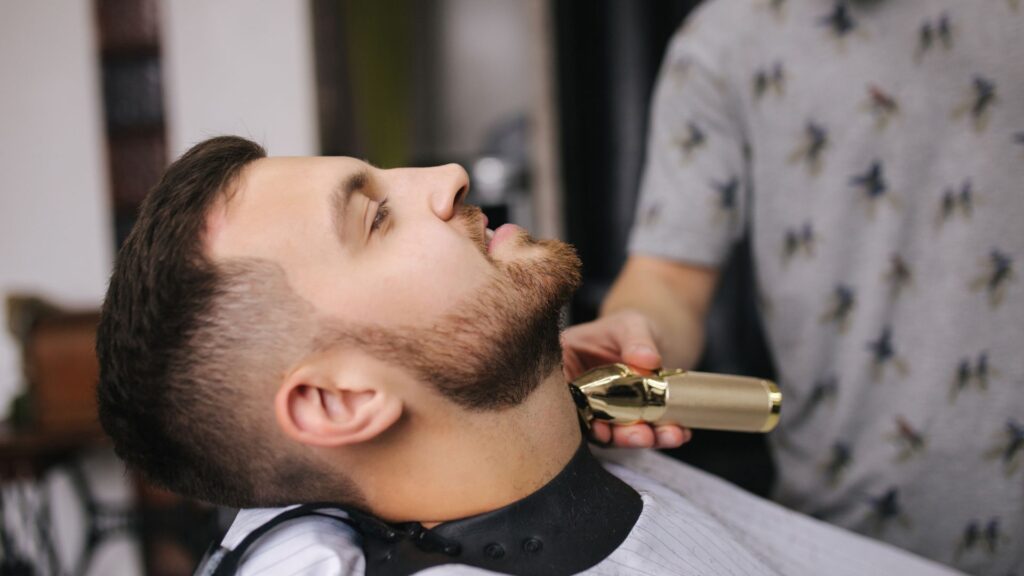
Salons rarely stock straight razors, beard-specific shaping tools, or the range of beard oils and balms that barbershops carry as standard inventory. Beard work also requires understanding facial structure and growth patterns in a way that’s simply outside the scope of most cosmetology training.
The Craft of the Straight Razor Shave
A proper straight razor shave involves multiple passes, careful blade angle control, and constant attention to grain direction. Done correctly, it produces a closer, smoother shave than any cartridge razor can achieve, without the irritation that often comes from rushing the process.
Beard Shaping, Lineup, and the Art of Symmetry
A sharp beard lineup depends on understanding facial symmetry, jaw structure, and how the beard should frame the face. Barbers use straight razors and precision trimmers to create clean, symmetrical lines along the cheek, neck, and jaw, a skill that takes considerable practice to perfect.
Products, Oils, and Balms — What Actually Works
Beard oil softens and conditions the hair and skin underneath, balm adds hold and shape for longer or unruly beards, and beard wash prevents the buildup that regular shampoo can cause on facial hair. A knowledgeable barber can recommend the right combination based on your beard length, texture, and skin sensitivity.
The Culture and Community Inside a Barbershop
Beyond the technical skill, barbershops offer something a salon rarely replicates: a genuine sense of community built around trust and conversation.
Why the Barbershop Is More Than a Haircut Spot
Regulars often treat their barbershop visit as part social outing, part personal reset. The familiarity of seeing the same barber, the same chair, and often the same faces creates a sense of belonging that keeps people coming back well beyond the need for a fresh cut.
The Conversations That Happen in the Chair
Sports, work, family, politics, life advice. The barber chair has long been a place where men open up more freely than they might elsewhere, partly because the setting feels low-pressure and familiar.
Barbershops as Safe Spaces for Men’s Mental Health
Public health researchers have increasingly studied barbershops as informal support spaces for men, particularly around mental health conversations that men might otherwise avoid discussing openly. Programs that train barbers to recognize signs of stress or depression in regular clients have expanded in several cities, using the natural trust built in the chair to open a door that’s often closed elsewhere.
The Father-Son Tradition and Why It Matters
Bringing a son in for his first haircut alongside his father is a rite of passage in many families. It teaches young boys early on that grooming is part of taking care of yourself, while giving fathers a recurring tradition to share with their kids as they grow.
Pricing, Value, and What You’re Actually Paying For
Price comparisons between barbershops and salons often miss the point, because you’re not just paying for time in a chair. You’re paying for specialized skill applied to a specific outcome.
Barbershop Pricing vs. Salon Pricing — A Real Breakdown
| Service | Typical Barbershop Price Range | Typical Salon Price Range |
| Standard men’s haircut | $25 to $45 | $35 to $65 |
| Haircut with fade | $30 to $55 | Often not specialized |
| Straight razor shave | $25 to $50 | Rarely offered |
| Beard trim and lineup | $15 to $30 | $20 to $40 |
| Full grooming package (cut, beard, shave) | $50 to $90 | $70 to $120 |
Why Cheaper Isn’t Always Worse and Expensive Isn’t Always Better
A budget barbershop with a skilled barber can outperform a high-end salon charging double the price for a men’s cut, simply because specialization matters more than ambiance. On the flip side, a premium barbershop charging more often justifies the price through added services like hot towel treatments, premium products, and longer, more detailed sessions.
The Hidden Costs of Going to the Wrong Place
A poorly executed fade or an uneven beard lineup often means an extra visit within a week just to fix it, effectively doubling the cost of the original service. Factor in the time lost and the frustration of walking around with a cut you don’t like, and the “cheaper” option at the wrong place often ends up costing more.
How to Judge Value in Grooming Services
Look past the price tag and ask how long the cut holds its shape, how clean the lines are after a week of growth, and how consistent the results are across multiple visits. Real value shows up in the weeks after you leave the chair, not just in the moment you walk out.
The Straight Razor Shave — Why It’s the Gold Standard
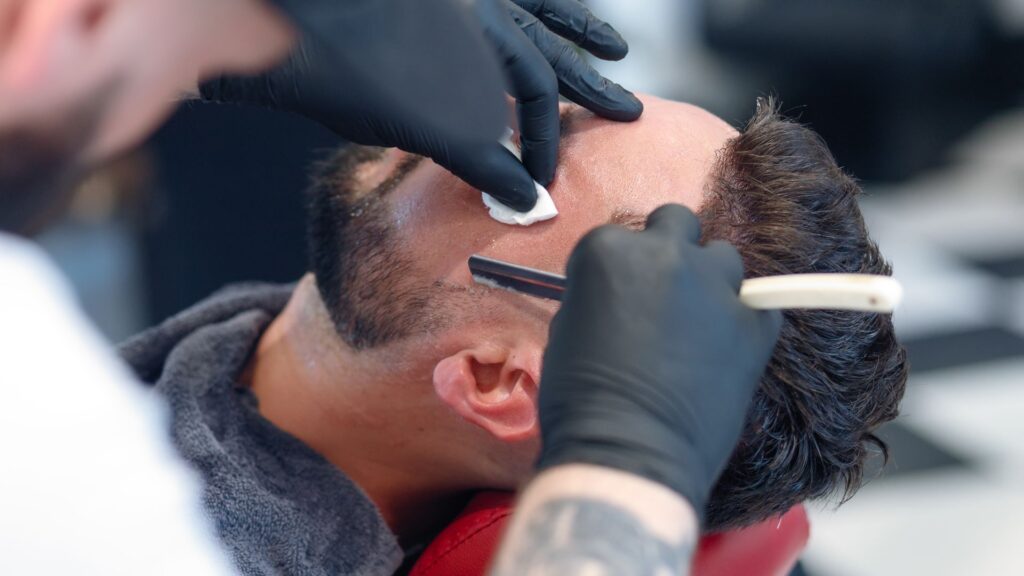
Few grooming rituals carry as much history and craftsmanship as the straight razor shave, and it remains one of the clearest differentiators between a barbershop and a salon.
The History and Ritual of the Straight Razor
Straight razor shaving dates back centuries and was the standard method of shaving for most of modern history before disposable razors became widespread in the 20th century. Barbershops kept this tradition alive, refining the ritual into the multi-step hot towel and shave process still practiced today.
Skin Benefits of a Professional Straight Razor Shave
A well-executed straight razor shave removes hair at the surface level far more precisely than multi-blade cartridge razors, reducing the risk of ingrown hairs and razor burn when performed correctly. The hot towel preparation beforehand also softens the skin, making the shave noticeably smoother.
How to Prepare for and Maintain Results After a Razor Shave
Avoid heavy moisturizers right before your appointment, since they can interfere with blade glide. Afterward, use a gentle aftershave balm rather than alcohol-heavy products to avoid irritating freshly shaved skin, and give your face at least a day before applying new products directly to the area.
Hair Products — What Barbers Stock vs. What Salons Push
The products lining a barbershop’s shelves reflect the same specialization found in the haircuts themselves.
The Difference Between Men’s and Women’s Hair Products
Men’s hair products are typically formulated for shorter hair, oilier scalps on average, and styling needs like matte finishes or strong hold pomades. Women’s hair products often emphasize moisture retention, frizz control for longer hair, and color protection, addressing an entirely different set of concerns.
What Barbers Recommend and Why
A barber who sees your hair type and cut regularly can recommend a pomade, clay, or matte paste suited specifically to how your hair holds a style, rather than pushing whatever the shop is promoting that month.
Ingredients to Look For and Avoid in Men’s Hair Products
Look for ingredients like beeswax or lanolin for hold, and natural oils like argan or jojoba for scalp health. Avoid products loaded with heavy alcohols that dry out both hair and scalp over time, especially if you already deal with dryness or flaking.
Product Comparison Table — Barbershop Shelf vs. Salon Shelf
| Product Category | Barbershop Shelf | Salon Shelf |
| Pomades and clays | Wide selection, various hold levels | Limited or absent |
| Beard oils and balms | Standard stock | Rarely carried |
| Straight razor and shave products | Standard stock | Rarely carried |
| Chemical treatment and color products | Rarely carried | Wide selection |
| Styling tools for long hair | Rarely carried | Wide selection |
Skin, Scalp, and the Grooming Science Salons Often Skip
Grooming isn’t just about hair. Skin and scalp health play a major role in how good a cut or shave actually looks and feels.
How the Scalp and Skin React to Men’s Grooming Routines
Frequent short cuts and shaving expose the scalp and facial skin to regular friction and product contact, which can lead to irritation if not managed properly. Barbers who see clients every few weeks are well positioned to notice changes in skin condition over time.
The Role of Hot Towels, Steamers, and Pre-Shave Prep
Hot towels and steam open pores and soften hair, making both haircuts around the ears and neck, and shaves across the face, more comfortable and precise. This preparation step is standard in most barbershops and largely absent from a typical salon men’s cut.
Common Skin Problems Barbers Are Trained to Spot
Ingrown hairs, razor bumps, and early signs of folliculitis are all conditions experienced barbers learn to recognize and address through adjusted shaving technique or product recommendations, often before a client even realizes there’s an issue developing.
Finding the Right Barber and Building That Long-Term Relationship
The best grooming results come from a long-term relationship with a barber who knows your hair, your preferences, and your face inside and out.
What to Look for in a Quality Barber
Look for clean, consistent lineups on other clients, a shop that keeps its tools properly sanitized, and a barber who asks specific questions rather than rushing through the consultation. Reviews and word of mouth matter here more than flashy marketing.
The First Visit — What to Say and What to Bring
Bring a reference photo if you have one, and be specific about guard lengths, fade height, and how much length you want left on top. If you’re searching for a new option nearby, typing “haircut near me” is often the fastest way to find highly rated shops in your area worth trying.
How to Maintain Your Look Between Visits
Book your next appointment before you leave, typically every two to four weeks depending on your style, and use a light styling product daily to keep the cut looking sharp between visits.
Why Loyalty to One Barber Pays Off Over Time
A barber who’s cut your hair for years understands your growth patterns, cowlicks, and preferences without needing a lengthy conversation every visit. That familiarity consistently produces better, more predictable results than bouncing between different barbers or shops.
Barbershops for Kids — Why Dads Should Bring Their Sons
Introducing kids to the barbershop early builds grooming habits and confidence that last well into adulthood.
Why a Barbershop Is a Better First Haircut Experience for Boys
Barbershops that regularly work with kids know how to keep young clients calm and still, using techniques and pacing suited to shorter attention spans, something not every salon is equipped to handle with the same patience.
The Confidence a Young Man Gets from Looking Sharp
A clean haircut can noticeably boost a young boy’s confidence, especially before school photos, big events, or simply the start of a new school year.
Building the Next Generation of Grooming Habits
Regular visits from a young age teach boys that grooming is a normal part of self-care, setting the foundation for lifelong habits rather than treating a haircut as an occasional afterthought.
The Business of Barbering — Industry Growth and What It Means for You
The barbershop industry has grown steadily over the past decade, reflecting renewed cultural interest in classic men’s grooming.
Barbershop Industry Stats and Market Growth
According to IBISWorld industry research, the barbershop sector in the United States has maintained steady demand over the past several years, driven by rising interest in fades, beard grooming, and the classic barbershop experience among younger generations.
The Rise of Premium Barbershop Chains vs. Independent Shops
Premium chains have expanded rapidly in recent years, offering standardized pricing and consistent branding across locations, while independent shops continue to thrive by offering personalized relationships and neighborhood familiarity that larger chains often can’t replicate.
What a Thriving Local Barbershop Means for the Community
A busy local barbershop supports local jobs, often sponsors community events, and serves as a gathering point that strengthens neighborhood connections in ways a corporate salon chain rarely does.
Common Mistakes Men Make When Choosing Where to Get Groomed
Even with all this in mind, plenty of men still make avoidable mistakes when deciding where to get their haircut and grooming done.
Booking at a Salon Because It Was Convenient
Convenience matters, but choosing a salon purely because it’s closer or has faster availability often means sacrificing the specialized technique your hair actually needs.
Ignoring the Importance of Specialization
Assuming any licensed professional can deliver the same results regardless of training background overlooks the real differences in skill and focus between barbers and cosmetologists.
Not Speaking Up in the Chair
Sitting quietly through a consultation and hoping the result matches what you pictured is a common mistake. Speak up about guard lengths, fade height, and style preferences clearly every time.
Skipping Regular Appointments and What It Costs You
Stretching appointments too far apart lets fades and lineups grow out unevenly, often requiring a more dramatic cut to fix the shape than would have been needed with regular maintenance every few weeks.
Frequently Asked Questions
Is a barber better than a hairstylist for men’s hair?
For most men, yes. Barbers train specifically in men’s hair textures, fades, and facial hair, giving them deeper expertise in these areas compared to cosmetologists who train across a broader range of services.
How often should I get a haircut at a barbershop?
Most men benefit from a visit every two to four weeks, depending on hair length and style, to keep fades and lineups looking sharp.
Do barbershops only serve men?
No, many barbershops welcome anyone who wants a short haircut or classic grooming service, though the techniques and atmosphere are traditionally geared toward men’s hair and facial hair needs.
Why do fades look better when done at a barbershop?
Barbers practice fading techniques constantly, developing precise clipper control and blending skill that produces a smoother transition than less specialized training typically achieves.
Is a straight razor shave safe?
Yes, when performed by a trained barber using proper technique and hygiene practices, a straight razor shave is safe and often gentler on the skin than at-home shaving.
What should I bring to my first barbershop visit?
A reference photo and clear language about guard lengths and style preferences help your barber understand exactly what you’re looking for.
Are barbershops more expensive than salons?
Not necessarily. Pricing varies widely by location and service, but barbershops often offer competitive pricing for specialized men’s services compared to general salon pricing.
Can barbers help with beard growth issues?
Barbers can recommend grooming techniques and products to manage uneven growth or patchiness, though significant hair growth concerns should also be discussed with a dermatologist.
Conclusion — Your Look Deserves a Specialist
A great haircut isn’t just about a pair of scissors and clippers. It’s about specialized training, the right tools, and a barber who understands the unique demands of men’s hair, skin, and beard care. Salons serve their purpose brilliantly for the clients they’re built around, but when it comes to fades, straight razor shaves, and beard work, a dedicated barbershop consistently delivers sharper, more reliable results.
If you’ve been settling for convenience over expertise, it’s worth finding a barber who treats your grooming with the same precision as the tradition demands. Ask around, check reviews, and give a local shop a try. Once you find the right chair, you’ll understand exactly why generations of men have kept coming back to the barbershop instead of anywhere else.