
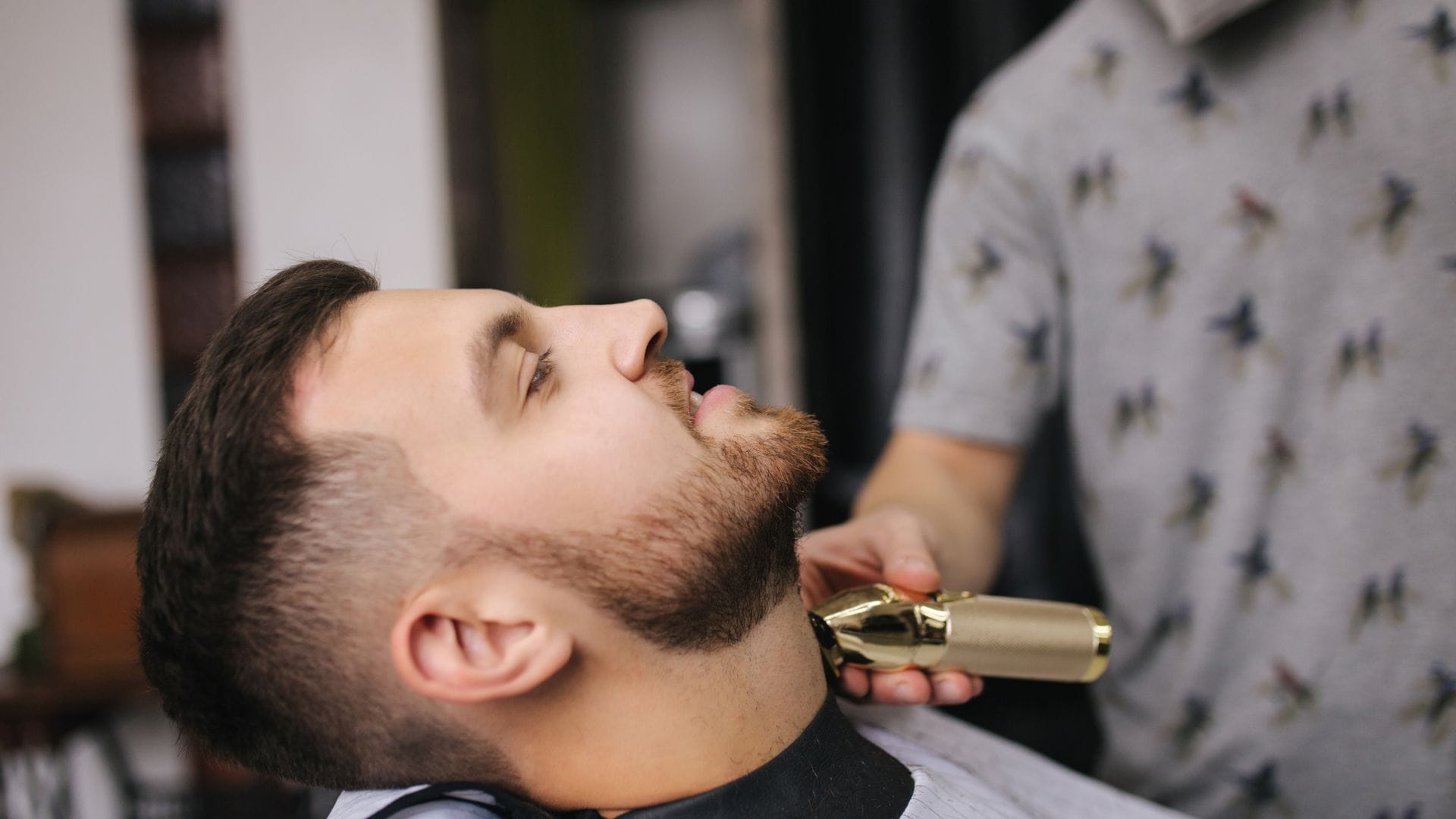
Getting a fresh shape-up feels great, but those small red bumps that show up afterward can quickly spoil the look. Ingrown hairs happen when a hair curls back or grows sideways into the skin instead of rising straight out. They can sting, itch, and even leave dark marks if they keep coming back. The good news is that most causes are easy to understand once the reasons become clear. Knowing what triggers these bumps helps prevent them and keeps the skin looking clean and smooth. Read on to explore twelve common causes of ingrown hairs after a shape-up and find simple ways to stop them before they start.
1. Cutting the Hair Too Close to the Skin
Shaving or trimming the hair very close to the skin is one of the biggest reasons ingrown hairs appear. When the blade cuts below the skin line, the sharp tip of the hair can easily get trapped under the surface. As it grows, it has no clear path to push out, so it curls back and digs into the skin. This leads to those familiar red, irritated bumps along the edges of a shape-up.
A close cut often looks crisp and clean at first, which is why many people prefer it. The problem shows up a few days later once the hair starts to grow again. Leaving just a tiny bit of length can give the hair a better chance to grow straight out. A gentle approach near the hairline and jaw helps the skin stay calm and reduces the risk of trapped hairs forming under the surface.
2. Using a Dull or Dirty Blade
A worn-out blade does not slice cleanly through each hair. Instead, it tugs and pulls, leaving rough or torn ends that struggle to grow straight. These jagged tips are far more likely to curl back into the skin and cause an ingrown hair. A dirty blade adds another problem by spreading bacteria across freshly cut skin, which can lead to redness, swelling, and even small infections.
Keeping blades fresh and clean makes a real difference. A sharp edge during a careful beard trim glides through the hair smoothly and leaves a clean cut that grows out the right way. Rinsing the blade often and replacing it when it feels dull keeps the skin protected. Storing tools in a dry, clean spot also stops germs from building up. These small habits go a long way toward keeping the skin clear and free from painful bumps.
3. Skipping Proper Skin Preparation
Jumping straight into a shape-up without preparing the skin first sets the stage for trouble. Dry, tight skin makes it harder for the blade to move smoothly, so it scrapes and irritates the surface. Hair that has not been softened stands stiff, which means the blade pulls instead of cutting cleanly. All of this raises the chance of hairs breaking off below the skin and growing back inward.
Warm water and a gentle cleanser help soften both the hair and the skin before any cutting begins. A warm towel pressed against the area for a minute opens the pores and relaxes the hairs. Adding a quality shaving gel or cream creates a smooth surface for the blade to glide over. Taking just a few extra minutes to prepare the skin can prevent days of itchy, painful bumps later on.
4. Shaving Against the Hair Growth
Many people shave against the direction the hair grows because it gives the closest possible result. While this feels smooth right away, it often causes the hair to be cut at a sharp angle below the skin line. That angled tip can then twist and grow sideways instead of straight up, leading to an ingrown hair. The skin around the area may also feel raw and tender afterward.
A smarter method is to shave in the same direction the hair naturally grows. This approach may not feel quite as close, but it greatly lowers the risk of trapped hairs. Skilled providers who offer Custom Beard Trims often study the growth pattern first and shape the hair to match it. Following the natural flow of the hair keeps the tips pointing outward, which helps them grow free and clear without digging back into the skin.
5. Not Exfoliating the Skin
Dead skin cells build up on the surface every single day. When too many of them gather, they can block the tiny openings where hairs push through. A hair that cannot find its way out gets trapped beneath this layer and curls back inward. This is one of the most common and most overlooked causes of ingrown hairs after a fresh shape-up.
Gentle exfoliation clears away that buildup and opens a clear path for each hair. A soft scrub or an exfoliating cloth used a few times a week keeps the skin smooth and the pores open. It is important not to scrub too hard, since rough handling can irritate the skin and make things worse. A light, regular routine works best. Clearing away dead skin gives every hair a better chance to grow out the right way.
6. Having Naturally Curly or Coarse Hair
Some people are simply more likely to get ingrown hairs because of their natural hair type. Curly and coarse hair tends to bend as it grows, so even a clean cut can curl back toward the skin. This natural curve makes it easy for the tip to re-enter the surface and become trapped. Tightly curled hair around the jaw and neck is especially prone to this problem after a shape-up.
People with this hair type need to take extra care to keep the skin clear. A clean Sharp Hairline still looks great on curly hair, but it calls for gentle methods and steady aftercare. Leaving a little length, shaving with the grain, and exfoliating regularly all help reduce trapped hairs. Using a soothing moisturizer keeps the skin soft so hairs can push through more easily. With the right routine, even very curly hair can stay smooth and bump-free.
7. Touching the Area with Dirty Hands
Hands carry germs throughout the day, even when they look perfectly clean. Touching a freshly shaped area transfers bacteria straight onto skin that is already sensitive and slightly open from cutting. This can lead to redness, irritation, and infected bumps that look and feel like ingrown hairs. Picking or scratching at the area makes the problem far worse and can leave lasting marks.
It helps to keep hands away from a fresh shape-up as much as possible. If the area feels itchy, a clean cloth or a gentle pat is much safer than scratching with the fingers. Washing the hands well before applying any aftercare product also keeps germs from spreading. Treating the skin gently right after a cut gives it the calm, clean conditions it needs to heal smoothly and stay free from painful bumps.
8. Wearing Tight Collars or Hats
Clothing that rubs against a fresh shape-up can cause more trouble than many people realize. Tight collars, scarves, and hats press against the skin and trap heat and sweat against the freshly cut hairs. This constant friction pushes hairs in odd directions and can force them back into the skin. The warm, damp conditions under tight clothing also help bacteria grow, which adds to the irritation.
After visiting a barbershop for a fresh shape-up, it pays to wear loose, breathable clothing around the neck and hairline. Giving the skin room to breathe lets it recover without extra rubbing. Choosing soft fabrics and avoiding tight hats for a day or two helps the hairs settle in the right direction. Small choices about clothing can protect the skin during those first important days when ingrown hairs are most likely to form.
9. Not Moisturizing After a Shape-Up
Dry skin is stiff and rough, which makes it harder for new hairs to break through the surface. When the skin lacks moisture, it can tighten around the openings where hairs grow, trapping them underneath. This is why skipping moisturizer after a shape-up often leads to more bumps and irritation. Dry skin also flakes more easily, adding to the buildup that blocks hairs.
A light, soothing moisturizer keeps the skin soft and flexible so hairs can rise out smoothly. Products with calming ingredients like aloe vera help reduce redness right after a cut. Applying moisturizer once or twice a day keeps the area comfortable and healthy. It is best to choose a product that does not clog the pores, since heavy creams can trap hairs instead of helping them. Soft, well-cared-for skin is far less likely to develop ingrown hairs.
10. Using Harsh Products on the Skin
Strong aftershaves and products loaded with alcohol may feel refreshing, but they can dry out and irritate sensitive skin. When the skin becomes dry and inflamed, it reacts by tightening and sometimes by producing extra oil. Both of these reactions can block the openings where hairs grow. Harsh ingredients also strip away the natural barrier that protects the skin, leaving it more prone to bumps and infections.
Gentle, skin-friendly products are a much safer choice after a shape-up. Looking for items labeled alcohol-free or made for sensitive skin helps avoid unwanted irritation. Soothing ingredients calm the area and support healing instead of fighting against it. Reading labels and testing a small patch first can prevent a bad reaction. Treating the skin kindly with mild products keeps it balanced, which lowers the chance of trapped hairs and painful redness.
11. Shaving Over the Same Spot Repeatedly
Going over the same area again and again to chase a perfectly clean line puts a lot of stress on the skin. Each pass scrapes away a little more of the protective surface, leaving the skin raw and inflamed. This repeated irritation makes it much easier for hairs to get trapped as they try to grow back. The area may also sting and turn red, which signals that the skin has taken too much.
A single, careful pass usually gives a clean enough result without harming the skin. If a spot needs another stroke, adding more shaving cream first helps the blade glide instead of scrape. Slowing down and using light pressure protects the surface and keeps it healthy. Letting go of the need for an extreme close shave saves the skin a lot of stress. Gentle, patient cutting leads to far fewer ingrown hairs over time.
12. Ignoring Early Signs of Irritation
Small signs of trouble often appear before a full ingrown hair forms. A little redness, mild itching, or a tiny raised bump can all be early warnings that the skin needs attention. Ignoring these signals and carrying on with the usual routine often allows the problem to grow into a painful, swollen bump. Catching these signs early makes them much easier to manage.
Paying attention to how the skin feels after each shape-up helps stop problems before they spread. A warm compress placed on an irritated spot can soothe it and encourage a trapped hair to surface. Keeping the area clean and avoiding further shaving until it calms down gives the skin time to heal. Responding quickly to early signs of irritation keeps minor issues from turning into stubborn, recurring bumps that are harder to clear.
Conclusion
Ingrown hairs after a shape-up can feel frustrating, but most of the causes are simple to understand and easy to prevent. Taking care to prepare the skin, use clean and sharp tools, and follow the natural direction of hair growth makes a huge difference. Gentle aftercare, regular exfoliation, and good moisturizing keep the skin smooth and ready for the next fresh look. Listening to the skin and treating early signs of irritation right away stops small problems from growing into bigger ones. With a little patience and the right habits, anyone can enjoy a clean, sharp shape-up while keeping the skin calm, clear, and comfortable.