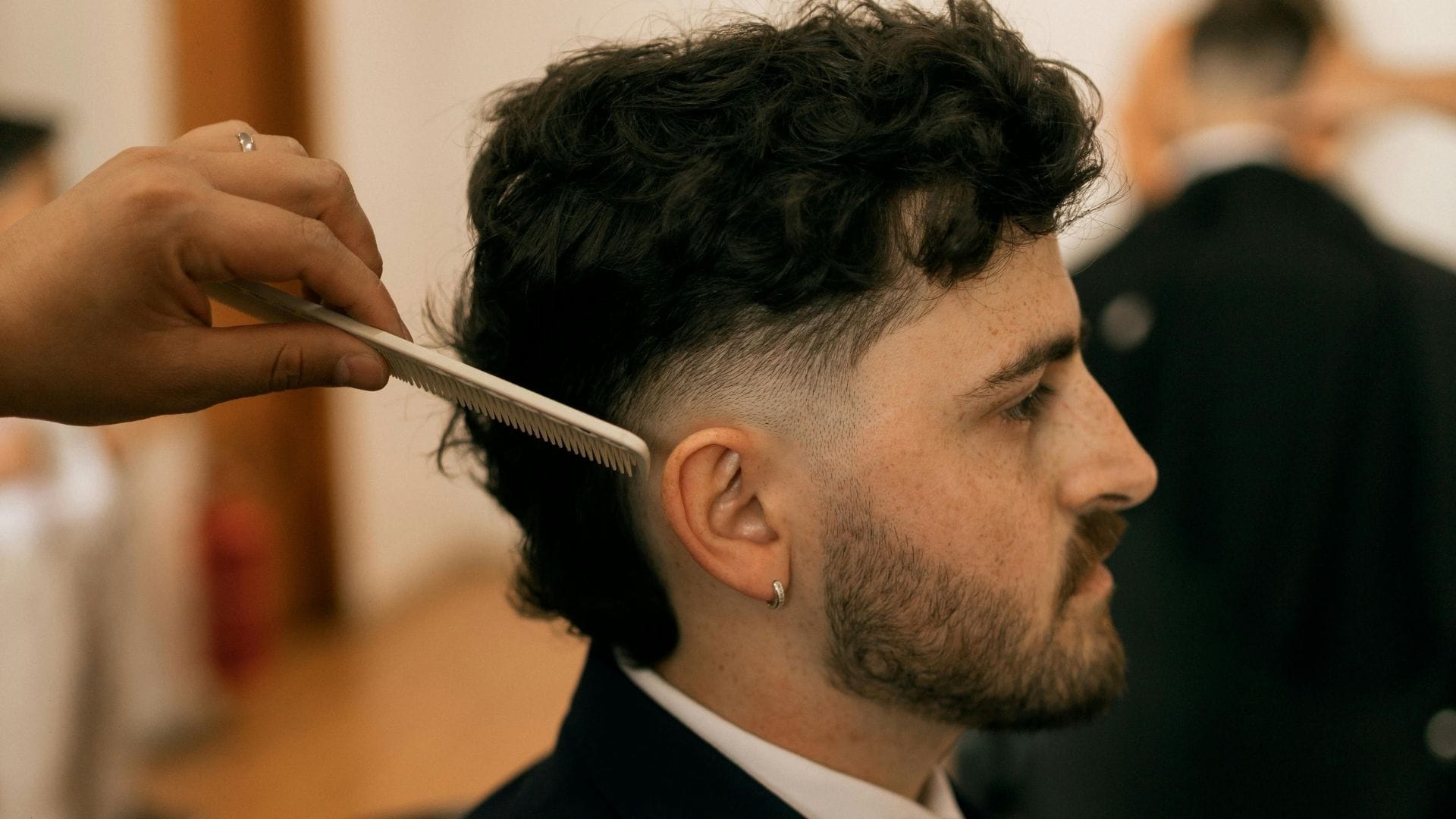
Quick answer: A line up haircut is a precision grooming service that sharpens the natural hairline, temples, sideburns, and neckline using a trimmer, T-outliner, or razor to create crisp, defined edges. Unlike a regular men’s haircut, which focuses on cutting length and shaping the overall style, a line up is purely about edge definition. Barbers often combine both services, but a line up alone typically takes 10 to 15 minutes and costs less than a full cut.
You know the feeling. You sit down in the chair, the cape snaps around your neck, and twenty minutes later you catch your reflection and barely recognize yourself. Your hairline looks sharper. Your face looks more structured. Something changed, but you can’t quite put your finger on what it was.
That’s a line up doing its job.
A lot of guys walk into a barbershop asking for “a haircut” without realizing that the haircut and the line up are actually two separate services with two very different purposes. One shapes the hair on top of your head. The other defines the border where your hair meets your skin. Both matter, but they matter in different ways, and understanding the difference will change how you talk to your barber, how you budget your grooming routine, and how you maintain your look between visits.
This guide breaks down everything worth knowing about the line up haircut: what it is, where it came from, how it’s done, what it costs, and how it stacks up against a standard men’s cut. Whether you’re a first-timer trying to figure out what to ask for or someone who’s been getting lined up for years and wants to understand the craft behind it, you’ll find real, practical answers here.
The First Thing You Notice When a Line Up Is Done Right
That Crisp Edge and Why It Hits Different
There’s a specific visual effect a great line up creates. The hairline goes from soft and organic to sharp and geometric almost instantly. That contrast is what people notice first, even before they clock the haircuts itself.
The reason it “hits different” comes down to contrast and symmetry. Human faces are naturally asymmetrical to some degree, and hairlines grow in unpredictable patterns influenced by genetics, hormones, and age. A line up doesn’t change your bone structure, but it creates a clean, deliberate border that frames your face the way a picture frame draws the eye toward the art inside it. According to barbering educators at the Milady standard barbering curriculum, edge work is considered one of the highest-skill techniques in the trade because it requires steady hands and an understanding of facial geometry, not just hair texture.
The Moment You See It in the Mirror
Ask any regular client and they’ll describe a similar moment: the barber spins the chair around, hands you the mirror, and there’s a beat of silence before you nod in approval. That reaction isn’t just about vanity. A sharp line up creates an immediate sense of order and intentionality. It signals that you take care of yourself, even if the rest of your haircut is simple.
This is part of why the line up has become such a cultural staple, particularly within Black and Latino grooming traditions, where the hairline is treated as a canvas rather than an afterthought.
Why a Line Up Is More Than Just a Haircut Detail
It would be easy to dismiss the line up as a small finishing touch, but that undersells its role. A line up can completely change the perceived shape of your face, correct the appearance of an uneven hairline, and make a basic buzz cut look intentional and stylish rather than plain.
In many barbershops, clients will come in specifically for a line up refresh without touching the rest of their hair. That’s a strong signal that this service stands on its own, not just as an add-on.
What a Line Up Haircut Actually Is (And What It Is Not)
The Technical Definition Behind the Buzz
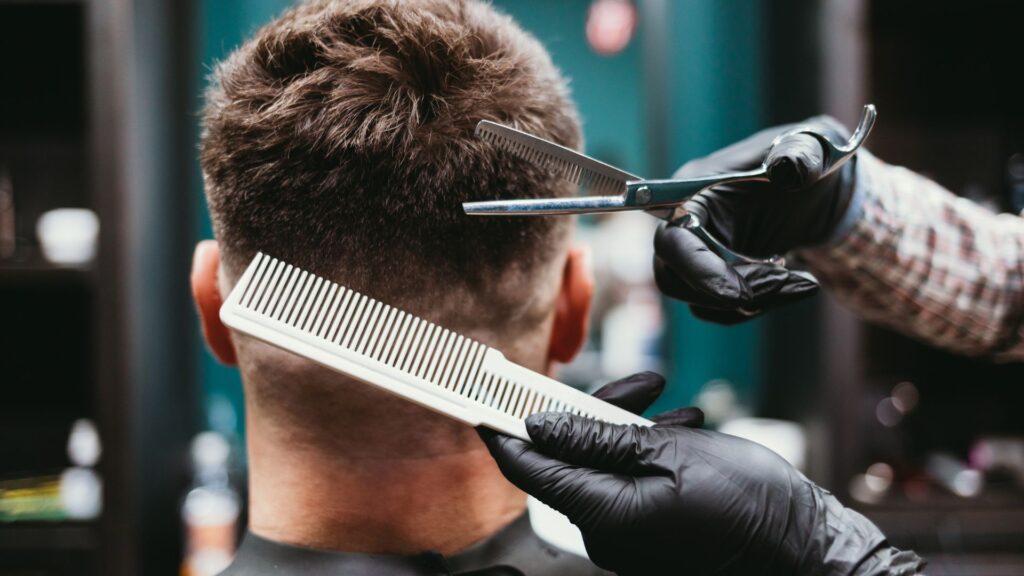
A line up haircut is the process of using clippers, trimmers, or a straight razor to create a sharp, defined border along the natural hairline, temples, sideburns, and neckline. It is a precision edging service, not a length-reduction service. The barber is not primarily removing volume from the top or sides of the head. Instead, they are cleaning up the perimeter where hair meets skin.
Technically speaking, a proper line up involves outlining the natural hairline first, then going back to sharpen and straighten the edges without cutting into the hairline itself in a way that creates recession or unnatural gaps.
The Tools That Make a Line Up Possible
Line ups rely on a specific toolkit that differs slightly from the tools used for a general haircut:
| Tool | Primary Use in a Line Up | Skill Level Required |
| T-outliner trimmer | Sharp, straight edge lines | High |
| Straight razor | Ultra-clean skin-level finish | Very high |
| Foil shaver | Smoothing after outlining | Medium |
| Clipper with guard | Blending hair into the line | Medium |
| Edging brush | Cleaning hair debris for visibility | Low |
Most professional barbers use a combination of these tools rather than relying on just one, switching between them depending on hair density, skin sensitivity, and the sharpness the client wants.
Line Up vs. Edge Up vs. Shape Up: Sorting Out the Terminology
These three terms are often used interchangeably, and while they refer to essentially the same service, there are regional and stylistic nuances worth knowing.
| Term | Common Region of Use | Typical Emphasis |
| Line up | East Coast, general U.S. usage | Straight, geometric edges |
| Edge up | Southern U.S. | Overall sharpness and cleanup |
| Shape up | Midwest, UK | Full perimeter shaping including neckline |
There is no universal rulebook here. If you walk into a barbershop and ask for a shape up, an edge up, or a line up, most experienced barbers will understand you’re asking for the same core service, though it’s still worth describing exactly what you want.
What a Line Up Does Not Do
A line up will not fix an uneven haircut on top. It will not add volume, remove significant length, or correct a bad fade. It also will not permanently reshape your hairline. If your hairline is naturally receding or uneven, a line up can create the illusion of symmetry, but it cannot stop or reverse hair loss. Guys expecting a line up to solve deeper hair concerns are often disappointed, not because the barber did a poor job, but because they misunderstood what the service is designed to do.
A Brief but Fascinating History of the Line Up
Where It Came From and Who Wore It First
The exact origin of the line up is difficult to pin to one single moment, but most barbering historians trace its rise to Black barbershop culture in American cities during the 1970s and 1980s. Precision edging existed before that in various forms, but it was during this era that the sharp, geometric hairline became a defining style choice rather than just basic grooming maintenance.
The Barbershop Culture That Built the Line Up
Barbershops have historically served as more than places to get a haircut. They function as community hubs, particularly in Black communities, where mentorship, conversation, and cultural exchange happen alongside the actual grooming services. The line up became a point of pride within this culture, a visible marker of a barber’s skill and a client’s attention to detail.
Barbers who could execute a flawless line up freehand, without any guides or stencils, earned a specific kind of respect within the industry that persists today.
How Hip-Hop and Street Culture Pushed It Mainstream
By the late 1980s and into the 1990s, hip-hop culture played a massive role in pushing the line up into mainstream visibility. Artists, on-screen personalities, and athletes popularized the sharp hairline as part of a broader style statement. This period cemented the line up as not just a grooming choice but a cultural symbol tied to identity and self-expression.
The Line Up in the Modern Era
Today, the line up has crossed cultural and demographic lines far beyond its origins. It’s a standard offering in barbershops across the world, requested by clients of all racial backgrounds and hair types. Social media has also played a role, with barbers showcasing line up transformations on platforms like Instagram and TikTok, turning individual barbers into local and even national celebrities based on their edge work alone.
The Anatomy of a Line Up: Every Line That Matters
The Frontal Hairline — The Anchor of the Look
The frontal hairline is the primary focus of most line ups. This is the line that runs across the top of the forehead, and it sets the tone for the rest of the service. Barbers typically work with the natural hairline rather than against it, following its existing curve rather than forcing a perfectly straight line that could look unnatural.
The Temple Corners and Why They Define Your Face
The temple corners, where the hairline curves down toward the ears, play a major role in how angular or soft your face appears. Sharpening these corners can make a round face appear more structured, while rounding them slightly can soften an angular face. This is one of the most client-specific decisions in the entire process.
The Sideburns Line and How Far It Should Go
Sideburn length is a matter of personal preference, but proportion matters. Barbers generally recommend keeping sideburns level with the bottom of the earlobe unless a client specifically requests a shorter or longer style. Sideburns that are cut unevenly are one of the more common complaints in poorly executed line ups.
Neckline Shape and the Line Up’s Finishing Touch
The neckline is often overlooked by clients but taken very seriously by barbers. A rounded, natural-looking neckline tends to age better between appointments than a sharply squared one, which can look overgrown and messy within just a few days.
How a Line Up Is Different From a Regular Men’s Haircut
What Happens in a Standard Men’s Cut vs. a Line Up Service
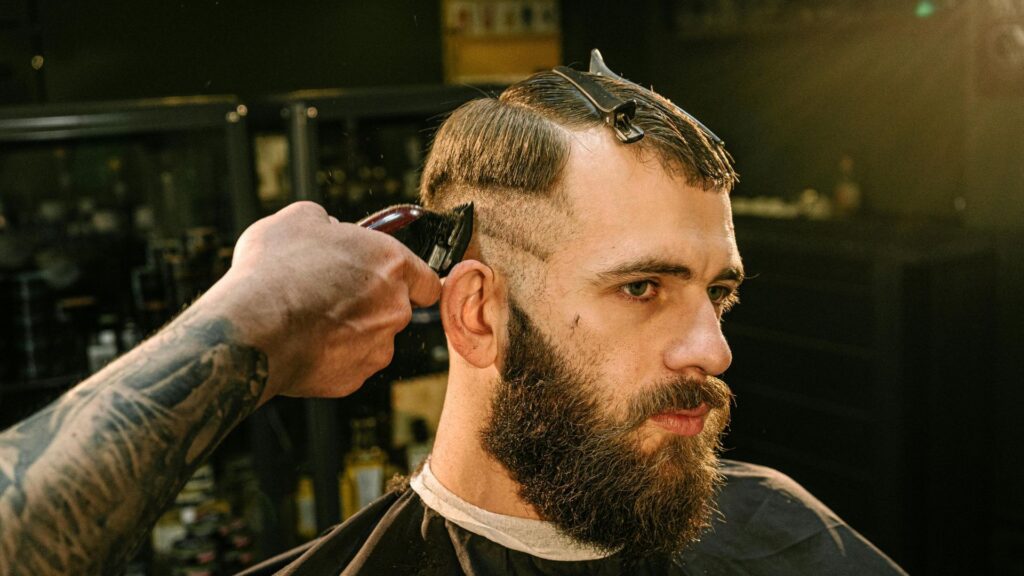
A standard men’s haircut, sometimes just called a “haircut,” involves cutting length from the top, sides, and back of the head to create an overall style, whether that’s a fade, a crop, a pompadour, or something else entirely. A line up, by contrast, focuses exclusively on the perimeter of that style.
Time, Precision, and Skill: The Difference in the Chair
A full haircut typically takes 30 to 45 minutes depending on complexity. A standalone line up service usually takes 10 to 15 minutes. But don’t mistake that shorter time for lower skill. Line up work demands intense precision because there is very little room for error. A crooked fade can sometimes be blended out. A crooked hairline is immediately visible and much harder to fix.
Which One Actually Changes How Your Face Looks More
This is a common debate among barbers and clients alike. Many argue that the line up has a more immediate visual impact on facial appearance than the haircut itself, because the hairline directly frames the eyes, forehead, and overall facial symmetry.
Side-by-Side Comparison: Line Up vs. Regular Cut
| Factor | Line Up | Regular Haircut |
| Primary focus | Hairline, temples, neckline | Overall length and style |
| Average time | 10 to 15 minutes | 30 to 45 minutes |
| Average cost (U.S.) | $10 to $20 | $25 to $50 |
| Frequency needed | Every 1 to 2 weeks | Every 3 to 6 weeks |
| Skill emphasis | Precision and steadiness | Blending and shaping |
| Tools primarily used | T-outliner, razor | Clippers, scissors |
Face Shapes, Hair Types, and Who the Line Up Suits Best
How Face Shape Changes the Way Your Line Up Should Be Cut
Round faces often benefit from sharper, more angular temple corners to create visual length. Square faces sometimes look better with slightly softened corners to avoid over-emphasizing an already strong jawline. Oval faces have the most flexibility since they suit both sharp and rounded styles.
Line Ups Across Hair Textures: Straight, Wavy, Coily, and Kinky
| Hair Type | Line Up Difficulty | Common Adjustment Needed |
| Straight | Low | Frequent touch-ups since hair grows fast into the line |
| Wavy | Medium | Careful blending to avoid flat spots |
| Coily | Medium to high | Following natural curl pattern along the edge |
| Kinky | High | Extra attention to avoid bumps and irritation |
Skin Tone and Hairline Contrast: Why It Matters More Than People Think
Contrast between skin tone and hair color affects how visible imperfections are. Clients with darker hair and lighter skin, or vice versa, often notice unevenness more easily, which means barbers need to be extra precise for these combinations.
Age and the Line Up: From Teen to Mid-50s
Line ups are popular across nearly every age group, though the style often shifts. Younger clients tend to request sharper, more dramatic lines, while older clients, especially those managing a receding hairline, often prefer softer, more natural-looking edges that don’t draw attention to hair loss.
The Barbering Skills Behind a Perfect Line Up
Freehand Lining vs. T-Outliner Techniques
Freehand lining, done without any comb or guide, is considered the most advanced technique in barbering. It requires years of practice and an intuitive understanding of facial proportions. T-outliner techniques, which use a smaller, more precise trimmer, are more common among newer barbers and still produce excellent results when done carefully.
Reading the Natural Hairline Before You Touch It
Skilled barbers never rush into cutting. They study the natural hairline first, identifying growth patterns, cowlicks, and any natural recession before making a single pass with the trimmer.
How Barbers Handle Receding Hairlines and Uneven Growth
For clients with receding or uneven hairlines, barbers often create a slightly modified line that works with the recession rather than against it, avoiding an artificial-looking straight edge that draws more attention to hair loss rather than less.
The Role of Foil Shavers, Trimmers, and Razors
Foil shavers are typically used after the initial outline to smooth stray hairs and create an ultra-clean finish, particularly for clients who want a razor-sharp look that lasts a few extra days longer than trimmer work alone.
Common Line Up Mistakes and How to Spot a Bad One
The Crooked Line: When It Goes Wrong Fast
A crooked line is usually the result of rushed work or an inexperienced barber. It’s one of the most noticeable and frustrating mistakes because it’s visible from a distance and difficult to correct without cutting further into the hairline.
Going Too Deep Into the Hairline
Overcutting into the hairline can create permanent-looking gaps, especially for clients with naturally thin or receding hair. This mistake often takes weeks to grow out.
The Box Head Problem and Over-Squared Temples
Over-squaring the temples, sometimes called the “box head” effect, happens when a barber cuts overly sharp, boxy corners that don’t match the client’s natural face shape.
How to Talk to Your Barber So It Never Goes Wrong
Bring reference photos, be specific about how sharp or natural you want the edges, and speak up immediately if something looks off during the process rather than waiting until it’s finished.
Maintaining a Line Up Between Barbershop Visits
How Long a Line Up Actually Lasts
Most line ups stay sharp for 5 to 10 days depending on how fast your hair grows. Faster hair growth rates typically mean quicker fading of the crisp edge.
At-Home Touch-Up: What You Can and Cannot Do Yourself
Light touch-ups with a small trimmer are manageable for straight edges and simple maintenance, but full re-lining, especially around the temples, is best left to a professional to avoid uneven results.
Products That Help Your Line Up Stay Sharp Longer
| Product Type | Purpose | Frequency of Use |
| Beard and hair oil | Softens skin around the hairline | Daily |
| Aftershave balm | Reduces irritation post-cut | After each line up |
| Edge control gel | Keeps stray hairs in place | Daily or as needed |
| Moisturizing lotion | Prevents dryness and bumps | Daily |
Building a Maintenance Schedule That Works
Most regular clients settle into a rhythm of getting lined up every 7 to 10 days, often paired with a full haircut every third or fourth visit.
The Cost of a Line Up and What Affects the Price
Average Pricing Across the U.S. and Why It Varies
| Region | Average Line Up Price |
| Major metro areas (NYC, LA, Chicago) | $15 to $25 |
| Mid-sized cities | $10 to $18 |
| Small towns and rural areas | $8 to $15 |
Pricing varies based on barbershop reputation, city cost of living, and whether the service includes a razor finish.
Line Up Only vs. Line Up With a Full Haircut
Most barbershops offer a discounted combined rate when a Perfect line up is bundled with a full haircut rather than booked separately, since it saves setup and chair time.
What You Are Really Paying for When the Price Is Higher
Higher prices often reflect the barber’s experience level, the use of premium tools, and additional finishing touches like razor detailing or skincare products applied after the service.
Is a Line Up Worth the Extra Cost?
For most clients, yes. A few extra dollars for a skilled barber prevents the far more expensive and time-consuming cost of correcting a botched line up later.
Line Up Styles and Variations Worth Knowing
The Classic Straight Line Up
The most traditional style, featuring a straight, sharp frontal hairline and squared temple corners.
The Curved or Natural Line Up
A softer alternative that follows the natural curve of the hairline rather than forcing sharp geometric angles.
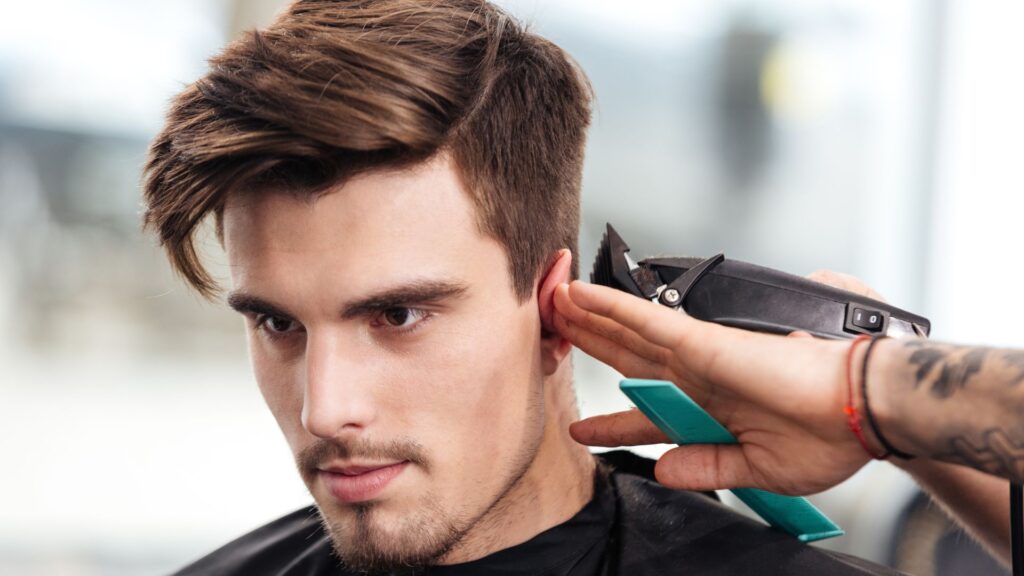
The Bald Fade With Line Up Combo
One of the most requested combinations today, pairing a skin fade on the sides with a crisp line up for maximum contrast.
Creative Line Ups: Designs, Angles, and Artistic Edges
Some clients request decorative elements like part lines, angled cuts, or small designs integrated into the hairline itself.
The Hard Part and How It Relates to the Line Up
A hard part is a shaved line typically on one side of the head, often executed using the same tools and precision required for a standard line up.
Skin Health, Razor Bumps, and Caring for Your Lined-Up Skin
Why the Hairline Area Is Prone to Irritation
The skin along the hairline and neckline is thinner and more sensitive than skin elsewhere, making it more prone to irritation from repeated razor and trimmer contact.
Razor Bumps vs. Razor Burn: What Is Actually Happening to Your Skin
Razor bumps occur when hair curls back into the skin after cutting, causing inflammation. Razor burn is surface-level irritation from friction and can usually be treated with cooling aftercare products.
Pre- and Post-Line Up Skincare for All Skin Types
Cleansing the skin before a line up and applying a soothing, alcohol-free balm afterward significantly reduces irritation risk, particularly for clients with sensitive or curly hair prone to ingrown hairs.
Ingredients to Look for and Ingredients to Avoid
| Look For | Avoid |
| Aloe vera | High alcohol content |
| Witch hazel (low concentration) | Synthetic fragrances |
| Tea tree oil | Menthol in high doses on broken skin |
Expert Barber Insights and Industry Trends Around the Line Up
What Master Barbers Say About the Line Up’s Staying Power
Veteran barbers consistently describe the line up as one of the most requested and consistently profitable services in the industry, largely because of how often clients return for touch-ups.
The Rise of the Line Up in Competitive Barbering
Barbering competitions increasingly include dedicated line up and edge work categories, reflecting how much the industry now values this specific skill set as distinct from general cutting ability.
Where the Line Up Is Headed in the Next Five Years
Industry trends point toward more personalized, face-shape-specific line up techniques as barbers increasingly treat the service as a customized art form rather than a one-size-fits-all approach.
Frequently Asked Questions About Line Up Haircuts
How often should I get a line up?
Most people benefit from a line up every 7 to 10 days, though this depends on how fast your hair grows and how sharp you like your edges to look.
Can I get a line up without a full haircut?
Yes, most barbershops offer standalone line up services, and many regular clients book them between full haircut appointments.
Does a line up work on all hair types?
Yes, though the technique and difficulty vary. Coily and kinky hair types often require extra care to avoid irritation and uneven edges.
How do I describe a line up to my barber?
Be specific about sharpness, temple shape, and neckline preference. Bringing a reference photo helps eliminate miscommunication.
Will a line up make my forehead look bigger?
It can, particularly if the barber cuts the hairline too high. A skilled barber will work with your natural hairline to avoid this effect.
What is the difference between a line up and a fade?
A line up defines the edges of your hairline, while a fade blends hair length gradually from short to long on the sides and back of the head.
Can I do a line up at home?
Basic touch-ups are possible with the right trimmer, but full line ups, especially around the temples, are best done by a professional.
Does a line up hurt or irritate the skin?
It shouldn’t hurt, though some irritation like minor razor burn is possible, especially for those with sensitive skin.
How much should a line up cost?
Expect to pay between $8 and $25 depending on your location and the barbershop’s pricing structure.
How long does a line up take?
A standalone line up typically takes 10 to 15 minutes, much shorter than a full haircut.
Your Next Move: How to Get the Line Up That Actually Works for You
The Pre-Appointment Checklist
Before your next visit, take a few minutes to study your natural hairline, note any areas of unevenness, and think through how sharp or natural you want your edges to look.
How to Find a Barber Who Specializes in Line Ups
Look for barbers who showcase edge work specifically in their portfolios, and don’t hesitate to ask directly during a haircut near me search which shops in your area are known for precision line ups.
What to Expect in the Chair and After
Expect a quick but highly focused process, followed by a cooling aftercare product applied to reduce irritation and lock in that sharp, fresh finish.
Building a Long-Term Grooming Routine Around the Line Up
Pair regular line up appointments with a consistent skincare routine and periodic full haircuts to keep your overall look sharp, healthy, and low maintenance between visits.
Conclusion
A great line up is not just a trend or a quick add-on. It’s a skill that transforms an ordinary haircut into something sharper, more intentional, and unmistakably yours. The next time you’re due for a refresh, remember that the difference between a good haircut and a great one often comes down to those final, precise lines around the edges.