
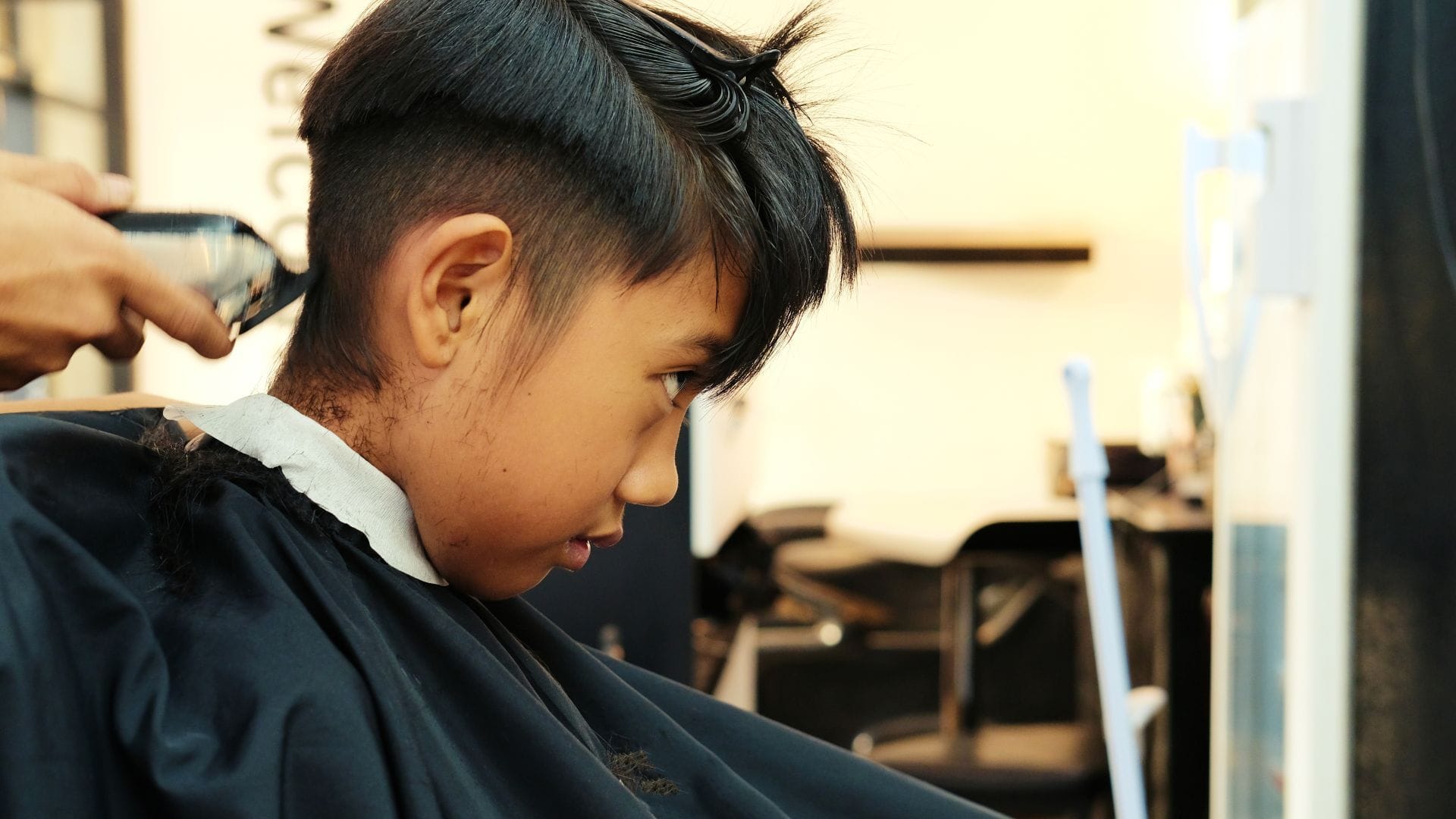
There is something quietly satisfying about a crisp line-up, the way it frames the face and lends a sense of order to the whole look. Perhaps you have admired one in the mirror after a fresh trim and wondered how that clean edge comes together with such precision. The truth is that a great line-up rests less on luck and more on patience, the right tools, and a few thoughtful habits practiced over time. This guide walks gently through ten steps, each one inviting you to slow down, notice the details, and build a result that feels both sharp and natural. Take it at your own pace, and keep the parts that feel right for you.
1. Start with Clean, Dry Hair
A professional line-up tends to begin long before the blade ever touches the skin. It seems to work best when the hair is freshly washed and fully dry, since damp hair clumps together and hides the true edges you are trying to shape. Clean hair also lies more naturally, allowing the real hairline to reveal itself rather than the slightly altered shape that water and product can create. Perhaps this is the quiet lesson here: precision starts with a clear, honest canvas.
Taking a moment to comb the hair into its natural fall can make a surprising difference too. When the strands settle where they normally sit, the outline becomes easier to read and far easier to follow. There is no rush in this stage, and that is rather the point. By starting calm and prepared, with hair that is clean, dry, and gently combed, the steps that follow tend to feel smoother and far less stressful.
2. Gather the Right Tools
A clean line-up rests heavily on the tools you choose, and it seems worth taking time to set them out before beginning. Quality trimmers with a sharp, well-aligned blade form the heart of the work, since a dull edge drags and leaves the line looking ragged. A small handheld mirror, good lighting, and a fine comb round out the basics, each one playing a quiet supporting role. When everything sits ready within reach, the whole process tends to feel calmer and more controlled.
For the finest, closest finish, many people reach for a careful razor shave along the very edge once the trimmers have done their main work. This final touch can lend a crispness that trimmers alone rarely match, though it asks for a steady hand and gentle pressure. Perhaps the deeper point is this: the right tools do not just improve the result, they ease the nerves. When you trust what is in your hands, you tend to move with more confidence and less hesitation.
3. Find Your Natural Hairline
Before shaping anything, it helps to pause and truly study where the hairline naturally falls. There can be a temptation to push the line lower or square it off more aggressively than the hair allows, yet this often leads to a look that feels forced. By gently observing the existing shape, you work with what is already there rather than against it. Perhaps the kindest approach is to follow nature first and refine only at the edges.
Tracing the outline lightly with a comb or a fingertip can make this stage feel more grounded. It seems to help to notice the small curves around the temples and the way the line meets the corners, since these subtle points shape the final result. There is wisdom in restraint here, in resisting the urge to remove too much too soon. A line-up built on the natural hairline tends to grow out gracefully, looking intentional rather than uneven as the days pass.
4. Prepare the Skin Gently
The skin beneath the hairline deserves a little care before any blade arrives. A quick wash with warm water softens the surface and clears away oil, helping the trimmers and blade glide rather than tug. Some people like to apply a light, soothing product to keep the skin calm, especially if it tends toward sensitivity. Perhaps this gentle preparation is easy to skip, yet it quietly shapes how comfortable the whole process feels.
Looking after the skin also helps reduce the small frustrations that can follow a close trim. Ingrown Hairs often appear when the skin is dry, irritated, or shaved too harshly, so a soft, unhurried approach tends to serve you well. It seems worth treating this step as an act of patience rather than a chore. By calming and readying the skin first, you create a smoother surface to work on and a kinder result for the days that follow.
5. Outline Before You Commit
There is real comfort in sketching the shape lightly before removing anything for good. Using just the tip of the trimmer, you can trace the intended line without pressing in, almost like drawing a faint pencil mark before inking it. This gentle outline gives you a chance to step back, check the symmetry, and adjust before the cut becomes permanent. Perhaps the quiet wisdom here is that a moment of planning saves a good deal of regret.
Working slowly at this stage tends to reveal small imbalances that are easy to miss in a rush. One side may sit slightly higher, or a corner may need softening, and these things are far simpler to fix before committing fully. It seems that the people who achieve the cleanest results are rarely the fastest, but the most patient. By outlining first and committing second, you give yourself room to shape the line with calm, careful intention.
6. Shape the Edges with Patience
Once the outline feels right, the real shaping begins, and this is where steady patience truly shows its value. Moving the trimmer in small, controlled passes lets you refine the line bit by bit rather than carving it all at once. It seems to help to keep the blade flat and the movements light, since heavy pressure often leads to uneven dips. Perhaps the gentlest reminder here is that you can always take a little more, but you cannot easily put it back.
The goal of this stage is a crisp, even outline that frames the face naturally. A Sharp Hairline tends to come not from force but from repetition, from many small adjustments made with a calm and watchful eye. Checking the mirror often, from a few different angles, helps keep both sides in quiet agreement. By shaping the edges slowly and reviewing as you go, you build a line that looks deliberate, balanced, and effortlessly clean.
7. Balance Both Sides Carefully
Symmetry is often what separates a tidy line-up from a truly professional one, and it deserves unhurried attention. The face is rarely perfectly even, so matching both sides asks for honest observation rather than assumption. Holding a handheld mirror to view the line from the side, or comparing the temples directly, can reveal small differences that are easy to overlook head on. Perhaps the real skill here lies in noticing gently rather than judging harshly.
When one side sits slightly off, the kindest fix is usually the smallest one. Trimming the higher side down to meet the lower, just a fraction at a time, tends to preserve more hair and avoid overcorrection. It seems that balance is found through patience and frequent checking, not through bold, sweeping moves. By treating both sides as partners that must agree, you create a line-up that feels harmonious and pleasing from every angle.
8. Add the Finishing Touches
Once the main shape feels balanced, the finishing touches bring everything together. Cleaning up stray hairs just outside the line, softening any harsh corners, and checking the overall flow all add a quiet polish. These small refinements may seem minor, yet they often make the difference between a good result and a genuinely sharp one. Perhaps this is the stage where care truly reveals itself.
This is also a moment where learning from a skilled barber can be wonderfully helpful, since watching how a professional refines the final details often teaches more than any written guide. It seems that the closing steps are where confidence grows, as you begin to trust your own eye. Taking a slow final look from several angles, in good light, lets you catch anything missed. By treating the finish with the same patience as the start, you honor the whole effort with a clean, complete result.
9. Soothe and Care for the Skin Afterward
The work does not quite end when the trimmer is set down, since the skin appreciates a little aftercare. A splash of cool water followed by a gentle, alcohol-free moisturizer helps calm any redness and keeps the area comfortable. Freshly trimmed skin can feel slightly tender, so choosing soothing products over harsh ones tends to serve you kindly. Perhaps this quiet closing ritual is part of what keeps the look feeling fresh.
Caring for the skin also helps the line-up stay clean as it begins to grow out. Healthy, calm skin tends to show edges more clearly and resist irritation in the days that follow. It seems worth viewing this step not as an afterthought but as the natural close of the whole process. By soothing the skin once the shaping is done, you protect both your comfort and the crisp result you worked to create.
10. Maintain the Line-Up Regularly
A line-up is rarely a one-time task, and its sharpness fades gently as the hair grows back. Light, regular touch-ups every few days help preserve the clean edge without needing a full reshape each time. It seems that small, consistent maintenance is far easier than letting the line blur and starting over. Perhaps the comforting truth here is that upkeep asks for minutes, not hours, when done often.
Keeping a steady rhythm also builds your skill over time, since each gentle touch-up sharpens both the line and your confidence. Noticing how quickly the hair returns helps you settle into a routine that suits your own growth pattern. There is a quiet satisfaction in tending to something regularly and watching it stay crisp. By maintaining the line-up with calm, frequent care, you keep that polished look alive far longer than a single session ever could.
Final Thoughts
A professional-grade line-up is not really about speed or fancy tricks, but about patience, observation, and gentle care practiced step by step. It seems the cleanest results come to those who slow down, work with the natural shape of the hair, and refine little by little rather than all at once. Perhaps the most useful thing you can carry away is the reminder that small, steady habits often matter more than any single bold move. Whichever steps feel right for you, may they help you create a look that feels sharp, balanced, and quietly your own, growing more confident with each calm and careful try.